
 한국어
 English
 日本語
 中文(简体)
Dosage form image
Viewing nowDaehan Fentanyl Injection (Fentanyl Citrate)
Fentanyl Citrate 78.5μg
Injections · Prescription medication
Daehan Pharmaceutical Co., Ltd.
MFDS item code 200805994 · Approved 2008.05.29 · Insurance code 645102991,645103001,645103351
Preanesthetic medication and adjunct; anesthesia for high-risk surgery; relief of pain before and around anesthesia and surgery
This medication is used for short-term analgesia during and post-surgery. It is also utilized as an opioid analgesic adjuvant during general or local anesthesia to help alleviate pain. When used in conjunction with neuroleptics such as droperidol, it serves the purpose of inducing and maintaining anesthesia. It is particularly recommended for use in high-risk patient populations undergoing procedures such as open-heart surgery, complex neurological surgery, and orthopedic surgeries, always alongside oxygen. This drug serves as an effective treatment for anesthesia and pain management.
The dose should be determined individually, taking into account age, body weight, physical condition, disease state, use of other medicines, and the type and duration of surgery and anesthesia. Reduce the dose in elderly or debilitated patients. In obese patients (20 % or more above standard body weight), determine the dose based on lean body weight. 1. Adults and adolescents aged 12 years and older (see Adult Dosage Table) 1) Preanesthetic medication: Inject 50∼100 ㎍ (1∼2 mL) intramuscularly 30∼60 minutes before surgery (adjust the dose as appropriate in elderly or debilitated patients or patients receiving other depressants.). 2) Analgesic adjunct during general anesthesia: See Adult Dosage Table 3) Analgesic adjunct during local anesthesia: If additional analgesia is needed, inject 50∼100 ㎍ (1∼2 mL) slowly over 1∼2 minutes intravenously or intramuscularly. 4) Postoperative (recovery room): If pain control is needed or tachypnea or delirium occurs, inject 50∼100 ㎍ (1∼2 mL) intramuscularly. The dose may be repeated after 1∼2 hours if necessary. 5) General anesthesia: When it is important to reduce stress caused by surgery, administer 50∼100 ㎍/kg (1∼2 mL/kg) with oxygen and a neuromuscular blocking agent. In some cases, up to 150 ㎍/kg (3 mL/kg) may be required to achieve this anesthetic effect. Adult Dosage Table Total dose Low dose: 2 ㎍/kg (0.04 mL/kg) Moderate dose: 2∼20 ㎍/kg (0.04∼0.4 mL/kg) High dose: 20∼50 ㎍/kg (0.4∼1 mL/kg) Maintenance dose Low dose: 2 ㎍/kg (0.04 mL/kg) Moderate dose: 2∼20 ㎍/kg (0.04∼0.4 mL/kg). If there are signs of reduced anesthetic effect, changes in vital signs indicating surgical stress, or movement, 25∼100 ㎍/kg (0.5∼2 mL/kg) of this medicine may be administered intravenously or intramuscularly. High dose: 20∼50 ㎍/kg (0.4∼1 mL/kg). If there are signs of reduced anesthetic effect or changes in vital signs indicating surgical stress, administer 25 ㎍ up to one-half of the initial dose.
Young children aged 2∼12 years: Use a low dose of approximately 2∼3 ㎍ per kg of body weight for induction and maintenance of anesthesia.
This drug poses a risk of glass fragments when using ampoule injections, so care must be taken when cutting the injection container. Extra caution is required when used for children or the elderly. Co-administration with narcotics or benzodiazepines, as well as alcohol, may lead to severe respiratory depression or coma, and should be avoided. If co-administration is necessary, limit to the minimum dosage and duration while closely monitoring the patient's condition. This drug should not be used in patients with known allergy to it, those for whom neuromuscular blocking agents are contraindicated, those with increased intracranial pressure, patients with a history of seizures, infants under 2 years old, and those with asthma. Special attention is required when used in patients with impaired respiratory function, liver and kidney function, the elderly, and those with cardiovascular diseases. This drug can cause serious side effects such as respiratory depression, dependency, hypotension, muscle rigidity, and allergic reactions, and patients’ conditions must be closely monitored during administration. Additionally, this medication is a potent opioid analgesic and should only be used in environments managed by trained healthcare professionals, with necessary equipment and medications prepared. During anesthesia, confirm the patient's fasting status, maintain the depth of anesthesia to a minimum, and carefully adjust the medication dosage during recovery. This drug can induce muscle rigidity; therefore, proper dosages and rates of administration must be adjusted when used in conjunction with neuromuscular blockers. After administration, regularly check vital signs such as blood pressure, heart rate, respiration, and consciousness state, as respiratory depression may occur hours later, necessitating continuous monitoring. Co-administration with other central nervous system depressants, opioid analgesics, or alcohol can exacerbate sedation and respiratory depression; therefore, reduce dosages and monitor closely when taken together. Pregnant or breastfeeding women should carefully consider the risks and benefits of using this drug and should not administer it during childbirth. It is safe to refrain from breastfeeding for 24 hours post-administration. The safety and efficacy for infants under 2 years have not been established, so usage should be avoided. The elderly or frail patients should have their doses reduced and monitored closely. In cases of overdose, there is a risk of severe respiratory depression, loss of consciousness, and hypotension, necessitating immediate emergency action, and, if necessary, the administration of opioid antagonists and respiratory support. Prior to administration, ensure there are no foreign substances or discoloration, and store plastic container products protected from light.
Dependence, respiratory distress, slow breathing, irregular breathing, apnea, rigidity of trunk muscles, respiratory distress following skeletal muscle rigidity of the neck and limbs, anaphylactic reaction, shock, hypotension, arrhythmia, ectopic beats, cardiac arrest, bradycardia, itching, rash, erythema, hives, orthostatic hypotension, tachycardia, hypertension, visual disturbances, abnormal euphoria, drowsiness, excessive talking, paralysis, headache, tremors, extrapyramidal symptoms, psychiatric symptoms, insomnia, agitation, dizziness, delirium, mood swings, rigidity, hallucinations, tingling, delirium, hypersensitivity to pain, non-harmful stimulus pain, nausea, vomiting, secondary respiratory depression after surgery, laryngospasm, sweating, urinary retention, sneezing, sore throat, excessive mucus secretion, increased sputum discharge, difficulty in sputum discharge, hypothermia, cold, coldness of limbs, cyanosis, wheezing, hiccups, miosis, thirst, hoarseness, fever, sexual dysfunction, withdrawal syndrome, lethargy, involuntary muscle contractions, anaphylactic reaction, anaphylactic shock, nausea, diarrhea, anxiety, chills, tremors, sweating, respiratory depression, unconsciousness, coma, skeletal muscle relaxation, cold skin, miosis, bradycardia, hypotension, apnea, cardiovascular collapse, cardiac arrest, toxic white matter encephalopathy
Not everyone experiences these, and they can vary from person to person.
Store this drug in a tightly sealed container that can block light, at room temperature between 1 to 30 degrees Celsius. Proper storage will help maintain the drug's effectiveness and prevent degradation.
A colorless, transparent liquid contained in a plastic container for injectable aqueous preparations.
10 ampoules/box [(2 milliliters/ampoule)], 10 ampoules/box [(10 milliliters/ampoule)], 10 ampoules/box [(20 milliliters/ampoule)]
Even with the same ingredient, strength, dosage form and how it is taken can differ.
Fentanyl Citrate 78.5μg
Injections · Prescription medication
Daehan Pharmaceutical Co., Ltd.
Fentanyl Citrate 0.0785mg
Solution · Prescription medication
Myungmoon Pharmaceutical Co., Ltd.
Fentanyl Citrate
Prescription medication
DaeWon Pharmaceutical Co., Ltd.
Fentanyl Citrate 78.5μg
Injections · Prescription medication
BC World Pharmaceutical Co., Ltd.
Fentanyl Citrate 0.0785mg
Prescription medication
Gujoo Pharmaceutical Co., Ltd.
Fentanyl Citrate 0.0785mg
Injections · Prescription medication
Hana Pharmaceutical Co., Ltd.
Fentanyl Citrate 78.5μg
Injections · Prescription medication
Halim Pharmaceuticals Co., Ltd.
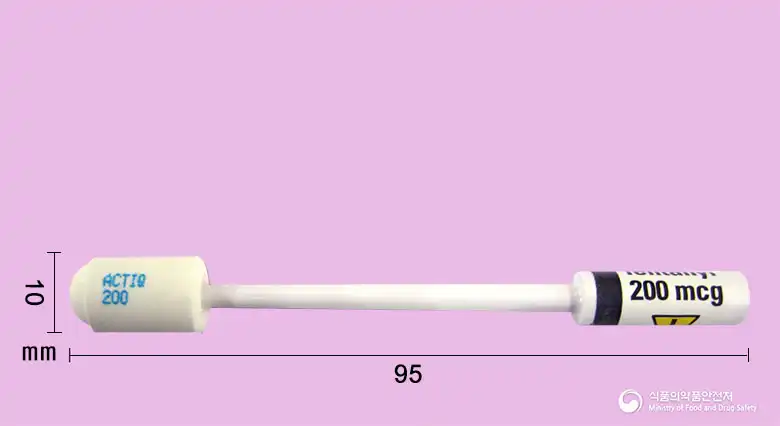
Fentanyl Citrate 0.3142mg
Prescription medication
Hyundai Pharmaceutical Co., Ltd.
Even with the same ingredient, the dose and directions can differ by strength and dosage form. Talk to a doctor or pharmacist before switching from a medication you are already taking.
No questions yet.
For anything that needs medical judgment, consult a doctor or pharmacist.
This drug information is based on data provided by the Korea Ministry of Food and Drug Safety.
Consult a doctor or pharmacist for accurate dosage, administration, and usage instructions.