
 한국어
 English
 日本語
 中文(简体)
 Viewing now
Anasto Tablets (Anastrozole)
Anastrozole 1mg
Tablet · Prescription medication
Boryung Pharmaceutical Co., Ltd.
MFDS item code 200805384 · Approved 2008.05.13 · Insurance code 641904700
Treatment of advanced breast cancer after menopause; adjuvant treatment of hormone receptor-positive early breast cancer
This medication is used to treat advanced breast cancer in postmenopausal women. It is important to note that its efficacy has not been established in estrogen receptor-negative patients who have previously received tamoxifen treatment without effects. Additionally, for postmenopausal women with hormone receptor-positive early breast cancer, it is used as adjuvant therapy for 2 to 3 years following tamoxifen treatment to assist in therapeutic effects. In summary, this drug is used for the treatment and adjuvant therapy of hormone receptor-positive breast cancer in postmenopausal women.
○ Adults: Administer 1 mg of anastrozole orally once daily. ○ Patients with renal impairment: No dose adjustment is necessary in patients with mild or moderate renal impairment. Do not administer this medicine to patients with severe renal impairment (creatinine clearance 30 mL/min or lower). ○ Patients with hepatic impairment: No dose adjustment is necessary in patients with mild hepatic impairment. Do not administer this medicine to patients with moderate or severe hepatic disease.
○ Children: Do not administer to children aged 18 years or younger.
This drug should not be used in premenopausal women as its safety and efficacy have not been established. If menopause status is uncertain, a blood test should be performed for certain verification. Patients with severe liver or kidney impairment have not been studied with this drug, and therefore, it should be avoided. This drug lowers estrogen levels in the body, which can reduce bone density and increase the risk of fractures; hence, patients with osteoporosis or those at risk should have regular bone density tests before and during treatment, and prevention and treatment of osteoporosis may be necessary. There are no studies regarding the co-administration of this drug with specific hormonal agents such as LHRH analogs, and therefore, they should not be used together. Women who are pregnant or may become pregnant, nursing mothers, and patients allergic to this drug or its components should not use this medication. Additionally, patients with a genetic lactase deficiency should also avoid this drug. While taking this medication, common symptoms may include flushing, fatigue, arthralgia, headache, nausea, rash, bone pain, myalgia, vaginal dryness, vaginal bleeding, thinning hair (alopecia), diarrhea and vomiting, drowsiness, carpal tunnel syndrome, sensory disturbances, appetite loss, hypercholesterolemia, trigger finger, erythema multiforme, cutaneous vasculitis, cold symptoms, fever, sore throat, malaise, accidental injury, infection, hypertension, and thrombophlebitis. Rarely, serious skin reactions or allergic reactions may occur; if abnormal symptoms appear, immediate consultation with healthcare providers is necessary. This medication does not significantly affect the ability to drive or operate machinery, but caution should be taken in the presence of fatigue or confusion. Clinical trial results indicate that patients taking this medication may experience increased blood cholesterol levels; therefore, monitoring through blood tests is necessary. In cases of overdose, there are no specific antidotes, and treatment should be symptomatic; if the patient is conscious, vomiting may be induced. Additionally, this drug is not easily eliminated from the body, making regular observation and supportive treatment important. This medication should be kept out of the reach of children and stored in its original container to prevent quality degradation or misuse. Pregnant or nursing mothers should not use this medication, and it is not recommended for children and adolescents under 18 due to established safety and efficacy concerns. Serious side effects such as liver dysfunction, pneumonia, and thrombosis may occur, so if symptoms arise, immediate notification to healthcare providers is required, along with regular liver function tests and symptom monitoring. This drug may have reduced efficacy when used in combination with tamoxifen or estrogen-containing therapies, so they should not be used together.
Not everyone experiences these, and they can vary from person to person.
This medication should be stored in a tightly closed container to keep out air and moisture, and it should be kept in a cool place below 30 degrees Celsius to maintain efficacy.
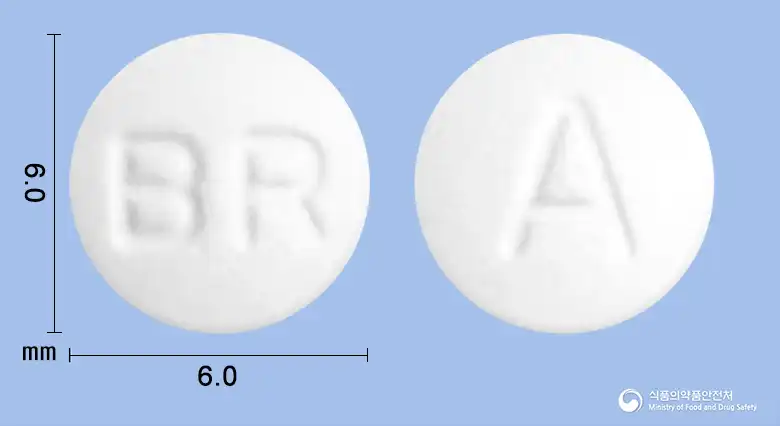
White round film-coated tablet
28 tablets (14 tablets/PTP x 2)
Even with the same ingredient, strength, dosage form and how it is taken can differ.
Viewing nowAnastrozole 1mg
Tablet · Prescription medication
Boryung Pharmaceutical Co., Ltd.

Anastrozole 1mg
Tablet · Prescription medication
HanDoc Teva Co., Ltd.

Anastrozole 1mg
Tablet · Prescription medication
Kwangdong Pharmaceutical Co., Ltd.
Anastrozole
Prescription medication
Jeil Pharmaceutical Co., Ltd.
Even with the same ingredient, the dose and directions can differ by strength and dosage form. Talk to a doctor or pharmacist before switching from a medication you are already taking.
No questions yet.
For anything that needs medical judgment, consult a doctor or pharmacist.
This drug information is based on data provided by the Korea Ministry of Food and Drug Safety.
Consult a doctor or pharmacist for accurate dosage, administration, and usage instructions.