
 한국어
 English
 日本語
 中文(简体)
 Viewing now
Arthril Tablet 4 mg (Perindopril T-Butylamine)
Perindopril Tert-Butylamine 4mg
Tablet · Prescription medication
Korea Servier Co., Ltd.
MFDS item code 200805159 · Notified 2008.05.06 · Insurance code 676300060
Treatment of hypertension, adjunctive treatment of heart failure, and reduction of cardiovascular risk in stable coronary artery disease
This medication is used for the treatment of hypertension and helps to lower blood pressure. It is also used adjunctively in patients with congestive heart failure who are undergoing diuretic or digitalis therapy to contribute to symptom improvement. For patients with stable angina pectoris, it helps reduce the risk of death due to cardiovascular disease following myocardial infarction or vascular surgery. In summary, this drug is used to improve cardiovascular health in patients with hypertension, congestive heart failure, and stable angina pectoris.
The dosage should be adjusted according to the patient's condition and blood pressure response. It is recommended that this medicine be taken once daily in the morning before breakfast. 1. Hypertension 1) Adults: Administer 4mg of perindopril tert-butylamine orally once daily in the morning. If necessary, the dose may be increased to 8mg once daily after 1 month of treatment. Symptomatic hypotension may occur at the start of treatment with this medicine. 2) Patients with a strongly activated renin-angiotensin-aldosterone system (RAAS) (particularly those with renovascular hypertension, salt and/or fluid depletion, decompensated heart failure, or severe hypertension): Excessive reduction in blood pressure may occur after administration of 4 mg of this medicine. Therefore, in these patients, an initial dose of 2 mg is recommended under medical supervision. 3) Elderly patients: Depending on the patient's condition and status, administer an initial dose of 2mg once daily in the morning. If necessary, the dose may be increased to 4mg once daily after 1 month of treatment. 4) Patients with renal impairment: Adjust the dosage according to the degree of renal impairment, and administer the following doses based on measurements of serum potassium and creatinine. Creatinine clearance Dosage ≥ 60 mL/min 4mg/day 30-60ml/min 2mg/day 15-30ml/min Administer 2mg every other day Patients on hemodialysis* < 15ml/min Administer 2mg on dialysis days * The dialysis clearance of perindoprilat, the active metabolite of this medicine, is 70 mL/min. Patients receiving hemodialysis should take this medicine after dialysis. 5) Patients taking diuretics When treatment is initiated with 4 mg of this medicine, symptomatic hypotension may occur, particularly in patients taking diuretics. These patients may have salt and/or fluid depletion, so administer with caution. If possible, discontinue the diuretic 2 ∼ 3 days before starting treatment with 4 mg of this medicine. In patients for whom discontinuation of the diuretic is not possible, initiate treatment with 2mg of this medicine. Renal function and serum potassium should be monitored, and the dose of this medicine should be adjusted according to the blood pressure response. Diuretic therapy may be resumed if necessary. 6) Renovascular hypertension: Revascularization is preferable; however, before surgery or when surgery is not possible, administer an initial dose of 2mg once daily with caution. Renal function should be monitored continuously during treatment. 7) Administration during anesthesia: Administration during anesthesia may cause hypotension; in such cases, blood volume should be increased. 2. Congestive heart failure 1) Adults: Administer an initial dose of 2mg once daily in the morning. If well tolerated, the dose may be increased to 4mg after 2 weeks. Adjust the dose according to the patient's clinical response. In patients at high risk of symptomatic hypotension (e.g., patients with salt depletion, with or without hyponatremia; patients with volume depletion; and patients receiving potent diuretics), eliminate these risk factors before administering this medicine, if possible. Blood pressure, renal function, and serum potassium should be carefully monitored before and during treatment with this medicine. 2) Patients with severe congestive heart failure, elderly patients, patients with very low initial arterial blood pressure, patients with renal impairment, and patients receiving high doses of diuretics: Administer an initial dose of 1mg once daily with close monitoring and caution. Adjust the dose as appropriate according to age and symptoms. 3. Stable coronary artery disease 1) Adults: Administer 4mg once daily for 2 weeks as the initial dose. Thereafter, if 4mg is well tolerated, administer 8mg once daily, taking renal function into account. 2) Elderly patients: Administer 2mg once daily for 1 week as the initial dose, then administer 4mg once daily for the following week. Thereafter, administer 8mg once daily, taking renal function into account. Increase the dose to a higher dose only if the lower dose is well tolerated, and taking renal function into account. 3) Patients with renal impairment: Adjust the dosage as follows according to renal function (creatinine clearance). Creatinine clearance Dosage ≥ 60 mL/min 4mg/day 30-60ml/min 2mg/day 15-30ml/min Administer 2mg every other day Patients on hemodialysis* < 15ml/min Administer 2mg on dialysis days * The dialysis clearance of perindoprilat, the active metabolite of this medicine, is 70 mL/min. Patients receiving hemodialysis should take this medicine after dialysis. 4. Patients with hepatic impairment No dosage adjustment is necessary in patients with hepatic impairment.
This medication may pose a risk of blood abnormalities such as leukopenia in patients with weakened immunity, particularly in those with autoimmune diseases or impaired kidney function. Rarely, angioedema may manifest with swelling of certain body parts such as the face, lips, and tongue, and if laryngeal edema occurs, there is a risk of airway obstruction, thus treatment should be stopped immediately and emergency care sought. In patients receiving treatment for bee venom allergy, administration of this drug can provoke serious allergic reactions such as anaphylaxis; careful consideration is required, and dosing should be temporarily halted if necessary. This drug should not be administered to patients undergoing certain dialysis treatments as it may cause life-threatening allergic reactions. During pregnancy, this drug may cause severe harm to the fetus, so it should be discontinued immediately upon confirmation of pregnancy. This medication should not be administered to patients with a history of allergic reactions to this drug or similar drugs, a history of angioedema, those undergoing certain dialysis treatments, pregnant women or those who may become pregnant, and patients with severely impaired kidney function. Careful monitoring is required in patients with impaired kidney function, severe hypertension, a deficiency of fluids or salts in the body, and elderly patients, as they may experience hypotension, and treatment should begin with a lower dose under close observation. While taking this medication, side effects such as cough, dizziness, headache, hypotension, dyspepsia, etc., may occur, and serious allergic reactions or kidney function abnormalities could also occur; in such cases, immediate consultation with healthcare professionals is necessary. This drug has a strong blood pressure-lowering effect; therefore, caution is required when combining it with other antihypertensive agents, diuretics, and potassium-sparing drugs, as the risk of side effects may increase. Pregnant or breastfeeding women are recommended to switch to other medications whose safety has been verified.
Neutropenia, agranulocytosis, angioedema, anaphylactic reactions, cough, dizziness, headache, paresthesia, vertigo, visual disturbances, tinnitus, hypotension, dyspnea, abdominal pain, constipation, diarrhea, dysgeusia, nausea, vomiting, pruritus, rash, muscle cramps, weakness, thrombocytopenia, hemoglobin decrease, hematocrit decrease, leukopenia, eosinophilia, hypoglycemia, hyperkalemia, hyponatremia, syndrome of inappropriate antidiuretic hormone secretion, mood disorders, sleep disorders, depression, drowsiness, syncope, confusion, palpitations, tachycardia, angina, arrhythmia, vasculitis, secondary myocardial infarction due to excessive blood pressure reduction in high-risk patients, secondary stroke due to excessive blood pressure reduction in high-risk patients, Raynaud's phenomenon, bronchospasm, eosinophilic pneumonia, rhinitis, pancreatitis, cytolytic hepatitis, cholestatic hepatitis, urticaria, photosensitivity reaction, similar to pemphigus, hyperhidrosis, eczema, psoriasis, flushing, erythema multiforme, arthralgia, myalgia, renal failure, acute renal failure, anuria, oliguria, erectile dysfunction, chest pain, lethargy, peripheral edema, fever, elevated blood urea, elevated blood creatinine, elevated serum bilirubin, elevated liver enzyme levels, falls, cholestatic jaundice, acute hepatic necrosis, anemia, sore throat, fever, facial flushing, nausea, anxiety
Not everyone experiences these, and they can vary from person to person.
This medication may be sensitive to air and moisture, so it should be stored in a tightly sealed container. The storage temperature should be maintained between 1 and 30 degrees Celsius to preserve the drug's effectiveness over time.
Oval-shaped white tablet
90 tablets (30 tablets/PTP x 3)
Even with the same ingredient, strength, dosage form and how it is taken can differ.
Viewing nowPerindopril Tert-Butylamine 4mg
Tablet · Prescription medication
Korea Servier Co., Ltd.
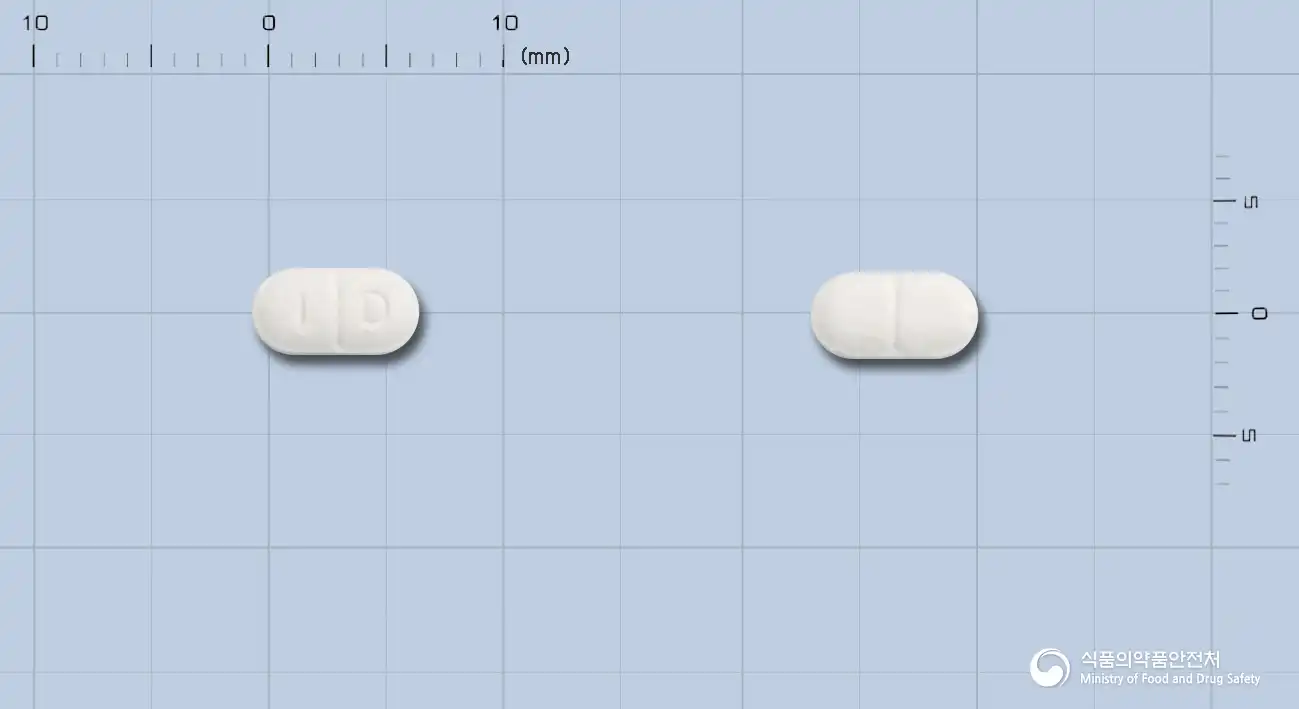
Perindopril Tert-Butylamine 4mg
Tablet · Prescription medication
Ildong Pharmaceutical Co., Ltd.
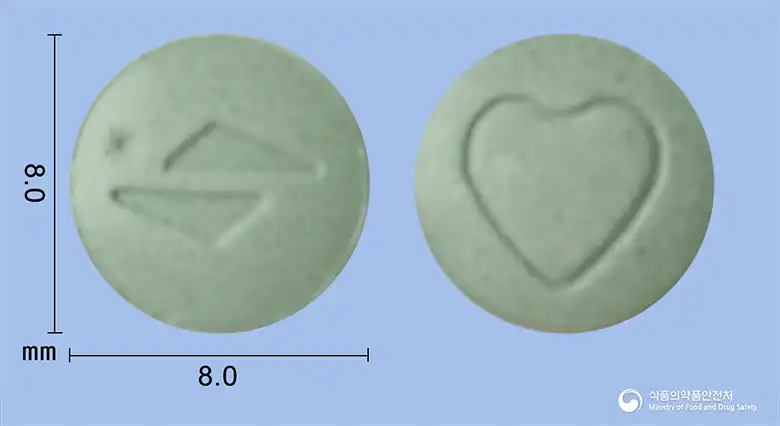
Perindopril Tert-Butylamine 8mg
Tablet · Prescription medication
Korea Servier Co., Ltd.
Even with the same ingredient, the dose and directions can differ by strength and dosage form. Talk to a doctor or pharmacist before switching from a medication you are already taking.
No questions yet.
For anything that needs medical judgment, consult a doctor or pharmacist.
This drug information is based on data provided by the Korea Ministry of Food and Drug Safety.
Consult a doctor or pharmacist for accurate dosage, administration, and usage instructions.