
 한국어
 English
 日本語
 中文(简体)
Dosage form image
Viewing nowTacrolimus Injection 5mg (Tacrolimus Hydrate)
Tacrolimus Hydrate 5.1mg
Prescription medication
Jonggeun Pharmaceutical Co., Ltd.
MFDS item code 200803380 · Notified 2008.03.27 · Insurance code 643304631
Prevention of rejection after kidney or liver transplantation, and prevention of bone marrow transplant rejection and graft-versus-host disease
This medication is used to prevent rejection reactions to transplanted tissues or organs in patients who have received kidney, liver, or bone marrow transplants. It is also effective in preventing graft-versus-host disease that can occur in bone marrow transplant patients. Therefore, this drug helps reduce rejection reactions in various organ and tissue transplant patients and improve transplant success rates.
1. Kidney transplantation Dilute 0.10 mg/kg of tacrolimus per dose in Normal Saline Injection or Dextrose Injection and administer by intravenous infusion over 24 hours. Switch to oral administration as soon as possible when oral administration becomes feasible. 2. Liver transplantation Dilute 0.05 mg/kg of tacrolimus per dose in Normal Saline Injection or Dextrose Injection and administer by intravenous infusion twice daily over 4~12 hours. Switch to oral administration as soon as possible when oral administration becomes feasible. 3. Bone marrow transplantation - Graft rejection and graft-versus-host disease following bone marrow transplantation: Starting 1 day before transplantation, dilute 0.03 mg/kg of tacrolimus per dose in Normal Saline Injection or Dextrose Injection and administer by intravenous infusion over 24 hours. Switch to oral administration as soon as possible when oral administration becomes feasible. - Graft-versus-host disease: When treatment is initiated after onset, dilute 0.10 mg/kg of tacrolimus per dose in Normal Saline Injection or Dextrose Injection and administer by intravenous infusion over 24 hours. Switch to oral administration as soon as possible when oral administration becomes feasible. Because individual patients may respond differently to this medicine, measure blood concentrations according to the patient's condition and adjust the dose based on the trough blood concentration to prevent adverse reactions associated with high blood concentrations, rejection associated with low blood concentrations, and the onset of graft-versus-host disease. Measure blood concentrations frequently, particularly immediately after transplantation or initiation of treatment.
This medication suppresses immune function, which may increase susceptibility to infections and the risk of developing malignancies such as lymphoma. Therefore, this drug should be used by specialists experienced in treating transplant patients, and patients should be continuously monitored at appropriate medical facilities. This drug may impose a burden on the kidneys, potentially leading to acute or chronic renal impairment, necessitating frequent monitoring of renal function and dose adjustments or discontinuation if needed. Additionally, hyperkalemia may frequently occur, thus potassium levels in the blood should be regularly checked, and it should not be used with potassium-sparing diuretics. This medication can affect the nervous system, manifesting as tremors, headaches, seizures, and changes in mental status; severe cases can lead to reversible posterior leukoencephalopathy syndrome, prompting immediate consultation with healthcare personnel upon symptom onset. Due to immune suppression, there is a heightened risk for latent viral infections and other infections, thus vigilance for infection symptoms is essential. Diabetes may develop or worsen while receiving this drug, so blood glucose levels should be checked regularly. Allergic reactions or anaphylaxis can occur rarely, necessitating observation of the patient's condition for at least 30 minutes after administration. This drug has many interactions with other drugs, especially those showing nephrotoxicity or affecting the CYP3A4 enzyme, requiring frequent monitoring of blood concentrations and renal function. During pregnancy, it may affect the fetus, so women of childbearing potential should use appropriate contraception, and pregnant or nursing women need to consult a physician. Special precautions are necessary for elderly patients, those with liver or kidney impairments, and patients with infections. Regular blood tests and physical examinations should be conducted during treatment to detect adverse reactions early and take appropriate action.
Blood pressure reduction, discomfort in the chest, dyspnea, myocardial impairment, decreased cardiac function, enlargement of cardiac chambers, ventricular wall hypertrophy, heart failure, ventricular and supraventricular arrhythmias, myocardial infarction, angina, pericardial effusion, QT interval prolongation, Torsades de pointes, acute renal failure, nephrotic syndrome, thrombotic microangiopathy, hemolytic uremic syndrome, thrombotic thrombocytopenic purpura, pancytopenia, thrombocytopenic purpura, pure red cell aplasia, agranulocytosis, hemolytic anemia, convulsions, intestinal obstruction, bacterial infections, viral infections, fungal infections, parasitic infections, BK virus nephropathy, JC virus PML, CMV infection, lymphoproliferative disorders, lymphoma, reversible posterior leukoencephalopathy syndrome, generalized convulsions, altered consciousness, confusion, language disorders, visual impairment, hemiplegia, cerebral infarction, cerebral hemorrhage, diabetes mellitus, worsening of diabetes, hyperglycemia, pancreatitis, mucocutaneous syndrome, Stevens-Johnson syndrome, dyspnea, acute respiratory distress syndrome, renal impairment, decreased urine output, hematuria, polyuria, increased urinary frequency, glycosuria, hypomagnesemia, acidosis, hypercholesterolemia, hyperphosphatemia, hypophosphatemia, hypertriglyceridemia, hyperchloremia, hypercalcemia, hypocalcemia, hyponatremia, hypokalemia, anemia, increased or decreased platelet count, leukopenia, leukocytosis, lymphocytopenia, pruritus, hair loss, erythema, rash, pain, redness, ocular pain, excessive sweating, thirst, tubular necrosis, hypertrophic cardiomyopathy, gynecomastia, vasodilation, ascites, asthma, fever, flushing, generalized malaise, menorrhagia, myalgia, arthralgia, taste disturbances, aplastic anemia, cerebral infarction, colitis, toxic epidermal necrolysis, glaucoma, ketosis, nystagmus, mania, meningitis, hyperventilation syndrome, thrombophlebitis, thrombosis, vasculitis, sensation of a foreign body in the throat, headache, tremors, insomnia, sensory abnormalities, dizziness, gastrointestinal disturbances, diarrhea, nausea, constipation, loss of appetite, vomiting, chest pain, urinary tract abnormalities, urinary infections, edema, increased blood pressure, tachycardia, palpitations, decreased blood pressure, bradycardia, ataxia, hallucinations, anxiety, delirium, paresthesia, eye twitching, limb rigidity, paralysis, drowsiness, clouding of consciousness, localized sensory loss, nonsensical speech, depression, agitation, sleep disturbances, restlessness, worry, confusion, euphoria, dreams, abnormal thoughts, loss of reflexes, emotional instability, excessive tension, disharmony, hypertrophic muscle cramping, neurosis, neurological disorders, psychosis, inability to think, forgetfulness, encephalopathy, hemorrhagic stroke, distal limb paralysis, nerve compression, irritability, neuralgia, flaccid paralysis, incomplete paralysis of the limbs, gait disturbance, aphasia, visual impairment, amblyopia, tinnitus, cataracts, photophobia, hearing loss, ear pain, otitis media, cholangitis, cholestatic jaundice, dyspepsia, flatulence, gastrointestinal bleeding, increased GGT, gastrointestinal perforation, hepatitis, increased appetite, jaundice, liver damage, oral candidiasis, dysphagia, esophagitis, gastritis, intestinal obstruction, abnormal liver function tests, rectal disorders, stomatitis, duodenitis, pneumoperitoneum, gastroesophageal reflux, gastrointestinal disorders, granulomatous hepatitis, ulcerative esophagitis, pancreatic pseudocyst, chest pain, abnormal ECG, bleeding, hypotension, angina, severe vascular venous inflammation, orthostatic hypotension, peripheral vascular disorders, arrhythmias, atrial fibrillation, bradycardia, heart flutter, cardiopulmonary failure, cardiovascular disorders, congestive heart failure, deep vein thrombosis, abnormal echocardiogram, abnormal ECG QRS complex, abnormal ECG ST complex, cardiac failure, increased heart rate, syncope, thrombosis, vasodilation, hematuria, renal failure, cystitis, dysuria, hydronephrosis, renal tubular necrosis, nocturia, pyuria, toxic kidney disease, acute renal function failure, proteinuria, BK nephropathy, bladder spasm, decreased urine output, urge incontinence, polyuria, urinary incontinence, urinary retention, vaginitis, acidosis, increased alkaline phosphatase, alkalosis, hyperbilirubinemia, non-healing, hyperlipidemia, hyperphosphatemia, hyperuricemia, hypocalcemia, hyponatremia, hypoproteinemia, increased AST, increased ALT, decreased bicarbonate, dehydration, hyperglycemia, hypoglycemia, increased lactate dehydrogenase, weight gain, increased BUN, edema, increased GGT, gout, hypervolemia, peripheral edema, diabetes mellitus, Cushing's syndrome, coagulation disorders, petechial hemorrhage, hypopigmented anemia, leukopenia, thrombocytopenia, erythrocytosis, decreased prothrombin, decreased plasma iron, increased hematocrit, abnormal hemoglobin, leukocytosis, arthralgia, generalized seizures, limb convulsions, myalgia, myasthenia, osteoporosis, joint diseases, asthma, bronchitis, increased cough, pulmonary diseases, pulmonary edema, pharyngitis, pneumonia, respiratory distress, rhinitis, sinusitis, voice changes, pneumothorax, pulmonary emphysema, myoclonic jerks, reduced pulmonary function, hair loss, herpes simplex, hypertrichosis, skin disorders, sweating, acne, fungal dermatitis, skin discoloration, skin ulcers, exfoliative dermatitis, shingles, benign skin neoplasms, abdominal enlargement, abscess, chills, hernia, peritonitis, photosensitivity reactions, allergic reactions, cellulitis, influenza-like illness, sepsis, abdominal pain, incidental injury, weakness, back pain, soft tissue infection, falling, abnormal sensation, perceived temperature change, optic neuropathy, febrile neutropenia, anaphylaxis
Not everyone experiences these, and they can vary from person to person.
This medication is sensitive to light and should be stored in a container that prevents light exposure. It is advisable to store it at room temperature between 1 degree and 30 degrees.
A viscous, colorless or light yellow transparent injection solution in a brown glass ampoule.
1 milliliter/ampoule x 10
Even with the same ingredient, strength, dosage form and how it is taken can differ.
Tacrolimus Hydrate 5.1mg
Prescription medication
Jonggeun Pharmaceutical Co., Ltd.
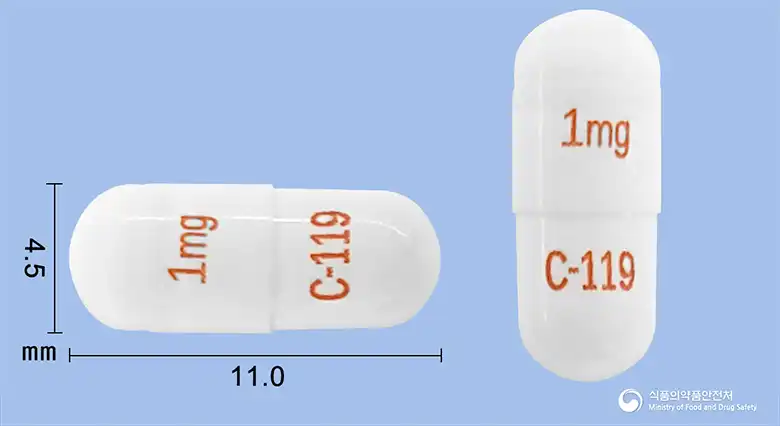
Tacrolimus Hydrate 1.02mg
Hard capsule · Prescription medication
Chongkundang Corporation
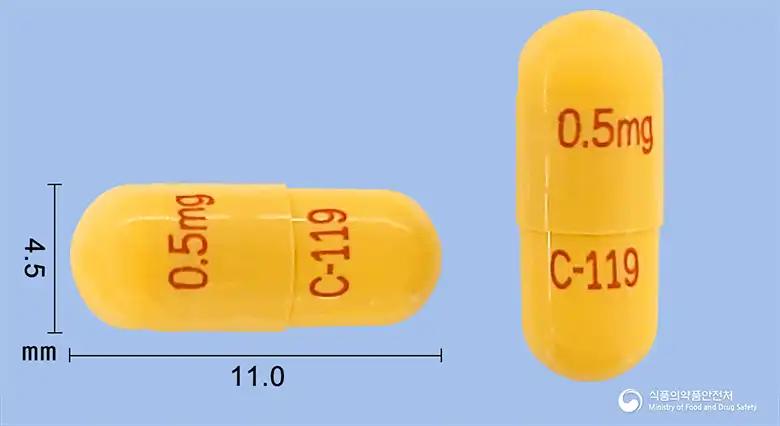 Combination
Tacrolimus Hydrate 0.51mg · Tacrolimus Hydrate 0.51mg
Hard capsule · Prescription medication · Combination
Chongkundang Corporation
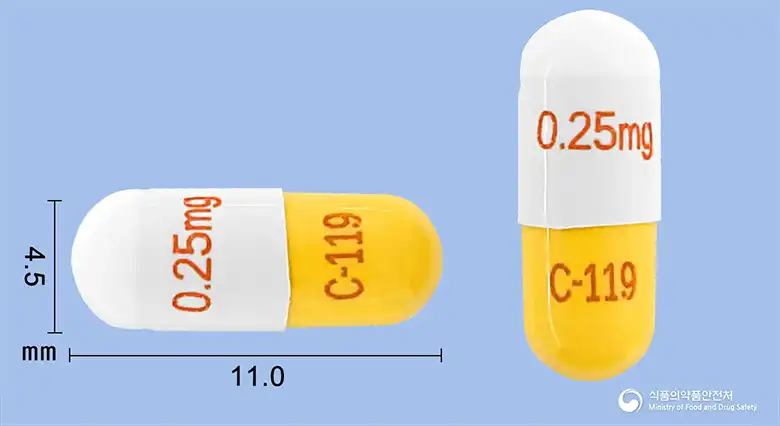
Tacrolimus Hydrate 0.255mg
Hard capsule · Prescription medication
Chongkundang Corporation
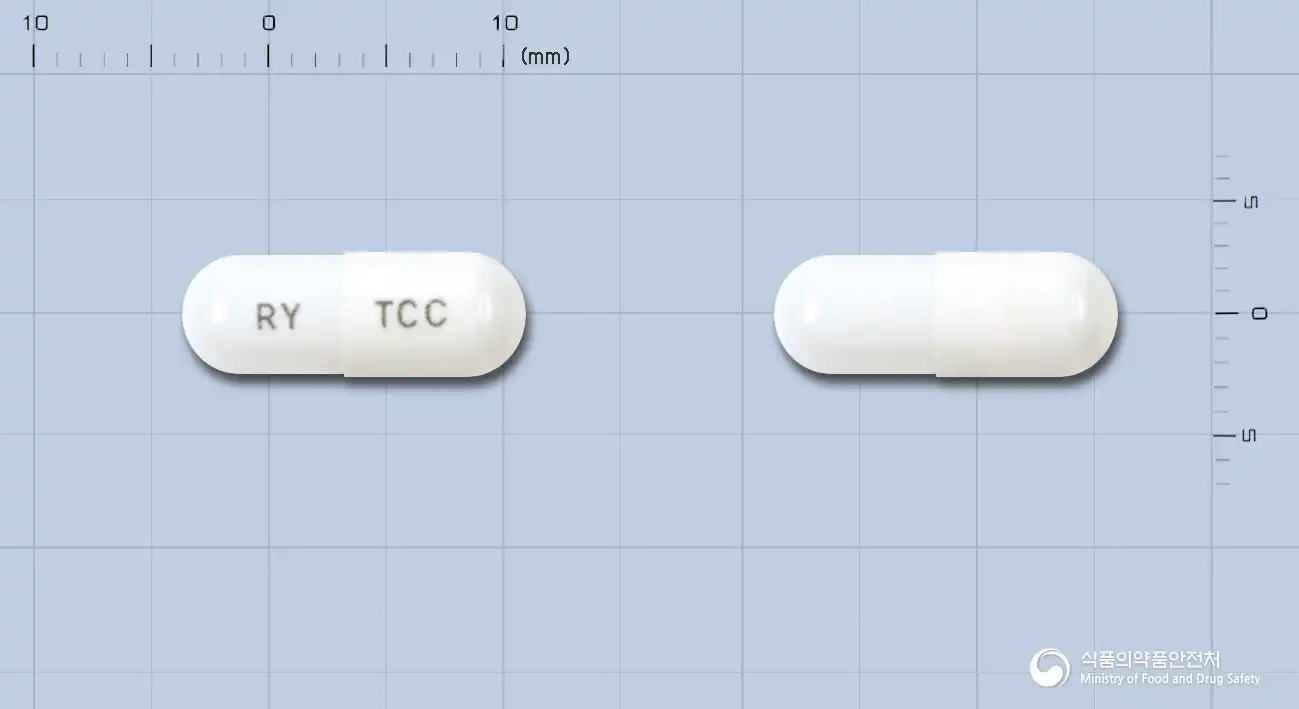
Tacrolimus Hydrate 1.02mg
Hard capsule · Prescription medication
Ilyun Pharmaceutical Co., Ltd.
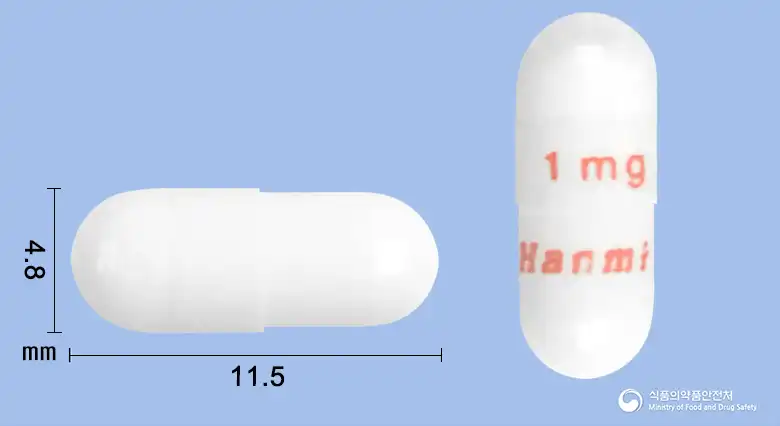
Tacrolimus Hydrate 1.02mg
Hard capsule · Prescription medication
Hanmi Pharmaceutical Co., Ltd.
Tacrolimus Hydrate 5.1mg
Prescription medication
Korea Astellas Pharma Co., Ltd.
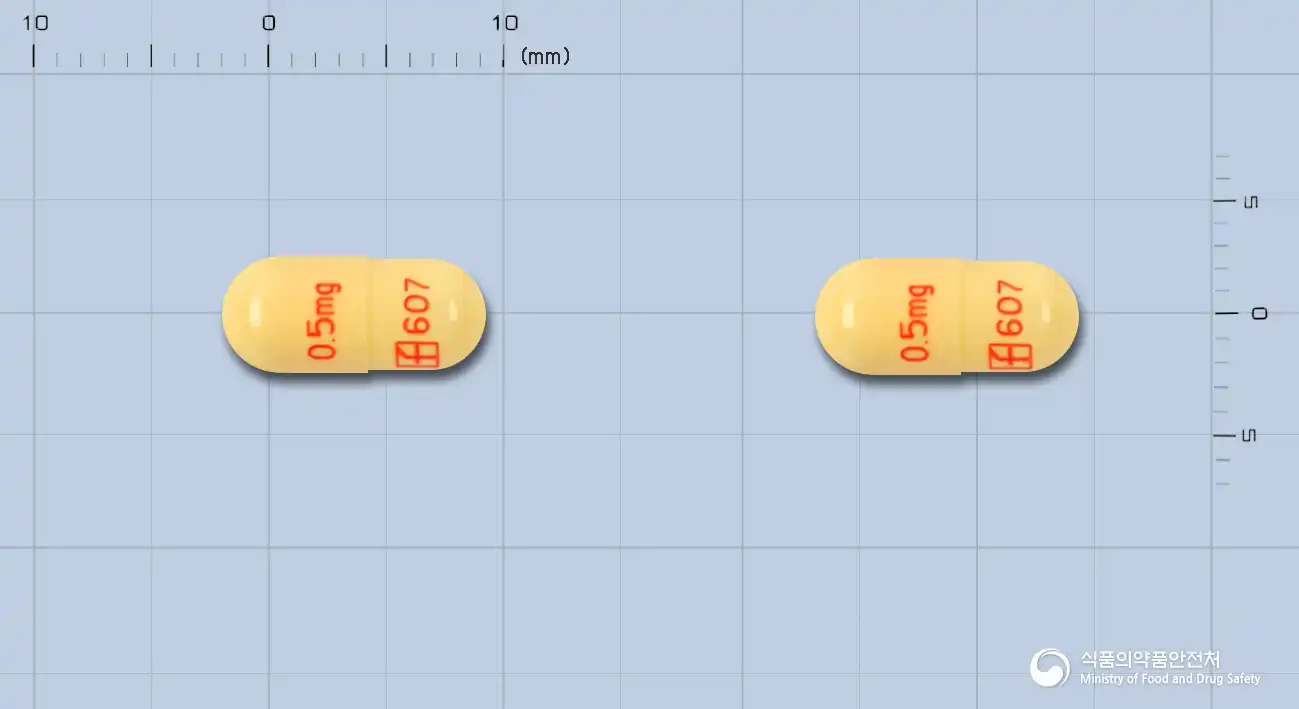
Tacrolimus Hydrate 0.51mg
Hard capsule · Prescription medication
Korea Astellas Pharma Co., Ltd.
Even with the same ingredient, the dose and directions can differ by strength and dosage form. Talk to a doctor or pharmacist before switching from a medication you are already taking.
No questions yet.
For anything that needs medical judgment, consult a doctor or pharmacist.
This drug information is based on data provided by the Korea Ministry of Food and Drug Safety.
Consult a doctor or pharmacist for accurate dosage, administration, and usage instructions.