
 한국어
한국어 English
 日本語
日本語 中文(简体)
Dosage form image
Viewing nowCombinationActosmet Tablets 15/850 Milligrams
Pioglitazone Hydrochloride 16.53mg · Metformin Hydrochloride 850mg
Tablet · Prescription medication · Combination
Celltrion Pharmaceutical Co., Ltd.
MFDS item code 200802021 · Approved 2008.02.21
This product's status changed to Approval withdrawn on 2025.03.19. It may no longer be sold, so consult a doctor or pharmacist before taking it.
Improvement of blood sugar control in type 2 diabetes
This medication is used as an adjunct to diet and exercise to help control blood sugar in patients with type 2 diabetes. By taking pioglitazone and metformin together, it effectively helps improve blood sugar levels. Thus, it is a suitable treatment for patients who require blood sugar management.
The doses of pioglitazone should not exceed 30mg and metformin should not exceed 2500mg based on effectiveness and tolerability, which should be individualized. Initial dosing should be based on the patient's current treatment regimen, starting with 1 tablet per day based on the current dose of metformin or pioglitazone in monotherapy. The dose should be gradually adjusted according to treatment response. Patients transitioning from combination therapy should start at their existing dosing levels.
This medication contains metformin and pioglitazone and is primarily used for the treatment of type 2 diabetes. Metformin is excreted by the kidneys, so regular kidney function tests are necessary, as there is a risk of a serious side effect called lactic acidosis in patients with impaired renal function. Lactic acidosis is a rare complication that occurs when lactic acid accumulates abnormally, with symptoms including fatigue, muscle pain, difficulty breathing, and abdominal pain; if any of these symptoms occur, consult a physician immediately. In patients with impaired liver function or those who consume alcohol excessively, the risk of lactic acidosis is increased, so caution is required. Pioglitazone can cause fluid retention, which may worsen heart failure; if symptoms of heart failure such as sudden weight gain, difficulty breathing, or edema occur, seek medical attention promptly. This medication should not be used in specific patient groups such as those with severe heart failure, severe renal impairment, or active bladder cancer. This medication should be administered cautiously to patients with irregular eating habits, those engaged in vigorous exercise, or those taking interacting medications, as there is a risk of hypoglycemia, requiring frequent monitoring of blood sugar levels. Also, it is not used for pregnant or breastfeeding women or pediatric patients, as safety has not been established. Regularly monitor blood sugar, kidney function, liver function, and hematological tests while taking this medication to detect and manage any abnormal signs early. In case of overdose, inform medical personnel immediately to receive appropriate supportive care; metformin can be removed by hemodialysis. Finally, if acute diseases, surgeries, or dehydration occur during treatment, temporarily discontinue use and consult with medical professionals.
Severe lactic acidosis, hypoglycemia, acute renal function deterioration, cardiopulmonary disease, sepsis, severe allergic reactions, congestive heart failure, worsening heart failure, cardiac adverse reactions, severe heart failure, liver failure, liver abnormalities (jaundice), severe edema, urinary disorders, bladder cancer, severe neurological symptoms, symptoms related to lactic acidosis (hyperventilation, muscle pain, fatigue, confusion), hypoglycemia, pulmonary embolism, cardiovascular collapse, acute myocardial infarction, hypoxia, pulmonary function impairment.
Not everyone experiences these, and they can vary from person to person.
This medication can be deteriorated by air or moisture, so it must be stored in a tightly closed container. It is best to maintain the storage temperature between 1 and 30 degrees Celsius.
White to grayish-white elongated convex film-coated tablets, with '15/850' on one side and '4833M' on the other side.
56 tablets (14 tablets/PTP packaging x 4)
Even with the same ingredient, strength, dosage form and how it is taken can differ.
Pioglitazone Hydrochloride 16.53mg · Metformin Hydrochloride 850mg
Tablet · Prescription medication · Combination
Celltrion Pharmaceutical Co., Ltd.
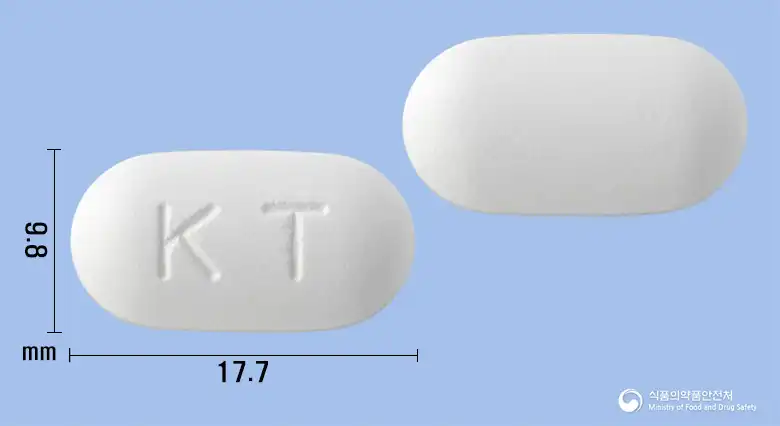 Combination
Metformin Hydrochloride 850mg · Pioglitazone Hydrochloride 16.53mg
Tablet · Prescription medication · Combination
Genewon Science Co., Ltd.
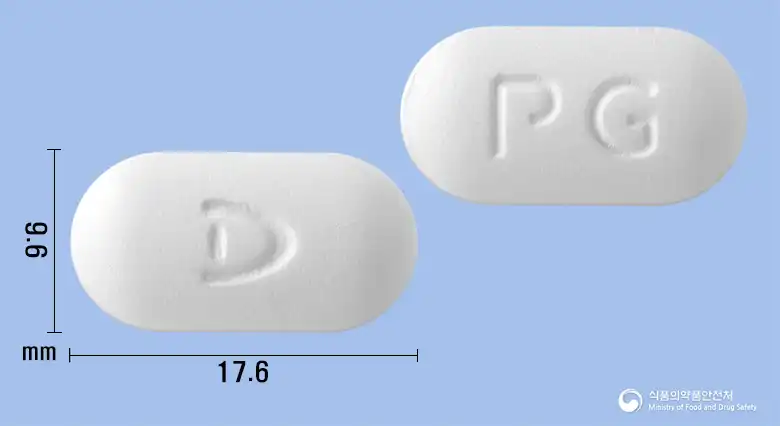 Combination
Metformin Hydrochloride 850mg · Pioglitazone Hydrochloride 16.53mg
Tablet · Prescription medication · Combination
Dalim Biotech Co., Ltd.
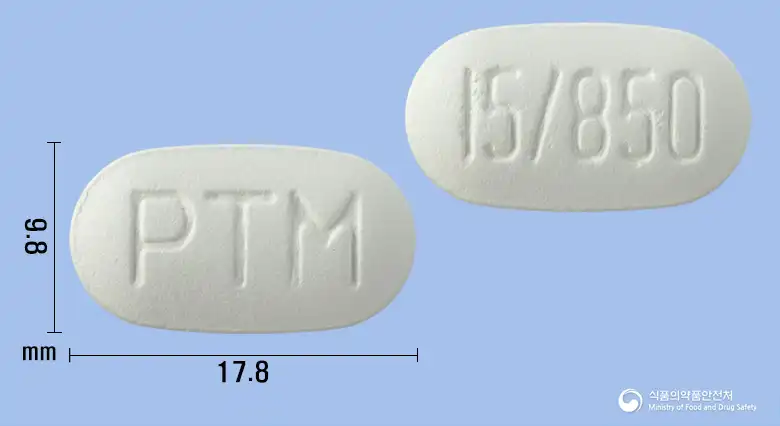 Combination
Pioglitazone Hydrochloride 16.53mg · Metformin Hydrochloride 850mg
Tablet · Prescription medication · Combination
Kyungdong Pharmaceutical Co., Ltd.
Metformin Hydrochloride · Pioglitazone Hydrochloride
Prescription medication · Combination
Nexpam Korea Co., Ltd.
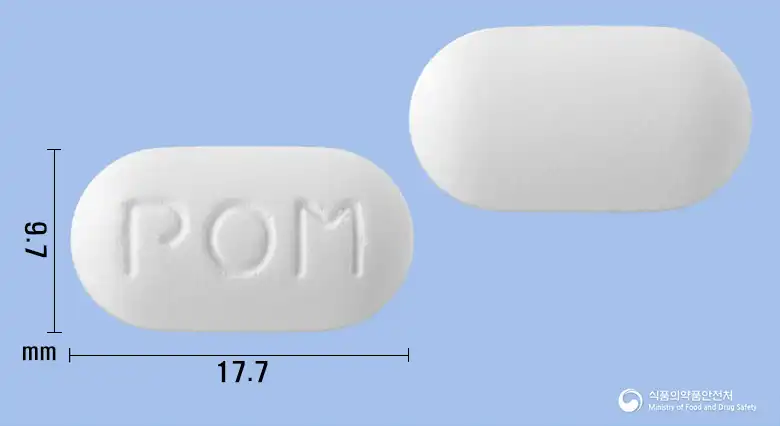 Combination
Pioglitazone Hydrochloride 16.53mg · Metformin Hydrochloride 850mg
Tablet · Prescription medication · Combination
Korea Prime Pharmaceutical Co., Ltd.
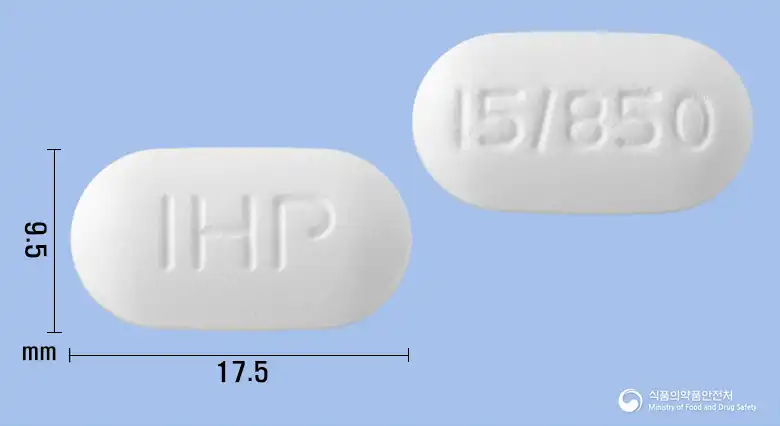 Combination
Metformin Hydrochloride 850mg · Pioglitazone Hydrochloride 16.53mg
Tablet · Prescription medication · Combination
Ilhwa Co., Ltd.
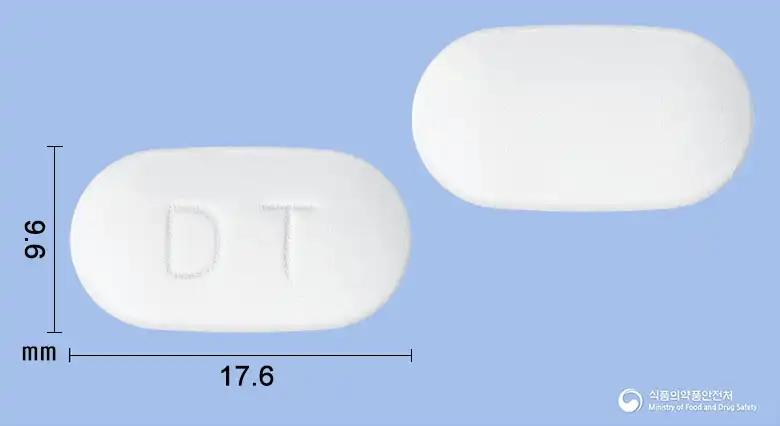 Combination
Pioglitazone Hydrochloride 16.53mg · Metformin Hydrochloride 850mg
Tablet · Prescription medication · Combination
Medica Korea Co., Ltd.
Even with the same ingredient, the dose and directions can differ by strength and dosage form. Talk to a doctor or pharmacist before switching from a medication you are already taking.
No questions yet.
For anything that needs medical judgment, consult a doctor or pharmacist.
This drug information is based on data provided by the Korea Ministry of Food and Drug Safety.
Consult a doctor or pharmacist for accurate dosage, administration, and usage instructions.