
 한국어
 English
 日本語
 中文(简体)
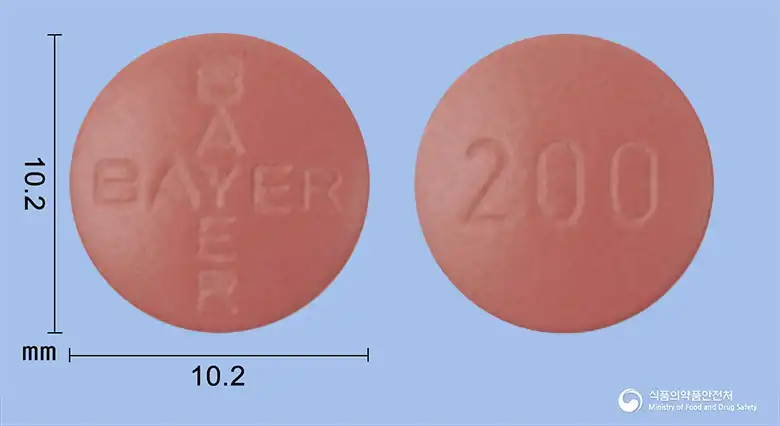 Viewing now
Nexavar 200 mg Tablets (Sorafenib Tosylate (Unformulated))
Sorafenib Tosylate Micronized 274mg
Tablet · Prescription medication
Bayer Korea Co., Ltd.
MFDS item code 200800233 · Approved 2008.01.07 · Insurance code 641104700
Treatment of hepatocellular carcinoma, advanced renal cell carcinoma, and radioactive iodine-refractory differentiated thyroid cancer
This medication is used for advanced renal cell carcinoma and hepatocellular carcinoma where previous cytokine treatment has failed or is not suitable, as well as for locally recurrent or metastatic progressive differentiated thyroid cancer that does not respond to radioactive iodine treatment.
The recommended dose is 400mg twice daily, taken on an empty stomach (at least 1 hour before a meal or 2 hours after a meal). Treatment with this medication should continue until the patient no longer derives clinical benefit or unacceptable toxicity occurs. Dose reductions for advanced renal cell carcinoma and hepatocellular carcinoma Temporary interruption or dose reduction of this medication may be necessary to manage suspected adverse reactions. If a dose reduction is necessary during treatment of advanced renal cell carcinoma and hepatocellular carcinoma, reduce the dose to 400mg once daily. If a further dose reduction is required, administer 400mg of this medication once every 2 days. Examples of recommended dose modifications for dermatologic toxicity in advanced renal cell carcinoma and hepatocellular carcinoma: Grade 1: Numbness, dysesthesia, paresthesia, tingling, painless swelling, erythema, or discomfort of the hands or feet that does not interfere with the patient's normal activities — All occurrences: Continue treatment with this medication and consider topical treatment for symptom relief. Grade 2: Painful erythema and swelling or discomfort of the hands or feet that affects the patient's normal activities — First occurrence: Continue treatment with this medication and consider topical treatment for symptom relief. If there is no improvement within 7 days, refer to the item below. No improvement within 7 days, or second or third occurrence: Interrupt treatment with this medication until the toxicity improves to Grade 0-1. When treatment is resumed, reduce the dose of this medication (400 mg once daily or 400 mg once every 2 days). Fourth occurrence: Discontinue treatment with this medication. Grade 3: Moist desquamation of the hands and feet, ulceration, severe pain, or severe discomfort that makes daily activities difficult — First or second occurrence: Interrupt treatment with this medication until the toxicity improves to Grade 0-1. When treatment is resumed, reduce the dose of this medication (400 mg once daily or 400 mg once every 2 days). Third occurrence: Discontinue treatment with this medication. Dose reductions for differentiated thyroid cancer Temporary interruption or dose reduction of this medication may be necessary to manage suspected adverse reactions. If a dose reduction is necessary during treatment of differentiated thyroid cancer, reduce the dose to 600mg daily (administer two 200mg tablets, followed by one 200mg tablet 12 hours later). If a further dose reduction is required, administer 400mg daily (200mg twice daily); if an additional reduction is subsequently necessary, administer 200mg of this medication once daily. The dose may be increased once nonhematologic adverse reactions improve. Examples of recommended dose modifications for dermatologic toxicity in differentiated thyroid cancer: Grade 1: Numbness, dysesthesia, paresthesia, tingling, painless swelling, erythema, or discomfort of the hands or feet that does not interfere with the patient's normal activities — All occurrences: Continue treatment with this medication and consider topical treatment for symptom relief. Grade 2: Painful erythema and swelling or discomfort of the hands or feet that affects the patient's normal activities — First occurrence: Initiate topical treatment immediately and reduce the dose of this medication to 600mg daily (400mg and 200mg 12 hours apart). If there is no improvement within 7 days, refer to the item below. No improvement within 7 days at the reduced dose, or second occurrence: Interrupt treatment with this medication until the toxicity improves to Grade 0-1. When treatment is resumed, reduce the dose of this medication by one dose level from the previous dose. Third occurrence: Interrupt treatment with this medication until the toxicity improves to Grade 0-1. When treatment is resumed, reduce the dose of this medication by one dose level from the previous dose. Fourth occurrence: Discontinue treatment with this medication. Grade 3: Moist desquamation of the hands and feet, ulceration, severe pain, or severe discomfort that makes daily activities difficult — First occurrence: Interrupt treatment with this medication until the toxicity improves to Grade 0-1. When treatment is resumed, reduce the dose of this medication by one dose level from the previous dose. Second occurrence: Interrupt treatment with this medication until the toxicity improves to Grade 0-1. When treatment is resumed, reduce the dose of this medication by one dose level from the previous dose. Third occurrence: Discontinue treatment with this medication. * For patients requiring dose adjustment due to Grade 2 or 3 dermatologic toxicity, the dose of this medication may be increased if the dermatologic toxicity improves to Grade 0-1 after at least 28 days of treatment at the reduced dose. No dose adjustment is necessary based on the patient's age, sex, or body weight. Patients with hepatic impairment No dose adjustment is necessary in patients with Child-Pugh A or B hepatic impairment. No clinical studies have been conducted in patients with Child-Pugh C hepatic impairment. Patients with renal impairment No dose adjustment is necessary in patients with mild or moderate renal impairment or severe renal impairment not requiring dialysis. No clinical studies have been conducted in patients undergoing dialysis. Monitoring of fluid balance and electrolytes is recommended in patients at risk of renal impairment.
This medication may be harmful to the fetus if administered during pregnancy, so women who may become pregnant should take precautions to avoid pregnancy during treatment. It is generally recommended not to use this medication during pregnancy, and if it must be used, a careful comparison of the risks to the fetus and the benefits of the medication should be made. It is also recommended to discontinue breastfeeding during the use of this medication. Patients allergic to the active ingredient or excipients should not take this medication. Common side effects may include diarrhea, fatigue, hair loss, skin rashes, and infections, and in severe cases, treatment may need to be discontinued. Particularly, blood pressure may increase the risk of hypertension and bleeding, so regular monitoring of blood pressure is necessary, and any abnormalities should be discussed with a healthcare provider immediately. This medication may affect liver and kidney functions, so patients with liver or kidney disease should use it under medical supervision. Patients with heart disease or a recent history of myocardial infarction must consult with a specialist before taking this medication. Additionally, this medication may interact with other drugs, so any other medications being taken must be disclosed to the healthcare provider. Regular checks such as ECGs or blood tests may be required during the use of this medication. There is no specific antidote for overdose, so if suspected, discontinue use immediately and visit a medical facility. The effects on driving or operating machinery are unclear, so caution is advised. Finally, it is safe to store this medication out of the reach of children and not to transfer it to other containers.
Diarrhea, fatigue, alopecia, infection, hand-foot skin reactions, rash, weight loss, flushing, itching, dry skin, loss of appetite, nausea, vomiting, constipation, liver dysfunction, abdominal pain, hypertension, bleeding, neuropathy (sensory), arthralgia, headache, dyspnea, fever, mucositis, stomatitis, hypocalcemia, increased ALT, increased AST, lymphocytopenia, leukopenia, neutropenia, anemia, thrombocytopenia, anaphylactic reaction, hypersensitivity reaction, angioedema, hypothyroidism, hyperthyroidism, hypophosphatemia, hypokalemia, hyponatremia, dehydration, tumor lysis syndrome, depression, taste disturbance, reversible posterior leukoencephalopathy syndrome, tinnitus, congestive heart failure, myocardial ischemia or infarction, QT prolongation, rhinitis, dysphonia, interstitial lung disease-like cases, oral mucositis, dyspepsia, dysphagia, gastroesophageal reflux disease, pancreatitis, gastritis, gastrointestinal perforation, elevated bilirubin levels and jaundice, cholecystitis, cholangitis, drug-induced hepatitis, keratinocyte carcinoma, squamous cell carcinoma of the skin, exfoliative dermatitis, acne, eczema, erythema multiforme, radiation recall dermatitis, Stevens-Johnson syndrome, leukocytoclastic vasculitis, toxic epidermal necrolysis, myalgia, muscle cramps, rhabdomyolysis, renal failure, proteinuria, nephrotic syndrome, erectile dysfunction, gynecomastia, asthenia, influenza-like illness, mucosal infection, weight loss, increased amylase, increased lipase, transient elevation of transaminases, transient elevation of alkaline phosphatase, abnormal INR, abnormal prothrombin, vesicular rash, pustular rash, skin ulcer, gait abnormality, postural instability, air trapping in the intestinal cavity, peritonitis, tongue disorders, tongue ulcer formation, caries, duodenal ulcer, hyperkalemia, exacerbation of hypertension, pleural effusion, splenic disorder, nocturia, testicular disorder, ascites, abdominal distension, abscess, liver failure, hepatic encephalopathy, ascites, hematemesis, esophageal variceal bleeding, aggravation of disease, abdominal bloating, pneumonia, melena, hepatorenal syndrome, deterioration of condition, death, pleural effusion, vomiting, liver cancer, rupture of liver cancer, hyperbilirubinemia, back pain, bacterial peritonitis, dyspnea, jaundice, hypoglycemia, hematochezia, hemoptysis, acute kidney failure, tumor pain, increased AST, musculoskeletal pain, cerebral infarction, cerebral hemorrhage, multiple organ failure, abdominal discomfort, anemia, epigastric pain, loss of appetite, septic shock, neutropenia, nausea, altered consciousness, muscular weakness, increased ALT, itching, hepatic coma, hepatocellular jaundice, liver rupture, health deterioration, hyperkalemia, malaise, myalgia, acute cholecystitis, acute respiratory distress syndrome, cough, cholangitis, biliary tract disorder, herpes zoster, urticaria, peripheral edema, neck/shoulder pain, febrile neutropenia, constipation, leukopenia, limb pain, progression of neoplasm, progression of malignant neoplasm, dizziness, flank pain, hyponatremia, confusion, sepsis, pulmonary metastasis, hematobilia, respiratory failure, urinary tract infection, tumor bleeding, epistaxis, perianal abscess, anal pain, ischemic colitis, hemoperitoneum, low hemoglobin levels, thrombocytopenia, hematochezia, thrombosis, increased serum potassium, neutropenia, respiratory arrest, pleuritic pain, chest pain, dysuria, chills, confusion, discomfort in the chest, nasopharyngitis, allergic dermatitis, tremor, altered consciousness, hematuria, increased alkaline phosphatase, urinary retention, multiple organ failure, polyuria, hemorrhoids, septic shock, pulmonary tuberculosis, hair color change, decreased TSH, dry eyes, convulsion, hypercholesterolemia, increased bone density, acute pyelonephritis, memory disturbance, road traffic accident, stuttering, non-cardiac chest pain, facial spasm, benign prostatic hyperplasia, disorientation, vasculitis, increased hepatitis B DNA, phlegm disease, bad breath, monoplegia, gallstones, adrenal cortical dysfunction, urinary abnormalities, discomfort in nails and toes, paronychia, nail disorders, hydronephrosis, tongue ulcer formation, purpura, azotemia, hearing loss, dental discomfort, pulmonary embolism, anal injury, tongue anesthesia, tongue discoloration, eosinophilia
Not everyone experiences these, and they can vary from person to person.
This medication should be kept in a tightly closed container to prevent exposure to air or moisture. The appropriate storage temperature is a cool place between 1°C and 25°C.
Red round film-coated tablets
60 tablets (10/PTP X 6)
Even with the same ingredient, strength, dosage form and how it is taken can differ.
Viewing nowSorafenib Tosylate Micronized 274mg
Tablet · Prescription medication
Bayer Korea Co., Ltd.
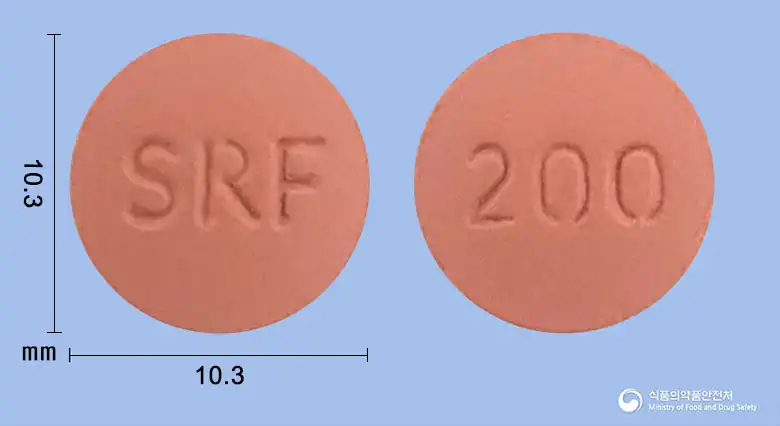
Sorafenib Tosylate Micronized 274mg
Tablet · Prescription medication
Hanmi Pharmaceutical Co., Ltd.
Even with the same ingredient, the dose and directions can differ by strength and dosage form. Talk to a doctor or pharmacist before switching from a medication you are already taking.
No questions yet.
For anything that needs medical judgment, consult a doctor or pharmacist.
This drug information is based on data provided by the Korea Ministry of Food and Drug Safety.
Consult a doctor or pharmacist for accurate dosage, administration, and usage instructions.