
 한국어
 English
 日本語
 中文(简体)
 Viewing nowCombination
Painless Tablets
Tramadol Hydrochloride 37.5mg · Acetaminophen 325mg
Tablet · Prescription medication · Combination
Genewon Science Co., Ltd.
MFDS item code 200712868 · Notified 2007.11.27 · Insurance code 671702200
Relief of moderate to severe acute and chronic pain
This medication is used to relieve acute and chronic pain ranging from moderate to severe.
Elderly patients Administer the usual adult dose. However, because the elimination half-life of tramadol increased by 17% when administered orally to patients 75 years of age and older, administer this medicine at intervals of at least 6 hours. Patients with renal impairment For patients with moderate renal impairment (creatinine clearance 10-30ml/min), extend the dosing interval to 12 hours. Use is not recommended in patients with severe renal impairment (creatinine clearance less than 10ml/min). Because tramadol is removed very slowly during hemodialysis and filtration, readministration of this medicine is not necessary to maintain analgesia after dialysis. Patients with hepatic impairment Carefully consider extending the dosing interval in patients with moderate hepatic impairment. Do not administer this medicine to patients with severe hepatic impairment.
Children 12 years of age and older: The dose should be adjusted according to the patient's pain severity and response to treatment. An initial dose of 2 tablets is recommended. Thereafter, leave an interval of at least 6 hours between doses and do not exceed 8 tablets per day.
This medication may put a strain on the liver, so individuals who regularly consume more than three glasses of alcohol daily should consult a doctor or pharmacist before taking it. This medication can rarely cause serious skin reactions; hence, if a skin rash or allergic symptoms occur, discontinue use immediately and inform healthcare personnel. The ingredients in this medication may increase the risk of seizures; therefore, patients with a history of seizures or seizure risk factors should exercise caution when taking it. Serious allergic reactions may rarely occur while taking this medication; if symptoms arise, immediate medical attention is required. Patients with acute and severe asthma may experience difficulty breathing when taking this medication; therefore, special caution is advised and it should be taken in a medically equipped environment. Taking this medication with alcohol or central nervous system depressants may cause severe drowsiness, respiratory depression, and coma; thus, co-administration should be avoided. Patients with head injuries or brain diseases may experience worsening symptoms due to respiratory depression and increased intracranial pressure while taking this medication, so caution is necessary. This medication can cause psychological and physical dependence; thus, it should be used according to a doctor's instructions when taken for extended periods. Patients with impaired liver function should always consult a doctor before taking this medication, and care should be taken not to take it with other acetaminophen products. For patients with specific genotypes, the metabolism of this medication may accelerate, increasing the risk of respiratory depression; thus, special monitoring is required. This medication should not be administered to children under 12 years or adolescents under 18 years who have undergone specific surgeries, and adolescents between 12 to 18 years should also be administered with caution. This medication may cause sleep apnea and hypoxia; thus, ongoing monitoring of symptoms during use is essential. Elderly patients or those at risk of hyponatremia should carefully observe for symptoms of hyponatremia while taking this medication. This medication can interact with specific drugs; therefore, inform your doctor or pharmacist of any other medications you are taking. Pregnant or breastfeeding women must consult a doctor before taking this medication, and it is safer not to take this medication while breastfeeding. This medication can cause drowsiness or dizziness; thus, caution is advised when driving or operating machinery. In case of overdose, serious respiratory depression, seizures, liver damage, etc., may occur; therefore, adhere to the prescribed dosage and contact a medical institution immediately in case of an overdose.
Liver damage, acute generalized exanthematous pustulosis, Stevens-Johnson syndrome, toxic epidermal necrolysis, seizures, anaphylactic reactions, respiratory depression, deep sedation, coma, fatal respiratory suppression, hyponatremia, loss of appetite, insomnia, depression, dizziness, headache, drowsiness, nausea, vomiting, constipation, dry mouth, diarrhea, dyspepsia, abdominal pain, abdominal discomfort, flatulence, pruritus, sweating, rash, fatigue, flushing, urticaria, hypersensitivity, hypoglycemia, anxiety, irritability, emotional instability, euphoria, decreased libido, sleep disturbances, confusion, disorientation, agitation, abnormal dreams, drug abuse, hallucinations, withdrawal syndrome, migraine, hypersomnia, sensory loss, tremors, paresthesia, attention deficit, syncope, memory disturbance, psychomotor hyperactivity, sedation, amnesia, perceptual disturbances, convulsions, blurred vision, visual impairment, miosis, dizziness, tinnitus, ear discomfort, palpitations, tachycardia, hypertension, hypotension, dyspnea, dry throat, increased liver enzymes, generalized pruritus, diaphoresis, dysuria, erectile dysfunction, weakness, chest pain, emotional abnormalities, chills, chest discomfort, lethargy, drug withdrawal syndrome, thirst, irritability, warmth sensation, weight loss, increased serum creatinine, anaphylactic reaction, Stevens-Johnson syndrome, toxic epidermal necrolysis, impact on unstable emotions, delirium, suicidal ideation, hypertonia, movement disorders, serotonin syndrome, speech disorders, mydriasis, orthostatic hypotension, hepatitis, gait disorders, prolonged prothrombin time, fixed rash, weakness, fever, edema, rigidity, syncope, congestive heart failure, vertigo, confusion, exacerbation of migraine, involuntary muscle contractions, respiratory distress, cough, bronchitis, urinary retention, polyuria, renal function abnormalities, oliguria, increased sweating, dysphagia, tongue swelling, increased salivation, progression of rectal cancer, progression of esophageal cancer, progression of gastric cancer, paralytic intestinal obstruction, hiccups, cholecystitis, depersonalization, anemia, decreased hemoglobin, decreased red blood cells, increased white blood cells, decreased platelets, arrhythmia, exacerbation of hypertension, aortic stenosis, bleeding, increased cholesterol, hip pain, thigh pain, allergic rhinitis, nasal bleeding, abnormal vision, progression of biliary cancer, foreign body sensation in the eyes, progression of liver cancer, liver function abnormalities, nausea, dizziness, paralytic intestinal obstruction, cholecystitis, renal function abnormalities, increased salivation, bleeding, nausea, dizziness, dyspnea, confusion, migraine, speech disorders, loss of consciousness, recurrence of myocardial infarction, hypotension, dyspepsia, confusion, multiple organ failure, anaphylaxis, intentional overdose, belching, chest discomfort
Not everyone experiences these, and they can vary from person to person.
This medication should be stored in a tightly sealed container to prevent air exposure, and it is recommended to keep it at room temperature between 1 and 30 degrees Celsius. Storing it this way will help maintain the medication's efficacy for a longer period.
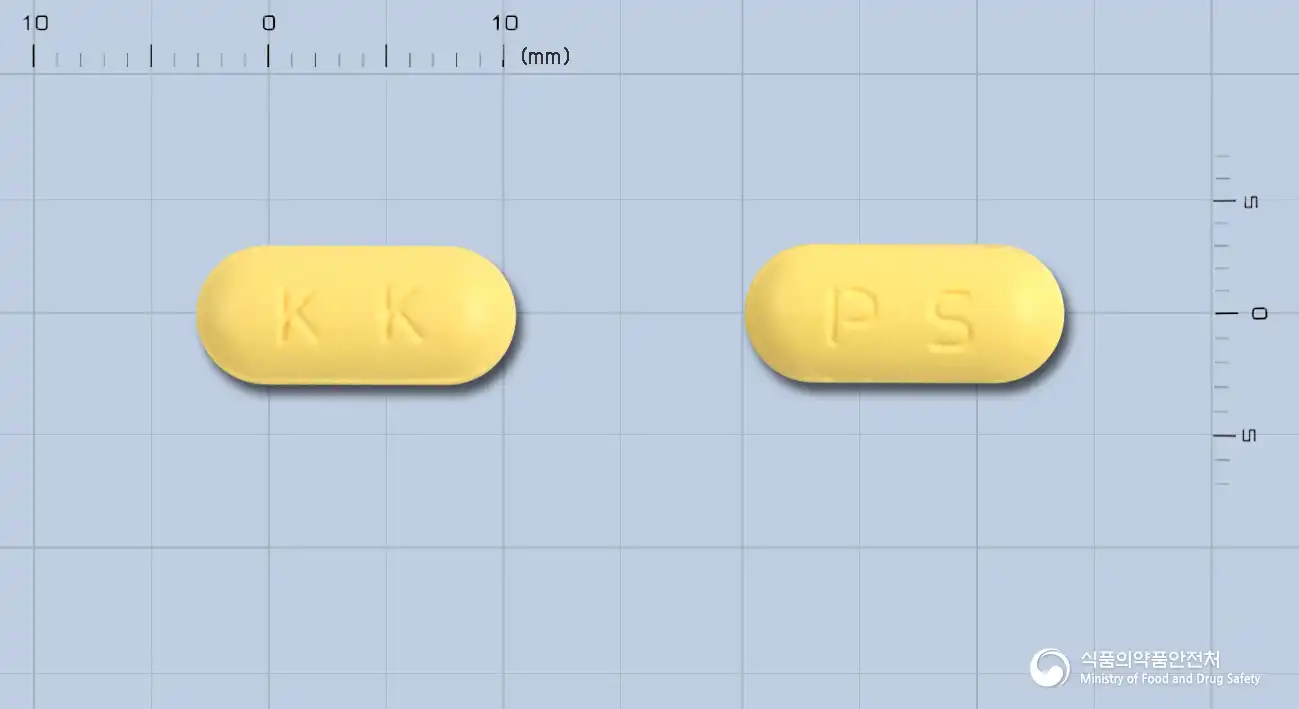
Light yellow rectangular film-coated tablets
30 tablets/bottle, 500 tablets/bottle
Even with the same ingredient, strength, dosage form and how it is taken can differ.
Viewing nowCombinationTramadol Hydrochloride 37.5mg · Acetaminophen 325mg
Tablet · Prescription medication · Combination
Genewon Science Co., Ltd.
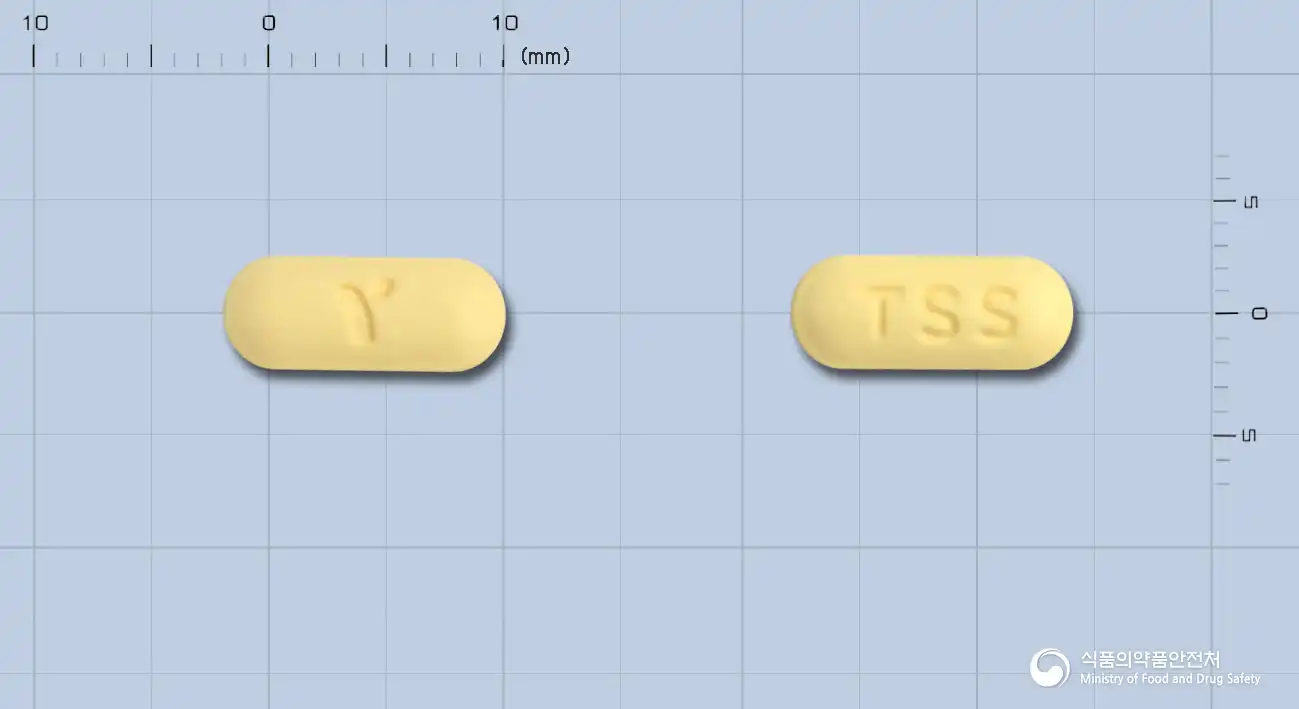 Combination
Acetaminophen 162.5mg · Tramadol Hydrochloride 18.75mg
Tablet · Prescription medication · Combination
Yuyoung Pharmaceutical Co., Ltd.
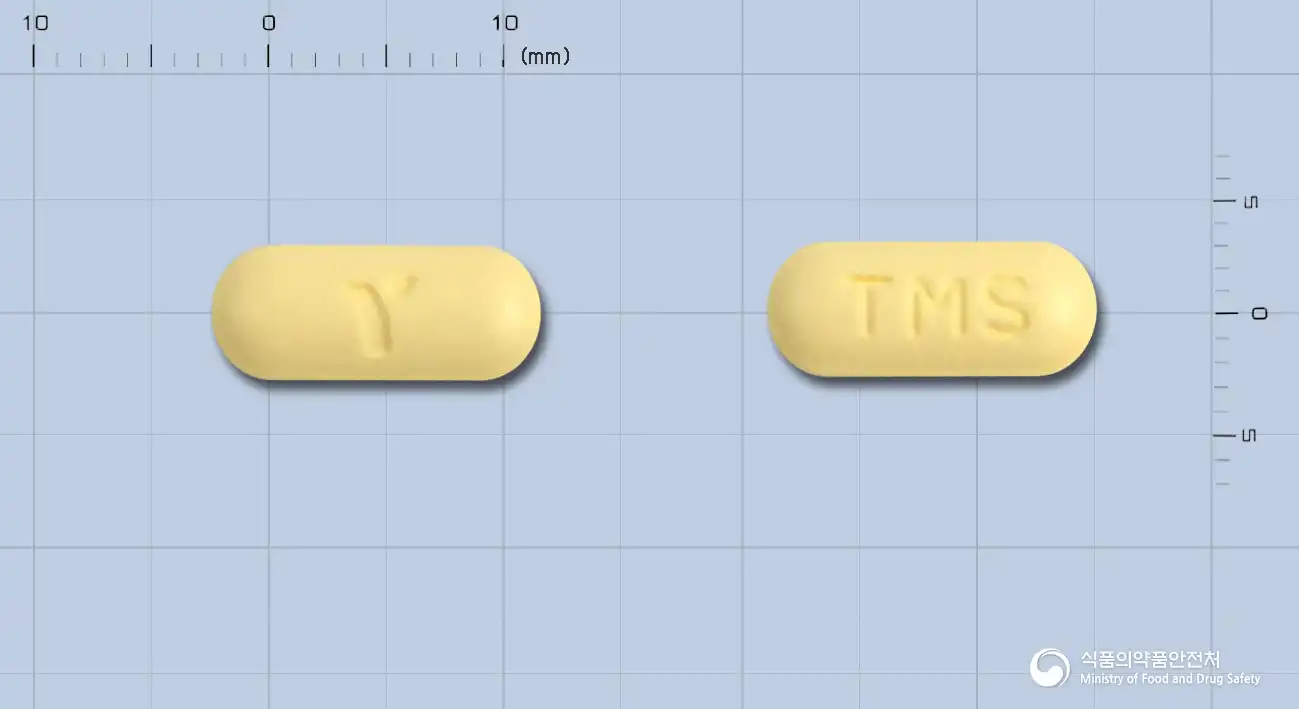 Combination
Acetaminophen 325mg · Tramadol Hydrochloride 37.5mg
Tablet · Prescription medication · Combination
Youyoung Pharmaceutical Co., Ltd.
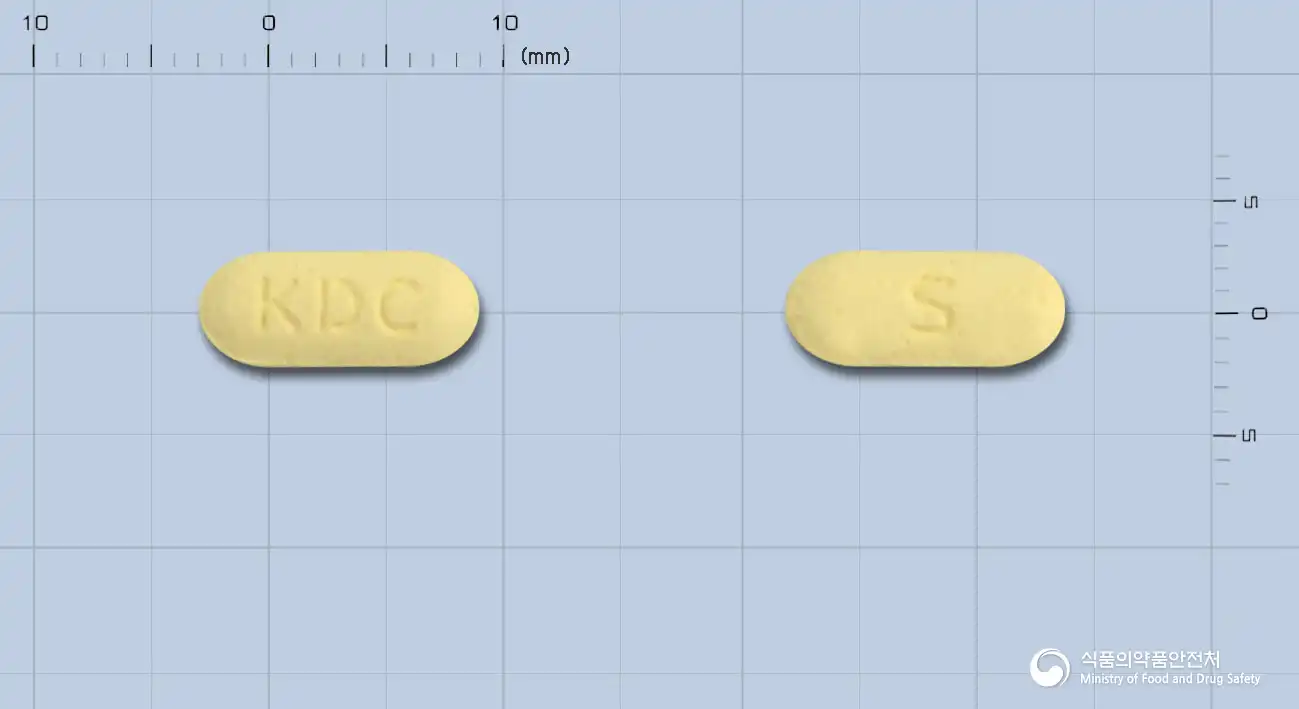 Combination
Tramadol Hydrochloride 18.75mg · Acetaminophen 162.5mg
Tablet · Prescription medication · Combination
Korea Pharmaceutical Co., Ltd.
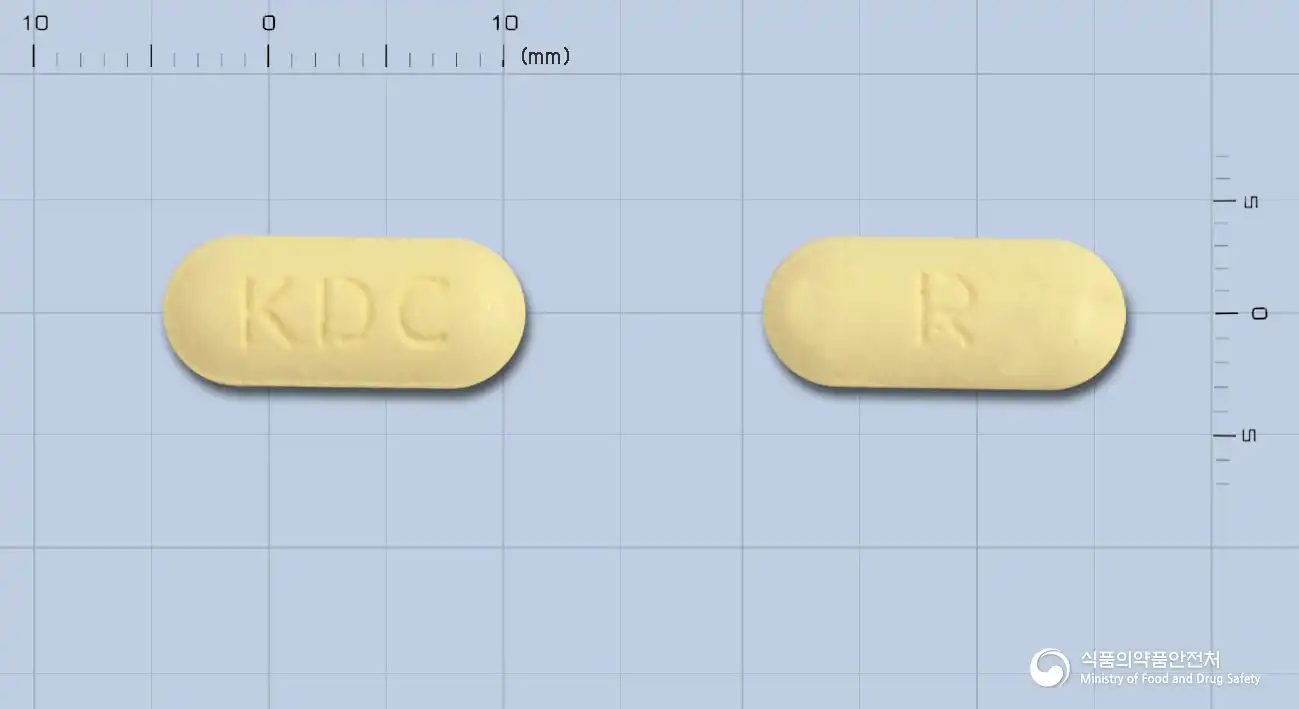 Combination
Tramadol Hydrochloride 37.5mg · Acetaminophen 325mg
Tablet · Prescription medication · Combination
Korea United Pharmaceutical Co., Ltd.
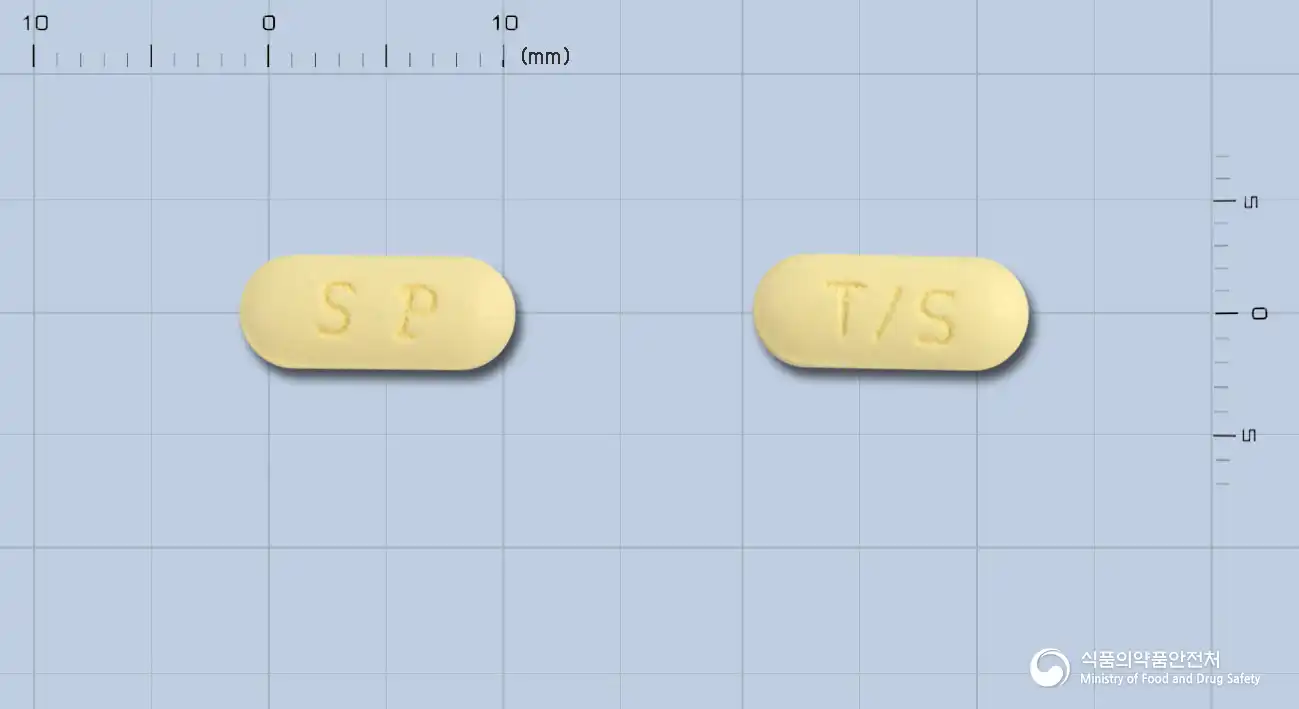 Combination
Acetaminophen 162.5mg · Tramadol Hydrochloride 18.75mg
Tablet · Prescription medication · Combination
Shinpoong Pharmaceutical Co., Ltd.
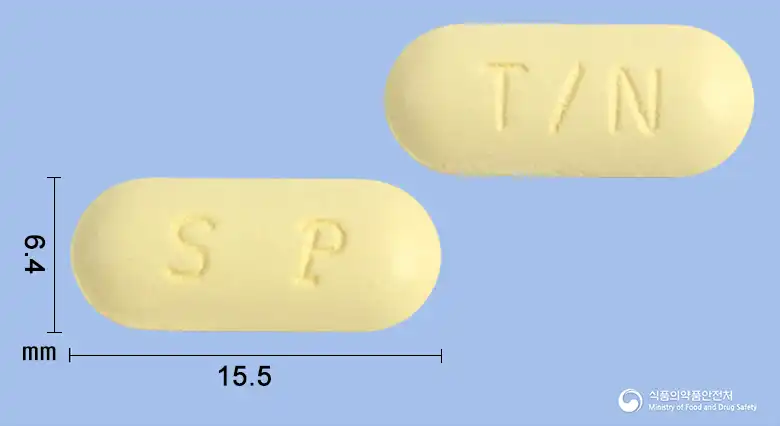 Combination
Acetaminophen 325mg · Tramadol Hydrochloride 37.5mg
Tablet · Prescription medication · Combination
Sinphong Pharmaceutical Co., Ltd.
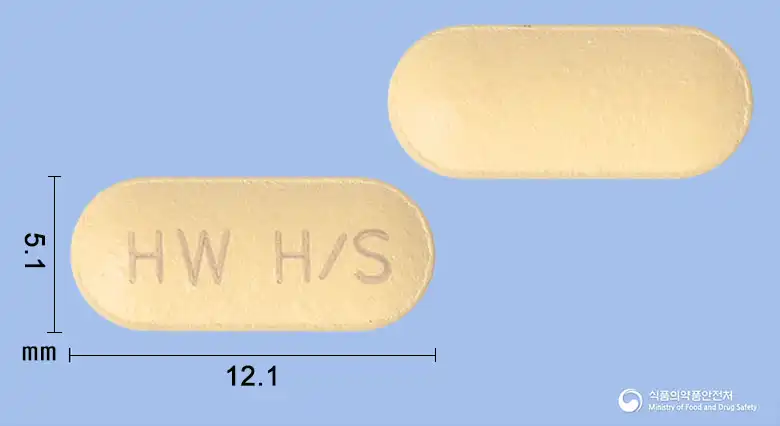 Combination
Acetaminophen 162.5mg · Tramadol Hydrochloride 18.75mg
Tablet · Prescription medication · Combination
Albozen Korea Co., Ltd.
Even with the same ingredient, the dose and directions can differ by strength and dosage form. Talk to a doctor or pharmacist before switching from a medication you are already taking.
No questions yet.
For anything that needs medical judgment, consult a doctor or pharmacist.
This drug information is based on data provided by the Korea Ministry of Food and Drug Safety.
Consult a doctor or pharmacist for accurate dosage, administration, and usage instructions.