
 한국어
 English
 日本語
 中文(简体)
 Viewing now
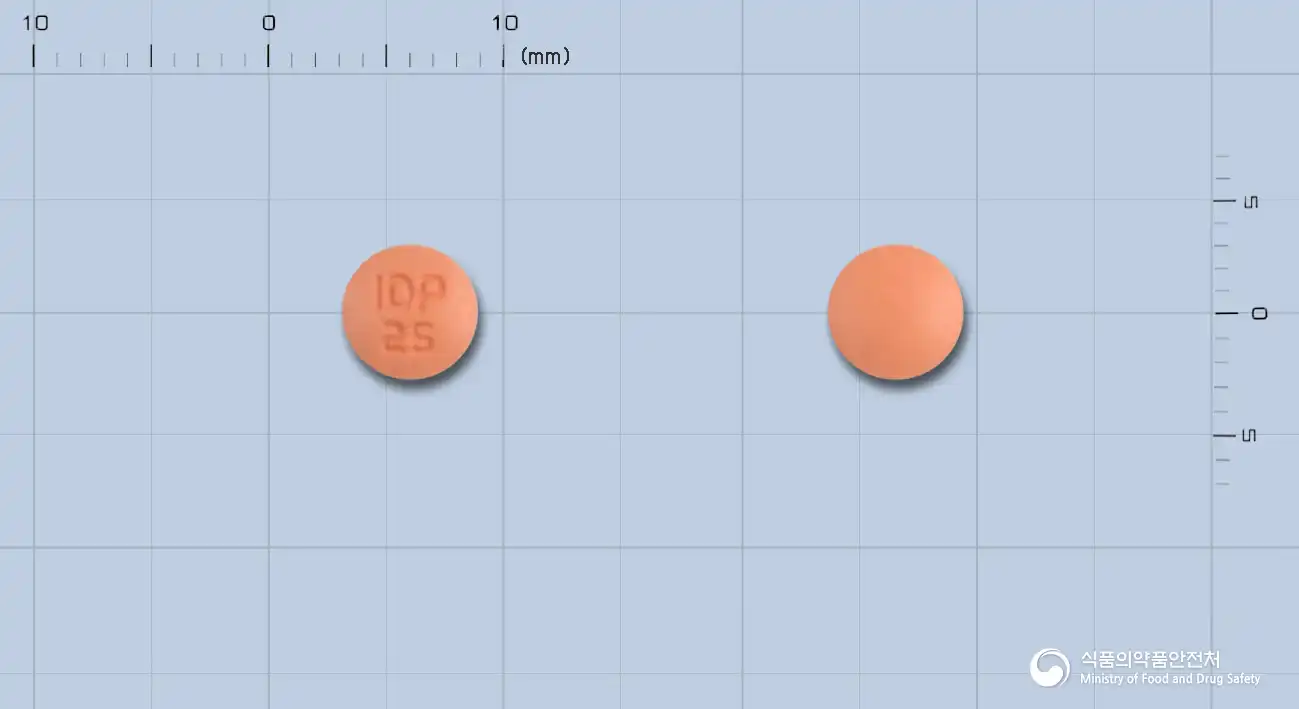
Quetiapine Tablets 25 mg (Quetiapine Fumarate)
Quetiapine Fumarate 28.78mg
Tablet · Prescription medication
IlDONG Pharmaceutical Co., Ltd.
MFDS item code 200712253 · Notified 2007.11.09 · Insurance code 642902670
Treatment of schizophrenia; treatment and prevention of recurrence of bipolar disorder (manic and depressive episodes)
This medication helps manage symptoms in patients with schizophrenia and is effective for the acute treatment of mania or depressive episodes in bipolar disorder type I. It is also used to prevent recurrence in patients who have responded to treatment for mania, mixed, or depressive episodes. Therefore, it helps improve symptoms related to schizophrenia and bipolar disorder.
Schizophrenia Adults: Take this medicine twice daily, regardless of meals. The total daily dose for the first 4 days is 50 mg on day 1, 100 mg on day 2, 200 mg on day 3, and 300 mg on day 4. From day 4 onward, adjust to the usual effective daily dose of 300~400 mg. The dose may be adjusted within 150~750 mg/day according to each patient's clinical response and tolerability. Maintenance therapy has not been evaluated in adult patients with schizophrenia. Patients should be reassessed regularly to determine the need for maintenance therapy. Acute treatment of manic episodes associated with bipolar I disorder Adults: Take this medicine twice daily, regardless of meals. Whether used as monotherapy or as adjunctive therapy with a mood stabilizer (lithium or valproate), the total daily dose for the first 4 days is 100 mg on day 1, 200 mg on day 2, 300 mg on day 3, and 400 mg on day 4. The total daily dose may be increased to 800 mg by day 6, in increments of no more than 200 mg per day. The dose may be adjusted within 200~800 mg/day according to each patient's clinical response and tolerability; the usual effective daily dose is 400~800 mg. Treatment of depression associated with bipolar disorder Adults: Take this medicine once daily at bedtime, regardless of meals. The total daily dose for the first 4 days should reach 50 mg on day 1, 100 mg on day 2, 200 mg on day 3, and 300 mg on day 4. In confirmatory clinical trials of this medicine, doses of 50 mg on day 1, 100 mg on day 2, 200 mg on day 3, 300 mg on day 4, 400 mg on day 5, and up to 600 mg on day 8 were administered. The recommended daily dose is 300 mg. Antidepressant effects were observed with both 300 mg and 600 mg, but there was no additional benefit at 600 mg. Increases above 300 mg should be initiated by a physician experienced in treating bipolar disorder. In patients who tolerate the medicine, dose reduction to a minimum of 200 mg is known to be possible based on clinical trials. Prevention of recurrence of bipolar disorder Adults: To prevent recurrence of manic, mixed, or depressive episodes associated with bipolar disorder, patients who responded to quetiapine for acute treatment of bipolar disorder should continue on the same dose. The twice-daily dose may be adjusted within 300~800 mg/day according to clinical response and each patient's tolerability. It is important to use the lowest effective dose for maintenance therapy. Older adults As with other antipsychotics, this medicine should be administered with caution to older adults, particularly when starting treatment. Start older patients at 25 mg/day and gradually increase by 25~50 mg per day. The effective dose in older adults may be lower than that in younger patients. Patients with renal or hepatic impairment Oral clearance of quetiapine is reduced by approximately 25% in patients with renal or hepatic impairment. As quetiapine is mainly metabolized in the liver, administer with caution to patients with known hepatic impairment. Start patients with renal or hepatic impairment at 25 mg/day and gradually increase by 25~50 mg per day to the effective dose.
The safety and efficacy in children and adolescents have not been established.
This drug is used for the treatment of various psychiatric disorders, including schizophrenia, bipolar disorder, and major depressive disorder. There may be an increased risk of suicidal thoughts or behavior while taking this medication; therefore, special caution and ongoing monitoring by a healthcare provider are necessary, especially for children, adolescents, and young adults. Patients with diabetes or blood glucose control issues may experience elevated blood sugar levels while taking this medication, so regular monitoring of blood glucose and attention to abnormal symptoms is essential. This medication can cause serious side effects known as neuroleptic malignant syndrome, including severe muscle rigidity, high fever, and changes in mental state; if these symptoms occur, notify healthcare professionals immediately. Long-term use can lead to tardive dyskinesia, which manifests as involuntary movements of the face or body, so if unusual movements are observed, consult a doctor. In elderly patients with dementia, administration of this medication may increase the risk of death, so use with great caution is necessary. This medication can cause severe neutropenia or agranulocytosis, resulting in a rapid decrease in the white blood cell count, so regular blood tests to monitor immune status are required during treatment. Patients with cerebrovascular diseases or cardiovascular diseases may have an increased risk of stroke when taking this medication, so it should be used with caution. Due to the risk of thrombosis, patients with risk factors for thromboembolism should receive careful monitoring and preventive measures before and after taking this medication. This medication can cause orthostatic hypotension, leading to dizziness or fainting, so caution is especially needed when starting or increasing the dosage. Severe skin allergic reactions, such as Stevens-Johnson syndrome and toxic epidermal necrolysis, may occur; any symptoms such as rash or fever should prompt immediate discontinuation and consultation with a doctor. This medication should not be used in patients with allergies to specific ingredients, those in a coma, patients taking central nervous system depressants such as barbiturates, those receiving epinephrine, diabetic patients, and those with lactose intolerance. Patients with impaired liver function, cardiovascular disease, the elderly, pregnant or breastfeeding women, and those with risk factors such as a family history of diabetes or obesity should use this medication with caution and should be closely monitored. During use, common side effects such as drowsiness, dizziness, dry mouth, constipation, weight gain, etc., may occur; in severe cases, consult a doctor. Sudden discontinuation of this medication can lead to withdrawal symptoms or worsening of psychiatric symptoms, so any discontinuation should be done gradually according to a doctor's instructions. Caution is required during driving or operating dangerous machinery, as drowsiness or decreased attention may occur. Combining this medication with other central nervous system depressants or alcohol can exacerbate side effects, so it's advisable to avoid such combinations or consult a doctor. Pregnant or nursing women should consult a doctor before taking this medication, as it may affect the fetus or newborn; avoiding this medication during breastfeeding is recommended. In the case of overdose, severe drowsiness, hypotension, tachycardia, etc., may occur, necessitating immediate medical attention for appropriate treatment.
Drowsiness, dizziness, dry mouth, withdrawal symptoms, increased triglyceride levels, increased total cholesterol, decreased HDL cholesterol, weight gain, decreased hemoglobin, extrapyramidal symptoms, fainting, neuroleptic malignant syndrome, leukopenia, neutropenia, peripheral edema, speech disturbance, seizures, restless legs syndrome, tardive dyskinesia, nightmares, sleepwalking, constipation, dyspepsia, vomiting, dysphagia, bowel obstruction, intestinal occlusion, rhinitis, dyspnea, tachycardia, palpitations, bradycardia, cardiomyopathy, myocarditis, orthostatic hypotension, hypertension, hypersensitivity reactions, anaphylactic reaction, blurred vision, pain in limbs, myalgia, rhabdomyolysis, priapism, galactorrhea, increased appetite, mild asthenia, chest pain, hyperirritability, fever, hypothermia, neonatal withdrawal symptoms, increased serum triglycerides, increased serum liver enzymes, increased serum creatine phosphokinase, agranulocytosis, hepatitis, hepatic failure, urinary retention, priapism, erectile dysfunction, insomnia, anxiety, neuromuscular irritability, headache, hallucinations, forgetfulness, aggressive behavior, confusion, neurosis, delusions, hypersexuality, unstable emotions, agitation, disorientation, abnormal thoughts, suicide attempt, personality disorder, manic reaction, intoxication, chorea, migraine, depressive reaction, monologue, impulsive behavior, automatisms, schizoaffective reaction, ataxia, mental confusion, hostility, inability to sit still, forwardness, muscle rigidity, salivation, bradykinesia, gait abnormalities, movement disorders, dystonia, abnormal eye movements, slow movements, hypersensitivity reactions, rash, itching, micturition disorder, urinary incontinence, urinary retention, increased BUN, ejaculation disorders, lethargy, increased CK, increased sweating, weight loss, hyperkalemia, tongue paralysis, decreased sensation, obesity, edema, facial flushing, toothache, facial swelling, neck stiffness, skin nodules, overdose, pelvic pain, dental disease, gout, arthralgia, osteoarthritis, bursitis, myasthenia gravis, spasms, adverse reactions, accidental injury, ear disease, taste disorders, acne, thromboembolism, suicidal tendency, paralytic ileus, rhabdomyolysis, acute renal failure, recurrence of neuroleptic malignant syndrome, acute withdrawal symptoms, seizures, sleep apnea syndrome
Not everyone experiences these, and they can vary from person to person.
This medication should be stored in a well-sealed container to prevent air and moisture from entering. Additionally, it is important to store it at a cool temperature below 30 degrees Celsius.
Pink round film-coated tablets
30 tablets/bottle
Even with the same ingredient, strength, dosage form and how it is taken can differ.
Viewing nowQuetiapine Fumarate 28.78mg
Tablet · Prescription medication
IlDONG Pharmaceutical Co., Ltd.
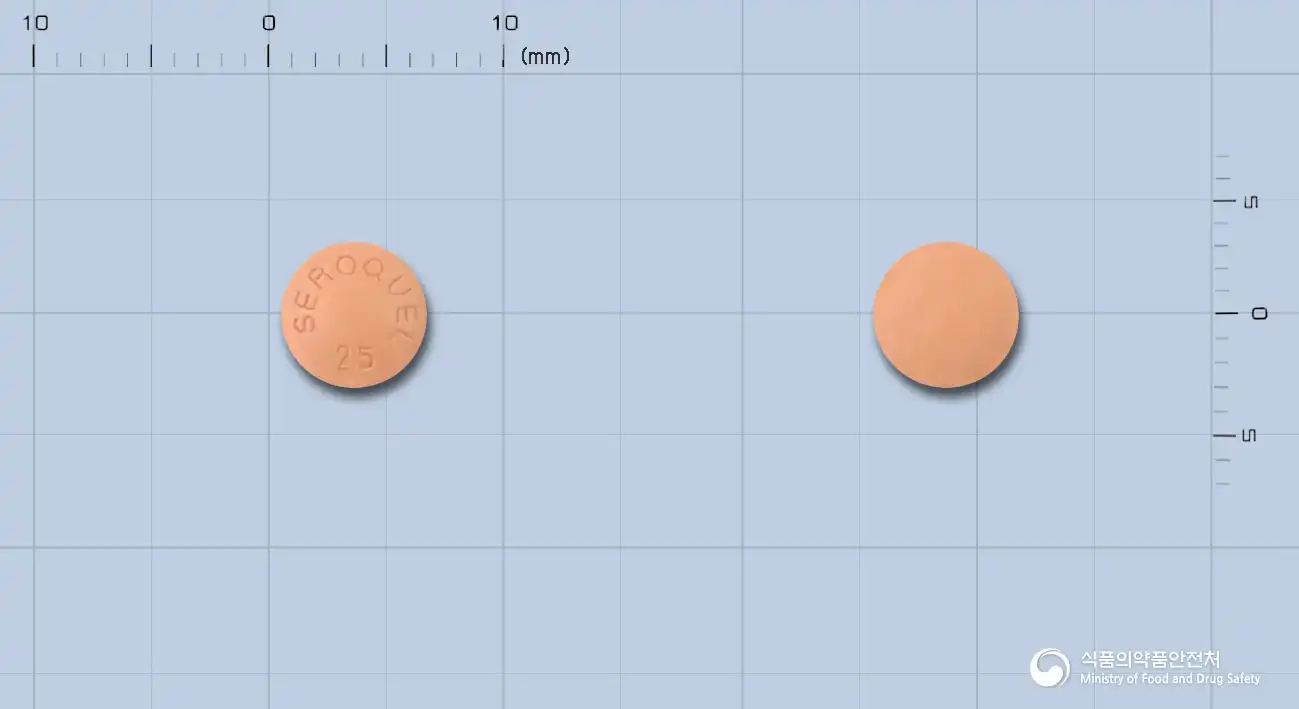
Quetiapine Fumarate 28.78mg
Tablet · Prescription medication
AlboGen Korea Co., Ltd.

Quetiapine Fumarate 115.13mg
Tablet · Prescription medication
AlboGen Korea Co., Ltd.
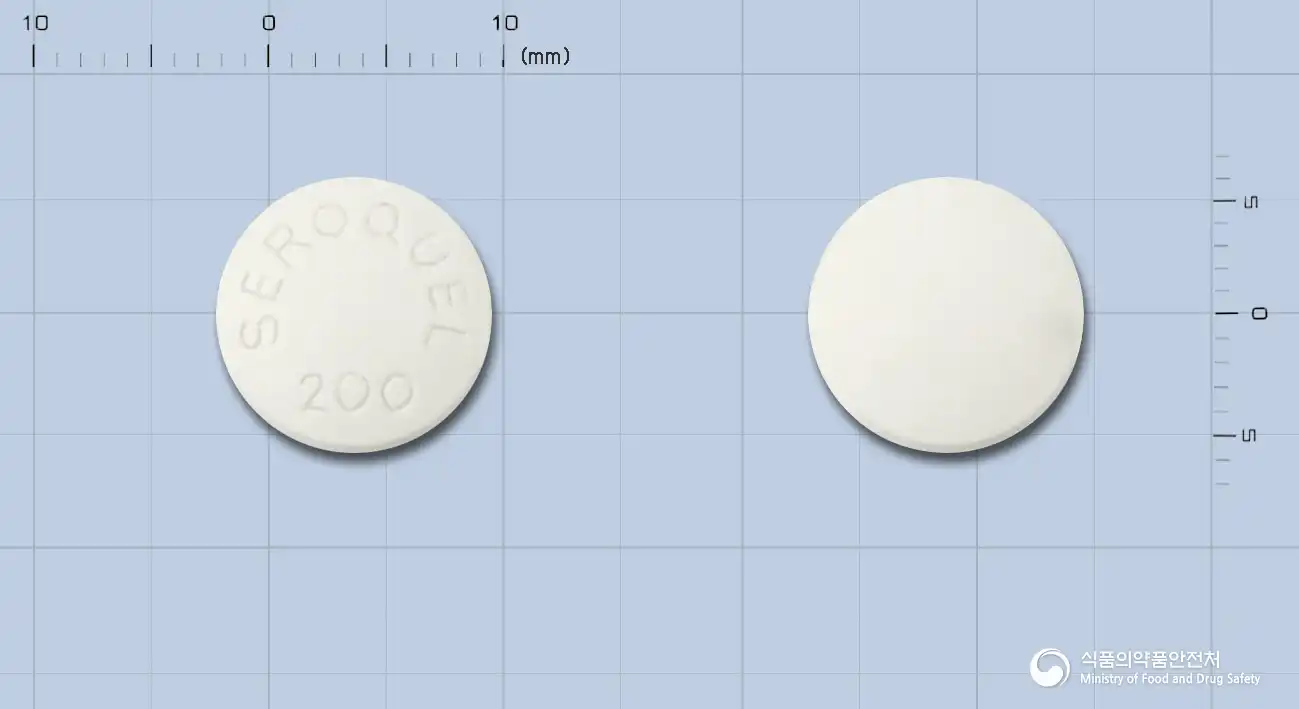
Quetiapine Fumarate 230.26mg
Tablet · Prescription medication
Albogen Korea Co., Ltd.
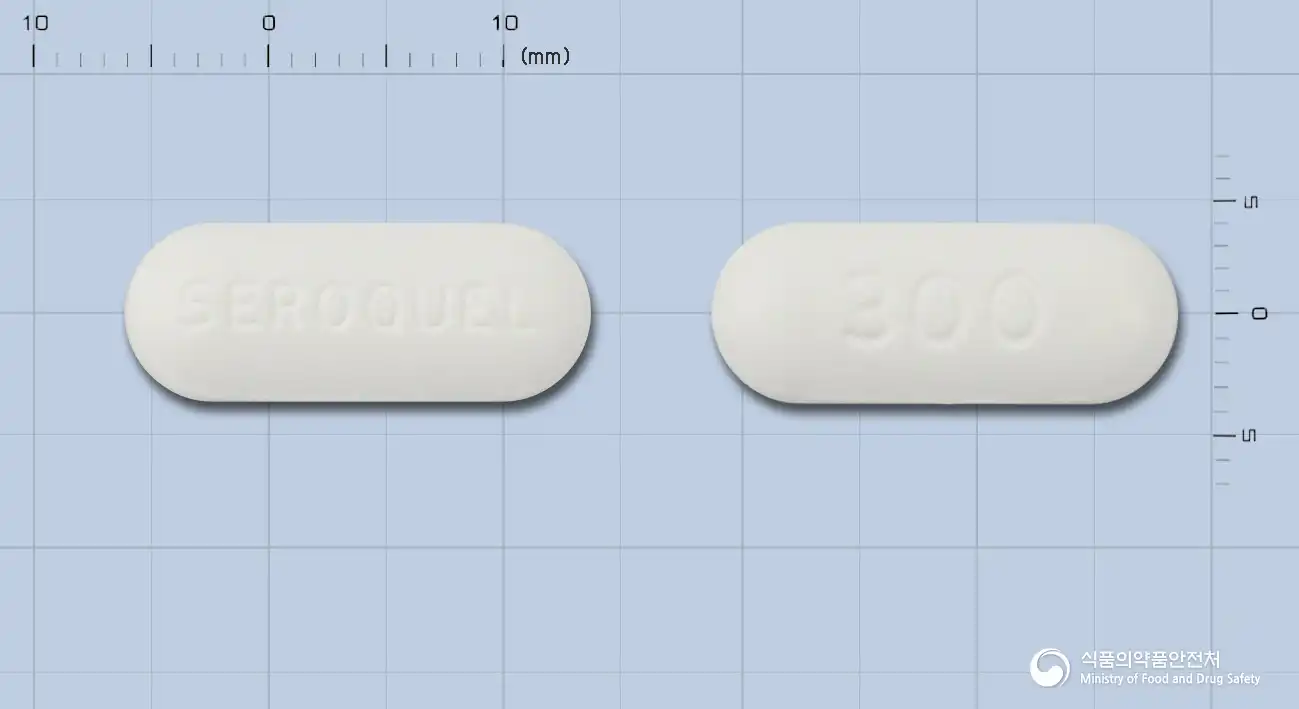
Quetiapine Fumarate 345.39mg
Tablet · Prescription medication
AlboGen Korea Co., Ltd.

Quetiapine Fumarate 115.13mg
Tablet · Prescription medication
Hanin Pharmaceutical Co., Ltd.

Quetiapine Fumarate 115.13mg
Tablet · Prescription medication
Youngjin Pharmaceutical Co., Ltd.

Quetiapine Fumarate 115.13mg
Tablet · Prescription medication
Korea Pharma Co., Ltd.
Even with the same ingredient, the dose and directions can differ by strength and dosage form. Talk to a doctor or pharmacist before switching from a medication you are already taking.
No questions yet.
For anything that needs medical judgment, consult a doctor or pharmacist.
This drug information is based on data provided by the Korea Ministry of Food and Drug Safety.
Consult a doctor or pharmacist for accurate dosage, administration, and usage instructions.