
 한국어
 English
 日本語
 中文(简体)
 Viewing now
Lemida Tablet 20 mg (Leflunomide)
Leflunomide 20mg
Tablet · Prescription medication
Jongkundang Co., Ltd.
MFDS item code 200711634 · Approved 2007.10.24 · Insurance code 643302630
Treatment of rheumatoid arthritis; relief of symptoms of active psoriatic arthritis
This medication is used to treat rheumatoid arthritis in adult patients, helping to alleviate the signs and symptoms of arthritis, inhibit structural damage to joints, and improve physical function. It also plays a role in alleviating the signs and symptoms of active psoriatic arthritis. It can be used together with aspirin, non-steroidal anti-inflammatory drugs, and low-dose corticosteroids if needed; however, studies on combination therapy with some other medications are limited. This drug is effective in managing symptoms related to arthritis and improving physical function.
1. Loading dose Considering that this medication has a long half-life and a recommended dosing interval of 24 hours, treatment is generally started with a loading dose to reach steady-state plasma concentrations more rapidly. The loading dose is 100 mg once daily for 3 days. In patients with rheumatoid arthritis, omitting the loading dose may reduce the risk of adverse reactions (see section ‘5. General precautions 9)’). 2. Maintenance dose The maintenance dose for patients with rheumatoid arthritis is 20 mg per day. Some patients who received 25 mg per day experienced adverse reactions such as alopecia, weight loss, and increased liver enzyme levels. Therefore, the maintenance dose should not exceed 20 mg per day; in patients with poor clinical tolerability, the maintenance dose may be reduced to 10 mg per day. The maintenance dose for patients with psoriatic arthritis is 20 mg per day. Monitor liver enzyme levels; dose adjustment may be necessary (see Warnings—Hepatotoxicity). Because the half-life of the active metabolite of this medication is prolonged, it may take several weeks for metabolite levels to decrease. Therefore, monitor patients closely after reducing the dose.
This medication contains an active metabolite that remains in the body for a long time, and side effects may continue to be present even after the medication is stopped. In cases of serious side effects or if rapid removal of the drug from the body is necessary, the specific medication cholestyramine or activated charcoal may be administered to reduce the drug concentration. Caution should be exercised especially in patients with impaired liver function as it may affect liver function. It is important to conduct liver function tests before starting the medication, and monthly liver function tests during the initial treatment phase. If liver function levels exceed a certain threshold, the dosage should be reduced or the medication discontinued. The risk of hepatotoxicity may increase when combined with other drugs, particularly when used with methotrexate, so liver function should be monitored frequently. Patients with lung problems or a history of lung disease should check their lung condition before taking the drug and be cautious of lung symptoms during treatment. This drug may suppress immune function and pose a risk of serious infections, so consult medical personnel immediately if symptoms of infection appear. Serious allergic reactions or ulcers may occur on the skin, so if skin abnormalities arise, discontinue the medication and consult a doctor. The medication may affect wound healing, so if surgery is planned, consult with a physician to adjust the medication schedule. This medication can be harmful to the fetus, so women who are pregnant or may become pregnant should not use it. Women planning to become pregnant should discontinue the medication and undergo a drug removal process, as taking it during pregnancy could pose serious risks to the fetus. Patients with lactose intolerance should not take this medication. Elderly patients over 65 may use it without special dosage adjustments, but safety and effectiveness have not been established for children, so it is not recommended. Overdose may result in diarrhea, abdominal pain, hematological abnormalities, etc., and cholestyramine or activated charcoal can be used to eliminate the drug in such cases. This drug may interact with other medications, so it is essential to inform medical personnel about any other medications being taken. The risk of side effects may increase, particularly when used with hepatotoxic drugs, immunosuppressants, or hematotoxic drugs. Regular blood tests and liver function tests are required while taking this medication, and any unusual symptoms should be reported to healthcare professionals immediately.
Not everyone experiences these, and they can vary from person to person.
This medication is sensitive to light and should be stored in a container that does not allow light in. Additionally, it is crucial to store it at a cool temperature below 25 degrees Celsius to maintain its effectiveness.
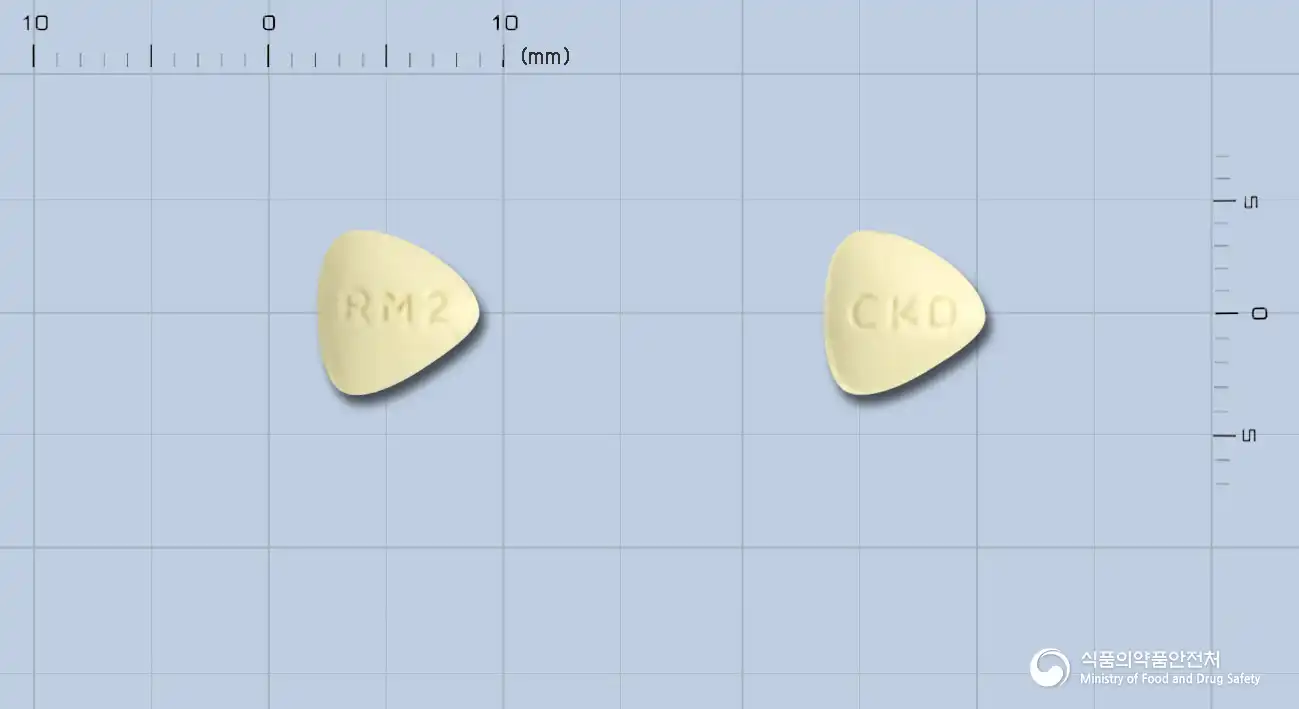
Yellow or light yellow triangular film-coated tablet
30 tablets/bottle
Even with the same ingredient, strength, dosage form and how it is taken can differ.
Viewing nowLeflunomide 20mg
Tablet · Prescription medication
Jongkundang Co., Ltd.
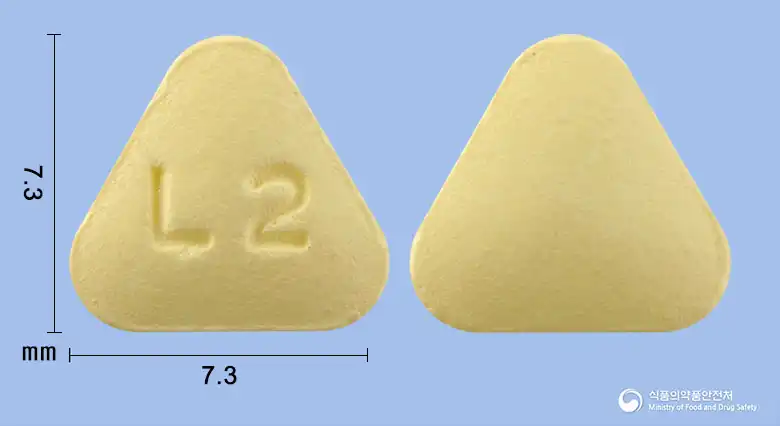
Leflunomide 20mg
Tablet · Prescription medication
Celltrion Pharma, Inc.

Leflunomide 20mg
Tablet · Prescription medication
KPM Pharmaceutical Co., Ltd.
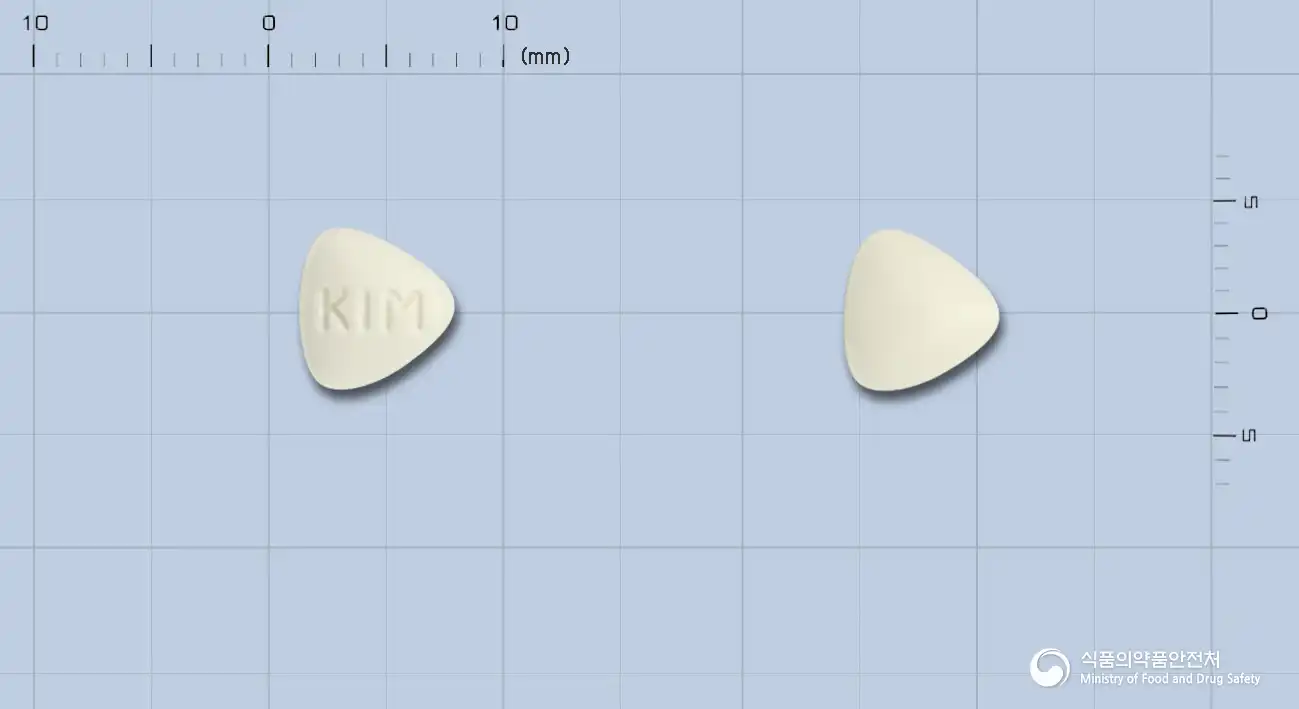
Leflunomide 20mg
Tablet · Prescription medication
Kims Pharmaceutical Co., Ltd.
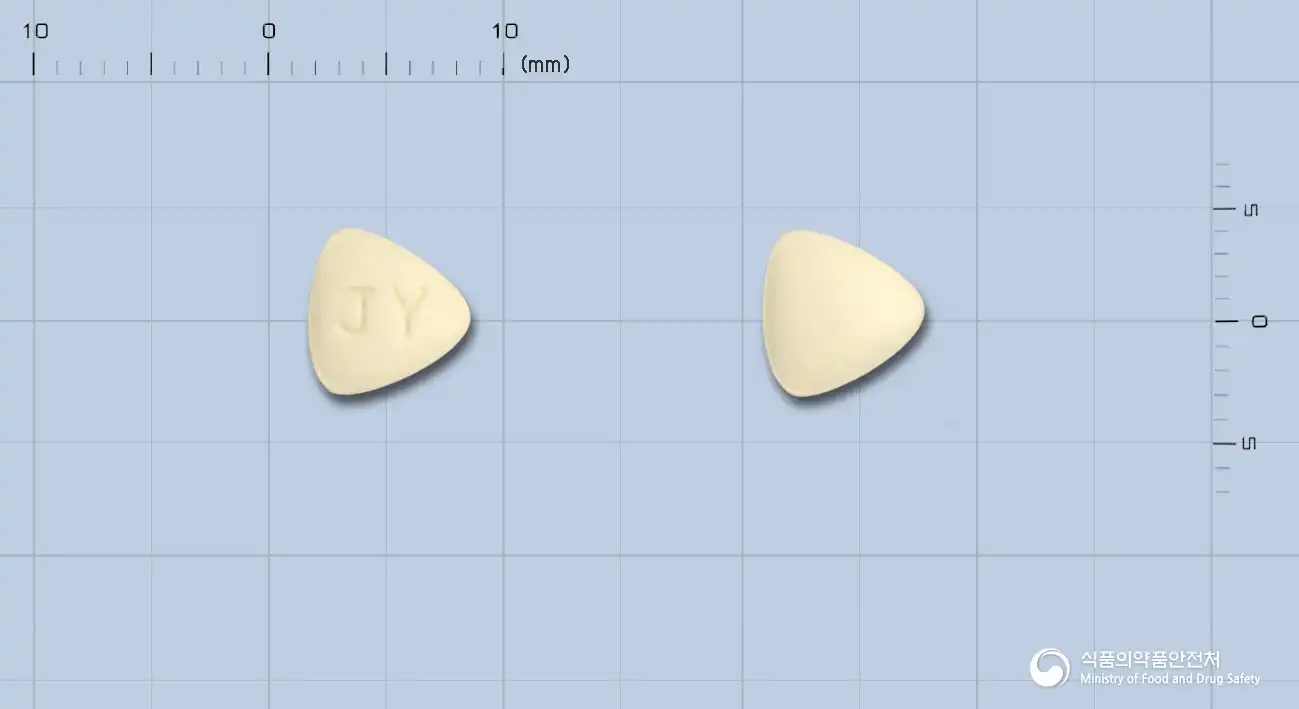
Leflunomide 20mg
Tablet · Prescription medication
Jinyang Pharmaceutical Co., Ltd.
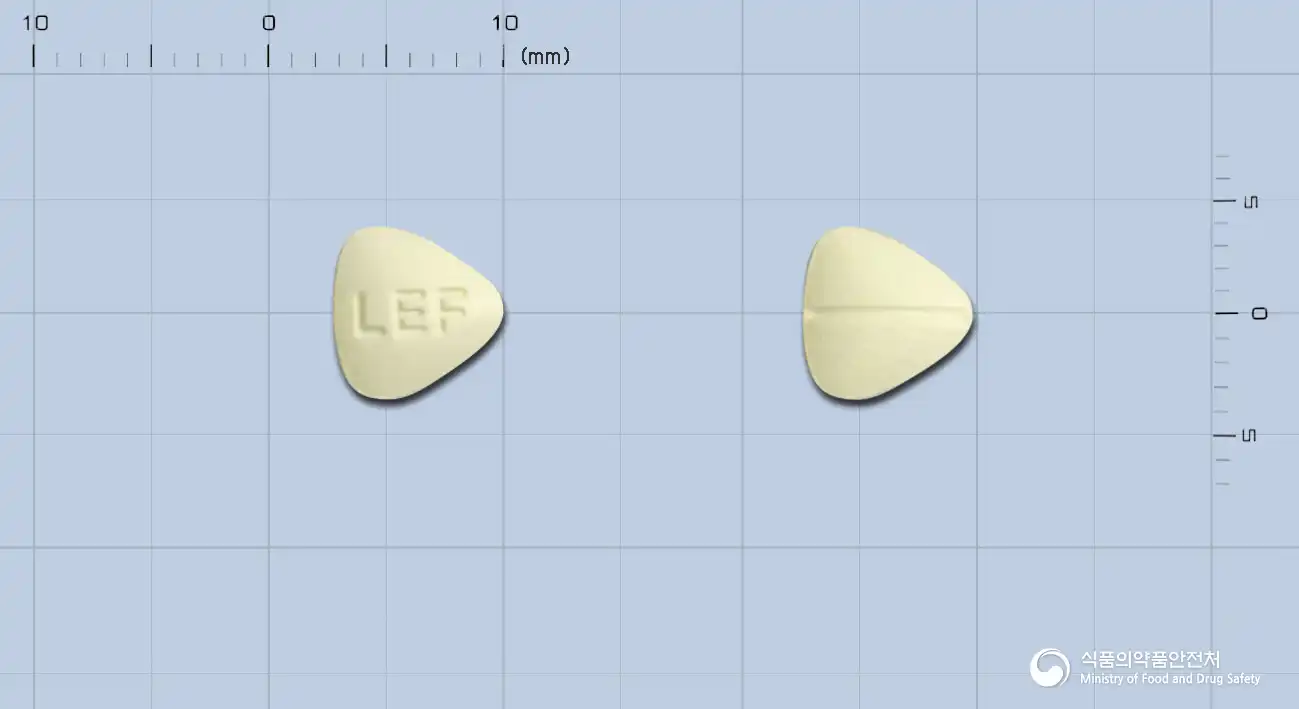
Leflunomide 20mg
Tablet · Prescription medication
Hanlim Pharmaceuticals Co., Ltd.
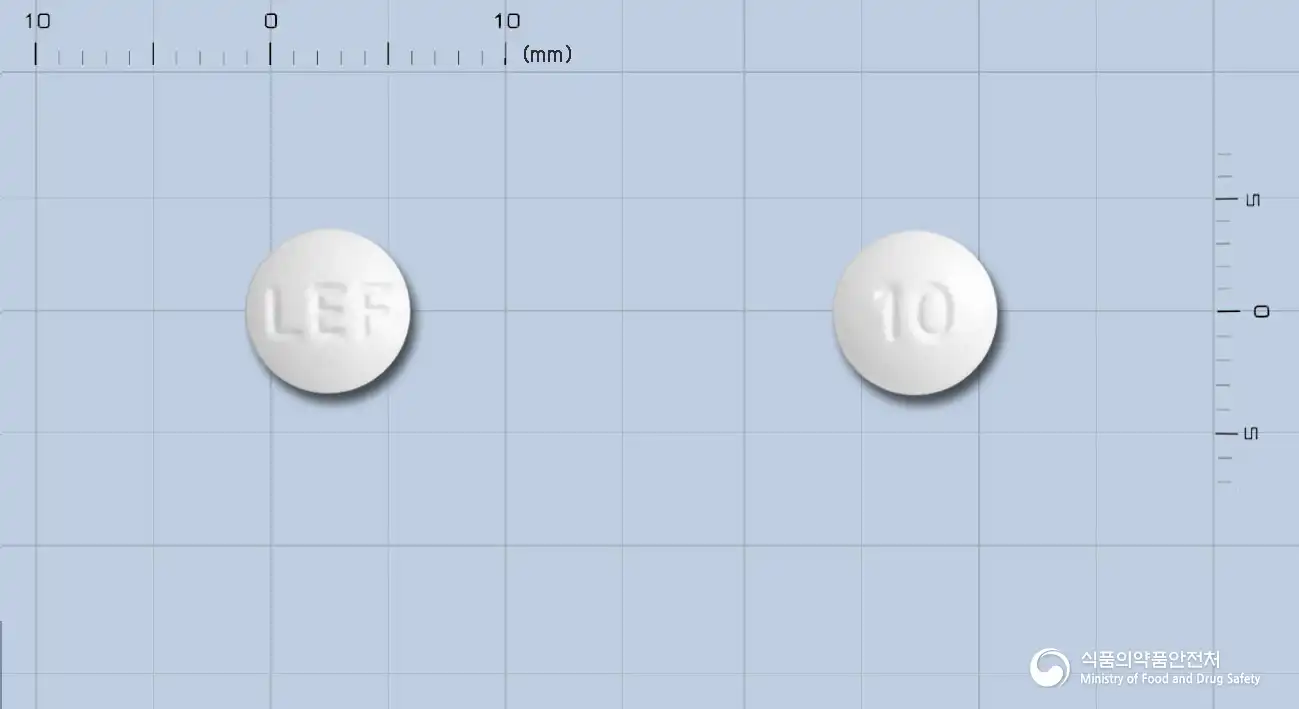
Leflunomide 10mg
Tablet · Prescription medication
Hanlim Pharmaceutical Co., Ltd.
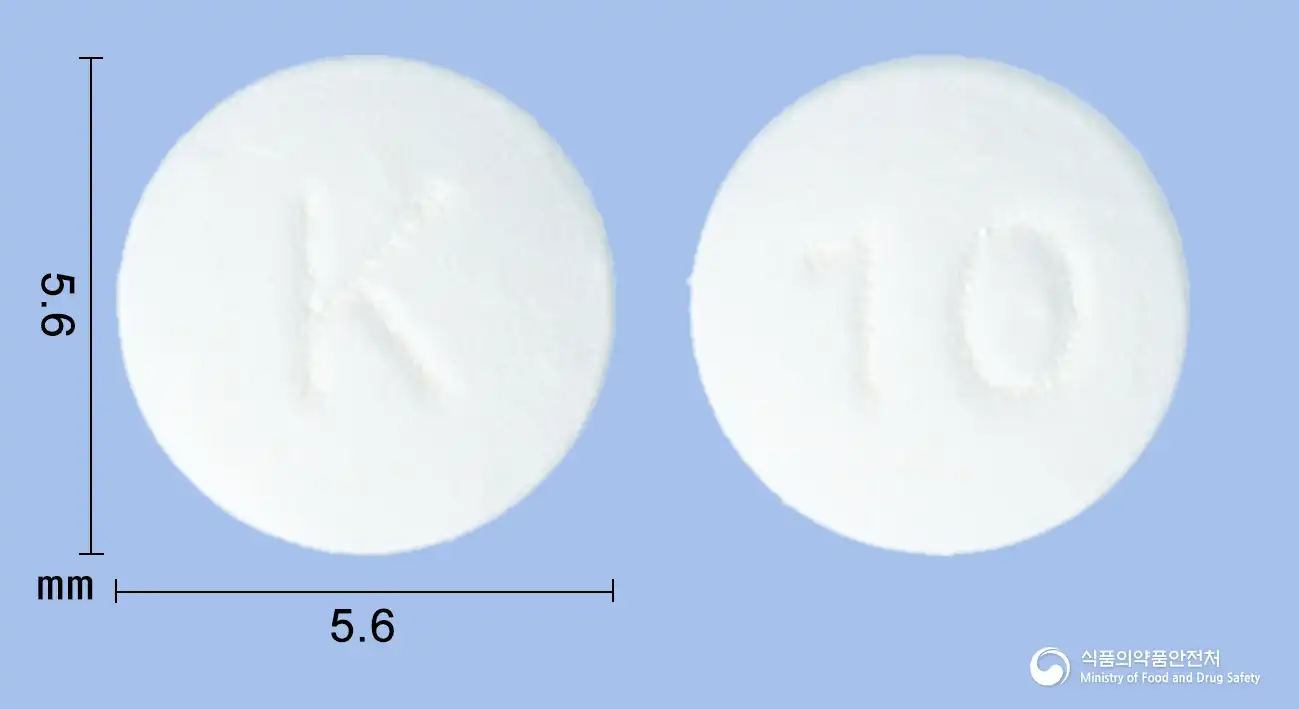
Leflunomide 10mg
Tablet · Prescription medication
Kims Pharmaceutical Co., Ltd.
Even with the same ingredient, the dose and directions can differ by strength and dosage form. Talk to a doctor or pharmacist before switching from a medication you are already taking.
No questions yet.
For anything that needs medical judgment, consult a doctor or pharmacist.
This drug information is based on data provided by the Korea Ministry of Food and Drug Safety.
Consult a doctor or pharmacist for accurate dosage, administration, and usage instructions.