
 한국어
 English
 日本語
 中文(简体)
Dosage form image
Viewing nowStomol Injection 20 Milligrams (Morphine Sulfate Hydrate)
Morphine Sulfate Hydrate 10mg
Prescription medication
Myungmoon Pharmaceutical Co., Ltd.
MFDS item code 200711277 · Approved 2007.10.11 · Insurance code 649802161
Relief of intractable chronic pain
This injection is used to relieve intractable chronic pain. It can help alleviate the discomfort of patients suffering from chronic pain, reducing the inconvenience in their daily lives. It plays a crucial role in improving pain control through specialized treatment.
Intrathecal administration: The initial dose of this medication should be determined individually based on the patient's response to sequential single rapid intrathecal injections of morphine sulfate hydrate injection at a concentration of 0.5 or 1 mg/mL, the patient's condition before insertion of a continuous microinfusion device, and careful assessment of adverse reactions. The recommended initial dose of this medication ranges from 0.2~1 mg per day for patients who are not opioid-tolerant to 1∼10 mg per day for patients with some degree of opioid tolerance. The maximum daily dose should be determined individually. Myoclonus has been reported in patients receiving doses exceeding 20 mg per day. Use doses of 20 mg or more per day with caution, as the likelihood of serious adverse reactions is increased. Epidural administration: The initial dose of this medication should be determined individually based on the patient's response to sequential single rapid intrathecal injections of morphine sulfate hydrate injection at a concentration of 0.5 or 1 mg/mL, the patient's condition before insertion of a continuous microinfusion device, and careful assessment of adverse reactions. The recommended initial dose of this medication ranges from 3.5~7.5 mg per day for patients who are not opioid-tolerant to 4.5∼10 mg per day for patients with some degree of opioid tolerance. During treatment, the required dose may often increase to 20~30 mg per day. The maximum daily dose should be determined individually.
This medication carries a risk of severe adverse reactions, thus it must be carefully monitored in an appropriate emergency facility with personnel for at least 24 hours after administration. Use with central nervous system depressants or alcohol can lead to severe sedation, respiratory depression, coma, or even death, therefore caution is advised during co-administration. This medication should not be administered to patients with known hypersensitivity to it, those with infections at the injection site, patients on anticoagulants, those with uncontrolled bleeding tendencies, or severe respiratory depression. Patients with increased intracranial pressure, impaired liver or kidney function, gallbladder disease, or prostatic hypertrophy should use this medication cautiously, and those with a history of drug dependence or alcohol addiction should also be careful. This medication may cause severe side effects such as drug dependence, respiratory depression, hypotension, and exacerbation of head injuries, hence the patient’s condition should be closely monitored during treatment. When using a continuous microinfusion device, a skilled professional should work in a sterile environment, and both the patient and caregiver should be thoroughly educated on the management of the infusion device and symptoms of excessive dosing. As a narcotic analgesic, prolonged use or high doses of this medication can lead to tolerance and dependence, therefore the duration and dosage of administration should be kept to a minimum. When used in combination with other central nervous system depressants, additional sedation and respiratory depression may occur, therefore dosage adjustments and close patient monitoring is necessary. Pregnant or breastfeeding women must consult a doctor before using this medication, and it should not be used as an analgesic during childbirth. Safety and efficacy in children have not been established, so it should not be used in this age group as a principle. Elderly patients are at a higher risk of adverse reactions compared to younger individuals; therefore, they should be started on lower doses with caution. In cases of overdose, there is a risk of respiratory depression, decreased consciousness, and hypotensive symptoms, which require immediate emergency treatment, and in necessary cases, the administration of an opioid antagonist may be required. Before administration, check the injection solution for turbidity or discoloration, and if found abnormal, do not use it. This medication requires strict storage and handling, and any leftover medication must be disposed of safely.
Yawning, sneezing, tearing, sweating, nausea, vomiting, diarrhea, abdominal pain, pupil dilation, headache, insomnia, anxiety, hallucinations, convulsions, tremors, pain in the muscles and joints of the body, shortness of breath, palpitations, dyspnea, bradypnea, irregular breathing, apnea, head trauma, increased intracranial pressure, hypotension, shock, clonic spasms of the lower limbs, convulsions, discomfort, toxic psychosis, drowsiness, abnormal euphoria, anxiety, dysentery, hyperalgesia, hyperhidrosis, headache, itching, urticaria, rash, localized tissue irritation response, urinary retention, oliguria, constipation, biliary colic, dry mouth, pancreatitis, spasms of the Oddi sphincter, peripheral edema, swelling of the male genitalia, acute generalized exanthematous pustulosis, central sleep apnea syndrome, cough reflex suppression, thermoregulation disorder, intestinal obstruction, nausea, loss of appetite, fatigue, weakness, dizziness, hypotension, decreased libido, erectile dysfunction, amenorrhea, hyperalgesia, sleep apnea syndrome, hypoxia, dysfunction of the Oddi sphincter, spasms, acute generalized exanthematous pustulosis, respiratory depression, unconsciousness, coma, skeletal muscle relaxation, cold skin, miosis, bradycardia, hypotension, apnea, cardiovascular collapse, cardiac arrest, death, aspiration pneumonia, severe hypotension, bradycardia, cardiac asystole
Not everyone experiences these, and they can vary from person to person.
This medication may be sensitive to light; therefore, it should be stored in a tightly sealed container protected from light exposure. It is recommended to maintain room temperature between 15 degrees and 30 degrees Celsius.
Brown ampoule containing a colorless, transparent liquid
1 ampoule (2mL) × 10
Even with the same ingredient, strength, dosage form and how it is taken can differ.
Morphine Sulfate Hydrate 10mg
Prescription medication
Myungmoon Pharmaceutical Co., Ltd.
Morphine Sulfate Hydrate 1mg
Injections · Prescription medication
Myungmoon Pharmaceutical Co., Ltd.
Morphine Sulfate Hydrate
Prescription medication
Hana Pharmaceutical Co., Ltd.
Morphine Sulfate Hydrate 1mg
Injections · Prescription medication
Hana Pharmaceutical Co., Ltd.

Morphine Sulfate Hydrate 10mg
Tablet · Prescription medication
Hana Pharmaceutical Co., Ltd.
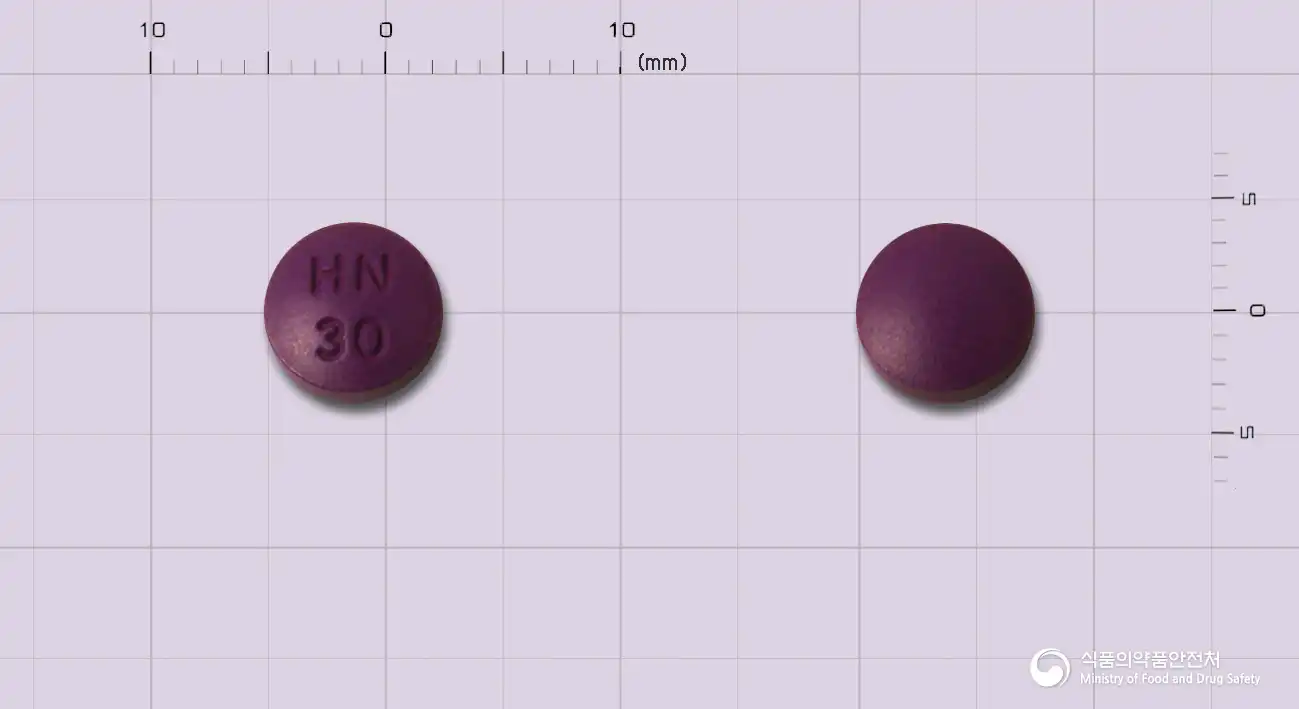
Morphine Sulfate Hydrate 30mg
Tablet · Prescription medication
Hana Pharmaceutical Co., Ltd.
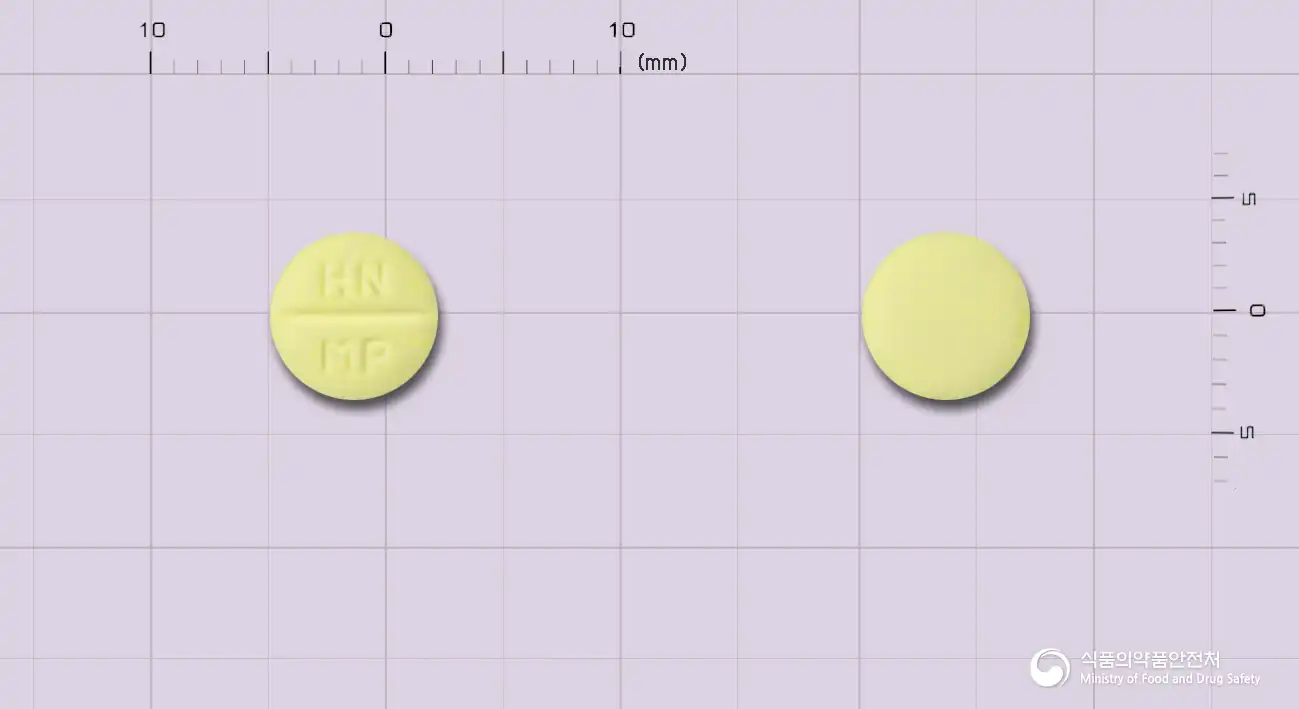
Morphine Sulfate Hydrate 15mg
Tablet · Prescription medication
Hana Pharmaceutical Co., Ltd.
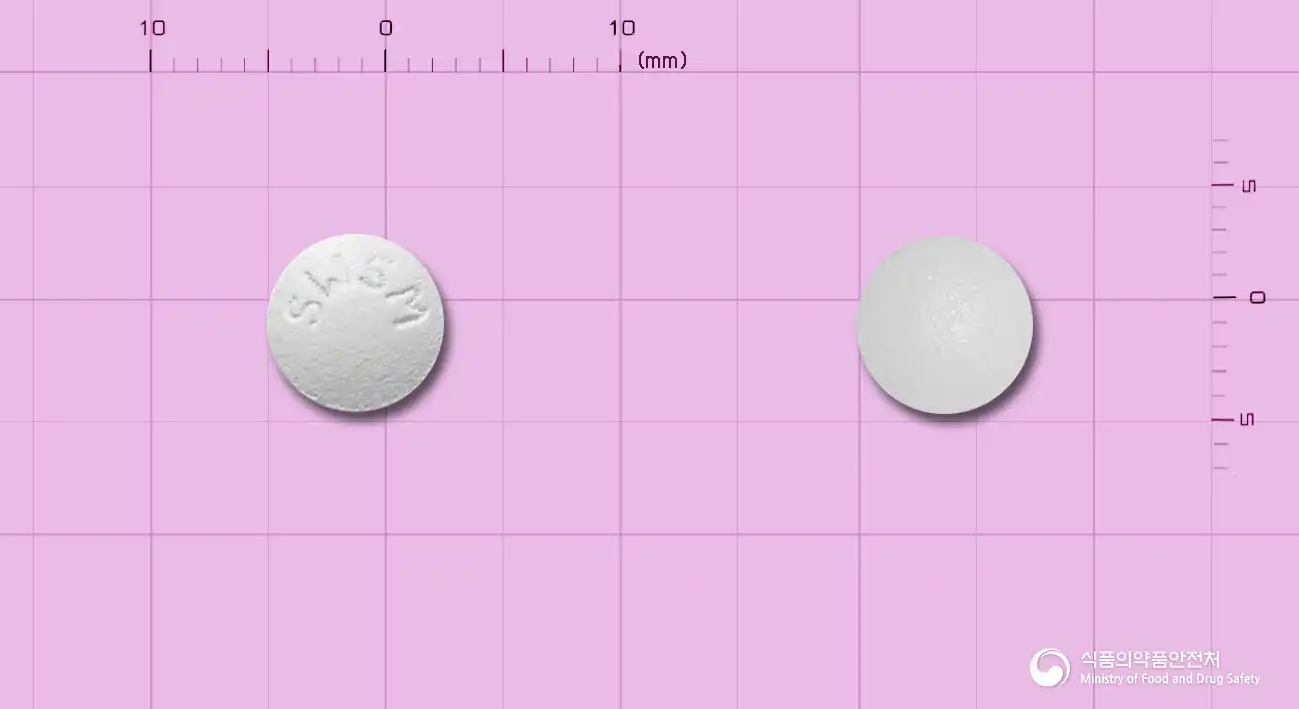
Morphine Sulfate Hydrate 15mg
Tablet · Prescription medication
Sungwon Adcock Pharmaceutical Co., Ltd.
Even with the same ingredient, the dose and directions can differ by strength and dosage form. Talk to a doctor or pharmacist before switching from a medication you are already taking.
No questions yet.
For anything that needs medical judgment, consult a doctor or pharmacist.
This drug information is based on data provided by the Korea Ministry of Food and Drug Safety.
Consult a doctor or pharmacist for accurate dosage, administration, and usage instructions.