
 한국어
 English
 日本語
 中文(简体)
 Viewing now
Kimara Tablets 20 mg (Leflunomide)
Leflunomide 20mg
Tablet · Prescription medication
Kims Pharmaceutical Co., Ltd.
MFDS item code 200711110 · Notified 2007.10.08 · Insurance code 059600040
Treatment of rheumatoid arthritis in adults; relief of symptoms of active psoriatic arthritis
This medicine is used for adult patients with rheumatoid arthritis, helping to relieve the symptoms of arthritis and inhibit the progression of structural damage in the joints. It is also effective in improving physical function diminished due to rheumatoid arthritis. It is used to relieve the symptoms and signs of active psoriatic arthritis and can be administered in conjunction with aspirin, non-steroidal anti-inflammatory drugs, and low-dose corticosteroids. However, caution is needed as studies on concomitant use with anti-malarials, gold compounds, D-penicillamine, azathioprine, and methotrexate are insufficient. This drug is used to improve the symptoms of rheumatoid arthritis and active psoriatic arthritis.
1. Loading dose Given the long half-life of this drug and the recommended dosing interval of 24 hours, treatment is generally started with a loading dose to reach steady-state plasma concentrations more quickly. Administer 100mg once daily for 3 days as the loading dose. In patients with rheumatoid arthritis, omitting the loading dose may reduce the risk of adverse reactions (see section ‘5. General Precautions 9)’). 2. Maintenance dose Administer 20mg once daily as the maintenance dose for patients with rheumatoid arthritis. When 25mg once daily was administered, some patients experienced adverse reactions such as hair loss, weight loss, and elevated liver enzyme levels. Therefore, the maintenance dose should not exceed 20mg once daily. If the patient’s clinical tolerability is poor, the maintenance dose may be reduced to 10mg once daily. Administer 20mg once daily as the maintenance dose for patients with psoriatic arthritis. Monitor liver enzyme levels; dosage adjustment may be necessary. (See Warnings—Hepatotoxicity.) Because the half-life of the active metabolite of this drug is prolonged, it may take several weeks for the metabolite concentration to decrease. Therefore, monitor patients carefully after reducing the dose.
This drug remains in the body for a long time and side effects may persist even after discontinuation. If serious side effects occur, special medications must be administered to rapidly remove this drug from the body. It can affect liver function, so patients with liver disease or impaired liver function must confirm their liver status before use. In particular, liver function tests should be conducted monthly during the initial six months of treatment, and thereafter at intervals of 6 to 8 weeks. Extra caution is required when used in conjunction with other hepatotoxic medications or in patients with a history of liver disease. This drug can suppress the immune system, and it is advisable not to use it in patients with serious infections or immunodeficiencies. Patients with lung issues or a history of pneumonia should confirm their condition through chest X-ray before treatment and use with caution. Severe allergic reactions on the skin, ulcers, or wound healing disturbances may occur; therefore, treatment should be discontinued immediately in case of abnormal symptoms. Women who are pregnant or may become pregnant should not take this drug, as it may pose risks to the fetus. This medication contains lactose, so patients with lactose intolerance should not use it. Regular blood tests should be performed to monitor white blood cell and platelet counts; if abnormalities are detected, consult a doctor immediately. If symptoms of infection such as fever, cough, or difficulty breathing appear during treatment, visit a hospital promptly. There may be interactions with other drugs, so it is essential to inform the doctor about any medications currently being taken, especially regarding hepatotoxic drugs, immunosuppressants, and anticoagulants. Overdose may result in diarrhea, abdominal pain, and blood abnormalities, and special detoxification treatment may be required in such cases. Store protected from direct sunlight, ideally at a temperature below 25 degrees Celsius. This drug is not recommended for children under 18 years of age, and it can be used by seniors over 65 years without dose adjustment. During treatment, regular monitoring of blood pressure, liver, and blood status is necessary. This drug affects the immune system, so special attention must be paid to infection prevention, and vaccination with live vaccines should be avoided.
Not everyone experiences these, and they can vary from person to person.
This drug is sensitive to light, so it should be stored away from direct sunlight. Additionally, it is important to store it in a closed container to prevent contact with air. The storage temperature should be maintained in a cool place below 25 degrees Celsius.
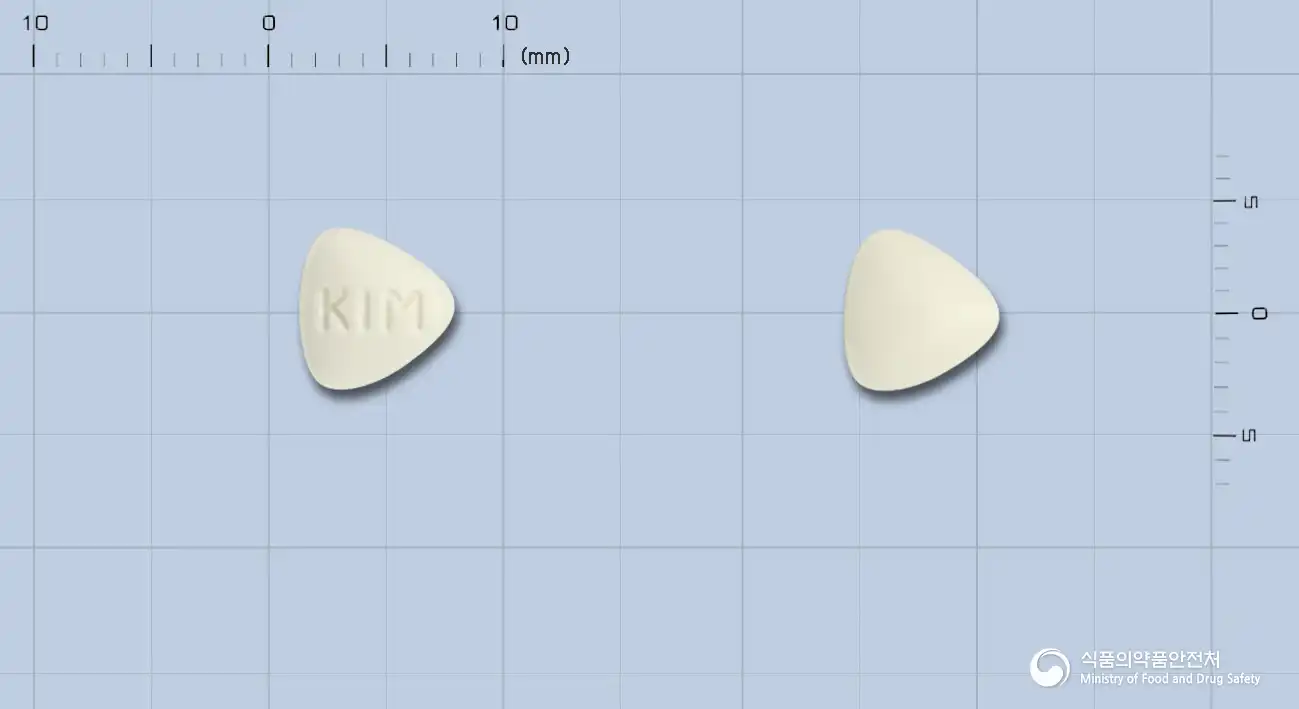
Light yellow triangular film-coated tablet
30 tablets per bottle
Even with the same ingredient, strength, dosage form and how it is taken can differ.
Viewing nowLeflunomide 20mg
Tablet · Prescription medication
Kims Pharmaceutical Co., Ltd.
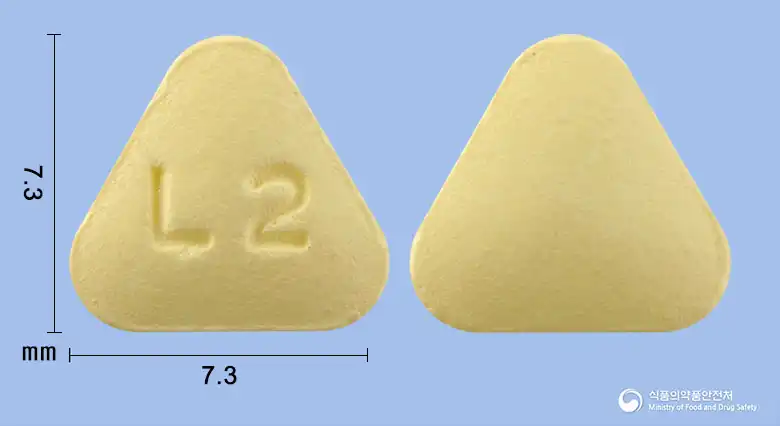
Leflunomide 20mg
Tablet · Prescription medication
Celltrion Pharma, Inc.

Leflunomide 20mg
Tablet · Prescription medication
KPM Pharmaceutical Co., Ltd.
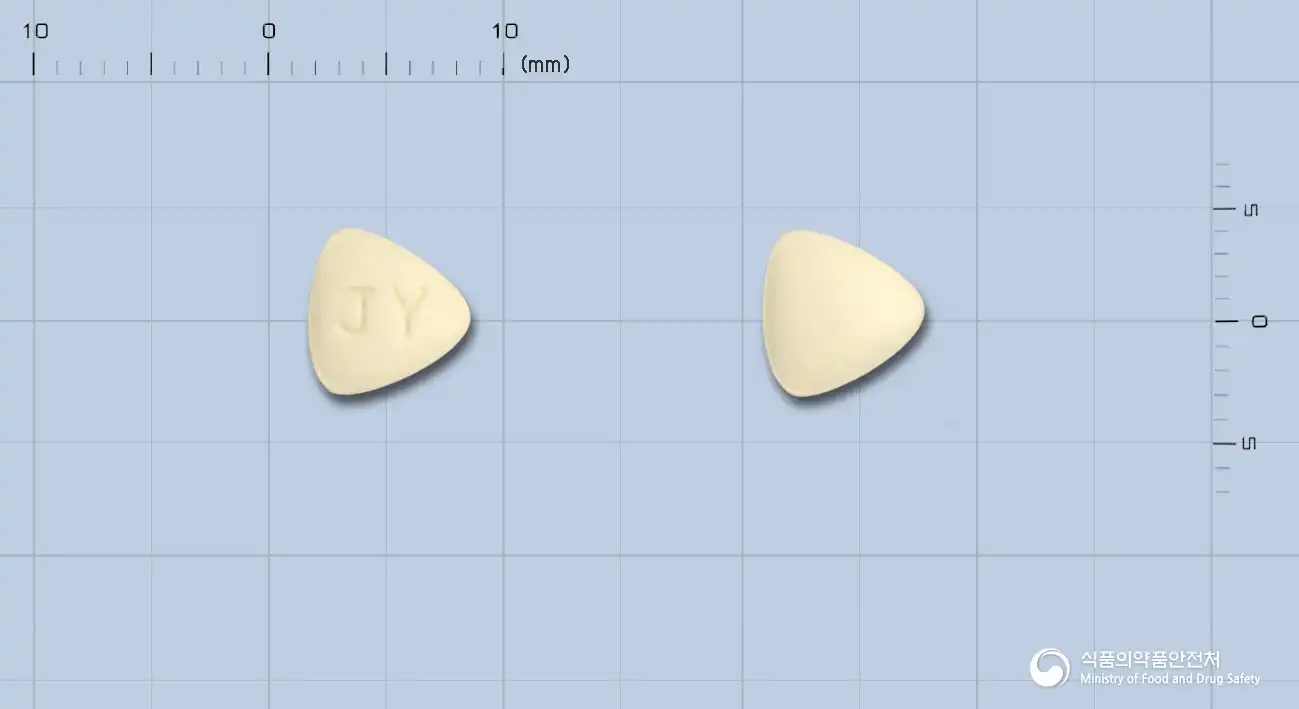
Leflunomide 20mg
Tablet · Prescription medication
Jinyang Pharmaceutical Co., Ltd.
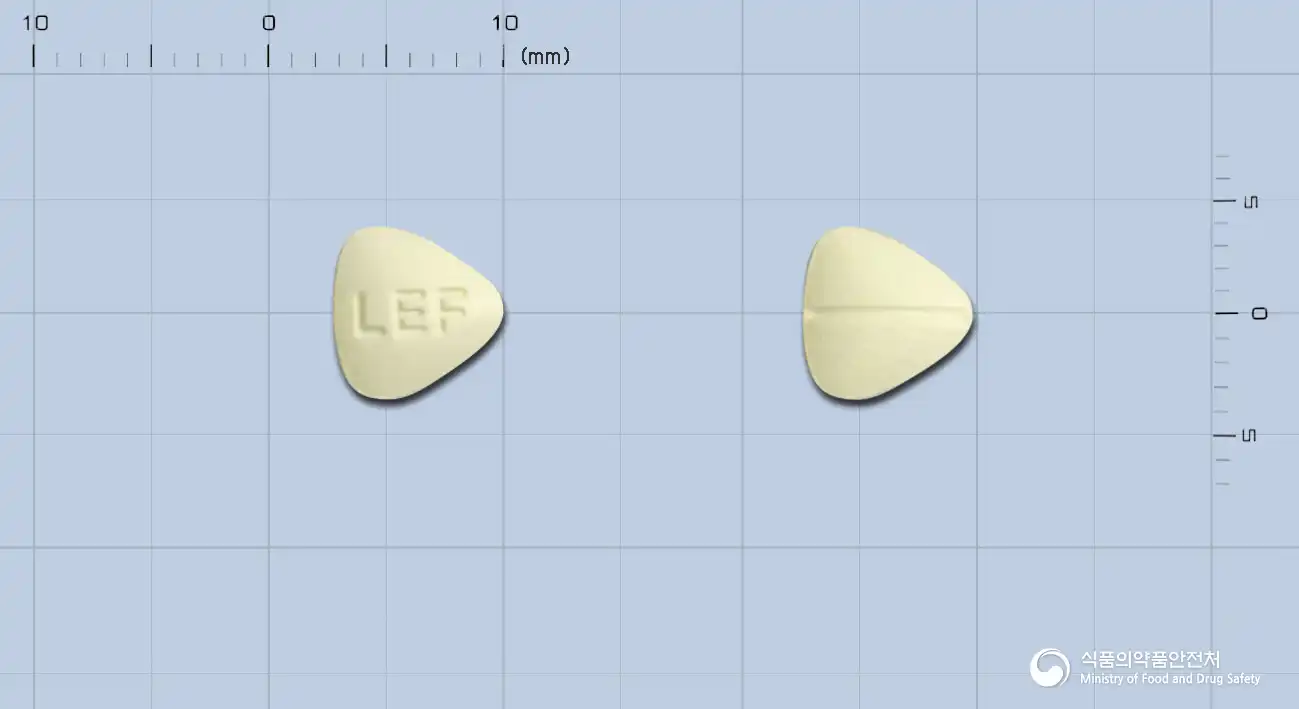
Leflunomide 20mg
Tablet · Prescription medication
Hanlim Pharmaceuticals Co., Ltd.
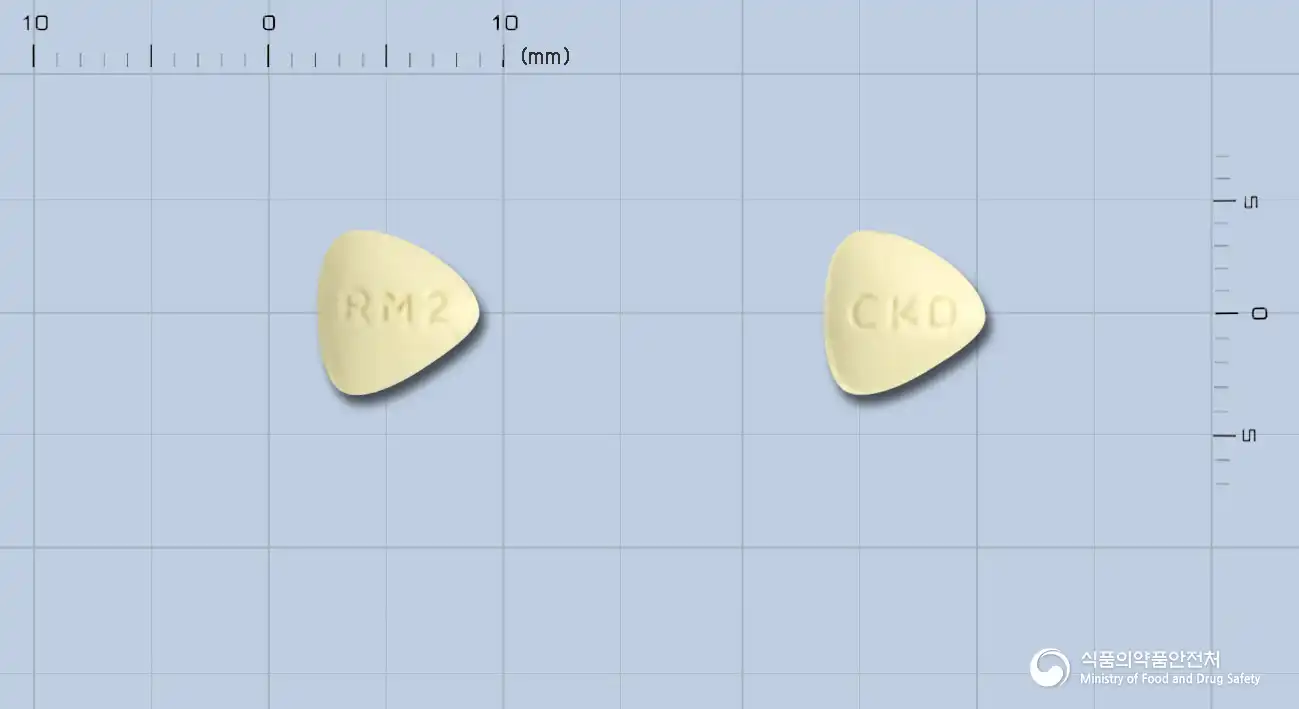
Leflunomide 20mg
Tablet · Prescription medication
Jongkundang Co., Ltd.
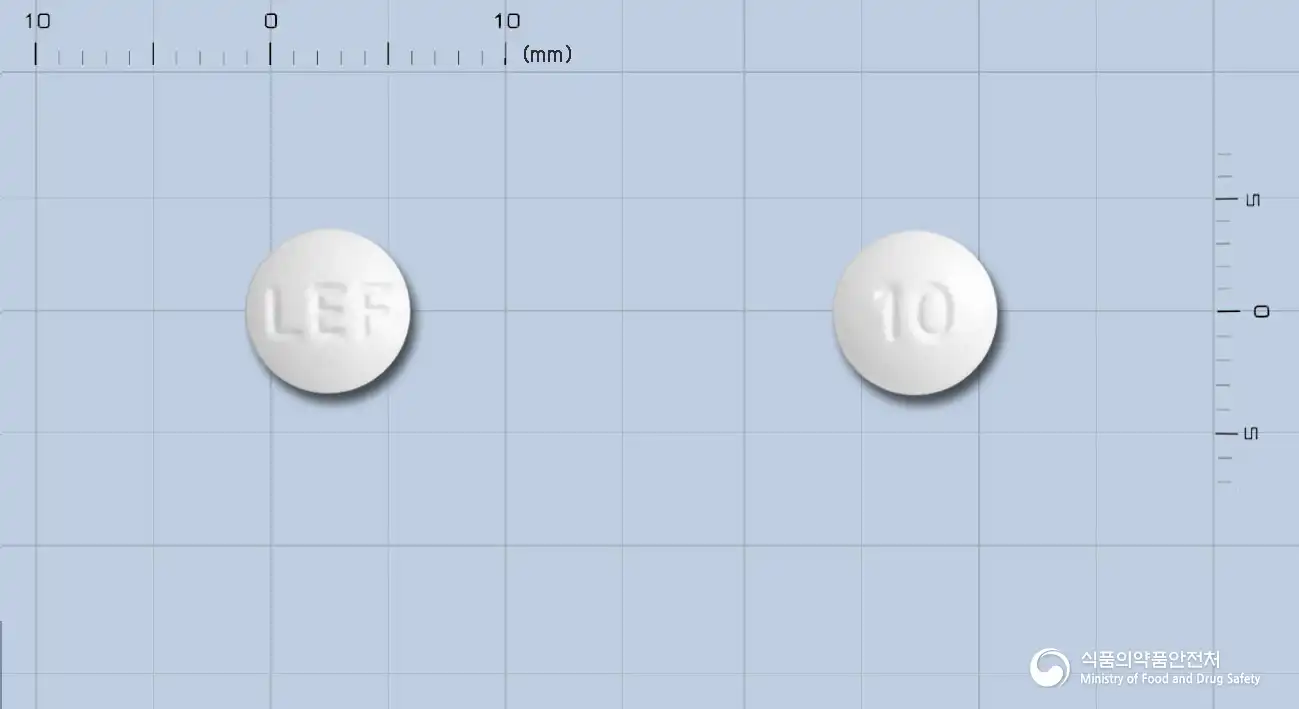
Leflunomide 10mg
Tablet · Prescription medication
Hanlim Pharmaceutical Co., Ltd.
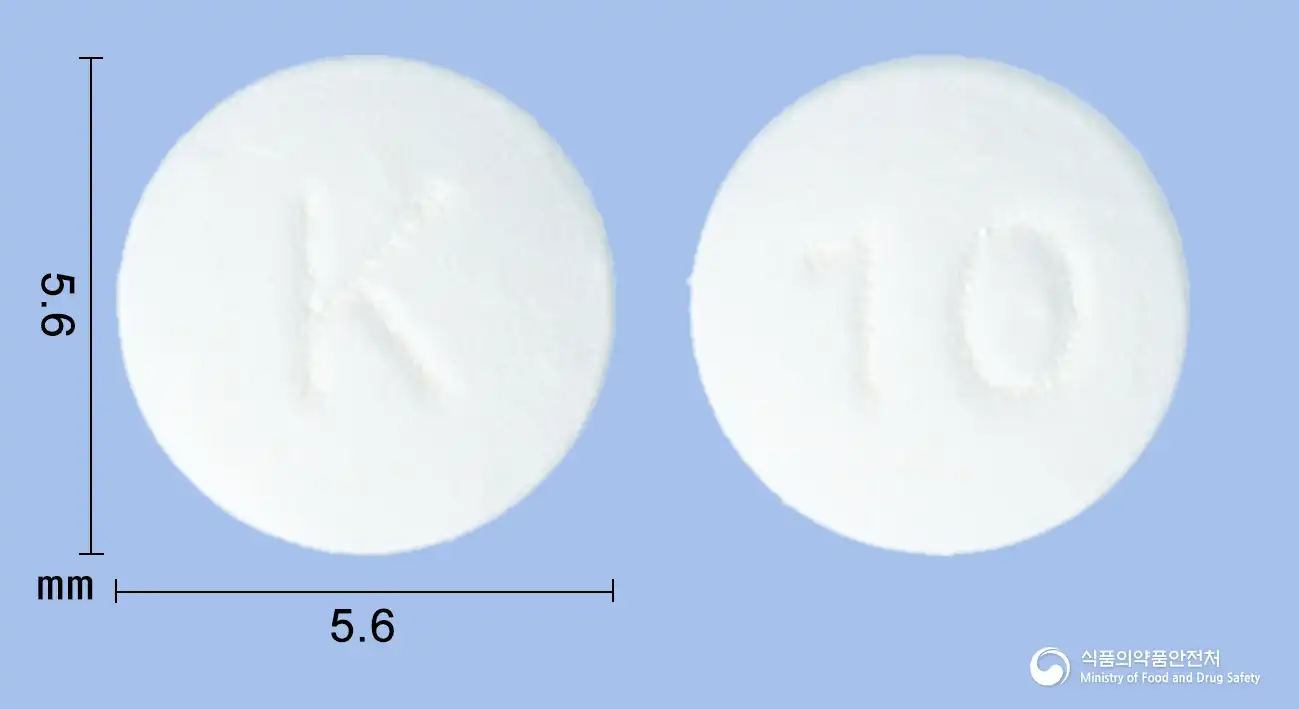
Leflunomide 10mg
Tablet · Prescription medication
Kims Pharmaceutical Co., Ltd.
Even with the same ingredient, the dose and directions can differ by strength and dosage form. Talk to a doctor or pharmacist before switching from a medication you are already taking.
No questions yet.
For anything that needs medical judgment, consult a doctor or pharmacist.
This drug information is based on data provided by the Korea Ministry of Food and Drug Safety.
Consult a doctor or pharmacist for accurate dosage, administration, and usage instructions.