
 한국어
 English
 日本語
 中文(简体)
Summary
- Main use
- Treatment of advanced and early breast cancer in postmenopausal women
- Who takes it
- Adults
- Adult dose
- ○ Adults and elderly : The recommended dose is 2.5 mg of letrozole orally once daily, regardless of meals. If you miss a dose, take it as soon as you remember. However, if it is almost time for your next dose, skip the missed dose and continue with your regular schedule. Do not take a double dose to exceed the recommended dose of 2.5 mg. For patients with metastatic disease, treatment should be continued until progression of the cancer is confirmed. For adjuvant therapy and extended adjuvant therapy following adjuvant tamoxifen therapy, treatment may be given for 5 years. If the cancer recurs during treatment, discontinue the medication (for extended adjuvant therapy following adjuvant tamoxifen therapy, the optimal treatment duration associated with long-term use has not been established.). ○ Patients with hepatic impairment : Blood concentrations of this drug are slightly increased in patients with moderate hepatic impairment due to cirrhosis, but no dose adjustment is necessary in patients with mild to moderate hepatic impairment. However, if this drug is used in patients with severe hepatic impairment (Child-Pugh score C), continuous and careful monitoring is required. ○ Patients with renal impairment : No dose adjustment is necessary for patients with renal impairment and a creatinine clearance of 10 mL/min or higher.
Ingredients
- Manufacturer
- Kwangdong Pharmaceutical Co., Ltd.
Efficacy & effects
Treatment of advanced and early breast cancer in postmenopausal women
- Locally advanced breast cancer
- metastatic breast cancer
- relapsed advanced breast cancer
- invasive early breast cancer
View approved original textHide original text
This medication is used as a first-line treatment for locally advanced or metastatic breast cancer in postmenopausal women with hormone receptor-positive or unknown receptor status. It can also be applied to patients with advanced breast cancer who have relapsed after anti-estrogen therapy. It is also used as an extended adjuvant therapy after 5 years of initial tamoxifen adjuvant therapy for patients with invasive early breast cancer and serves as adjuvant therapy when hormone receptor-positive. It effectively inhibits cancer progression and aids treatment across various stages of breast cancer.
How to take
Adult dose
○ Adults and elderly : The recommended dose is 2.5 mg of letrozole orally once daily, regardless of meals. If you miss a dose, take it as soon as you remember. However, if it is almost time for your next dose, skip the missed dose and continue with your regular schedule. Do not take a double dose to exceed the recommended dose of 2.5 mg. For patients with metastatic disease, treatment should be continued until progression of the cancer is confirmed. For adjuvant therapy and extended adjuvant therapy following adjuvant tamoxifen therapy, treatment may be given for 5 years. If the cancer recurs during treatment, discontinue the medication (for extended adjuvant therapy following adjuvant tamoxifen therapy, the optimal treatment duration associated with long-term use has not been established.). ○ Patients with hepatic impairment : Blood concentrations of this drug are slightly increased in patients with moderate hepatic impairment due to cirrhosis, but no dose adjustment is necessary in patients with mild to moderate hepatic impairment. However, if this drug is used in patients with severe hepatic impairment (Child-Pugh score C), continuous and careful monitoring is required. ○ Patients with renal impairment : No dose adjustment is necessary for patients with renal impairment and a creatinine clearance of 10 mL/min or higher.
Precautions
This medication should not be used in certain patients. First, it should not be administered to patients with an allergy to this medication or its components, premenopausal women, women who are pregnant or may become pregnant, and breastfeeding women. Additionally, this medication contains lactose and should not be used in patients with lactose intolerance or certain genetic metabolic disorders. Caution should be exercised when administering this medication to patients with significantly impaired kidney function or severe liver dysfunction. Patients with a history of osteoporosis or at high risk of fractures should undergo regular bone density tests and receive appropriate prevention and treatment if using this medication long-term. Patients whose menopausal status is uncertain should confirm this via hormone tests before taking this medication. Various side effects may occur with this medication, the most common being hot flashes, arthralgia, nausea, fatigue, and so on. Other reported side effects include alopecia, vaginal bleeding, headache, myalgia, hypercholesterolemia, among others. Serious adverse reactions such as thrombosis, cardiac problems, liver dysfunction, and skin reactions may occur, so any abnormal symptoms should prompt immediate consultation with healthcare professionals. While using this medication, careful monitoring for osteoporosis and fracture risks is necessary, and treatment for bone health should be considered if needed. Regular liver function tests are also important to check for any liver function abnormalities. Additionally, fatigue or dizziness may occur during the course of taking this medication, so caution is advised when driving or operating machinery. This medication is metabolized in the liver, so concurrent use with certain liver enzyme inhibitors or inducers may alter drug concentration. Therefore, it is essential to inform healthcare providers about any other medications being taken, as precautions may be required based on the concomitant drugs. Women who are pregnant or nursing should not take this medication, and women of childbearing potential should ensure adequate contraception. The safety and efficacy of this medication in pediatric patients under 17 years of age have not been established, so it should not be used in this age group. No dosage adjustment is required for the elderly, but caution is needed due to increased fracture risk. In case of overdose, there is no specific antidote, so symptomatic treatment and close monitoring of vital signs should be carried out. Finally, this medication should be stored out of reach of children, in its original container to maintain quality and prevent misuse.
Side effects
- urinary tract infection
- pain from a mass
- leukopenia
- anaphylactic-like reaction
- hypercholesterolemia
- loss of appetite
- increased appetite
- depression
- anxiety
- hypersensitivity
Show 74 moreCollapse
- headache
- dizziness
- vertigo
- drowsiness
- insomnia
- impaired memory
- sensory disturbances
- taste disorders
- cerebrovascular disease
- carpal tunnel syndrome
- cataract
- eye irritation
- blurred vision
- palpitations
- tachycardia
- ischemic heart events
- facial flushing
- hypertension
- thrombotic venous inflammation
- pulmonary embolism
- arterial thrombosis
- cerebrovascular infarction
- difficulty breathing
- cough
- nausea
- vomiting
- indigestion
- constipation
- diarrhea
- abdominal pain
- stomatitis
- dry mouth
- increased liver enzymes
- hyperbilirubinemia
- jaundice
- hepatitis
- sweating
- alopecia
- dry skin
- rash
- itching
- urticaria
- angioedema
- toxic epidermal necrolysis
- erythema multiforme
- arthralgia
- myalgia
- bone pain
- osteoporosis
- fractures
- arthritis
- back pain
- tendinitis
- tendon rupture
- trigger finger
- hyperuria
- vaginal bleeding
- vaginal discharge
- vulvar dryness
- breast pain
- fatigue
- peripheral edema
- chest pain
- generalized edema
- fever
- dry mucous membranes
- thirst
- weight gain
- weight loss
- increased aminotransferase levels
- falls
- peripheral neuropathy
- arrhythmia
- hematuria
Not everyone experiences these, and they can vary from person to person.
Storage
Store this medication in a tightly sealed container to protect it from air and moisture. Additionally, it should be kept in a cool place at or below 30 degrees Celsius to maintain its effectiveness.
Appearance and packaging
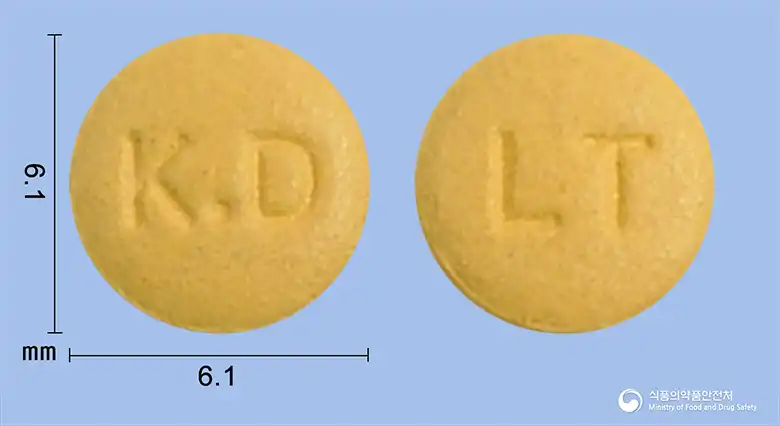
Appearance
Dark yellow round film-coated tablet
Package unit
30 tablets (10 tablets/PTP*3)
Questions about this medicine
No questions yet.
For anything that needs medical judgment, consult a doctor or pharmacist.