
 한국어
 English
 日本語
 中文(简体)
Dosage form image
Viewing nowPantomed Injection (Pantoprazole Sodium Sesquihydrate)
Pantoprazole Sodium Sesquihydrate 45.1mg
Injections · Prescription medication
Ildong Pharmaceutical Co., Ltd.
MFDS item code 200708274 · Notified 2007.07.16 · Insurance code 642902391
Treatment of gastric and duodenal ulcers, reflux esophagitis, and pathological gastric acid hypersecretion
This medication is effective in treating gastric ulcers such as duodenal ulcers and gastric ulcers. It is also used to alleviate symptoms in patients with moderate to severe gastroesophageal reflux disease. Additionally, it helps to control pathological hypersecretion of gastric acid, such as in Zollinger-Ellison syndrome. This medication can effectively improve acid-related diseases.
When oral administration of pantoprazole is inappropriate, dissolve 1 vial of this medication (equivalent to 40 mg of pantoprazole) in 10 mL of normal saline injection and administer by direct intravenous injection, or mix this solution with 100 mL of normal saline injection or 5 % dextrose solution and administer intravenously over 2∼15 minutes. As soon as oral administration becomes possible, discontinue intravenous pantoprazole and switch to oral pantoprazole 40 mg 1. Duodenal ulcer, gastric ulcer, moderate to severe reflux esophagitis Administer 1 vial of this medication (equivalent to 40 mg of pantoprazole) intravenously once daily. 2. Zollinger-Ellison syndrome and other pathological hypersecretory conditions - Start with an initial dose of 80 mg daily, then increase or decrease the dose according to gastric acid secretion measurements. - For doses of 80 mg or more, divide the daily dose into 2 administrations. - Temporary increases to 160 mg or more are possible, but should be used only to the extent needed to achieve adequate acid control. - When rapid acid control is needed, an initial dose of 2 × 80 mg reduced acid output to the target range (< 10 mEq/h) within one hour in most patients. In patients with severe hepatic impairment, the daily dose should be reduced to 20 mg of pantoprazole. In elderly patients or patients with renal impairment, the daily dose should not exceed 40 mg of pantoprazole.
This medication should not be used in patients who are allergic to certain components or have a history of hypersensitivity reactions, as serious allergic reactions may occur. Also, when used in conjunction with certain antiviral drugs, drug interactions may occur, which can decrease therapeutic effects, so they should not be taken together. Various side effects such as dyspepsia, diarrhea, nausea, headaches, and dizziness may occur, so if any abnormal symptoms arise, immediate consultation with a physician is necessary. Patients with severely impaired liver function should have their dosage reduced, and regular liver function tests should be conducted during treatment. Long-term use of this medication may increase the risk of bone fractures, so caution is advised, and there may be a decrease in magnesium levels, necessitating periodic blood tests. This medication may slightly increase the risk of bacterial infections in the stomach by suppressing gastric acid, so if diarrhea persists, the physician should be consulted. If symptoms such as dizziness or blurred vision occur, it is advisable to avoid risky activities such as driving or operating machinery. Use during early pregnancy should be avoided if possible, and pregnant or nursing women should only use it after consulting a doctor. Use in children and adolescents under 18 is not recommended due to insufficient experience. There is no specific antidote for overdose, and appropriate treatment should be received depending on the symptoms. Only the specified solvent should be used to dissolve the medication before administration, and the prepared solution should be used as soon as possible while paying attention to storage temperature. Long-term use of this medication may lead to the development of polyps in the stomach, so it is safest to use it for the minimum required dosage and duration. There may be potential interactions with other medications during treatment, so if taking other medications, it is essential to inform healthcare providers.
Anaphylaxis, anaphylactic shock, angioedema, bronchospasm, acute interstitial nephritis, urticaria, agranulocytosis, leukopenia, thrombocytopenia, pancytopenia, upper abdominal pain, diarrhea, constipation, abdominal distension, dyspepsia, gastric polyp, nausea, vomiting, dry mouth, rhinitis, injection site reaction, thrombophlebitis at the injection site, fever, peripheral edema, pyrexia, elevated bilirubin, liver failure, jaundice, hepatocellular injury, elevated liver enzymes, arthralgia, myalgia, rhabdomyolysis, bone fracture, headache, dizziness, visual disturbances, taste disturbances, insomnia, sleep disorders, depression, hallucinations, disorientation, confusion, interstitial nephritis, pruritus, skin erythema, angioedema, Stevens-Johnson syndrome, erythema multiforme, toxic epidermal necrolysis, photosensitivity reaction, gynecomastia, hyperlipidemia, lipid increase, weight changes, hyponatremia, hypomagnesemia, elevated CK, systemic lupus erythematosus, cutaneous lupus erythematosus, diarrhea, heartburn, mucocutaneous syndrome, interstitial nephritis, pancreatitis, confusion, decreased activity, language impairment, sialorrhea, dizziness, tinnitus, hypocalcemia, hypokalemia, Clostridium difficile-associated diarrhea, paresthesia, DRESS syndrome, microscopic colitis
Not everyone experiences these, and they can vary from person to person.
This medication is sensitive to light, so it should be stored in containers that do not allow light to pass through. Moreover, to ensure safe storage, it is recommended to keep it in a cool place below 25 degrees Celsius.
This medication is an injection in a brown vial containing a dry powder that is white to almost white in color.
For domestic use - 10 vials/box, for export - 1 vial/box
Even with the same ingredient, strength, dosage form and how it is taken can differ.
Pantoprazole Sodium Sesquihydrate 45.1mg
Injections · Prescription medication
Ildong Pharmaceutical Co., Ltd.
Pantoprazole Sodium Sesquihydrate 45.1mg
Injections · Prescription medication
Takeda Korea Pharmaceutical Co., Ltd.
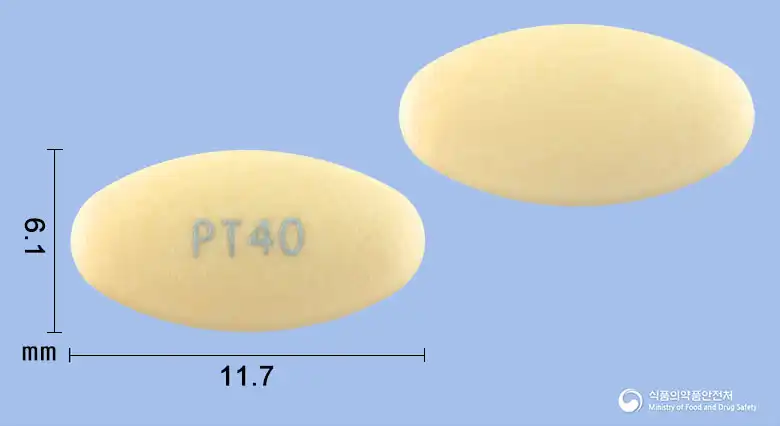
Pantoprazole Sodium Sesquihydrate 45.1mg
Tablet · Prescription medication
Dong-A ST Co., Ltd.
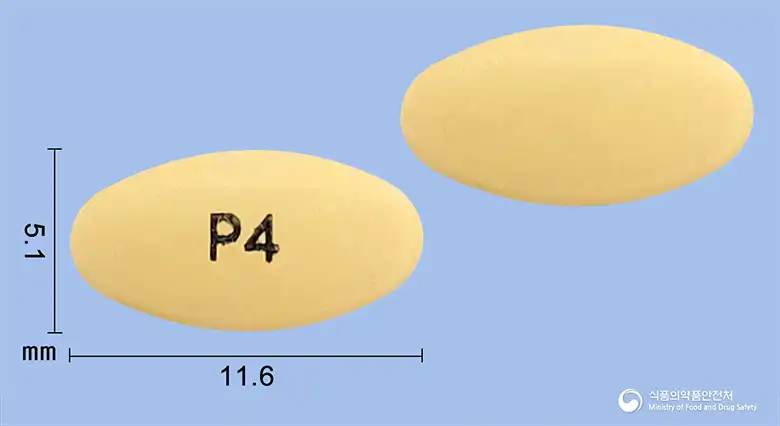
Pantoprazole Sodium Sesquihydrate 45.1mg
Tablet · Prescription medication
Youngjin Pharmaceutical Co., Ltd.
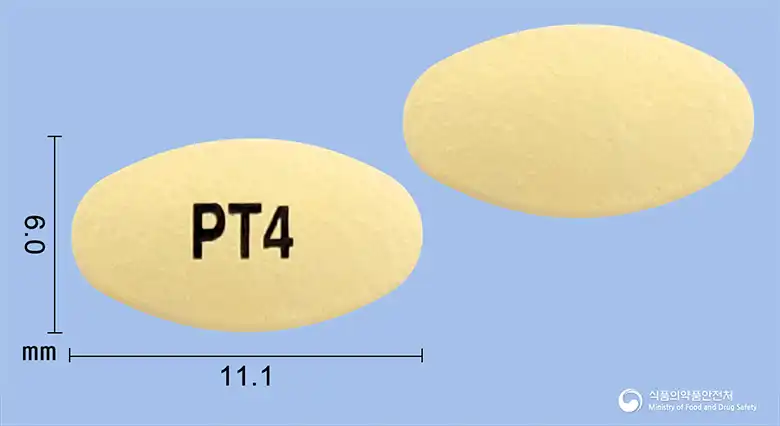
Pantoprazole Sodium Sesquihydrate 45.1mg
Tablet · Prescription medication
Albozen Korea Co., Ltd.
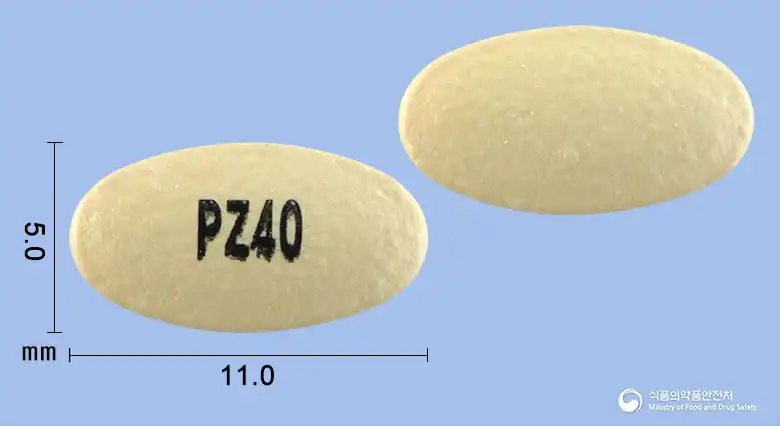
Pantoprazole Sodium Sesquihydrate 45.1mg
Tablet · Prescription medication
Daewoo Pharmaceutical Co., Ltd.
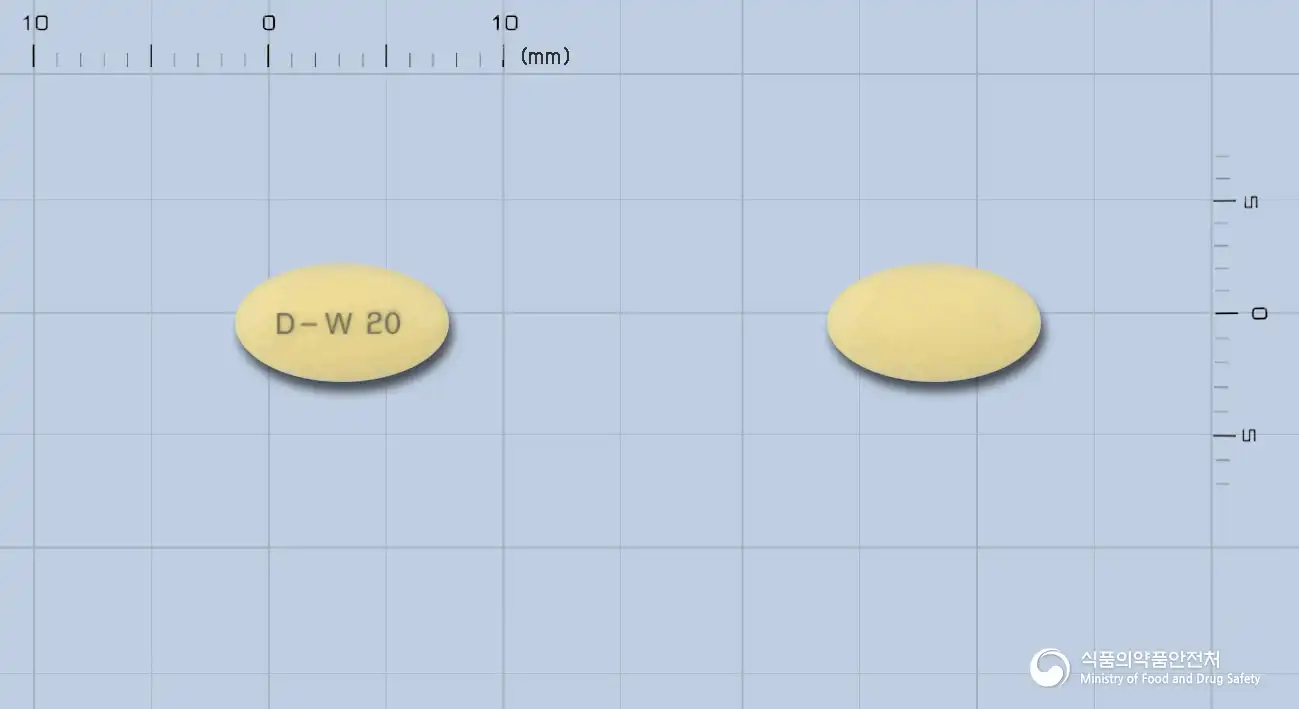
Pantoprazole Sodium Sesquihydrate 22.6mg
Tablet · Prescription medication
Dongwha Pharm Co., Ltd.
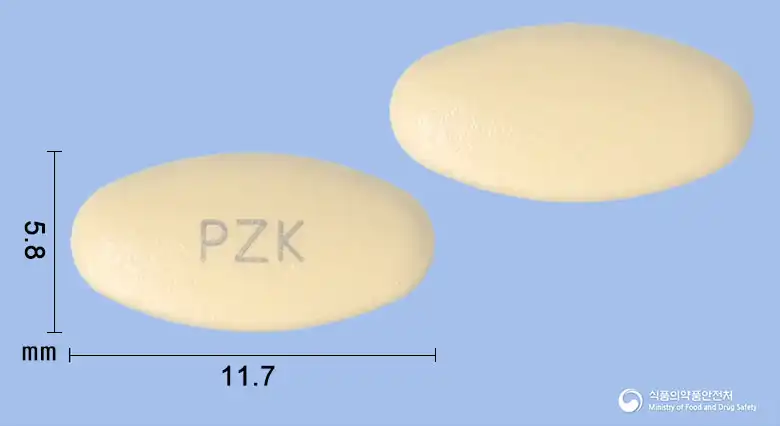
Pantoprazole Sodium Sesquihydrate 45.1mg
Tablet · Prescription medication
Genewon Sciences Co., Ltd.
Even with the same ingredient, the dose and directions can differ by strength and dosage form. Talk to a doctor or pharmacist before switching from a medication you are already taking.
No questions yet.
For anything that needs medical judgment, consult a doctor or pharmacist.
This drug information is based on data provided by the Korea Ministry of Food and Drug Safety.
Consult a doctor or pharmacist for accurate dosage, administration, and usage instructions.