
 한국어
한국어 English
 日本語
日本語 中文(简体)
 Viewing nowCombination
Pseudoephedrine Sustained Release Capsule
Pseudoephedrine Hydrochloride 120mg · Ebastine 10mg
Hard capsule · Prescription medication · Combination
Samchundang Pharm Co., Ltd.
MFDS item code 200707391 · Approved 2007.06.27 · Insurance code 651203100
Improvement of symptoms of vasomotor and allergic rhinitis
This medication is used to treat symptoms of vasomotor rhinitis, allergic rhinitis, and rhinitis due to colds. It helps alleviate uncomfortable symptoms such as nasal congestion, stuffiness, sneezing, and runny nose, allowing patients to live more comfortably. It also regulates inflammation and allergic reactions, reducing irritation of the nasal mucosa. It effectively improves symptoms for those experiencing cold-like symptoms. For these reasons, this medication is widely used in the treatment of rhinitis symptoms.
1 capsule once a day, in severe cases 1 capsule twice a day The duration of treatment should not exceed 10 days for vasomotor and allergic rhinitis, and 3 days for cold-related rhinitis without a doctor's direction.
For adolescents aged 12 years and older: 1 capsule once a day
This medication contains pseudoephedrine and may cause serious skin adverse reactions such as acute generalized exanthematous pustulosis, so skin conditions must be monitored closely during administration. Patients allergic to this medication or those with certain conditions, such as angle-closure glaucoma, severe hypertension, hyperthyroidism, should not take this medication. Additionally, patients with severe liver disease, kidney disease, children under 12 years of age, pregnant and nursing women, and those with genetic issues such as lactose intolerance should not take this medication. Patients with a history of glaucoma, hypertension, heart disease, diabetes, prostate enlargement, and liver disease should use this medication cautiously, especially those at risk of QT interval prolongation or taking specific medications. Rare side effects that may occur with this medication include palpitations, drowsiness, irritability, nausea, vomiting, liver function abnormalities, rash, and symptoms such as dry mouth, insomnia, headache, and increased heart rate due to pseudoephedrine. If any adverse symptoms appear during administration, consulting a doctor immediately is necessary, especially if acute skin reactions, severe headache, confusion, or visual disturbances occur, prompting immediate cessation of the medication. Care should be taken when driving or operating hazardous machinery until personal reactions to this medication stabilize. This medication should not be combined with monoamine oxidase inhibitors as it may cause severe hypertension, and interactions may occur with other sympathomimetics or some antihypertensives. During pregnancy or breastfeeding, the safety of this medication has not been fully established, so it should be used cautiously and avoided if possible while nursing. In cases of overdose, gastrointestinal decontamination and symptom-based treatment may be necessary, and urgent measures such as ECG monitoring may be required. This medication should be stored in a safe place out of reach of children, and transferring it to another container should be avoided to maintain quality and safety.
Acute generalized exanthematous pustulosis (AGEP), severe skin adverse reactions, reversible posterior leukoencephalopathy syndrome, reversible cerebral vasoconstriction syndrome, headache (severe headache, thunderclap headache), seizures, visual disturbances, confusion, anaphylactic shock, palpitations, tachycardia, ischemic colitis symptoms (sudden abdominal pain, rectal bleeding)
Not everyone experiences these, and they can vary from person to person.
This medication should be stored in a well-sealed container that is air-tight, at a temperature between 1 degree and 30 degrees Celsius. This helps maintain the medication's effectiveness and prevents degradation.
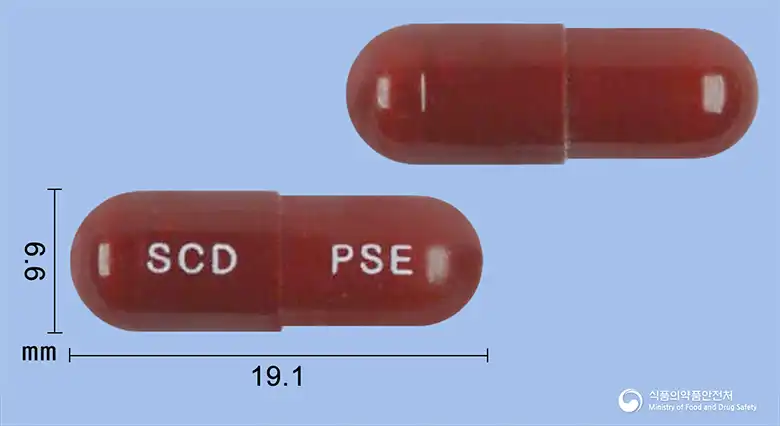
Hard capsule with red upper and lower parts containing white to grayish-white spherical granules
30 capsules/bottle, 300 capsules/bottle
Even with the same ingredient, strength, dosage form and how it is taken can differ.
Viewing nowCombinationPseudoephedrine Hydrochloride 120mg · Ebastine 10mg
Hard capsule · Prescription medication · Combination
Samchundang Pharm Co., Ltd.
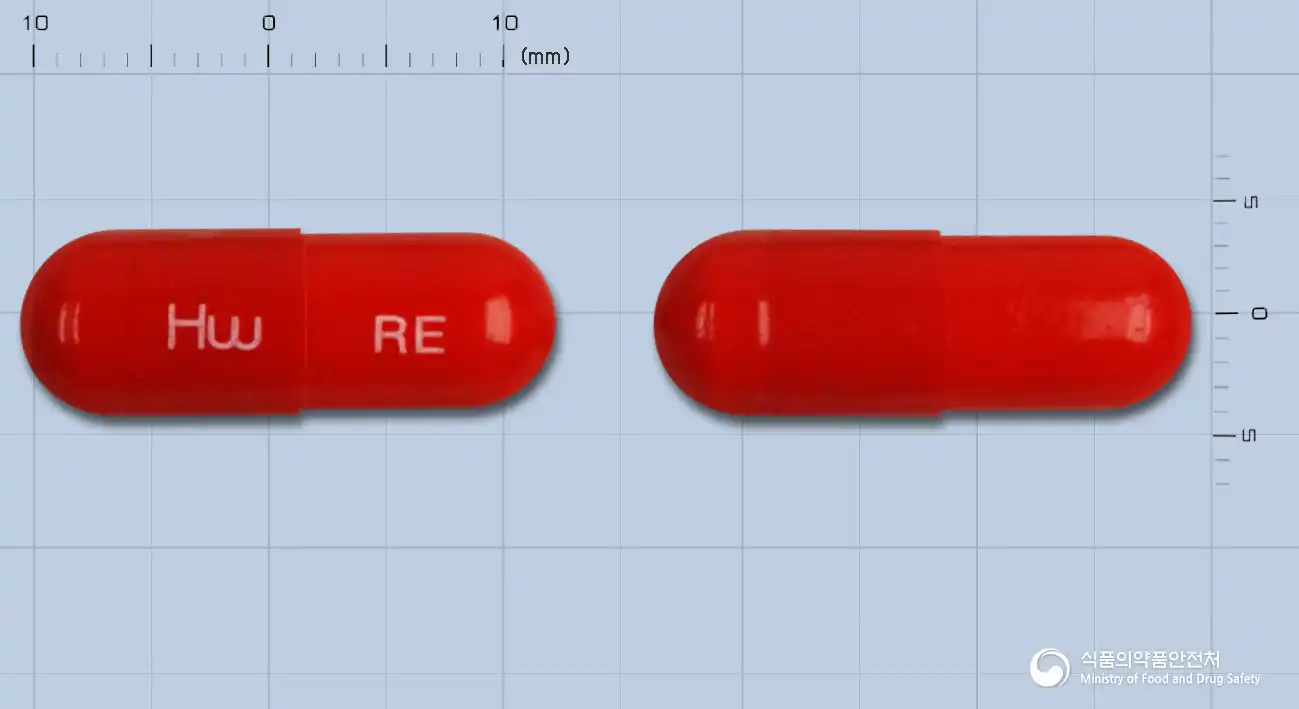 Combination
Pseudoephedrine Hydrochloride 120mg · Ebastine 10mg
Hard capsule · Prescription medication · Combination
Albozen Korea Co., Ltd.
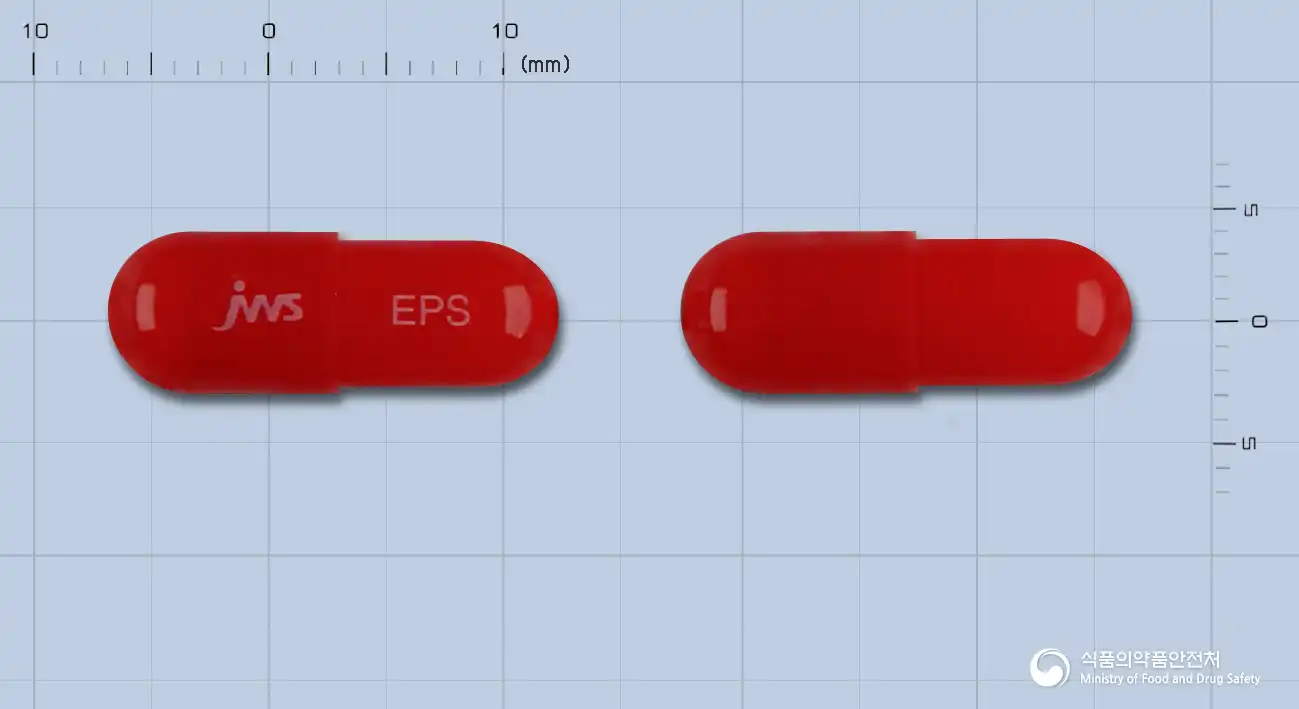 Combination
Pseudoephedrine Hydrochloride 120mg · Ebastine 10mg
Hard capsule · Prescription medication · Combination
JW Pharmaceutical Co., Ltd.
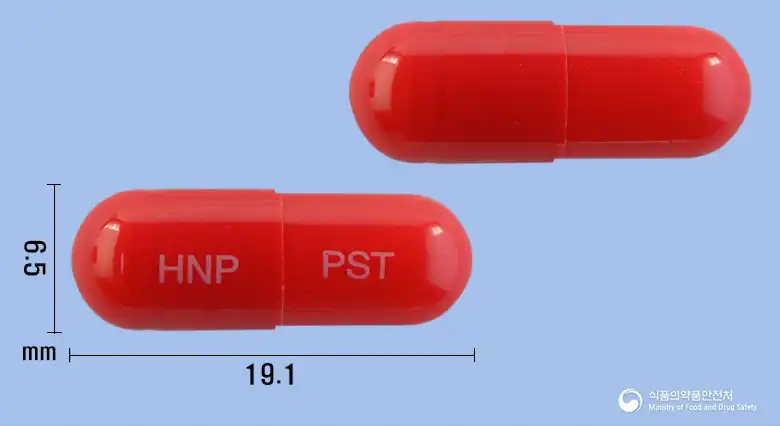 Combination
Pseudoephedrine Hydrochloride 120mg · Ebastine 10mg
Hard capsule · Prescription medication · Combination
Hana Pharmaceutical Co., Ltd.
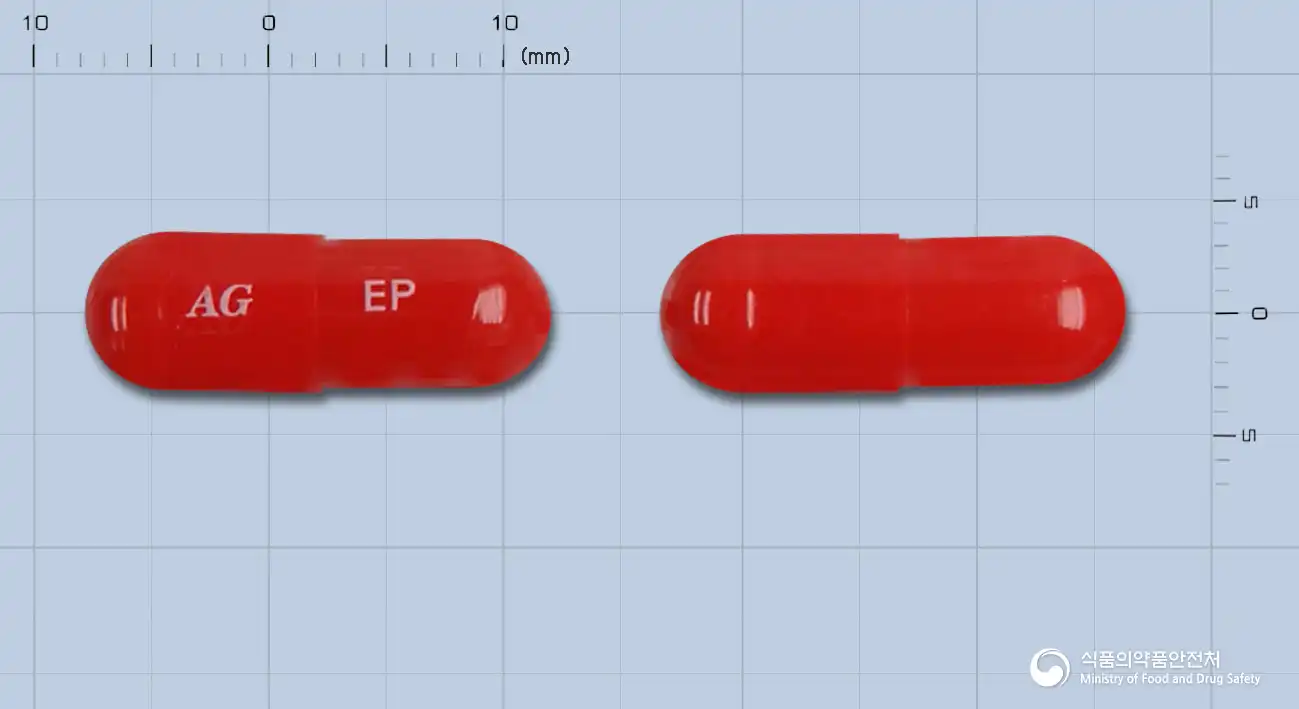 Combination
Pseudoephedrine Hydrochloride 120mg · Ebastine 10mg
Hard capsule · Prescription medication · Combination
Anguk Pharmaceutical Co., Ltd.
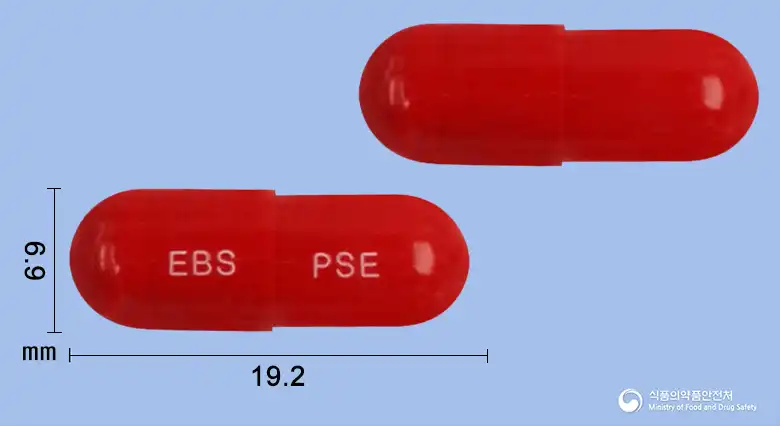 Combination
Pseudoephedrine Hydrochloride 120mg · Ebastine 10mg
Hard capsule · Prescription medication · Combination
Shinil Pharmaceutical Co., Ltd.
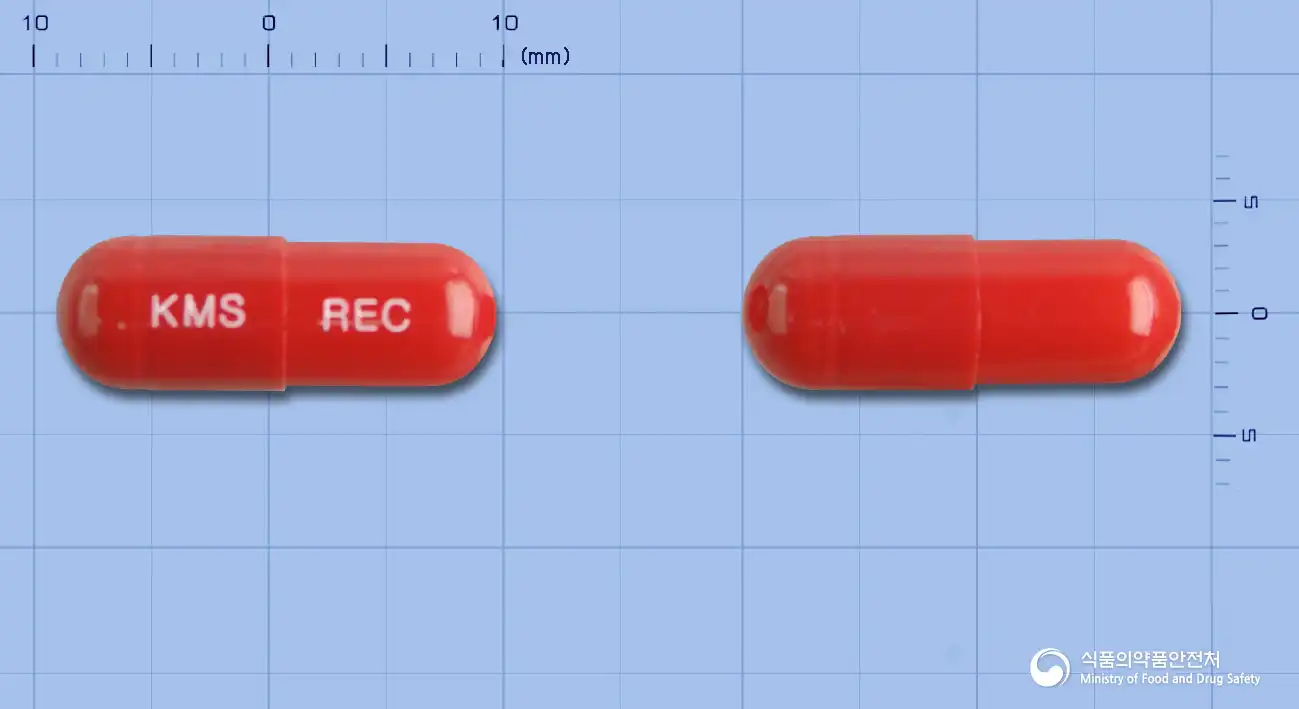 Combination
Pseudoephedrine Hydrochloride 120mg · Ebastine 10mg
Hard capsule · Prescription medication · Combination
KMS Pharmaceutical Co., Ltd.
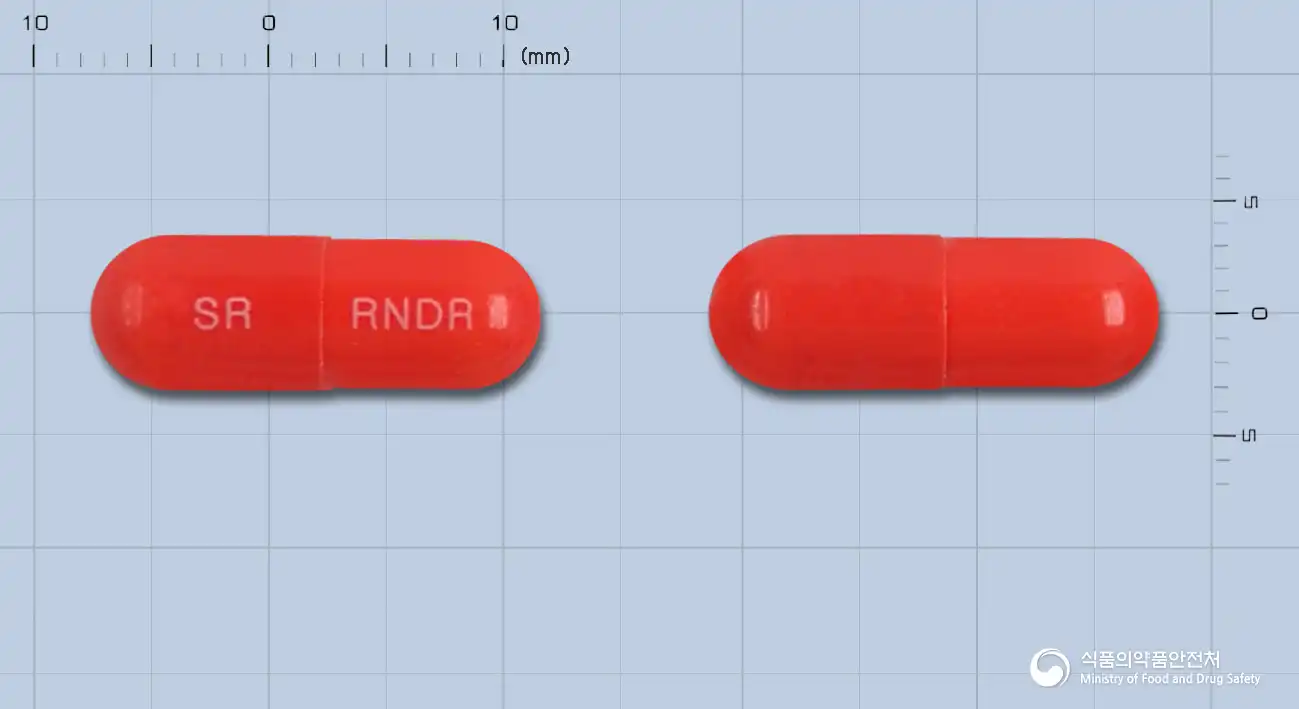 Combination
Pseudoephedrine Hydrochloride 120mg · Ebastine 10mg
Hard capsule · Prescription medication · Combination
Jinyang Pharmaceutical Co., Ltd.
Even with the same ingredient, the dose and directions can differ by strength and dosage form. Talk to a doctor or pharmacist before switching from a medication you are already taking.
No questions yet.
For anything that needs medical judgment, consult a doctor or pharmacist.
This drug information is based on data provided by the Korea Ministry of Food and Drug Safety.
Consult a doctor or pharmacist for accurate dosage, administration, and usage instructions.