
 한국어
 English
 日本語
 中文(简体)
 Viewing nowCombination
Atrasemi Tablet
Acetaminophen 162.5mg · Tramadol Hydrochloride 18.75mg
Tablet · Prescription medication · Combination
Kolon Pharmaceutical Co., Ltd.
MFDS item code 200707251 · Notified 2007.06.25 · Insurance code 670300980
Relief of moderate to severe acute and chronic pain
This medication is used to relieve acute and chronic pain ranging from moderate to severe.
Adults: The dose should be adjusted according to the patient's pain severity and response to treatment. An initial dose of 4 tablets is recommended. Thereafter, doses should be given at intervals of at least 6 hours, and no more than 16 tablets should be taken in 1 day. Use the lowest effective dose for the shortest possible duration. Do not use this medicine for longer than necessary. If long-term treatment is required due to the nature and severity of the condition, conduct regular monitoring to determine whether treatment with this medicine should be continued. Elderly patients Use the usual adult dose. However, since the elimination half-life of tramadol increased by 17% when administered orally to patients aged 75 years or older, administer this medicine at intervals of at least 6 hours. Patients with renal impairment For patients with moderate renal impairment (creatinine clearance 10-30ml/min), extend the dosing interval to 12 hours. Use is not recommended in patients with severe renal impairment (creatinine clearance less than 10ml/min). Since tramadol is removed very slowly by hemodialysis and filtration, there is no need to administer an additional dose of this medicine after dialysis to maintain analgesia. Patients with hepatic impairment Carefully consider extending the dosing interval in patients with moderate hepatic impairment. Do not administer this medicine to patients with severe hepatic impairment.
Children aged 12 years and older: The dose should be adjusted according to the patient's pain severity and response to treatment. An initial dose of 4 tablets is recommended. Thereafter, doses should be given at intervals of at least 6 hours, and no more than 16 tablets should be taken in 1 day. Use the lowest effective dose for the shortest possible duration. Do not use this medicine for longer than necessary. If long-term treatment is required due to the nature and severity of the condition, conduct regular monitoring to determine whether treatment with this medicine should be continued.
This medication significantly increases the risk of liver damage for individuals who regularly consume more than three alcoholic beverages daily, so it must be discussed with a doctor or pharmacist. Rarely, this medication can cause serious skin reactions, so if a rash or allergic symptoms occur, administration should be immediately stopped, and medical advice should be sought. One of the main ingredients of this medication, tramadol, can increase the risk of seizures if taken in excess of the recommended dose or with certain medications, so caution is needed. For patients with severe bronchial asthma, there is a serious risk of respiratory suppression when this medication is administered, thus it should be given only in a medically equipped environment. Taking this medication with alcohol or benzodiazepines can lead to severe drowsiness, respiratory suppression, or coma, so co-administration should be avoided. Patients with increased intracranial pressure or head injury may experience exacerbated symptoms when taking this medication, thus caution is advised. This medication may lead to physical and psychological dependence; thus, medical staff should closely monitor for dependence when used for extended periods. Patients with impaired liver function must consult a doctor before taking this medication, as there is a risk of liver damage, and the recommended dosage should not be exceeded. In particular, patients who are ultra-rapid metabolizers of CYP2D6 may rapidly increase the active metabolites of this medication, leading to serious side effect risks such as respiratory suppression, necessitating dosage adjustments and monitoring. This medication should not be administered to children younger than 12 years or adolescents under 18 years who have undergone tonsillectomy or adenoidectomy due to elevated risks of respiratory suppression in this age group. This medication can cause sleep apnea or hypoxia; symptoms should be continuously monitored and dosages should be reduced or discontinued if necessary. Electrolyte imbalances such as hyponatremia may occur, so particularly elderly patients or patients with risk factors should undergo blood tests for monitoring. Those with allergies to this medication's ingredients, those who are overdosed on central nervous system depressants, those with severe respiratory suppression, head injuries, or those currently taking MAO inhibitors should not take this medication. Sudden discontinuation while taking this medication may lead to withdrawal symptoms such as anxiety, insomnia, and irritability; thus, it is advisable to gradually taper off under medical supervision. This medication can cause drowsiness and dizziness when driving or operating machinery, so caution is advised, especially with concurrent alcohol use. Overdose may present serious symptoms such as respiratory suppression, seizures, or heart problems; in emergency situations, contact medical services immediately. This medication can interact with various other medications, so inform medical personnel about any other medications being taken, particularly antidepressants, antibiotics, and anticoagulants, as caution is particularly needed with these combinations. Elderly patients have a higher risk of side effects due to decreased liver, kidney, and heart functions as well as multiple drug use, thus usage should be done more cautiously. Pregnant or breastfeeding women must consult a doctor before taking this medication, as it can pass into breast milk and affect the baby.
Liver damage, acute generalized exanthematous pustulosis, Stevens-Johnson syndrome, toxic epidermal necrolysis, seizures, anaphylactic reaction, respiratory depression, deep sedation, coma, hepatotoxicity, hyponatremia, decreased appetite, insomnia, depression, dizziness, headache, drowsiness, nausea, vomiting, constipation, dry mouth, diarrhea, dyspepsia, abdominal pain, abdominal discomfort, flatulence, pruritus, sweating, rash, fatigue, flushing, urticaria, hypersensitivity, hypoglycemia, anxiety, irritability, emotional instability, euphoria, decreased libido, sleep disorders, confusion, disorientation, agitation, abnormal dreams, drug abuse, hallucinations, withdrawal syndrome, migraine, hypersomnolence, sensory impairment, tremors, sensory abnormalities, attention deficit, syncope, memory impairment, psychomotor hyperactivity, sedation, amnesia, perceptual abnormalities, convulsions, blurred vision, visual impairment, pupil constriction, vertigo, tinnitus, ear discomfort, palpitations, tachycardia, hypertension, hypotension, dyspnea, dry throat, increased liver enzymes, generalized pruritus, cold sweat, urinary disorders, erectile dysfunction, asthenia, chest pain, emotional abnormality, chills, chest discomfort, lethargy, drug withdrawal syndrome, thirst, irritability, heat sensation, weight loss, increased serum creatinine, anaphylactic response, influence on unstable emotions, delirium, suicidal ideation, hypertonia, movement disorders, serotonin syndrome, speech disorders, mydriasis, orthostatic hypotension, hepatitis, gait disturbances, prolonged prothrombin time, thrombocytopenia, agranulocytosis, blood disorders, hypoprothrombinemia, fatigue metabolic acidosis with phenylalanine, high anion gap metabolic acidosis, fixed rash, asthenia, fever, edema, chest pain, rigidity, syncope, congestive heart failure, dizziness, confusion, exacerbated migraine, involuntary muscle contractions, exercise-induced dyspnea, cough, bronchitis, urinary retention, increased urination, abnormal kidney function tests, oliguria, increased sweating, dysphagia, tongue swelling, increased salivation, progression of rectal cancer, progression of esophageal cancer, progression of gastric cancer, paralytic ileus, hiccups, cholecystitis, depersonalization, anemia, decreased hemoglobin, decreased red blood cells, decreased white blood cells, increased white blood cells, thrombocytopenia, arrhythmia, exacerbated hypertension, aortic stenosis, bleeding, increased cholesterol, tinnitus, chills, hip pain, thigh pain, allergic rhinitis, nasal bleeding, abnormal vision, progression of bile duct cancer, foreign body sensation in the eye, progression of liver cancer, abnormal liver function, nausea, dizziness, dyspnea, confusion, migraine, speech disorders, loss of consciousness, recurrence of myocardial infarction, hypotension, vomiting, dyspepsia, confusion, multiple organ failure, anaphylaxis, intentional overdose, belching, chest discomfort, anxiety, sweating, rigidity, pain, upper respiratory syndrome, lip tremors, agitation, hyperkinesia, panic attacks, severe anxiety, hallucinations, perceptual abnormalities, tinnitus, abnormal central nervous system reactions, toxic skin necrosis
Not everyone experiences these, and they can vary from person to person.
This medication should be stored in a sealed container to prevent air or moisture ingress and kept in a cool place below room temperature of 25 degrees Celsius. Proper storage can help maintain the effectiveness of the medication for a longer period.
Pale yellow oblong film-coated tablet
30 tablets/bottle, 100 tablets/bottle, 300 tablets/bottle
Even with the same ingredient, strength, dosage form and how it is taken can differ.
Viewing nowCombinationAcetaminophen 162.5mg · Tramadol Hydrochloride 18.75mg
Tablet · Prescription medication · Combination
Kolon Pharmaceutical Co., Ltd.
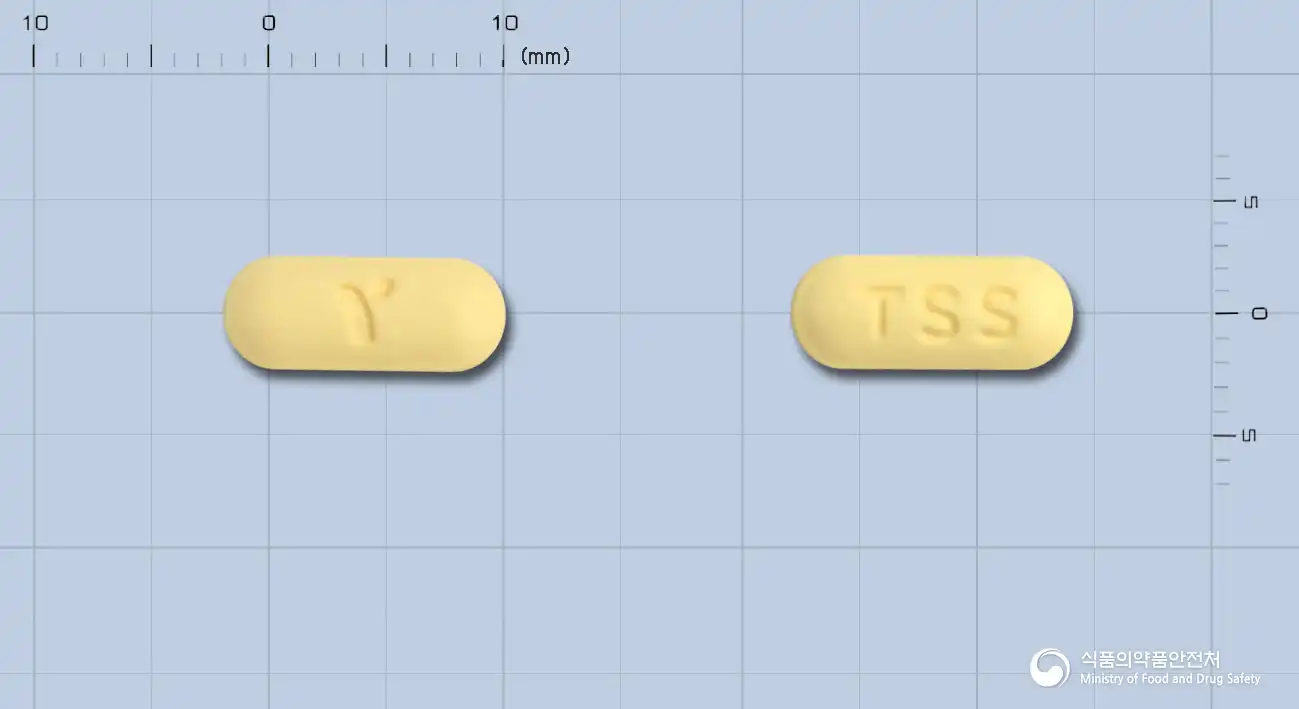 Combination
Acetaminophen 162.5mg · Tramadol Hydrochloride 18.75mg
Tablet · Prescription medication · Combination
Yuyoung Pharmaceutical Co., Ltd.
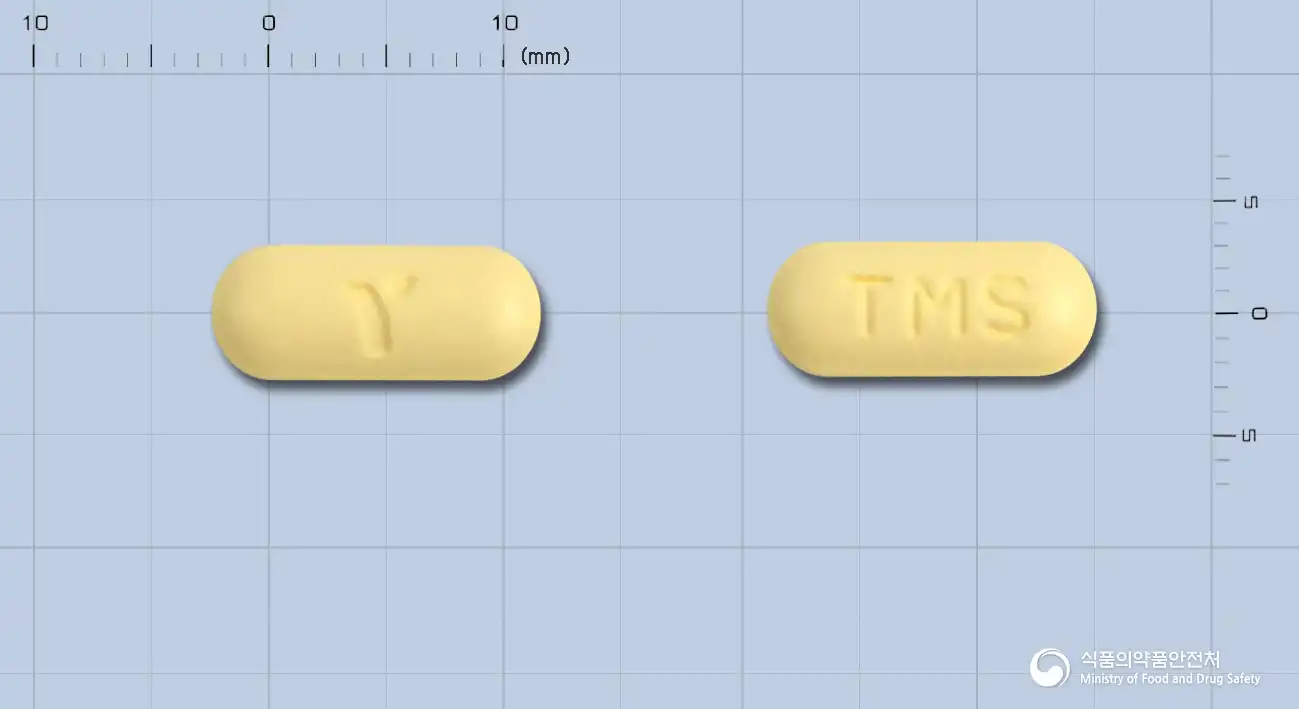 Combination
Acetaminophen 325mg · Tramadol Hydrochloride 37.5mg
Tablet · Prescription medication · Combination
Youyoung Pharmaceutical Co., Ltd.
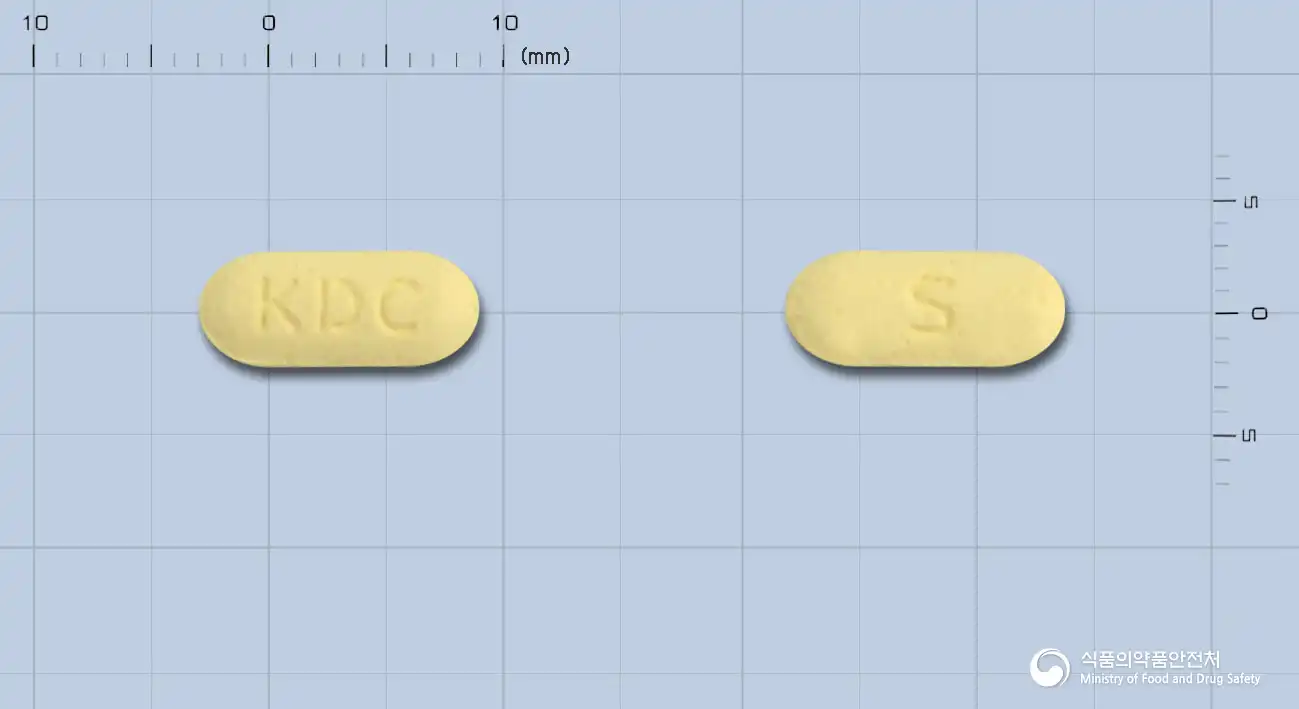 Combination
Tramadol Hydrochloride 18.75mg · Acetaminophen 162.5mg
Tablet · Prescription medication · Combination
Korea Pharmaceutical Co., Ltd.
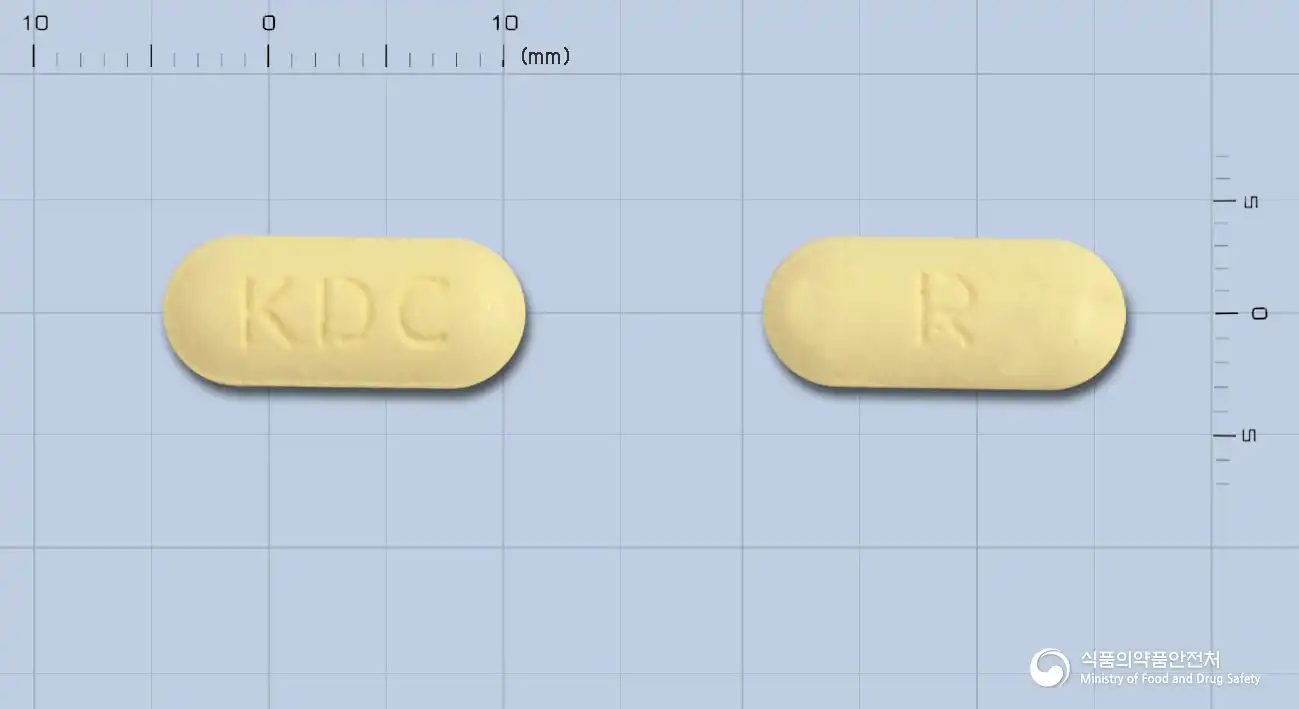 Combination
Tramadol Hydrochloride 37.5mg · Acetaminophen 325mg
Tablet · Prescription medication · Combination
Korea United Pharmaceutical Co., Ltd.
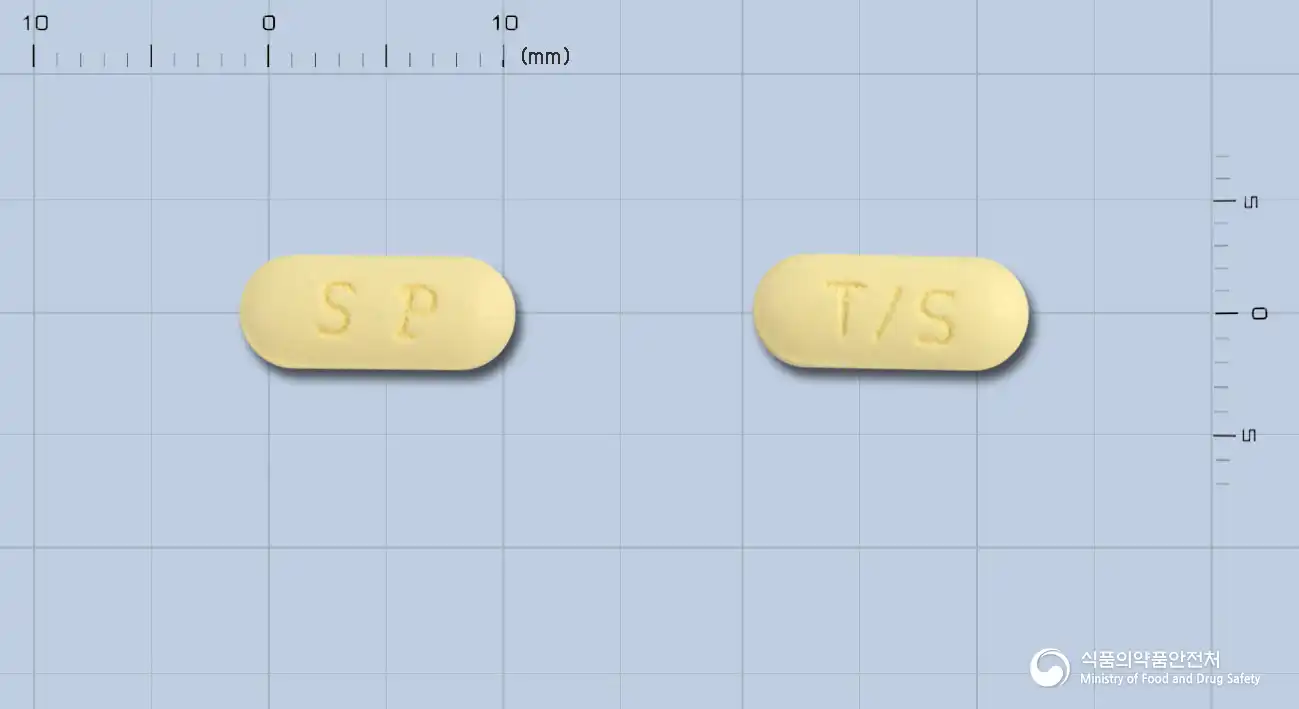 Combination
Acetaminophen 162.5mg · Tramadol Hydrochloride 18.75mg
Tablet · Prescription medication · Combination
Shinpoong Pharmaceutical Co., Ltd.
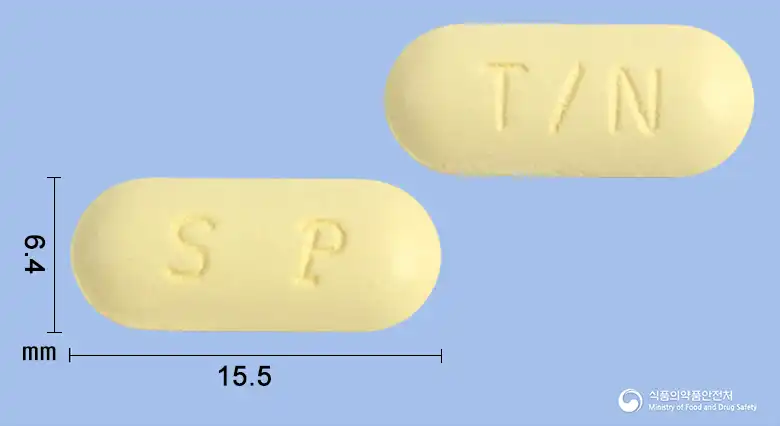 Combination
Acetaminophen 325mg · Tramadol Hydrochloride 37.5mg
Tablet · Prescription medication · Combination
Sinphong Pharmaceutical Co., Ltd.
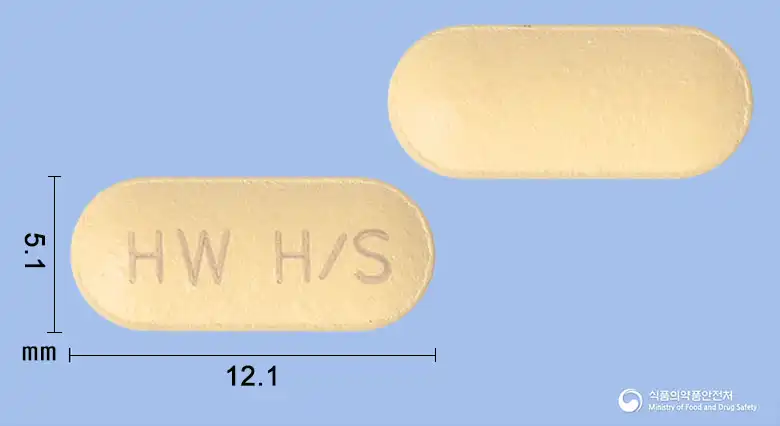 Combination
Acetaminophen 162.5mg · Tramadol Hydrochloride 18.75mg
Tablet · Prescription medication · Combination
Albozen Korea Co., Ltd.
Even with the same ingredient, the dose and directions can differ by strength and dosage form. Talk to a doctor or pharmacist before switching from a medication you are already taking.
No questions yet.
For anything that needs medical judgment, consult a doctor or pharmacist.
This drug information is based on data provided by the Korea Ministry of Food and Drug Safety.
Consult a doctor or pharmacist for accurate dosage, administration, and usage instructions.