
 한국어
 English
 日本語
 中文(简体)
 Viewing now
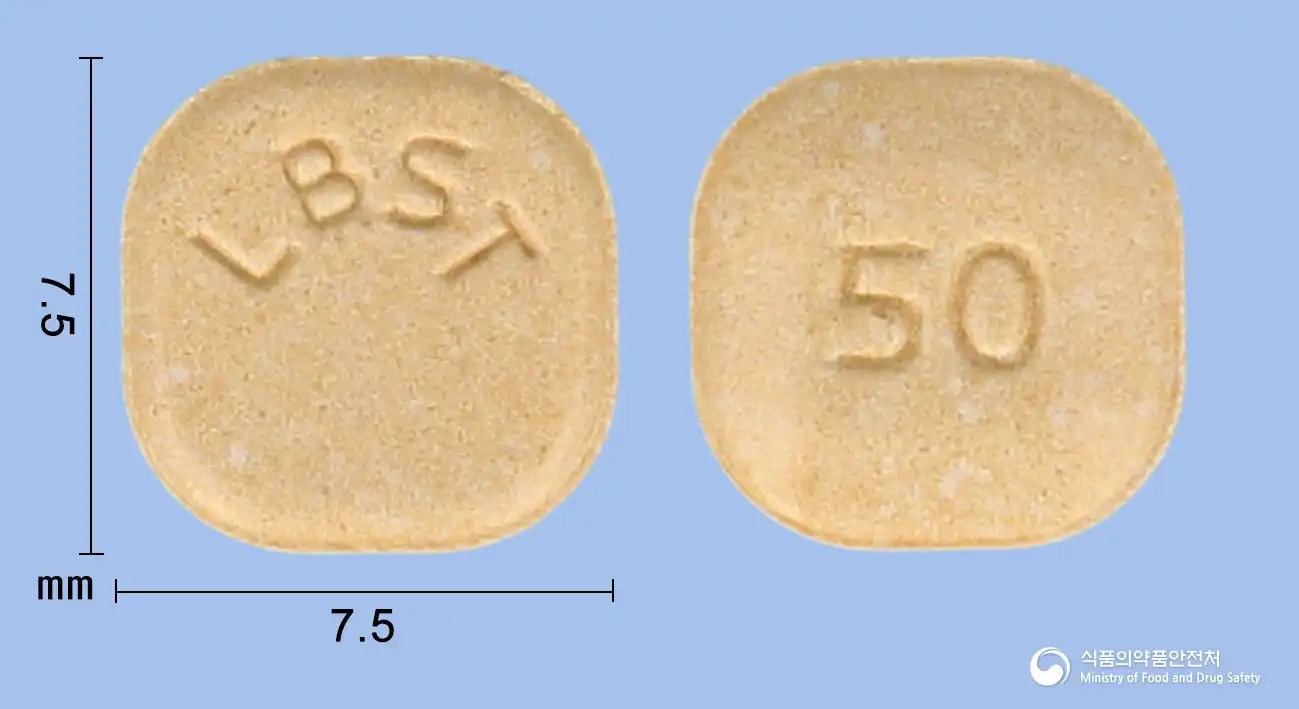
Ravicti 50 mg (Lamotrigine)
Lamotrigine 50mg
Tablet · Prescription medication
Hallym Pharmaceutical Co., Ltd.
MFDS item code 200705098 · Notified 2007.05.02 · Insurance code 645300280
Treatment of epilepsy (partial seizures, etc.); prevention of recurrence of depressive episodes in bipolar I disorder
This medication is used as monotherapy or adjunctive therapy for epilepsy, particularly partial seizures and generalized tonic-clonic seizures. It is also applicable as adjunctive therapy for seizures due to Lennox-Gastaut syndrome. Additionally, it is effective in preventing the recurrence of depressive episodes in patients with bipolar type I disorder. Therefore, it helps prevent the recurrence of epilepsy and depression.
Epilepsy Adults and adolescents aged 13 years and older Monotherapy: Weeks 1 and 2: 25 mg once daily; weeks 3 and 4: 50 mg once daily; maintenance dose: 100∼200 mg once daily or in 2 divided doses. Increase by a maximum of 50∼100 mg every 1∼2 weeks until the maintenance dose is reached. Doses of up to 500 mg/day have been used in some patients to achieve the desired response. Adjunctive therapy (daily dose): Patients not receiving valproate and receiving glucuronidation inducers: Weeks 1 and 2: 50 mg once daily; weeks 3 and 4: 100 mg in 2 divided doses; maintenance dose: 200∼400 mg in 2 divided doses. Increase by a maximum of 100 mg every 1~2 weeks until the maintenance dose is reached. Adjunctive therapy (daily dose): Patients receiving valproate, regardless of other concomitant medications: Weeks 1 and 2: 12.5 mg (25 mg every other day); weeks 3 and 4: 25 mg once daily; maintenance dose: 100∼200 mg once daily or in 2 divided doses. Increase by a maximum of 25~50 mg every 1~2 weeks until the maintenance dose is reached. For patients taking medications with no known pharmacokinetic interaction with lamotrigine, dose increases should follow the recommended dosage and rate of dose increase for concomitant administration of this drug with valproate. Bipolar disorder Adults aged 18 years and older Dose escalation schedule to reach the maintenance stabilization dose (daily dose): Patients receiving glucuronidation inhibitors (e.g., valproate): Weeks 1 and 2: 12.5 mg (25 mg every other day); weeks 3 and 4: 25 mg once daily; week 5: 50 mg once daily or in 2 divided doses; target stabilization dose (week 6): 100 mg once daily or in 2 divided doses (maximum daily dose: 200 mg). Patients not receiving inhibitors such as valproate and receiving glucuronidation inducers (e.g., carbamazepine, phenobarbital): Weeks 1 and 2: 50 mg once daily; weeks 3 and 4: 100 mg in 2 divided doses; week 5: 200 mg in 2 divided doses; week 6: 300 mg, which may be increased to 400 mg in week 7 if necessary (in 2 divided doses). Patients receiving other medications that do not significantly inhibit or induce lamotrigine glucuronidation (e.g., lithium, bupropion), or receiving lamotrigine as monotherapy: Weeks 1 and 2: 25 mg once daily; weeks 3 and 4: 50 mg once daily or in 2 divided doses; week 5: 100 mg once daily or in 2 divided doses; target stabilization dose (week 6): 200 mg once daily or in 2 divided doses. For patients taking antiepileptic drugs with no known pharmacokinetic interaction with lamotrigine, dose increases should follow the recommended dosage for concomitant administration of this drug with valproate. The target stabilization dose may be adjusted according to clinical response. Patients receiving glucuronidation inhibitors (e.g., valproate): Administer 25 mg every other day for the first 2 weeks, then 25 mg once daily for the next 2 weeks. The target dose for optimal response is 100 mg once daily or in 2 divided doses. Depending on clinical response, increase to a maximum of 200 mg once daily (or in 2 divided doses). Patients not receiving inhibitors such as valproate and receiving glucuronidation inducers (e.g., carbamazepine, phenobarbital): Administer 50 mg once daily for the first 2 weeks, then 100 mg in 2 divided doses for the next 2 weeks. In week 5, increase to 200 mg in 2 divided doses. In week 6, increase to 300 mg in 2 divided doses. The usual target dose for optimal response may be 400 mg in 2 divided doses from week 7 onward. Patients receiving other medications that do not significantly inhibit or induce glucuronidation (e.g., lithium, bupropion), or receiving this drug as monotherapy: Administer 25 mg once daily for the first 2 weeks, then 50 mg once daily (or in 2 divided doses) for the next 2 weeks. In week 5, increase to 100 mg once daily (or in 2 divided doses). The usual target dose for optimal response is 200 mg once daily or in 2 divided doses. In clinical trials, doses of up to 400 mg/day were used as monotherapy, but lamotrigine 400 mg/day offered no benefit over 200 mg/day. After reaching the maintenance stabilization dose: After discontinuing a glucuronidation inhibitor (e.g., valproate), administer twice the stabilization dose. However, the dose increase should not exceed 100 mg/week. For example, if the target stabilization dose is 100 mg/day, administer 200 mg/day in week 1. Maintain the week 1 dose in week 2 (200 mg/day), once daily or in 2 divided doses. After discontinuing a glucuronidation inducer (e.g., carbamazepine): Select the dose according to the existing maintenance dose. 400 mg: 300 mg in week 1, 200 mg in week 2. 300 mg: 225 mg in week 1, 150 mg in week 2. 200 mg: 150 mg in week 1, 100 mg in week 2. After discontinuing medications that do not significantly inhibit or induce lamotrigine glucuronidation (e.g., lithium, bupropion), maintain the target maintenance dose reached through dose escalation (200 mg/day) (in 2 divided doses). For patients taking antiepileptic drugs with no known pharmacokinetic interaction with lamotrigine, it is recommended that the current dose initially be maintained and adjusted according to clinical response. After discontinuing a glucuronidation inhibitor (e.g., valproate), increase this drug's dose to twice the previous target stabilization dose and continue at this dose. After discontinuing a glucuronidation inducer (e.g., carbamazepine), select the dose according to the existing maintenance dose. After discontinuing a glucuronidation inducer, gradually reduce the dose of this drug over 3 weeks. After discontinuing medications that do not significantly inhibit or induce glucuronidation (e.g., lithium, bupropion), maintain the target dose reached through dose escalation. Dose adjustment when adding other medications: When adding a glucuronidation inhibitor (e.g., valproate), select the dose according to the existing lamotrigine dose: 200 mg: 100 mg* in week 1, then maintain this dose (100 mg/day)*; 300 mg: 150 mg* in week 1, then maintain this dose (150 mg/day)*; 400 mg: 200 mg* in week 1, then maintain this dose (200 mg/day)*. When adding a glucuronidation inducer (e.g., carbamazepine) in patients not receiving valproate, select the dose according to the existing dose: 200 mg: 200 mg** in week 1, 300 mg** in week 2, 400 mg** from week 3 onward; 150 mg: 150 mg** in week 1, 225 mg** in week 2, 300 mg** from week 3 onward; 100 mg: 100 mg** in week 1, 150 mg** in week 2, 200 mg** from week 3 onward. When adding medications that do not significantly inhibit or induce lamotrigine glucuronidation (e.g., lithium, bupropion): target maintenance dose reached through dose escalation (200 mg/day)*. For patients taking antiepileptic drugs with no known pharmacokinetic interaction with lamotrigine, dose increases should follow the recommended dosage for concomitant administration of this drug with valproate. *: Once daily or in 2 divided doses, **: in 2 divided doses. Discontinuation of this drug: Unless immediate discontinuation is required for safety reasons (e.g., serious skin rash), the dose of this drug should be gradually reduced over a minimum of 2 weeks. Restarting treatment: If the time since discontinuation of this drug exceeds 5 half-lives, gradually increase the dose to the maintenance dose according to an appropriate schedule. Elderly patients: The recommended dosing schedule for adults and adolescents aged 13 years and older may also be used in elderly patients (65 years and older). Start with a low dose. Patients with hepatic impairment: In patients with moderate (Child-Pugh grade B) and severe (Child-Pugh grade C) hepatic impairment, the initial, escalation, and maintenance doses should be reduced by approximately 50% and 75%, respectively. Escalation and maintenance doses should be adjusted according to clinical response.
Epilepsy, children aged 2∼12 years Monotherapy: There are currently insufficient clinical data to support an appropriate basic recommended dose for use of this medicine as monotherapy in children aged 12 years or younger. Adjunctive therapy (daily dose), patients not receiving valproate and receiving glucuronidation-inducing agents: Weeks 1 and 2, 0.6 mg/kg/day (divided into 2 doses); weeks 3 and 4, 1.2 mg/kg/day (divided into 2 doses); increase by a maximum of 1.2 mg/kg/day every 1~2 weeks to a maintenance dose of 5∼15 mg/kg/day (divided into 2 doses), up to a maximum of 400 mg/day. Adjunctive therapy (daily dose), patients receiving valproate, regardless of other concomitant medicines: Weeks 1 and 2, 0.15 mg/kg/day** (administered once daily); weeks 3 and 4, 0.3 mg/kg/day (administered once daily); increase by a maximum of 0.3 mg/kg/day every 1~2 weeks to a maintenance dose of 1∼5 mg/kg/day (administered once daily or divided into 2 doses). Maximum 200 mg/day. ** If the calculated daily dose is 1∼2 mg, 2 mg may be administered every other day for the first 2 weeks. If the calculated daily dose is less than 1 mg, this medicine should not be administered. Patients aged 2 years or older but younger than 6 years: The upper end of the recommended dose range may be the maintenance dose. Children younger than 2 years: The safety and efficacy of this medicine have not been established in children aged 1 month to younger than 2 years. There are no data for neonates younger than 1 month. Therefore, this medicine is not recommended for patients younger than 2 years; in particular, use is not recommended in patients younger than 2 years who are taking valproate because of the difficulty of determining an accurate initial dose. Bipolar disorder, children and adolescents younger than 18 years: This medicine should not be administered to patients with bipolar disorder who are children or adolescents younger than 18 years.
This medication may cause skin rashes, which can be life-threatening, especially in children. Administration should be stopped immediately if a rash appears. Skin rashes typically occur within 8 weeks of administration and in severe cases can progress to serious conditions such as Stevens-Johnson syndrome or toxic epidermal necrolysis. General systemic symptoms may include rash accompanied by fever, lymphadenopathy, facial swelling, blood abnormalities, liver dysfunction, and aseptic meningitis; medical attention should be sought immediately if these symptoms occur. This medication can cause a life-threatening immune disease called hemophagocytic lymphohistiocytosis. If symptoms such as fever, rash, neurological symptoms, or hepatosplenomegaly appear, healthcare professionals should be notified immediately. There may be instances of worsening or clustering of seizures, so immediate consultation with a physician is required if seizures worsen. If taking other antiepileptic drugs, do not add this medication without consulting a physician, especially if there is a history of rash or allergies. This medication may increase the risk of suicidal thoughts or behaviors and symptoms of depression, so both patients and guardians should notify healthcare professionals immediately if such symptoms occur. Women who are pregnant or planning to become pregnant should consult a physician before taking this medication and should use it cautiously during pregnancy considering its effects on the fetus. Breastfeeding women are advised to avoid this medication as it may be transmitted through breast milk and affect the newborn. This medication should be administered with caution in patients with impaired liver and kidney function, and dosage adjustments may be necessary. Sudden discontinuation of this medication may worsen seizures; therefore, it should be gradually tapered down according to a physician's instructions. This medication can have a photosensitive reaction, so it is advisable to use sunscreen and avoid excessive sun exposure during treatment. There may be interactions with other medications, so all medications being taken should be communicated to a physician or pharmacist, particularly regarding hormonal contraceptives which may require dosage adjustments. In case of overdose, immediate medical treatment is needed, and since there are no specific antidotes, supportive care based on symptoms may be necessary. This medication should be stored in a cool, dry place below 30 degrees Celsius and kept out of reach of children.
Rash, skin adverse reactions, Stevens-Johnson syndrome, toxic epidermal necrolysis, fever, lymphadenopathy, facial edema, blood abnormalities, liver abnormalities, aseptic meningitis, photosensitivity reactions, hemophagocytic lymphohistiocytosis, exacerbation of seizures, rhabdomyolysis, multiple organ failure, disseminated intravascular coagulation, suicidal impulses, suicidal behavior, depression, aggressiveness, hypersensitivity, tics, hallucinations, confusion, nightmares, headache, drowsiness, ataxia, nausea, vomiting, respiratory disorders, pain, pharyngitis, flu-like syndromes, insomnia, menstrual disorders, tremors, pulmonary disorders, memory loss, abnormal thoughts, hematological abnormalities (neutropenia, leukopenia, anemia, thrombocytopenia, pancytopenia, aplastic anemia, agranulocytosis), hypersensitivity reactions, agitation, instability, movement disorders, worsening of Parkinson's disease, extrapyramidal effects, chorea, increased seizure frequency, diplopia, blurred vision, conjunctivitis, diarrhea, elevated liver function tests, liver dysfunction, liver failure, lupus-like reactions, fatigue, gastrointestinal disorders, loss of appetite, dyspepsia, constipation, bloating, weight gain, edema, arthralgia, myalgia, emotional instability, sensory abnormalities, frequent urination, sweating, alopecia, mania, hypomania, mixed episodes, decreased bone density, osteopenia, osteoporosis, fractures, DRESS syndrome, eye twitching, aseptic meningitis, QRS prolongation, altered consciousness, coma, unresponsiveness
Not everyone experiences these, and they can vary from person to person.
This medication is sensitive to air and moisture, so it must be stored in a tightly sealed container. The storage temperature should be maintained between 1 degree and 30 degrees Celsius in a dry place with low humidity to ensure effectiveness.
Light yellow-brown rectangular tablet
30 tablets/bottle, 100 tablets/bottle
Even with the same ingredient, strength, dosage form and how it is taken can differ.
Viewing nowLamotrigine 50mg
Tablet · Prescription medication
Hallym Pharmaceutical Co., Ltd.
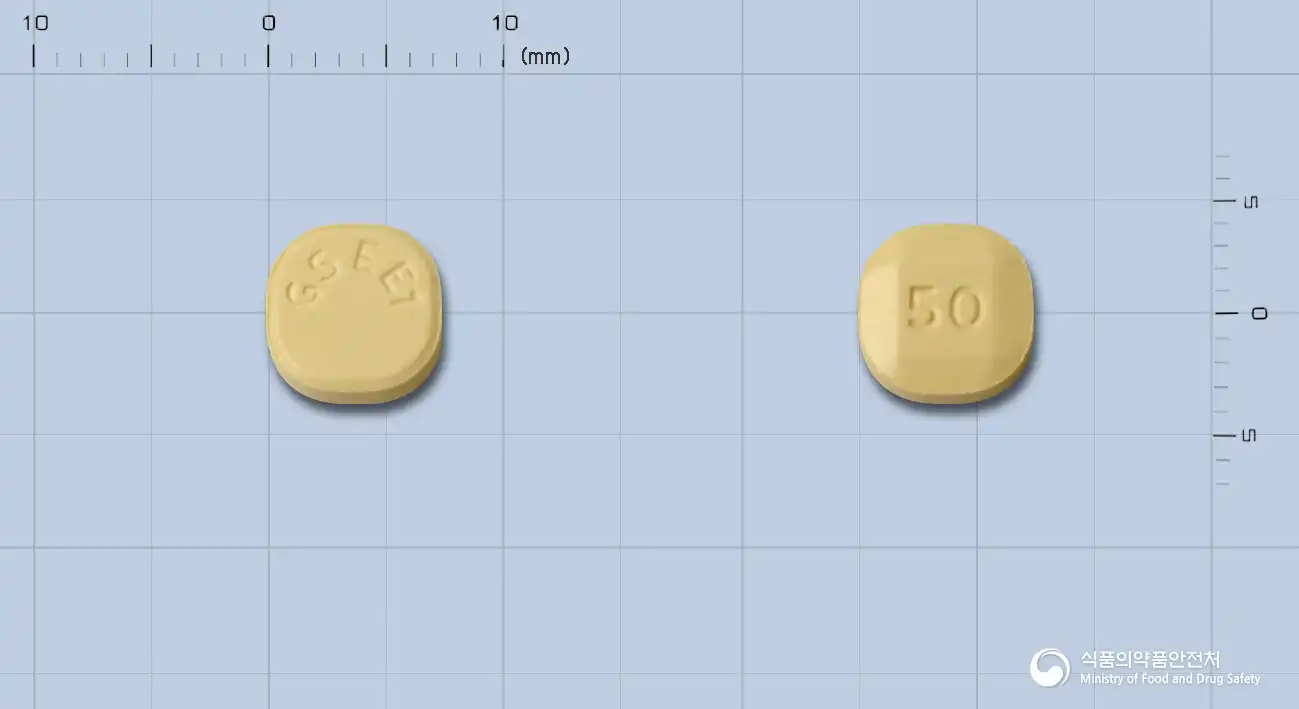
Lamotrigine 100mg
Tablet · Prescription medication
GlaxoSmithKline Co., Ltd.
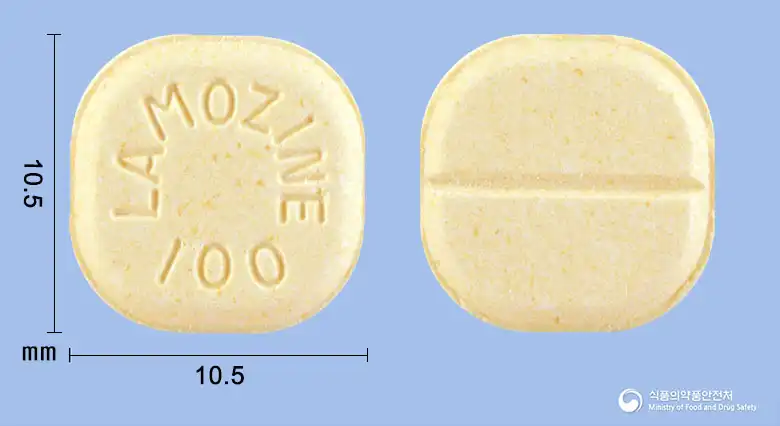
Lamotrigine 100mg
Tablet · Prescription medication
Yian Pharmaceutical Co., Ltd.
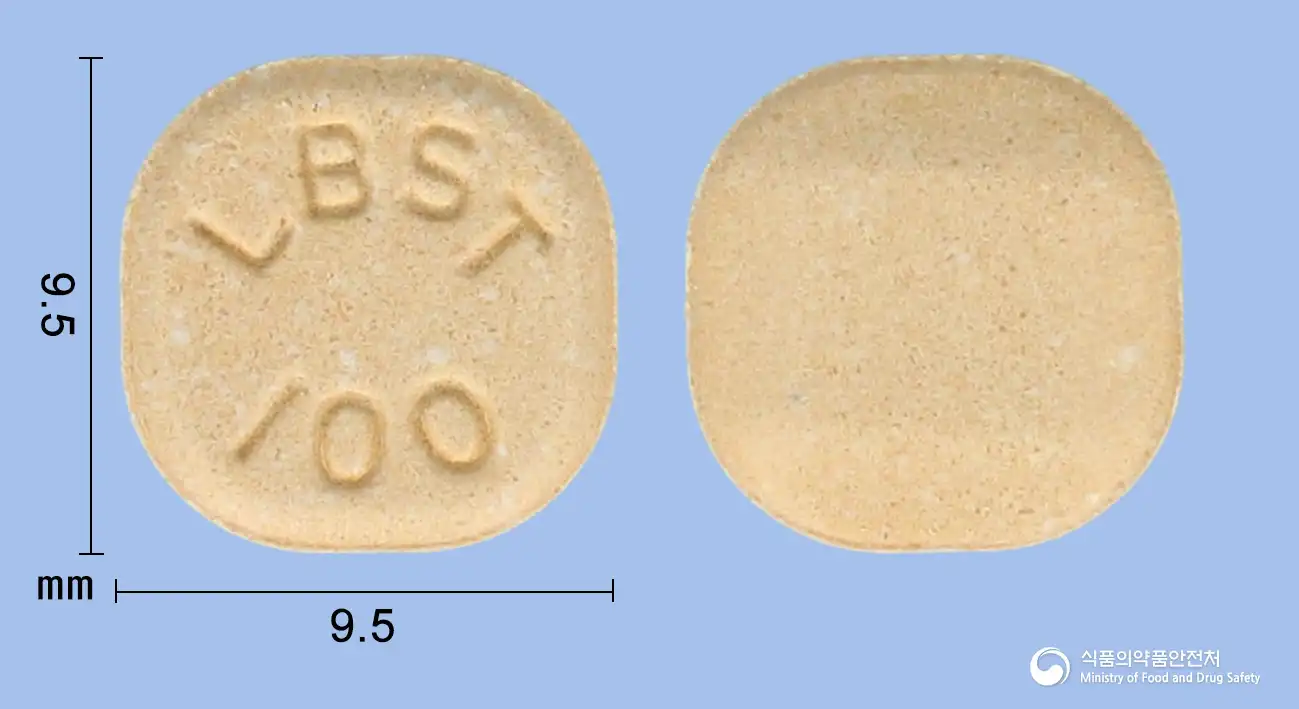
Lamotrigine 100mg
Tablet · Prescription medication
Hanlim Pharmaceutical Co., Ltd.
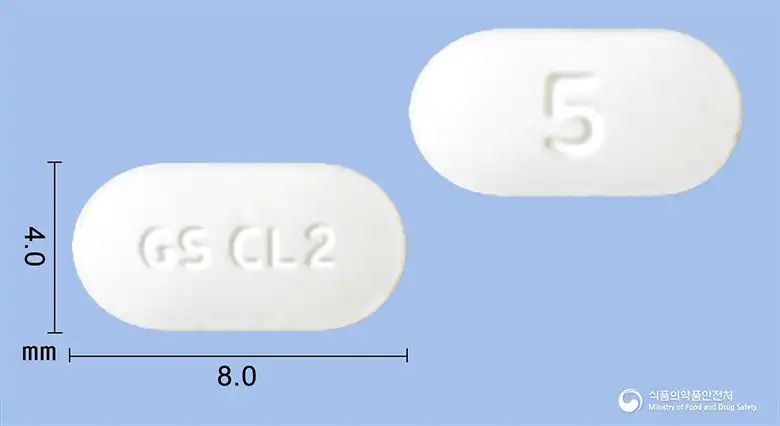
Lamotrigine 5mg
Chewable Tablet · Prescription medication
GlaxoSmithKline Co., Ltd.
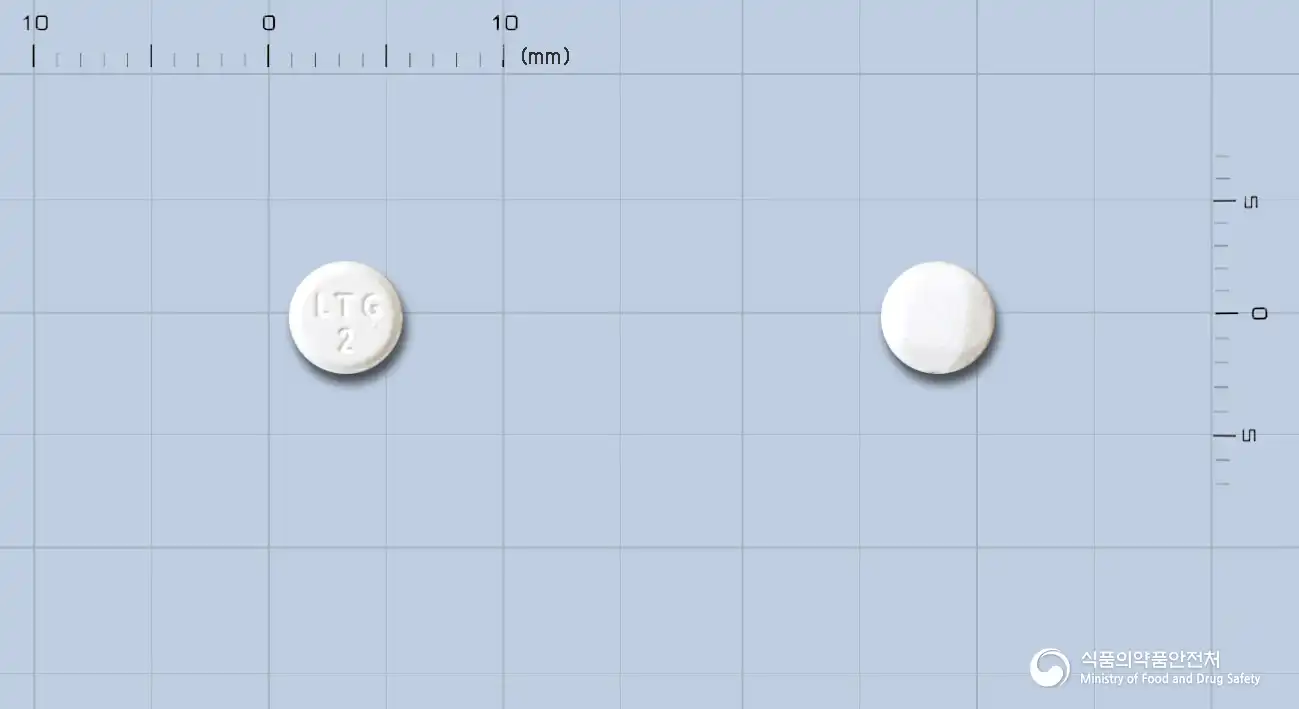
Lamotrigine 2mg
Chewable Tablet · Prescription medication
GlaxoSmithKline Co., Ltd.
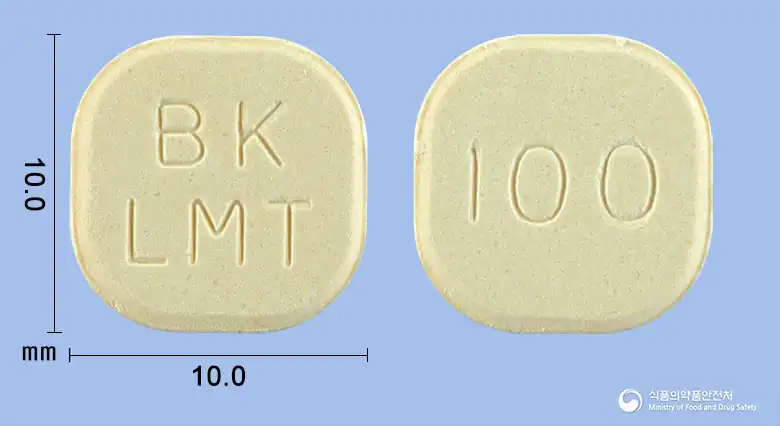
Lamotrigine 100mg
Tablet · Prescription medication
Bukwang Pharmaceutical Co., Ltd.
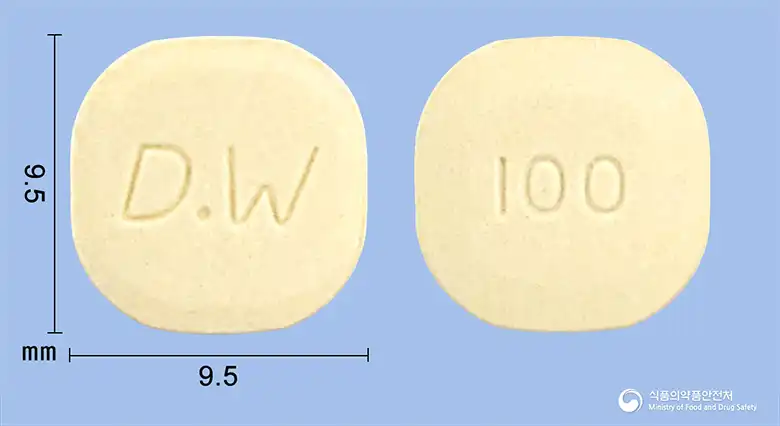
Lamotrigine 100mg
Tablet · Prescription medication
Daewoong Pharmaceutical Co., Ltd.
Even with the same ingredient, the dose and directions can differ by strength and dosage form. Talk to a doctor or pharmacist before switching from a medication you are already taking.
No questions yet.
For anything that needs medical judgment, consult a doctor or pharmacist.
This drug information is based on data provided by the Korea Ministry of Food and Drug Safety.
Consult a doctor or pharmacist for accurate dosage, administration, and usage instructions.