
 한국어
한국어 English
 日本語
日本語 中文(简体)
 Viewing now
Metformin Extended-Release 500 mg (Metformin Hydrochloride)
Metformin Hydrochloride 500mg
Tablet · Prescription medication
Yeongil Pharmaceutical Co., Ltd.
MFDS item code 200703806 · Approved 2007.04.03 · Insurance code 649400780
Improvement of blood sugar control in type 2 diabetes
This medication is used in the treatment of adult patients with type 2 diabetes whose blood sugar control is not adequately managed through diet and exercise alone. It is particularly effective in overweight diabetic patients and can be used either as monotherapy or in combination with other oral hypoglycemic agents or insulin. This medication helps to improve blood sugar control, aiding in diabetes management.
Administer 500 mg of Metformin Hydrochloride extended-release tablet once daily with the evening meal. Measure blood sugar levels after one week and adjust dosing accordingly. The dose may be increased by 500 mg weekly up to a maximum of 2000 mg daily with the evening meal. If blood sugar control is not achieved with a maximum single dose of 2000 mg daily, consider administering 1000 mg twice daily, both times with meals.
This medication may rarely cause serious lactic acidosis, which can be a life-threatening condition. When used in conjunction with other diabetes medications, hypoglycemia symptoms may occur, so caution is required. This medication should not be used in patients with moderate to severe impaired renal function or in cases of acute renal damage. The use should also be avoided in acute conditions, such as acute heart failure, myocardial infarction, or sepsis, that can affect renal function. It should be temporarily discontinued before and after tests using radiocontrast agents containing iodine, and resumed only after renal function has been confirmed as normal. Administration is contraindicated in patients with known allergies to the components of this drug or in patients with type 1 diabetes or metabolic acidosis. In cases of severe infections or trauma, and before or after surgery, the administration of this medication should be temporarily halted and resumed once the patient's condition has improved. Patients with liver dysfunction should preferably avoid this medication, and excessive alcohol consumption should also be avoided. Patients with irregular meals, intensive exercise, or those taking interacting medications should be administered with caution due to the risk of lactic acidosis and hypoglycemia. During the initial phase of treatment, gastrointestinal disturbances such as nausea, vomiting, and diarrhea may occur, but these symptoms typically subside as the body adapts. Since this medication is excreted through the kidneys, regular kidney function tests should be performed, and if renal function worsens, administration should be stopped. The blood sugar control state should be continuously monitored, and immediate action should be taken if symptoms of hypoglycemia appear. During pregnancy, this drug crosses the placenta and should be used only if deemed necessary by a doctor, while its use during breastfeeding is not recommended. Elderly patients may be at risk for reduced kidney function and should start with a low dose, with frequent monitoring of kidney function. In the case of overdose, hypoglycemia does not occur, but blood dialysis may be required to prevent drug accumulation. The blood sugar control effects may vary depending on other medications taken concomitantly, so one must consult healthcare professionals about any medications being taken. This medication helps control blood sugar without weight gain and may reduce the risk of diabetic complications with long-term use. Do not chew or crush the tablets; swallow them whole, and it is normal for the tablet coating to be excreted in the stool.
Lactic acidosis (associated with acute renal failure, cardiopulmonary disease, and sepsis), severe allergic reactions (hives, significant swelling, chest tightness, difficulty breathing, cold sweat, pallor), liver abnormalities (yellowing of the skin or eyes - jaundice, extreme fatigue), respiratory issues (shortness of breath or difficulty breathing, asthma attacks, abnormal breathing accompanied by cough and fever), severe neurological symptoms (sudden and very severe headache,
Not everyone experiences these, and they can vary from person to person.
This medication must be stored in a tightly closed container to protect it from air and moisture. It is best to store the medication at room temperature, between 1 and 30 degrees Celsius, and not in extremely hot or cold places.
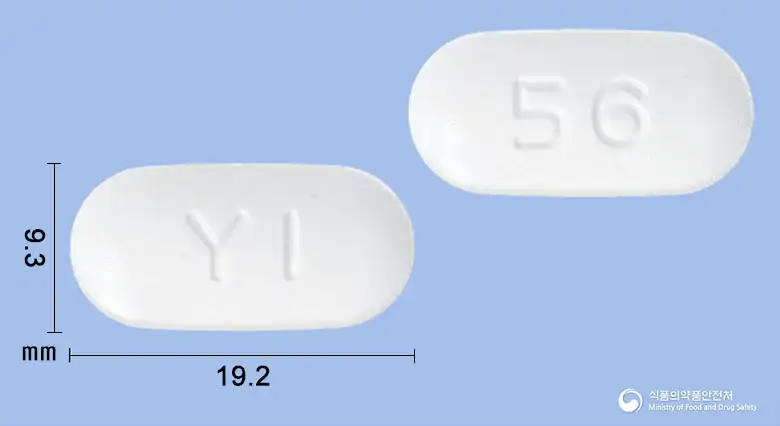
White, double convex, rectangular extended-release tablet
30 tablets/bottle, 300 tablets/bottle
Even with the same ingredient, strength, dosage form and how it is taken can differ.
Viewing nowMetformin Hydrochloride 500mg
Tablet · Prescription medication
Yeongil Pharmaceutical Co., Ltd.
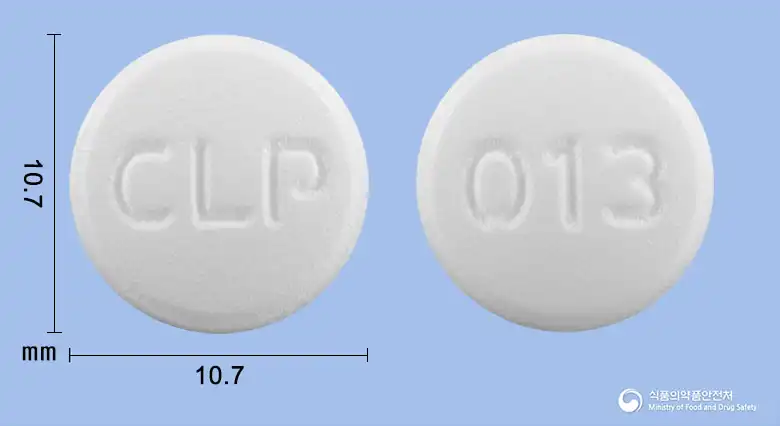
Metformin Hydrochloride 500mg
Tablet · Prescription medication
(Celltrion Pharmaceuticals)
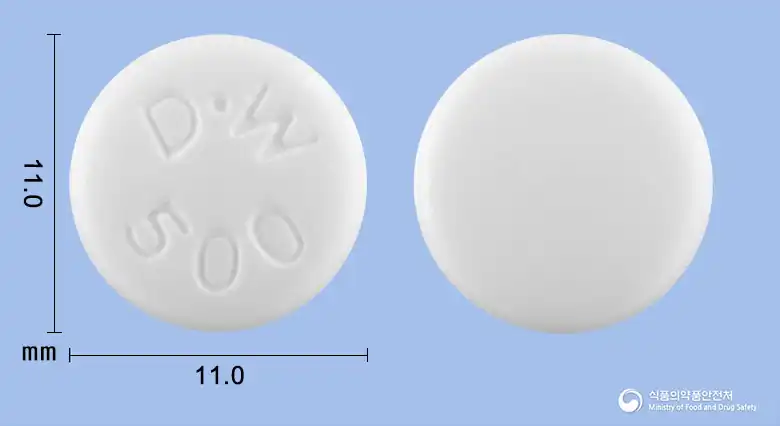
Metformin Hydrochloride 500mg
Tablet · Prescription medication
(Daewoong Pharmaceutical)
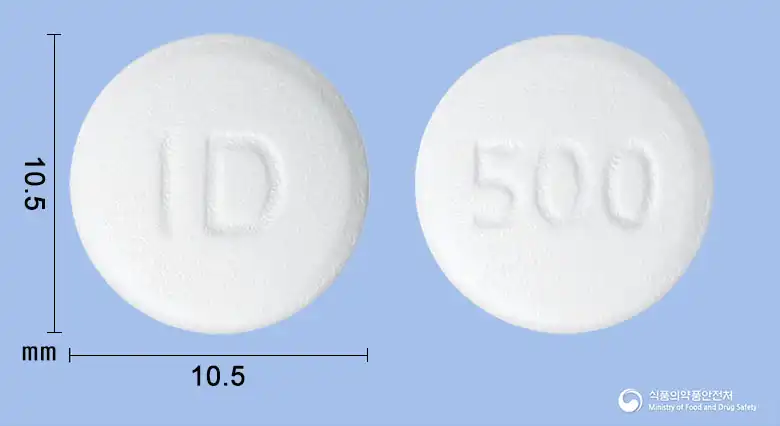
Metformin Hydrochloride 500mg
Tablet · Prescription medication
(Ildong Pharmaceutical Co., Ltd.)

Metformin Hydrochloride 500mg
Tablet · Prescription medication
(Ilseong IS Co., Ltd.)
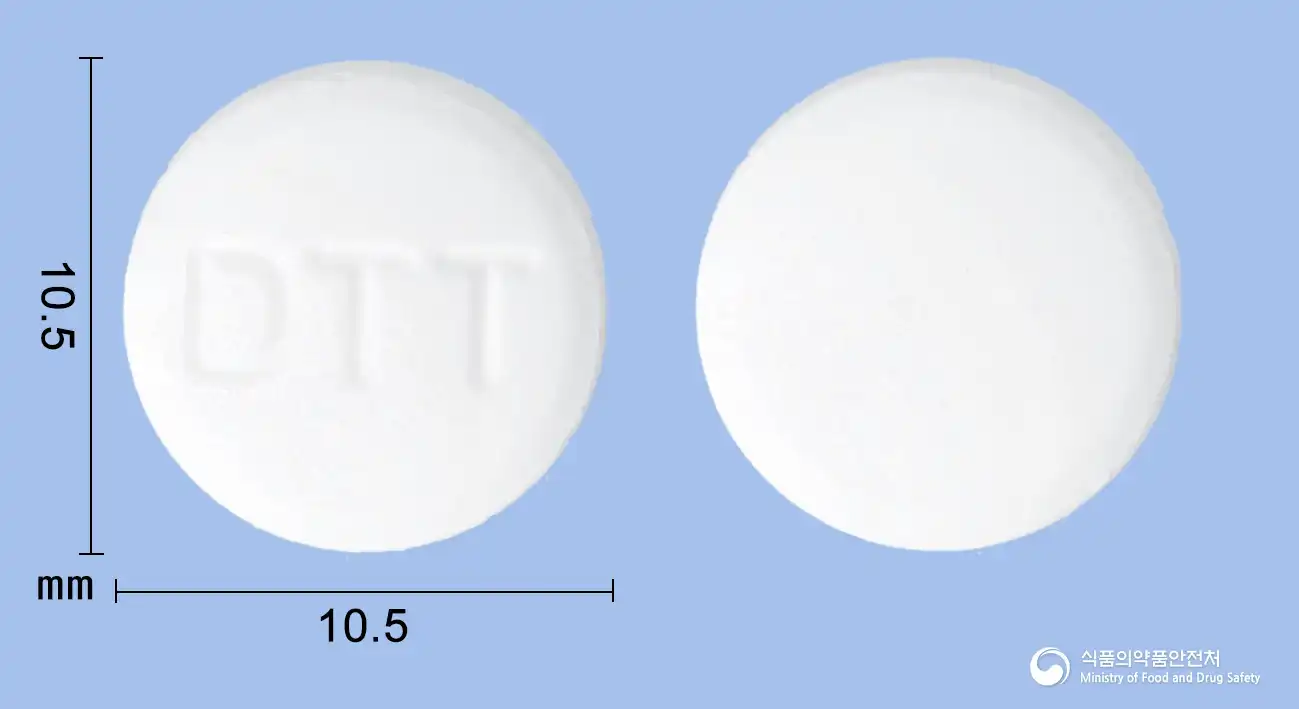
Metformin Hydrochloride 500mg
Tablet · Prescription medication
(Kyungdong Pharmaceutical Co., Ltd.)
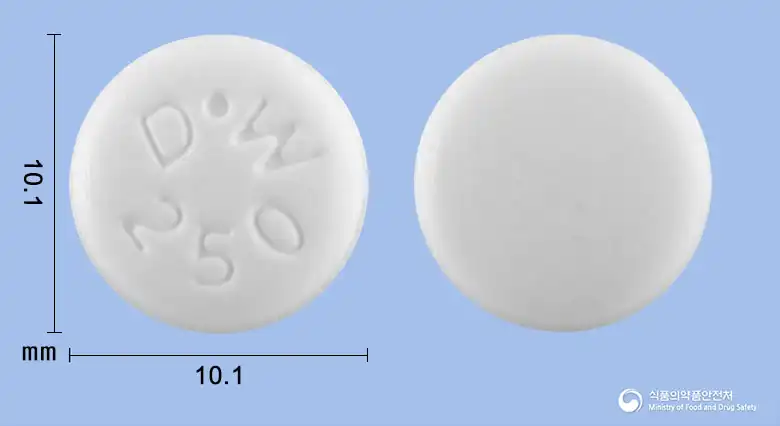
Metformin Hydrochloride 250mg
Tablet · Prescription medication
(Daewoong Pharmaceutical)

Metformin Hydrochloride 500mg
Tablet · Prescription medication
(Youngpoong Pharmaceutical Co., Ltd.)
Even with the same ingredient, the dose and directions can differ by strength and dosage form. Talk to a doctor or pharmacist before switching from a medication you are already taking.
No questions yet.
For anything that needs medical judgment, consult a doctor or pharmacist.
This drug information is based on data provided by the Korea Ministry of Food and Drug Safety.
Consult a doctor or pharmacist for accurate dosage, administration, and usage instructions.