
 한국어
 English
 日本語
 中文(简体)
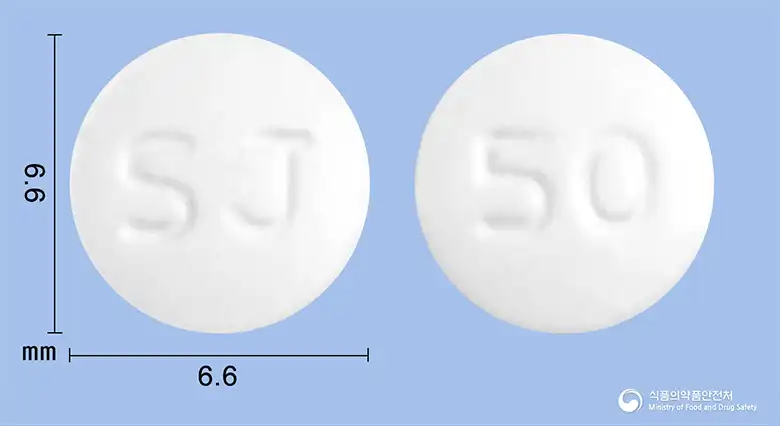 Viewing now
Prosaid Tablet (Bicalutamide)
Bicalutamide 50mg
Tablet · Prescription medication
Samjin Pharmaceutical Co., Ltd.
MFDS item code 200703421 · Notified 2007.03.23 · Insurance code 647802590
Combination treatment for advanced prostate cancer; treatment of high-risk, nonmetastatic, locally advanced prostate cancer
This medication is primarily used for the treatment of advanced prostate cancer. It is administered in conjunction with Luteinizing Hormone-Releasing Hormone (LHRH) analogs or castration surgery to suppress cancer progression. Furthermore, it can be administered alone to patients with locally advanced or non-metastatic prostate cancer, or as an adjunct therapy following radical prostatectomy or radiation therapy. This helps reduce the risk of cancer progression and enhances treatment efficacy. This drug plays a vital role in the treatment of prostate cancer patients.
1. Adults and elderly men receiving this medicine in combination with a luteinizing hormone-releasing hormone (LHRH) analog or surgical castration : Administer 50 mg of bicalutamide orally once daily. Start taking this medicine at least 3 days before administration of the luteinizing hormone-releasing hormone (LHRH) analog or at the same time as surgical castration. 2. Monotherapy in patients with locally advanced, nonmetastatic prostate cancer at high risk of disease progression, or adjuvant therapy to radical prostatectomy or radiation therapy : Adult and elderly men: Administer 150 mg of bicalutamide orally once daily. Continue this 150 mg regimen for at least 2 years or until the disease progresses.
This drug should not be used by women or children under 18 years of age. Patients with allergic reactions to this drug or its components should avoid administration. This drug should not be used in conjunction with specific medications such as terfenadine, astemizole, or cisapride. It is safe not to administer this drug to patients with a history of liver damage or severely impaired liver function. This drug contains lactose, so caution is needed for patients with lactose intolerance or related genetic disorders. In patients with impaired liver function, this drug may be excreted slowly, increasing the risk of drug accumulation, thus careful use is recommended. While taking this drug, side effects such as anemia, dizziness, flushing, digestive disorders, rash, hematuria, gynecomastia, weakness may occur. Liver function abnormalities or hepatotoxic symptoms may rarely occur, so regular liver function tests are necessary. Since this drug is primarily metabolized in the liver, caution is required when taken with other medications affecting the liver. There may be confusion or drowsiness when operating vehicles or machinery, so caution is advised. Changes in blood sugar control may occur during treatment with this drug, therefore, diabetic patients should manage their blood sugar levels well. Patients with heart disease or who are at risk of QT interval prolongation should consult healthcare professionals before taking this drug. Pregnant or breastfeeding women should not take this drug. There is no specific antidote in case of overdose; therefore, appropriate treatment according to the symptoms is needed, and dialysis may not be effective. This drug should be kept out of the reach of children, stored in its original container to maintain quality.
Not everyone experiences these, and they can vary from person to person.
This medication should be stored in an airtight container and kept at room temperature between 1 and 30 degrees Celsius. Storing it this way will help maintain the drug's effectiveness and prevent degradation.
White round film-coated tablet
28 tablets (14 tablets/PTP*2)
Even with the same ingredient, strength, dosage form and how it is taken can differ.
Viewing nowBicalutamide 50mg
Tablet · Prescription medication
Samjin Pharmaceutical Co., Ltd.
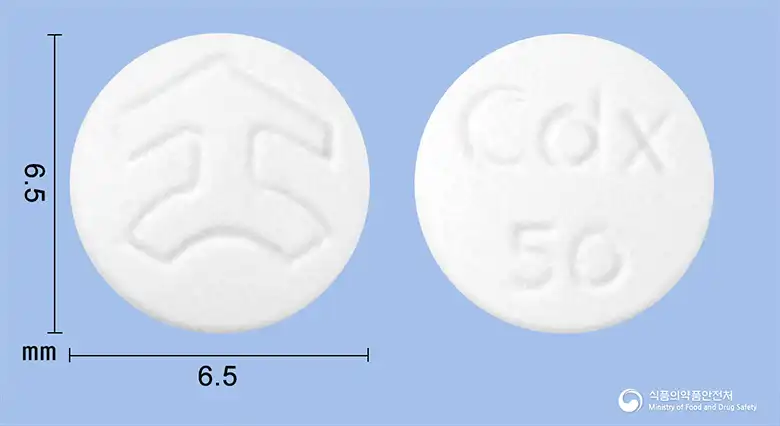
Bicalutamide 50mg
Tablet · Prescription medication
AstraZeneca Korea Co., Ltd.
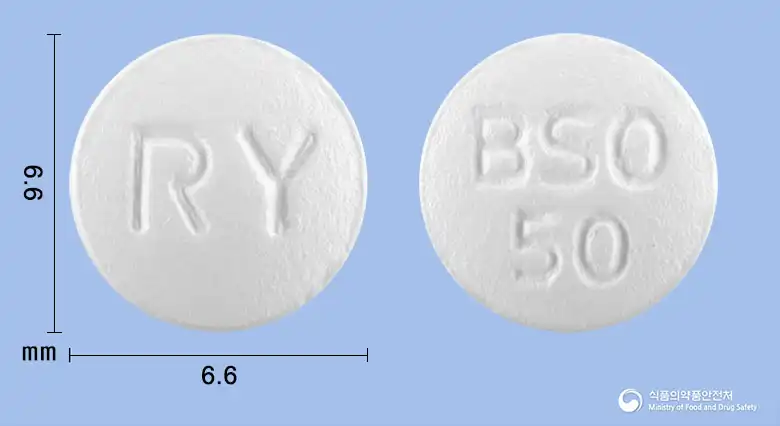
Bicalutamide 50mg
Tablet · Prescription medication
IYON Pharmaceutical Co., Ltd.
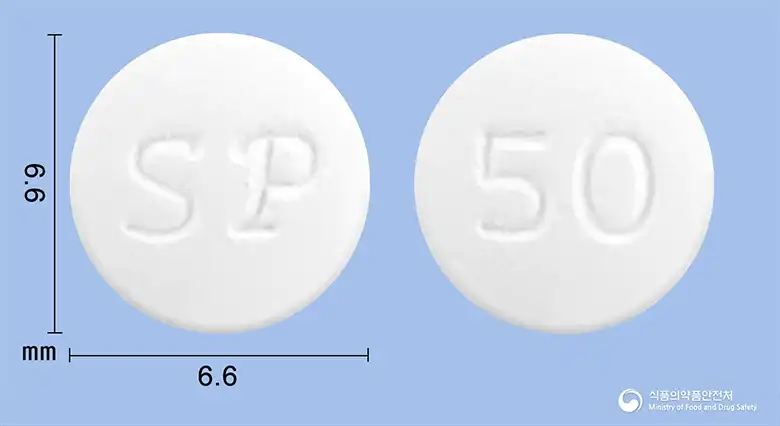
Bicalutamide 50mg
Tablet · Prescription medication
Shinpoong Pharmaceutical Co., Ltd.
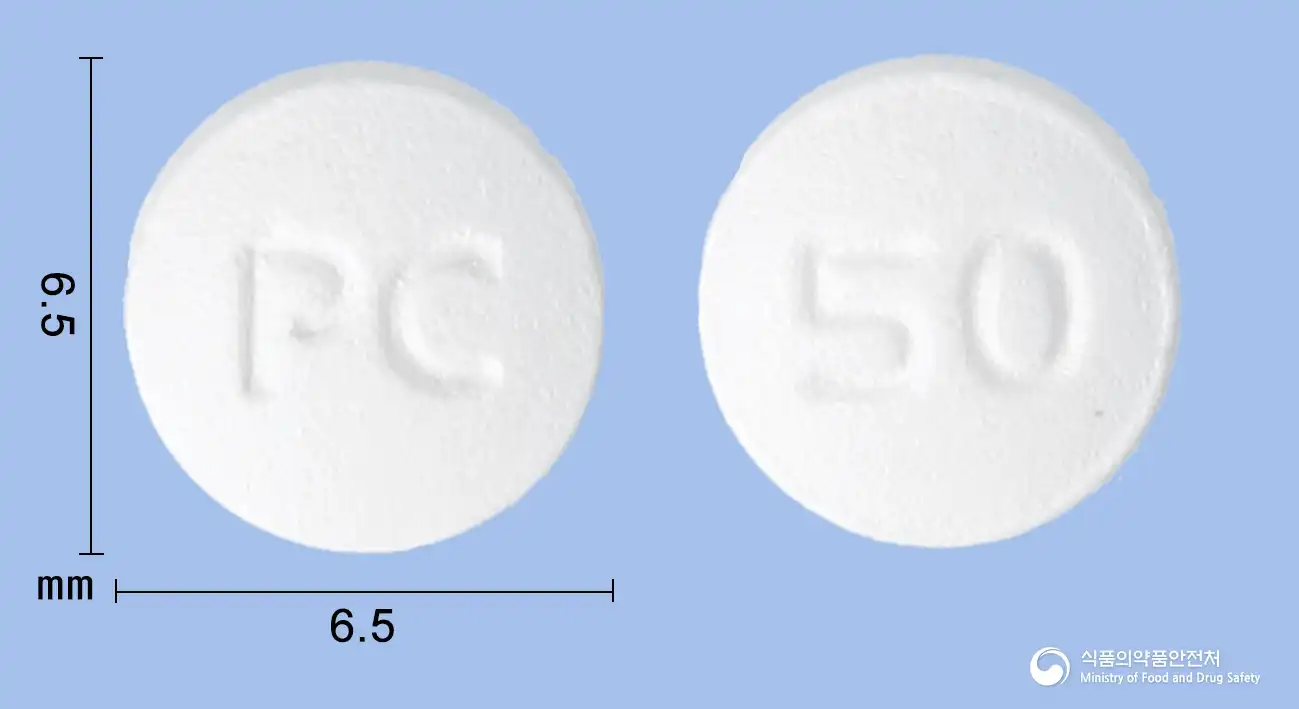
Bicalutamide 50mg
Tablet · Prescription medication
Alvogen Korea Co., Ltd.
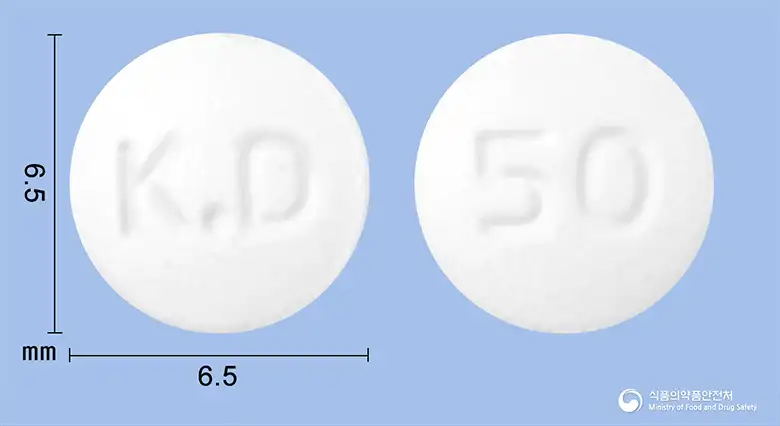
Bicalutamide 50mg
Tablet · Prescription medication
Kwangdong Pharmaceutical Co., Ltd.
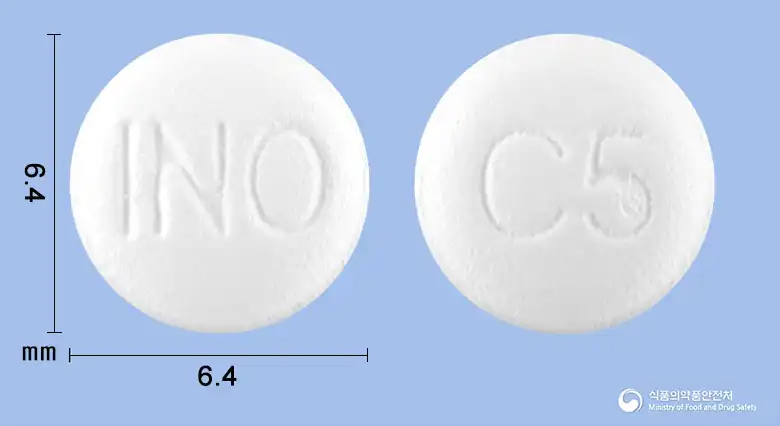
Bicalutamide 50mg
Tablet · Prescription medication
HK inno.N Corporation
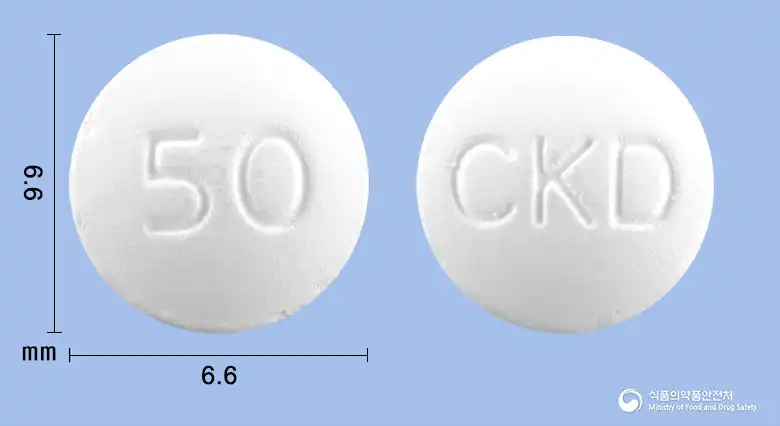
Bicalutamide 50mg
Tablet · Prescription medication
Jongkundang Co., Ltd.
Even with the same ingredient, the dose and directions can differ by strength and dosage form. Talk to a doctor or pharmacist before switching from a medication you are already taking.
No questions yet.
For anything that needs medical judgment, consult a doctor or pharmacist.
This drug information is based on data provided by the Korea Ministry of Food and Drug Safety.
Consult a doctor or pharmacist for accurate dosage, administration, and usage instructions.