
 한국어
 English
 日本語
 中文(简体)
Summary
- Main use
- Improvement of glycemic control in type 2 diabetes mellitus
- Who uses it
- Adults · Children
- Adult dosage
- This medication is administered orally once daily, regardless of meals. The management of diabetes should be individualized for each patient. Ideally, response to treatment should be evaluated by monitoring glycated hemoglobin (HbA1c), which is a more accurate diagnostic measure than fasting blood glucose (FBG). Glycated hemoglobin reflects blood glucose levels over the previous 2 ~ 3 months. In clinical practice, this medication should be administered for a period adequate to assess changes in glycated hemoglobin (at least 3 months), provided that glycemic control in the patient with diabetes does not worsen. 1. Monotherapy This medication may be initiated as monotherapy at 15 mg of pioglitazone once daily in patients whose blood glucose is not adequately controlled by diet and exercise. If the initial dose of this medication does not provide an adequate effect, the dose may be increased to a maximum of 30 mg once daily. Combination therapy should be considered for patients who do not respond adequately to monotherapy. 2. Combination therapy 1) Sulfonylureas: This medication may be administered in combination with a sulfonylurea, starting at 15 mg once daily. When used in combination with this medication, the current sulfonylurea may be continued at the same dose and regimen. However, the sulfonylurea dose should be reduced if the patient experiences symptoms of hypoglycemia. 2) Metformin: This medication may be administered in combination with metformin, starting at 15 mg once daily. When used in combination with this medication, the current metformin may be continued at the same dose and regimen. It is unlikely that the metformin dose will need to be adjusted because of symptoms of hypoglycemia during combination therapy with this medication. 3) Insulin: This medication may be administered in combination with insulin at a dose of 15 mg once daily. The current insulin dose may be maintained when combination therapy with this medication is initiated. However, the insulin dose may be reduced by 10 ~ 25 % if a patient receiving this medication in combination with insulin experiences symptoms of hypoglycemia or if the plasma glucose concentration decreases to 100 mg/dL or lower. Subsequent dose adjustments should be individualized according to the degree of glycemic control. • Maximum recommended dose For monotherapy or combination therapy with a sulfonylurea, metformin, or insulin, doses exceeding 30 mg once daily are not recommended. Dose adjustment is not recommended in patients with renal impairment (see the Precautions section, Patients with Renal Impairment). Treatment with this medication should not be initiated if, at the start of treatment, the patient has clinical evidence of active liver disease or elevated serum aminotransferase levels (at least 2.5 times the upper limit of normal for ALT) (see Adverse Reactions and the Precautions section, Hepatic Effects). Monitoring of liver enzymes is recommended in all patients before starting treatment with this medication and periodically thereafter. No data are available on the use of this medication in combination with other thiazolidinediones.
- Children's dosage
- Administration is not recommended in children under 18 years of age because there is no experience with its use.
Ingredients
- Manufacturer
- Daehan Pharmaceuticals Co., Ltd.
Efficacy & effects
Improvement of glycemic control in type 2 diabetes mellitus
- Blood glucose control disorders in patients with type 2 diabetes
View approved original textHide original text
This medicine is used alongside dietary and exercise therapy to help control blood sugar levels in patients with type 2 diabetes. It can be used alone, but if blood glucose improvement is not achieved after using other oral hypoglycemic agents, it may be administered in combination with sulfonylureas, metformin, or insulin. Nutritional counseling and weight loss may be necessary for patients with type 2 diabetes, and regular exercise therapy is also important. Such lifestyle modifications significantly help enhance and maintain the efficacy of medication treatment. Therefore, this medicine is effectively used to improve blood glucose control.
Dosage and Administration
Adult dosage
This medication is administered orally once daily, regardless of meals. The management of diabetes should be individualized for each patient. Ideally, response to treatment should be evaluated by monitoring glycated hemoglobin (HbA1c), which is a more accurate diagnostic measure than fasting blood glucose (FBG). Glycated hemoglobin reflects blood glucose levels over the previous 2 ~ 3 months. In clinical practice, this medication should be administered for a period adequate to assess changes in glycated hemoglobin (at least 3 months), provided that glycemic control in the patient with diabetes does not worsen. 1. Monotherapy This medication may be initiated as monotherapy at 15 mg of pioglitazone once daily in patients whose blood glucose is not adequately controlled by diet and exercise. If the initial dose of this medication does not provide an adequate effect, the dose may be increased to a maximum of 30 mg once daily. Combination therapy should be considered for patients who do not respond adequately to monotherapy. 2. Combination therapy 1) Sulfonylureas: This medication may be administered in combination with a sulfonylurea, starting at 15 mg once daily. When used in combination with this medication, the current sulfonylurea may be continued at the same dose and regimen. However, the sulfonylurea dose should be reduced if the patient experiences symptoms of hypoglycemia. 2) Metformin: This medication may be administered in combination with metformin, starting at 15 mg once daily. When used in combination with this medication, the current metformin may be continued at the same dose and regimen. It is unlikely that the metformin dose will need to be adjusted because of symptoms of hypoglycemia during combination therapy with this medication. 3) Insulin: This medication may be administered in combination with insulin at a dose of 15 mg once daily. The current insulin dose may be maintained when combination therapy with this medication is initiated. However, the insulin dose may be reduced by 10 ~ 25 % if a patient receiving this medication in combination with insulin experiences symptoms of hypoglycemia or if the plasma glucose concentration decreases to 100 mg/dL or lower. Subsequent dose adjustments should be individualized according to the degree of glycemic control. • Maximum recommended dose For monotherapy or combination therapy with a sulfonylurea, metformin, or insulin, doses exceeding 30 mg once daily are not recommended. Dose adjustment is not recommended in patients with renal impairment (see the Precautions section, Patients with Renal Impairment). Treatment with this medication should not be initiated if, at the start of treatment, the patient has clinical evidence of active liver disease or elevated serum aminotransferase levels (at least 2.5 times the upper limit of normal for ALT) (see Adverse Reactions and the Precautions section, Hepatic Effects). Monitoring of liver enzymes is recommended in all patients before starting treatment with this medication and periodically thereafter. No data are available on the use of this medication in combination with other thiazolidinediones.
Children's dosage
Administration is not recommended in children under 18 years of age because there is no experience with its use.
Precautions
This medicine is used in the treatment of type 2 diabetes and helps enhance insulin action. During the use of this medicine, attention must be paid to heart function, as it may worsen or newly induce heart conditions such as congestive heart failure. Therefore, after starting treatment or increasing the dosage, it is crucial to closely monitor symptoms of heart failure such as weight changes, shortness of breath, and edema. Patients with heart failure should avoid using this medicine. This medicine may cause fluid retention, leading to edema or heart problems, so if these symptoms occur, immediate consultation with a physician is advised. Additionally, patients with active bladder cancer or a history of bladder cancer, severely impaired liver or kidney function, type 1 diabetes patients, pregnant women or women who may become pregnant should not take this medicine. The risk of hypoglycemia may increase when this medicine is used in conjunction with other diabetes medications, so dosage adjustments should be made according to a doctor's instructions during such combination therapy. Regular monitoring of liver function tests and blood glucose levels is necessary during treatment, and if symptoms that may indicate liver damage (fatigue, loss of appetite, jaundice, etc.) occur, medical personnel should be notified immediately. This medicine may cause weight gain and edema, so weight changes should be monitored carefully, and medical consultation should be sought if necessary. In premenopausal women, ovulation may be stimulated, increasing the chance of pregnancy, so appropriate contraceptive methods are recommended. The safety and efficacy of this medicine have not been established in children or adolescents under 18 years, so it should not be used in these age groups. Elderly patients should be administered with caution, especially those over 75 years of age who require even closer monitoring. If visible hematuria, urinary disorders, or urgency symptoms appear during the use of this medicine, immediate consultation with a physician is necessary as a possibility of bladder cancer may exist. Lastly, this medicine must be taken strictly according to a doctor's prescription and instructions, and if any abnormal symptoms occur during treatment, immediate consultation with medical personnel should be sought.
Side effects
Congestive heart failure, excessive and rapid weight changes, shortness of breath, edema, fluid retention, swelling, upper respiratory tract infection, headache, sinusitis, myalgia, pharyngitis, abdominal distension, weight gain, hypoglycemia, urinary tract infection, lumbago, dizziness, elevated creatine kinase in blood, hypertension, heart failure, limb pain, chest pain, death due to cardiovascular susceptibility, worsening of congestive heart failure, emergency room visits due to congestive heart failure, hospitalization, decreased vision associated with diabetic macular edema, fatal and non-fatal liver failure, increased blood sugar, elevated ALT/AST, loss of appetite, constipation, upper abdominal pain, chest pain, fatigue, weakness, dyspepsia, nausea, shortness of breath, itching, chest discomfort, tremors, chills, gastrointestinal diseases, abdominal pain, epigastric discomfort, numbness, muscle rigidity, head discomfort, increased liver enzymes, worsening of liver disease, urticaria, eczema, arthralgia, knee abnormalities, arm weakness, proteinuria, increased serum creatinine, anxiety, insomnia, drowsiness, simple herpes, blurred vision, orthostatic hypotension, palpitations, stroke, sexual dysfunction, myocardial infarction, abdominal pain, heart failure, adverse reactions related to edema, symptoms that may indicate liver damage, fractures
Not everyone experiences these, and they can vary from person to person.
Storage
This medicine should be stored in a container that blocks light and air, and it is important to keep it in a dry place. The storage temperature should be between 15 and 30 degrees Celsius, with a preference for a consistent temperature close to 25 degrees.
Appearance and packaging
Appearance
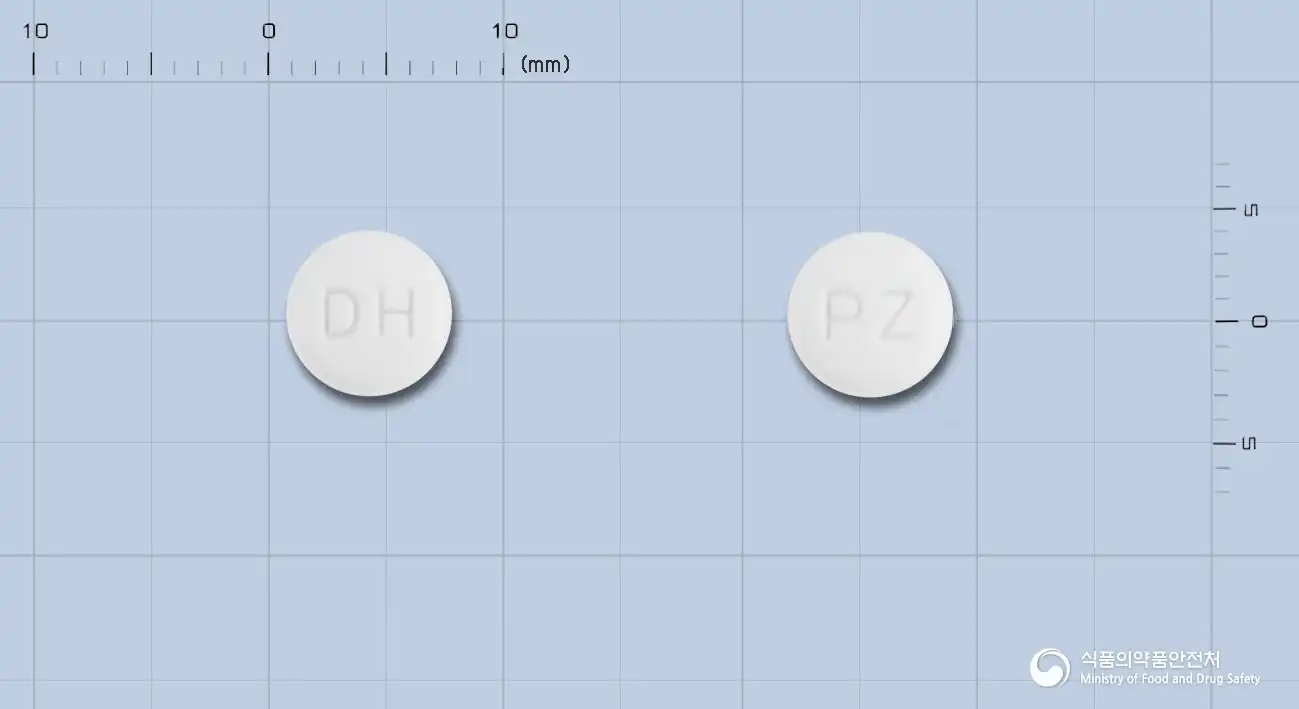
This medicine is a white round tablet.
Package unit
30 tablets/bottle
Questions about this medicine
No questions yet.
For anything that needs medical judgment, consult a doctor or pharmacist.