
 한국어
한국어 English
 日本語
日本語 中文(简体)
 Viewing nowCombination
Amoxive Tablet 500mg (Amoxicillin Trihydrate · Sulbactam Sodium Coated Tablet)
Amoxicillin Hydrate 250mg · Sulbactam Pivoxil 250mg
Tablet · Prescription medication · Combination
Hawon Pharmaceuticals Co., Ltd.
MFDS item code 200703160 · Notified 2007.03.15
Treatment of upper respiratory tract infections (otitis media, sinusitis, etc.), lower respiratory tract infections (bronchitis, pneumonia, etc.), urinary tract infections, and skin infections
This medication is effective against various types of bacteria. It targets a variety of microbes, including Staphylococcus aureus, Streptococcus pneumoniae, and Escherichia coli, and is particularly used for upper respiratory infections such as otitis media, sinusitis, and tonsillitis. It is also effective for lower respiratory infections like bronchitis and pneumonia, as well as urinary tract infections of both upper and lower segments. Additionally, it can be used for skin and wound infections, gynecological infections, and abdominal infections. This drug is widely used for the treatment of various infections.
Adults and children over 12 years: 1 dose of amoxicillin and sulbactam corresponds to 500 - 1000mg (potency), taken orally 3 times a day.
This drug is a penicillin-class antibiotic and may cause certain allergic reactions, so it should not be used in patients with hypersensitivity to this medication or other penicillin-class drugs. Patients with allergies to cephalosporin-class drugs should also take caution, especially if accompanied by viral infections like infectious mononucleosis due to a higher risk of rash. Since this drug contains lactose, it is not recommended for patients with lactose intolerance or related genetic disorders. Patients with a history of gastrointestinal diseases, those predisposed to allergic reactions, or those with severe renal diseases should use this drug cautiously, and, if necessary, adjust the dosing interval or closely monitor their condition. During treatment, gastrointestinal side effects may occur such as nausea, vomiting, diarrhea, abdominal pain, as well as skin rashes, hives, and severe allergic reactions, and if such symptoms arise, the medication should be discontinued immediately and medical advice sought. There is a risk of kidney or liver dysfunction, blood abnormalities, and infection due to microbial shifts, so regular check-ups are recommended during long-term use. Additionally, this drug may interact with other medications, so caution is necessary when taken concurrently, particularly with methotrexate, probenecid, allopurinol, and oral contraceptives, and consultation with a healthcare professional is advised. During pregnancy, it should be used only when absolutely necessary, considering the risks to the fetus, and caution should also be exercised during breastfeeding, as it may affect the infant. In pediatric patients, especially neonates and infants under 6 months of age, dosing must be done carefully as immature renal function may delay drug clearance. In elderly patients, due to decreased body function, the risk of side effects is higher, thus it is important to adjust dosage and intervals carefully and monitor the condition closely. In case of overdose, symptoms of nervous system abnormalities or renal failure may emerge, necessitating immediate emergency treatment, and the medication can be removed through hemodialysis. This medication may reduce efficacy or increase the risk of side effects when taken with other antibiotics, so it is crucial to inform the healthcare professional of any other concurrent medications. Finally, for long-term use, it is advisable to confirm susceptibility to prevent the development of resistant bacteria and to use it for the minimum necessary duration.
Hives, severe edema (Quincke's edema, facial swelling, angioedema), rash, anaphylactic shock, serum sickness-like reactions, hypersensitivity vasculitis, erythema multiforme, severe skin adverse reactions (Stevens-Johnson syndrome, toxic epidermal necrolysis, exfoliative dermatitis, DRESS, AGEP, linear IgA disease), pseudomembranous colitis, hematuria, urinary retention, dysuria, acute renal failure, interstitial nephritis
Not everyone experiences these, and they can vary from person to person.
This medication should be stored in a tight container that is well-ventilated, between 1 to 30 degrees Celsius at room temperature. Proper storage will help maintain the drug's efficacy and prevent degradation.
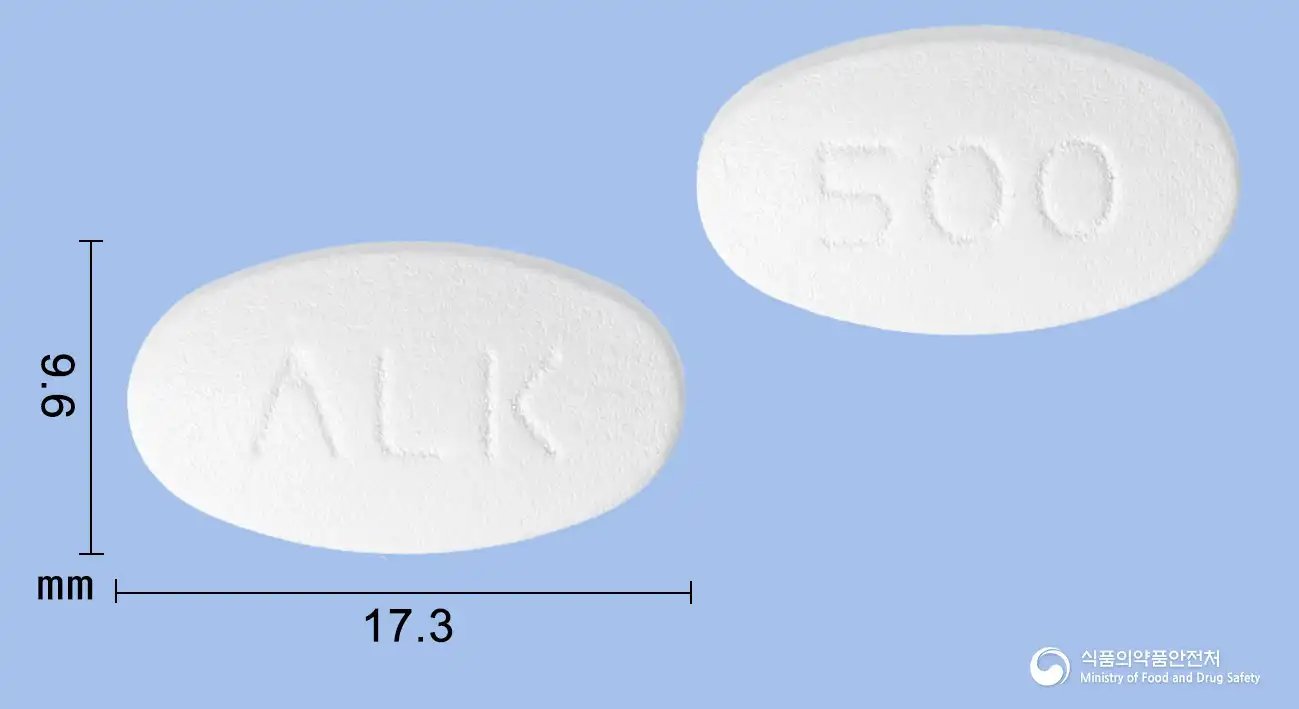
White oval film-coated tablets
30 tablets/bottle, 100 tablets/bottle
Even with the same ingredient, strength, dosage form and how it is taken can differ.
Viewing nowCombinationAmoxicillin Hydrate 250mg · Sulbactam Pivoxil 250mg
Tablet · Prescription medication · Combination
Hawon Pharmaceuticals Co., Ltd.
 Combination
Amoxicillin Hydrate 250mg · Sulbactam Pivoxil 250mg
Tablet · Prescription medication · Combination
Albogenz Korea Co., Ltd.
Amoxicillin Hydrate · Sulbactam Pivoxil
Prescription medication · Combination
Nexpam Korea Co., Ltd.
Amoxicillin Hydrate · Sulbactam Pivoxil
Prescription medication · Combination
Boryung Pharmaceutical Co., Ltd.
Amoxicillin Hydrate · Sulbactam Pivoxil
Prescription medication · Combination
Daehan Pharmaceutical Co., Ltd.
Amoxicillin Hydrate · Sulbactam Pivoxil
Prescription medication · Combination
Daewoong Bio Co., Ltd.
Amoxicillin Hydrate · Sulbactam Pivoxil
Prescription medication · Combination
Korea Union Pharmaceutical Co., Ltd.
Amoxicillin · Sulbactam Pivoxil
Prescription medication · Combination
Kujoo Pharmaceutical Co., Ltd.
Even with the same ingredient, the dose and directions can differ by strength and dosage form. Talk to a doctor or pharmacist before switching from a medication you are already taking.
No questions yet.
For anything that needs medical judgment, consult a doctor or pharmacist.
This drug information is based on data provided by the Korea Ministry of Food and Drug Safety.
Consult a doctor or pharmacist for accurate dosage, administration, and usage instructions.