
 한국어
 English
 日本語
 中文(简体)
 Viewing now
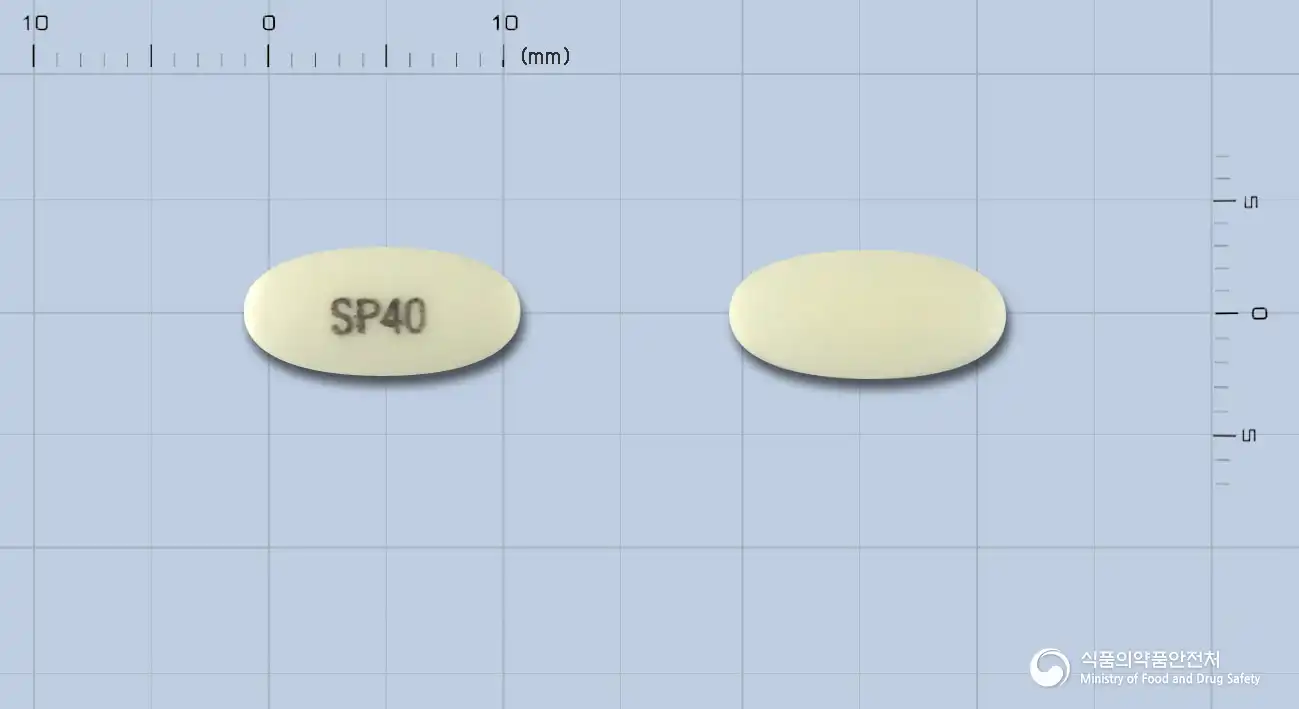
Extreme Tablet 40 mg (Pantoprazole Sodium Sesquihydrate)
Pantoprazole Sodium Sesquihydrate 45.1mg
Tablet · Prescription medication
Shinpoong Pharmaceutical Co., Ltd.
MFDS item code 200702870 · Approved 2007.03.08 · Insurance code 648502960
Treatment of reflux esophagitis and gastric and duodenal ulcers; prevention of recurrence; suppression of excessive gastric acid secretion
This medication is used in combination with antibiotics to prevent the recurrence of gastric and duodenal ulcers infected with Helicobacter pylori. It is also effective in the treatment of duodenal ulcers and gastric ulcers, and helps improve symptoms of moderate to severe gastroesophageal reflux disease. It controls conditions characterized by excessive gastric acid secretion, such as Zollinger-Ellison syndrome, alleviating symptoms. This drug reduces gastric acid secretion, protects the mucosa of the stomach and esophagus, and aids in healing ulcers and inflammation. Therefore, it is widely used for the treatment and prevention of recurrence of gastrointestinal diseases.
1. Antibiotic combination therapy to prevent recurrence of gastroduodenal ulcers associated with Helicobacter pylori infection - In general, adults should take pantoprazole 40 mg twice daily (before breakfast and the evening meal) in combination with the following antibiotics for 1 week. Swallow without chewing or crushing. (1) Take amoxicillin 1,000 mg and clarithromycin 500 mg twice daily for 1 week, or (2) Take metronidazole 500 mg and clarithromycin 500 mg twice daily for 1 week, or (3) Take amoxicillin 1,000 mg and metronidazole 500 mg twice daily for 1 week. - The metronidazole regimens in (2) and (3) should be used only when regimen (1) is inappropriate. - If additional treatment with pantoprazole is indicated to ensure ulcer healing, the dose recommendations below for duodenal and gastric ulcers should be considered. - If combination therapy is not required (e.g., for patients who test negative for Helicobacter pylori infection), use pantoprazole monotherapy according to the dosage instructions below. 2. Gastric ulcers and reflux esophagitis - In general, adults should take pantoprazole 40 mg once daily before breakfast with water. Swallow without chewing or crushing. - Healing is achieved within 4 weeks in most patients, although the healing time may occasionally vary from patient to patient. If healing is not complete after the first 4 weeks of treatment, continue treatment for an additional 4 weeks. - If there is no response to other treatments in particular, the dose may be doubled (pantoprazole 80 mg per day). 3. Duodenal ulcers - In general, adults should take pantoprazole 40 mg once daily before breakfast with water. Swallow without chewing or crushing. - Healing is achieved within 2 weeks in most patients, although the healing time may occasionally vary from patient to patient. If healing is not complete after the first 2 weeks of treatment, continue treatment for an additional 2 weeks. - If there is no response to other treatments in particular, the dose may be doubled (pantoprazole 80 mg per day). 4. Zollinger-Ellison syndrome and other pathological hypersecretory conditions - Start with an initial dose of pantoprazole 80 mg per day, then increase or decrease the dose according to measurements of gastric acid secretion. - Doses above 80 mg should be divided into 2 daily doses. - The dose may be temporarily increased to 160 mg or more, but only for as long as needed to achieve adequate acid control. - The duration of treatment is not limited but should be adjusted according to clinical need. For patients with severe liver impairment, reduce the dose so that it does not exceed pantoprazole 20mg once daily. For elderly patients or patients with renal impairment, do not exceed pantoprazole 40 mg per day. In elderly patients, as an exception, this medicine may be taken at a dose of 40 mg twice daily (before breakfast and the evening meal) in combination with the above antibiotics for 1 week. Swallow without chewing or crushing. Antibiotic combination therapy should not be used in patients with moderate to severe hepatic/renal impairment. There are insufficient data on the efficacy and safety of this combination therapy.
This drug should not be used in patients with moderate to severe liver or kidney impairment, as there is insufficient clinical experience regarding safety and efficacy. Patients with an allergy or history of hypersensitivity to this drug, its components, or benzimidazole-class drugs should not take this medication. Allergic reactions may include anaphylaxis, angioedema, bronchospasm, acute interstitial nephritis, hives, etc. Caution is required for patients allergic to penicillin and macrolide antibiotics when using this medication in combination, as interactions with certain drugs may increase the risk of side effects. It is recommended not to use this drug during the first three months of pregnancy, and women who are pregnant or may become pregnant should consult a healthcare provider. Nursing mothers should refrain from taking this medication, and caution is advised due to a lack of experience with administration to adolescents and children under 18 years of age. Regular examinations are required for long-term use, especially for over one year, and the medication should be discontinued immediately if any abnormalities in liver function occur. As this medication suppresses gastric acid secretion, there may be an increased risk of bacterial overgrowth in the gastrointestinal tract, so patients should inform a healthcare provider if diarrhea persists. Neurological side effects such as dizziness or visual disturbances may occur, so caution is required when driving or operating machinery. Due to numerous drug interactions, particularly in patients taking antiviral agents, anticoagulants, and methotrexate, it is essential to inform the healthcare provider. There is no specific antidote for overdose, and appropriate treatment should be administered according to symptoms. This drug should not be chewed or crushed and should be taken as directed. Keep out of reach of children and do not transfer to other containers.
Not everyone experiences these, and they can vary from person to person.
This medication is sensitive to light, so it should be stored in a container that does not allow light to enter. Additionally, it is important to store the medication at room temperature, between 1 and 30 degrees Celsius, to safely maintain its effectiveness.
Yellow, oval-shaped tablets coated with enteric coating
Domestic use: 28 tablets/bottle, export: 30 tablets (10 tablets/PTP x 3)
Even with the same ingredient, strength, dosage form and how it is taken can differ.
Viewing nowPantoprazole Sodium Sesquihydrate 45.1mg
Tablet · Prescription medication
Shinpoong Pharmaceutical Co., Ltd.
Pantoprazole Sodium Sesquihydrate 45.1mg
Injections · Prescription medication
Takeda Korea Pharmaceutical Co., Ltd.
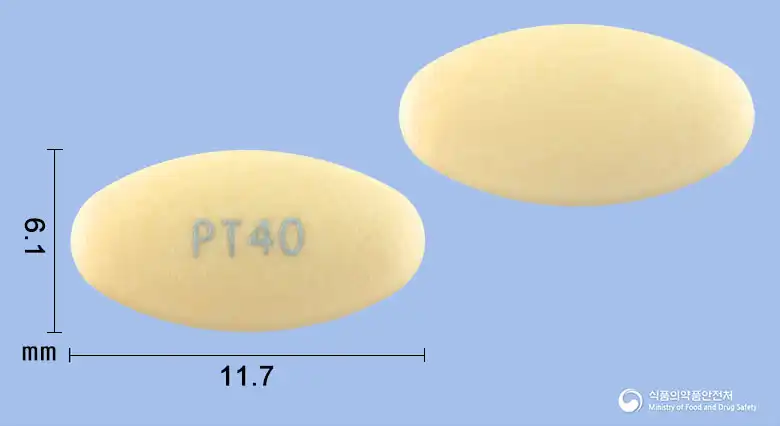
Pantoprazole Sodium Sesquihydrate 45.1mg
Tablet · Prescription medication
Dong-A ST Co., Ltd.
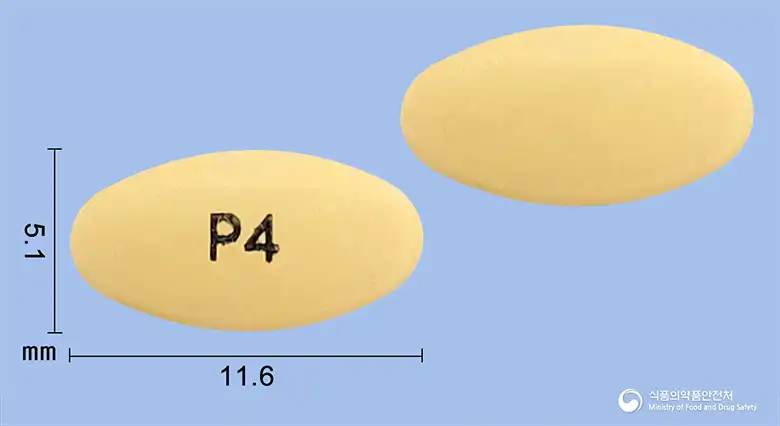
Pantoprazole Sodium Sesquihydrate 45.1mg
Tablet · Prescription medication
Youngjin Pharmaceutical Co., Ltd.
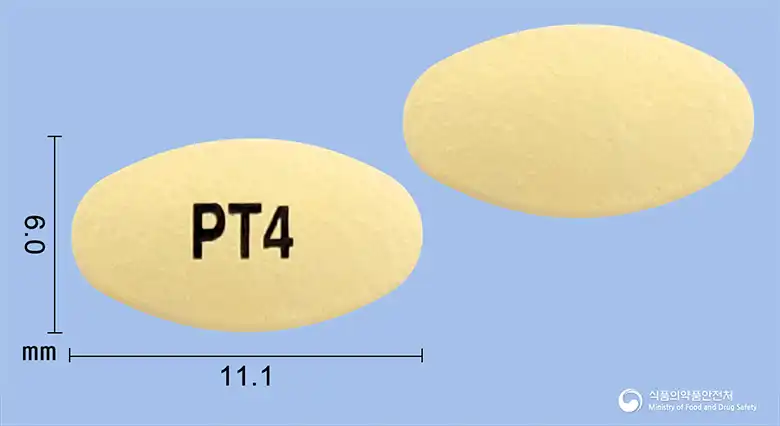
Pantoprazole Sodium Sesquihydrate 45.1mg
Tablet · Prescription medication
Albozen Korea Co., Ltd.
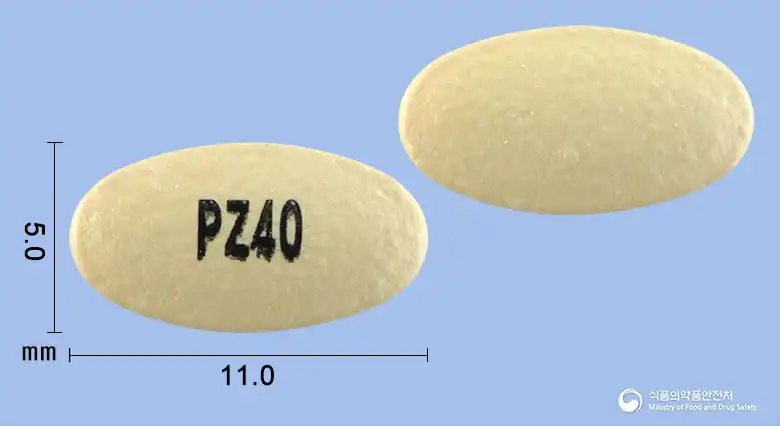
Pantoprazole Sodium Sesquihydrate 45.1mg
Tablet · Prescription medication
Daewoo Pharmaceutical Co., Ltd.
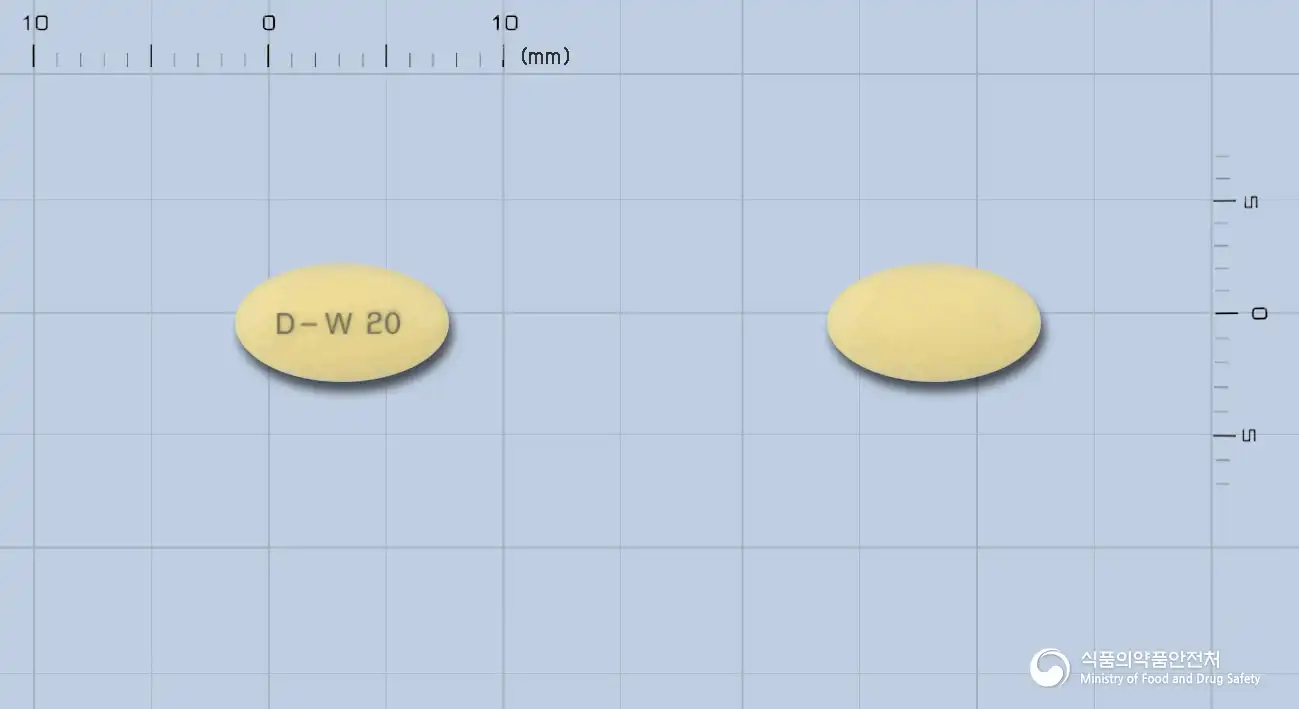
Pantoprazole Sodium Sesquihydrate 22.6mg
Tablet · Prescription medication
Dongwha Pharm Co., Ltd.
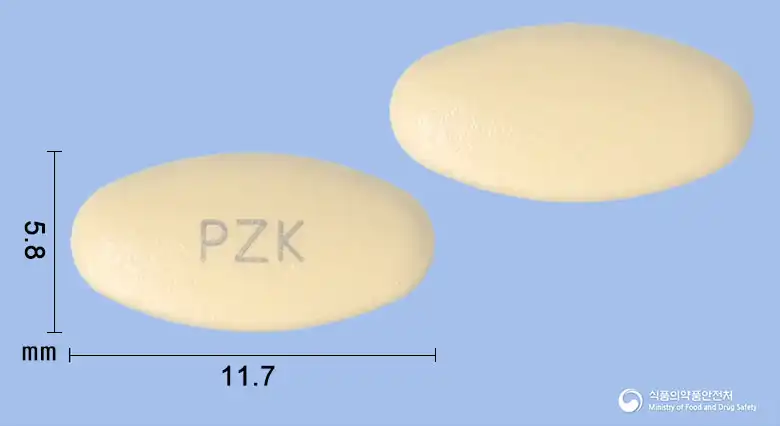
Pantoprazole Sodium Sesquihydrate 45.1mg
Tablet · Prescription medication
Genewon Sciences Co., Ltd.
Even with the same ingredient, the dose and directions can differ by strength and dosage form. Talk to a doctor or pharmacist before switching from a medication you are already taking.
No questions yet.
For anything that needs medical judgment, consult a doctor or pharmacist.
This drug information is based on data provided by the Korea Ministry of Food and Drug Safety.
Consult a doctor or pharmacist for accurate dosage, administration, and usage instructions.