
 한국어
 English
 日本語
 中文(简体)
 Viewing now
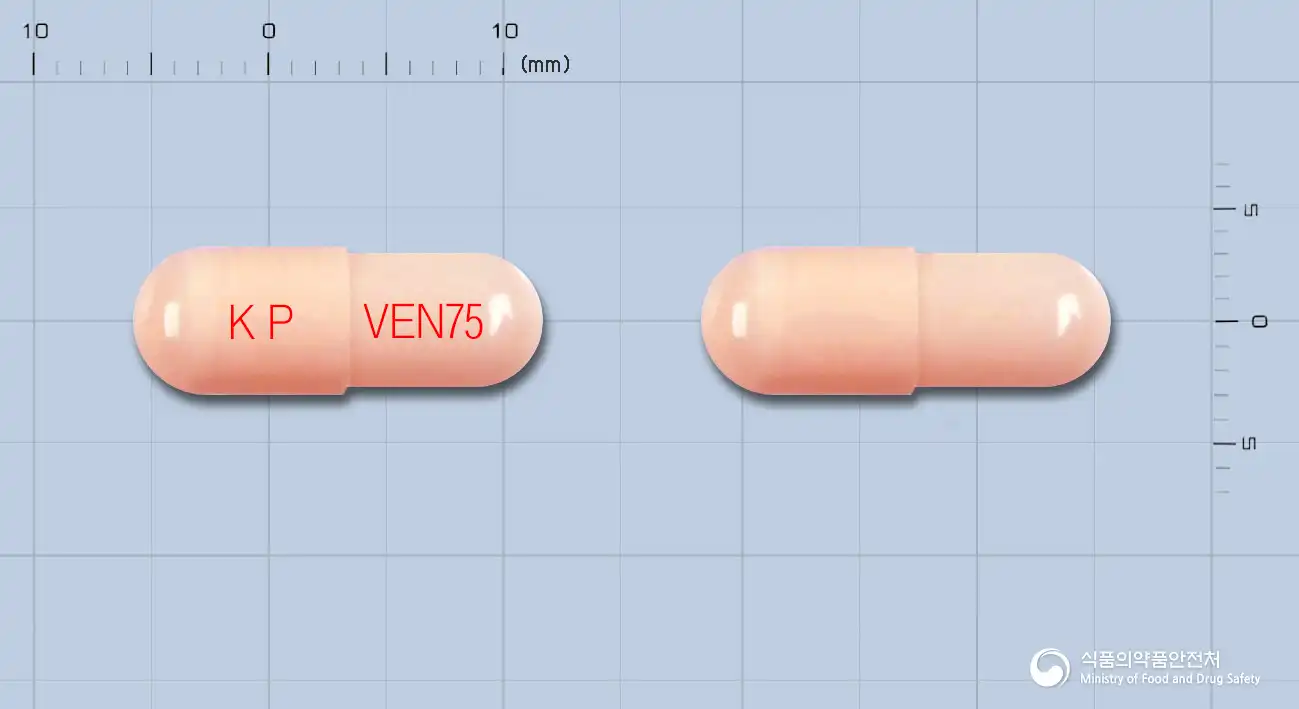
Paroxetine Extended-Release Capsule 75 mg (Venlafaxine Hydrochloride)
Venlafaxine Hydrochloride Extended-Release Granules 250mg
Prescription medication
Korea Pharma Co., Ltd.
MFDS item code 200701823 · Approved 2007.02.09 · Insurance code 653005120
Treatment of depression and anxiety disorders (generalized anxiety disorder, social phobia, etc.)
This medication is primarily used to treat depression, generalized anxiety disorder, social phobia, and panic disorder.
The therapeutic dose of this medicine should be adjusted according to the patient’s clinical condition, and the lowest effective dose possible should be administered. Take this medicine with food, preferably at the same time each morning or evening. Do not divide, crush, chew, or dissolve the capsules in water before taking them. Adults 1. Depression and generalized anxiety disorder The recommended initial dose is 75 mg of venlafaxine hydrochloride orally once daily. Depending on the patient, 37.5 mg once daily may be administered for 4∼7 days after starting treatment to allow the patient to adjust to the medicine before increasing the dose to 75 mg once daily. If further clinical improvement is needed after 2 weeks of treatment, the dose may be increased to 150 mg once daily. If necessary, the dose may be increased to a maximum of 225 mg once daily. Increases should be no more than 75 mg per day and should be made at intervals of at least 4 days. Patients with depression who are currently taking immediate-release tablets containing this ingredient may be switched to this medicine at a dose closest to their tablet dose. For example, a patient taking 37.5 mg of immediate-release tablets containing this ingredient twice daily may take 75 mg of this medicine once daily. Individual dose adjustment may be necessary when switching. 2. Social anxiety disorder The recommended dose is 75 mg of venlafaxine hydrochloride orally once daily. There is no evidence of additional benefit from increasing the dose. 3. Panic disorder The recommended initial dose is 37.5 mg of venlafaxine hydrochloride once daily for 7 days. In clinical trials conducted in outpatients with panic disorder to evaluate the efficacy of this medicine, the initial dose was 37.5 mg once daily for 7 days, followed by an increase to 75 mg once daily, and then by increases of 75 mg at successive 1-week intervals, up to 225 mg once daily. Although a dose-response relationship for the efficacy of this medicine in patients with panic disorder has not been clearly established, some patients who do not respond to a dose of 75 mg/day may benefit from an increase to a maximum of 225 mg once daily. If the dose is increased, increases should be no more than 75 mg per day as needed and should be made at intervals of 7 days or longer. 4. Dosing in special populations 1) Patients with hepatic impairment The dose should be reduced by 50 % in patients with moderate hepatic impairment. Since drug clearance varies considerably among patients with cirrhosis, the dose should be adjusted for each patient. 2) Patients with renal impairment The total daily dose should be reduced by 25∼50% in patients with renal impairment (GFR=10∼70 mL/min). For patients receiving hemodialysis, the total daily dose should be reduced by 50%, and the medicine should be administered after hemodialysis is completely finished. Since drug clearance varies considerably among patients with renal impairment, the dose should be adjusted for each patient. 5. Maintenance/continuation/long-term treatment The physician should periodically evaluate the effectiveness of long-term treatment with this medicine for each patient. It is generally agreed that acute depression requires continuous drug therapy for several months or longer. 6. Discontinuation of treatment with this medicine If treatment is discontinued after this medicine has been taken for more than 1 week, the dose should be gradually reduced over several days to minimize withdrawal symptoms. Patients who have received this medicine for more than 6 weeks should have their dose gradually reduced over at least 2 weeks. The time needed for dose reduction may vary depending on the dose, duration of treatment, and patient. 7. Switching from MAO inhibitors used to treat psychiatric disorders When discontinuing an MAO inhibitor used to treat psychiatric disorders and starting treatment with this medicine, allow an interval of at least 14 days. Conversely, at least 7 days must elapse after discontinuing this medicine before starting an MAO inhibitor to treat psychiatric disorders. 8. Other MAO inhibitors, such as linezolid or methylene blue Patients should be monitored for symptoms of serotonin syndrome for 7 days after administration of linezolid or intravenous methylene blue, or until 24 hours after the last dose, whichever occurs first. Treatment with this medicine may be restarted 24 hours after the last dose of linezolid or intravenous methylene blue. The risk associated with methylene blue administered by non-intravenous routes (oral tablets or local injection), or with intravenous administration of this medicine at a dose of 1mg/kg or less, is unclear.
This medication may have a negative effect on the central nervous system when taken with alcohol, so alcohol consumption should be avoided during treatment. Serious side effects may occur in case of overdose, so it is important to take the minimum dose as directed by the physician. In particular, special caution is required for children and adolescents under 18, as well as young adults, as there may be an increased risk of suicidal thoughts or behavior; this medication is not approved for use in children and adolescents. This medication can elevate blood pressure, so regular monitoring of blood pressure is recommended, and if blood pressure remains persistently high, consideration should be given to dose adjustment or discontinuation. Serious reactions such as serotonin syndrome and neuroleptic malignant syndrome may occur; therefore, it should not be used in conjunction with serotonergic agents or MAO inhibitors, and immediate medical attention should be sought if symptoms occur. Patients with a previous allergic reaction to this medication or its components, or those currently taking MAO inhibitors should not use this medication. Pregnant or potentially pregnant women, nursing mothers, and patients under 18 should not take this medication. Patients with a risk of suicide should be closely monitored for changes in behavior at the start of treatment and with any dose changes, with family members or caregivers also advised to observe the patient carefully. Patients with a history of seizures need to be cautious when taking this medication, and it should be discontinued immediately if a seizure occurs. If rash, hives, or allergic reactions occur during treatment, consult with a doctor promptly. Patients with impaired renal or liver function should take a lower dose based on a physician's directions. This medication can affect the central nervous system, so caution is needed when driving or operating hazardous machinery. Abrupt discontinuation may lead to withdrawal symptoms such as dizziness, anxiety, insomnia and should be gradually reduced in consultation with a doctor. This medication may cause sexual dysfunction, and symptoms may persist even after discontinuation in some patients. Regular testing is necessary as cholesterol levels may increase during treatment. Interactions may occur between this medication and others, so patients should inform their doctor or pharmacist of any other medications they are taking. Particular caution is required when used in combination with lithium, diazepam, cimetidine, haloperidol, and CYP2D6 and CYP3A4 inhibitors. This medication may increase the risk of bleeding, so patients taking anticoagulants or platelet aggregators should exercise extra caution. If unusual behavior, suicidal thoughts, or aggression change during treatment, consult with medical personnel immediately.
Headache, weakness, nausea, loss of appetite, dry mouth, vomiting, dizziness, insomnia, nervousness, drowsiness, tremors, sweating, erectile dysfunction, abnormal ejaculation, decreased libido, vasodilation, hypertension, constipation, abnormal dreams, anxiety, yawning, abnormal vision, weakness/fatigue, chills, fever, sore throat, facial swelling, malaise, suicide attempt, withdrawal symptoms, migraine, orthostatic hypotension, tachycardia, angina, arrhythmia, hypotension, syncope, thromboembolic venous inflammation, appendicitis, carcinoma, cellulitis, bacteremia, granuloma, anaphylaxis, belching, increased appetite, decreased appetite, teeth grinding, colitis, dysphagia, tongue swelling, esophagitis, gastritis, gastroenteritis, gastric ulcer, gingivitis, glossitis, rectal bleeding, hemorrhoids, bloody stool, stomatitis, oral ulcer, diarrhea, cheilitis, cholecystitis, cholelithiasis, hematemesis, gum bleeding, hepatitis, ileitis, jaundice, intestinal obstruction, oral motility disorder, proctitis, increased salivation, soft stools, tongue discoloration, esophageal spasm, duodenitis, parotitis, rectal disease, pancreatitis, goiter, hyperthyroidism, hypothyroidism, thyroid nodule, thyroiditis, excessive milk production, purpura, anemia, leukocytosis, leukopenia, lymphadenopathy, thrombocytosis, mucosal bleeding, gastrointestinal bleeding, thrombocytopenia, eosinophilia, cyanosis, eosinophilia, lymphocytosis, prolonged bleeding time, multiple myeloma, purpura, hemorrhagic diathesis, edema, elevated serum cholesterol, weight loss, weight gain, increased alkaline phosphatase, dehydration, diabetes, hypercholesterolemia, hyperglycemia, hyperuricemia, hypoglycemia, hypokalemia, abnormal liver function tests, thirst, hyponatremia, alcohol intolerance, hyperbilirubinemia, elevated BUN, elevated creatinine, diabetes mellitus, gout, hemochromatosis, hypercalciuria, hyperkalemia, hyperlipidemia, hyperphosphatemia, hypophosphatemia, hypoproteinemia, uremia, hepatitis, syndrome of inappropriate antidiuretic hormone secretion, abnormal healing, hypocholesterolemia, increased prolactin, arthralgia, arthritis, arthrosis, bone pain, bone neoplasm, bursitis, leg cramps, myasthenia gravis, tendinitis, pathological fractures, myopathy, osteoporosis, osteosclerosis, rheumatoid arthritis, tendon rupture, plantar fasciitis, rhabdomyolysis, memory loss, confusion, dissociation, emotional instability, sensory loss, abnormal dreams, decreased libido, increased muscle tone, difficulty opening the mouth, inability to sit still, apathy, ataxia, perioral sensory disturbances, central nervous system excitation, euphoria, hallucinations, hostility, hypersensitivity, psychomotor agitation, decreased tension, dyscoordination, increased libido, mania, fasciculations, neuralgia, neuropathy, paranoia, psychosis, seizures, abnormal speech, stupor, numbness, anxiety, immobility, alcohol abuse, aphasia, bradykinesia, extrapyramidal syndrome, cerebrovascular accident, loss of consciousness, delusion, dementia, abnormal muscle tone, facial paralysis, abnormal gait, Guillain-Barré syndrome, decreased motor function, neuritis, eye twitching, psychotic depression, decreased reflexes, increased reflexes, suicidal thoughts, torticollis, convulsions, neuroleptic malignant syndrome, serotonin syndrome, feeling intoxicated, hyperuricemia, impulse control disorder, incomplete paralysis, extrapyramidal response, tardive dyskinesia, dyspnea, increased cough, asthma, pulmonary congestion, nosebleeds, hyperventilation, laryngospasm, laryngitis, pneumonia, voice changes, atelectasis, hemoptysis, respiratory depression, hypoxia, pleuritis, pulmonary embolism, obstructive sleep apnea, laryngeal edema, pulmonary eosinophilia, itching, acne, alopecia, brittle nails, contact dermatitis, dry skin, eczema, skin thickening, papulovesicular rash, psoriasis, urticaria, erythroderma, exfoliative dermatitis, lichen planus, hair discoloration, skin discoloration, boil, hirsutism, vitiligo, pustular rash, vesicular rash, seborrhea, skin atrophy, skin appendage, erythema multiforme, mucocutaneous syndrome, impaired control ability, pupil dilation, taste disorder, visual impairment, cataract, conjunctivitis, keratopathy, diplopia, dry eyes, exophthalmos, ocular pain, hypersensitivity hearing, otitis media, olfactory disturbances, photophobia, taste loss, taste changes, visual field damage, tinnitus, blepharitis, hyperpigmentation, conjunctival edema, hearing loss, glaucoma, retinal hemorrhage, subconjunctival hemorrhage, keratitis, labyrinthitis, miosis, papilledema, decreased pupillary reflex, external auditory canal inflammation, sclerectasia, uveitis, closed-angle glaucoma, abnormal uterine bleeding, prostatitis, urinary disorder, vaginitis, abnormal ejaculation, orgasmic disorder, albuminuria, amenorrhea, cystitis, dysuria, hematuria, milk secretion, leukorrhea, menorrhagia, nocturnal enuresis, bladder pain, breast pain, polyuria, pyuria, urinary incontinence, urinary retention, urgency, vaginal bleeding, abnormal orgasm, miscarriage, anuria, breast engorgement, breast enlargement, fibrocystic breast disease, calcium oxalate crystalluria, cervicitis, ovarian cyst, prolonged erection, gynecomastia, oligomenorrhea, kidney stones, nephralgia, renal dysfunction, mastitis, menopause, pyelonephritis, frequent urination, salpingitis, urolithiasis, uterine bleeding, uterine spasms, balanitis, endometriosis, orchitis, vaginal dryness, anaphylaxis, angioedema, ventricular tachycardia, stress-induced cardiomyopathy, pancreatitis, agranulocytosis, aplastic anemia, pancytopenia, syndrome of inappropriate antidiuretic hormone secretion, abnormal liver function tests, increased luteinizing hormone, rhabdomyolysis, psychomotor instability, delirium, extrapyramidal symptoms, coordination and balance disorders, tardive dyskinesia, interstitial lung disease, Stevens-Johnson syndrome, toxic epidermal necrolysis, bleeding, fractures, tension, elevated creatine phosphokinase, deep venous thrombosis, atrial fibrillation, supraventricular tachycardia, ventricular premature contractions, liver disease, involuntary movements, increased LDH, sweating, panic, renal failure, electric shock-like shock, abdominal pain, anxiety, dyspepsia, purpura, nosebleeds, myalgia, suicidal thoughts, self-harm, decreased appetite, weight loss, increased blood pressure, elevated cholesterol levels, insomnia, irritability, hypomania, mania, aggression, impulsivity, inability to sit still, convulsions, withdrawal symptoms, hypomania, anxiety, confusion, coordination and balance disorders, depressed mood, emotional instability, drowsiness, nightmares, fatigue, sensory disturbances, muscle fiber contractions, flu-like symptoms, tinnitus, sweating, anorexia, diarrhea, hypertension, increased blood pressure, increased heart rate, QTc prolongation, Torsades de Pointes, ventricular tachycardia, suicidal impulses, suicidal behavior, aggression, incomplete paralysis, closed-angle glaucoma, pneumonia, pulmonary embolism, obstructive sleep apnea, pulmonary eosinophilia
Not everyone experiences these, and they can vary from person to person.
Store this medication in a sealed container to protect it from exposure to air or moisture, preferably in a cool place, at a temperature below 25 degrees. Storing it this way can help maintain its effectiveness for a longer time.
Capsule in light pink color containing round white to grayish-white granules
30 capsules/bottle, 100 capsules/bottle
Even with the same ingredient, strength, dosage form and how it is taken can differ.
Viewing nowVenlafaxine Hydrochloride Extended-Release Granules 250mg
Prescription medication
Korea Pharma Co., Ltd.
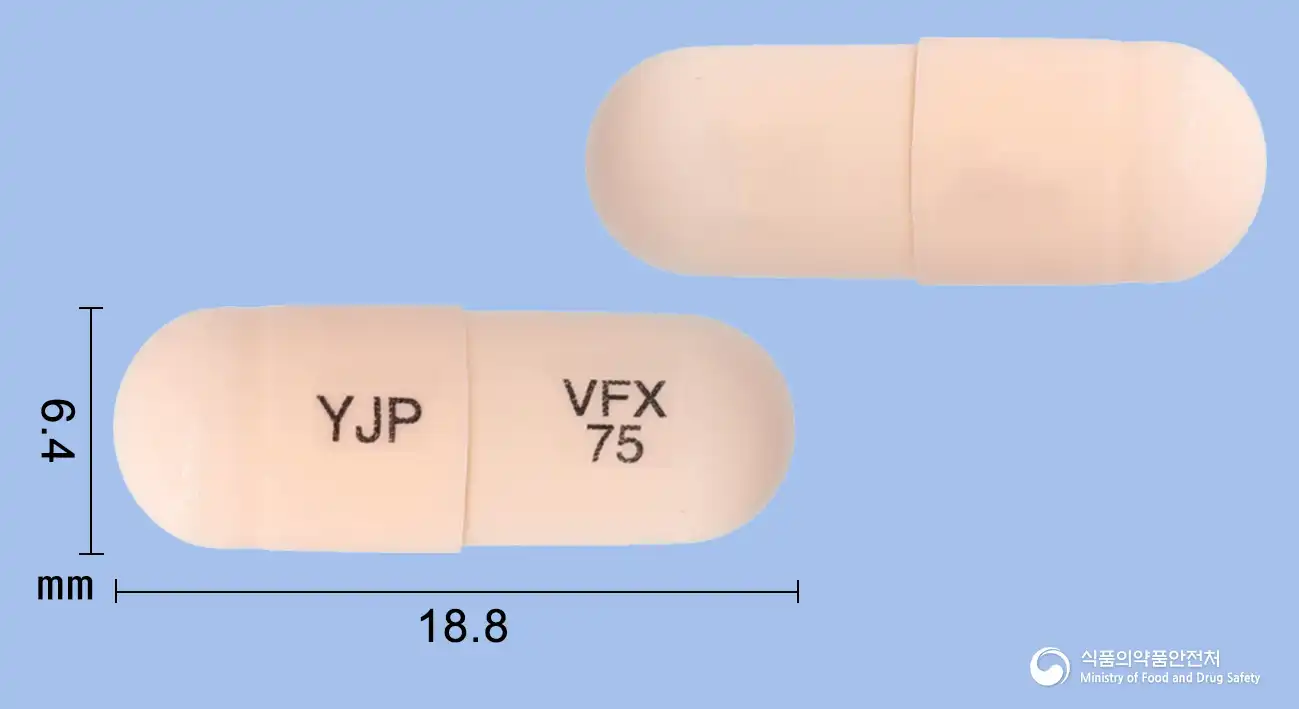
Venlafaxine Hydrochloride Extended-Release Granules 250mg
Prescription medication
YungJin Pharmaceutical Co., Ltd.
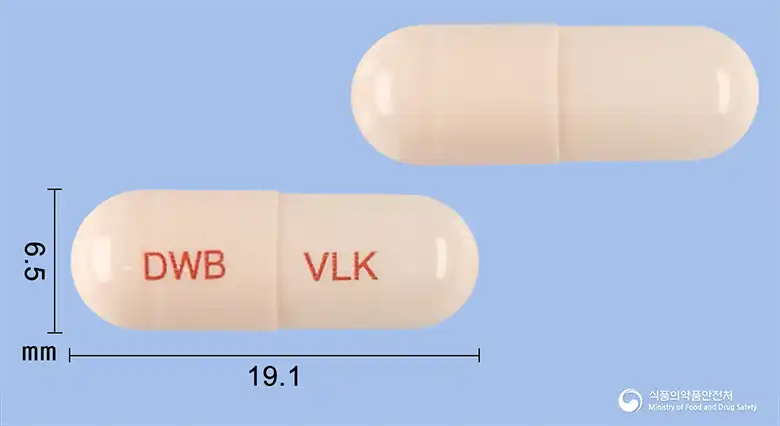
Venlafaxine Hydrochloride Extended-Release Granules 250mg
Prescription medication
Daewoong Bio Co., Ltd.
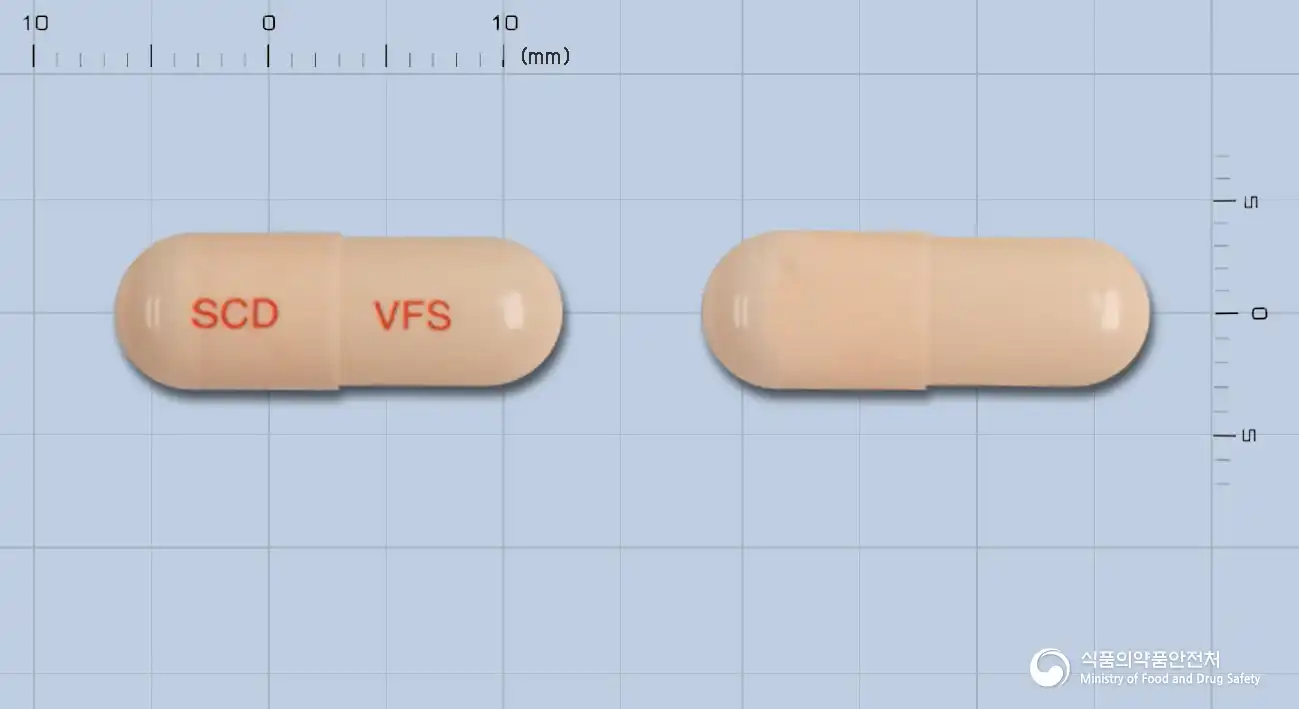
Venlafaxine Hydrochloride Extended-Release Granules 250mg
Prescription medication
Samchundang Pharmaceutical Co., Ltd.
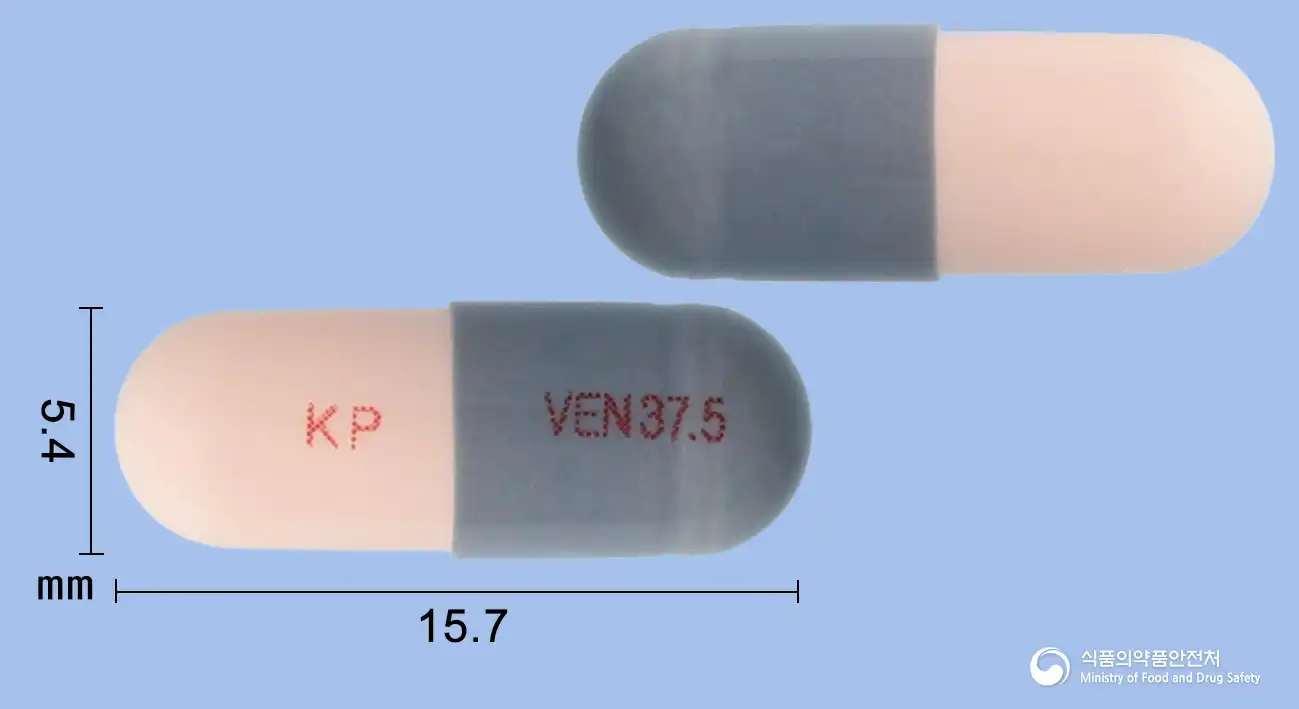
Venlafaxine Hydrochloride Extended-Release Granules 125mg
Prescription medication
Korea Pharma Co., Ltd.
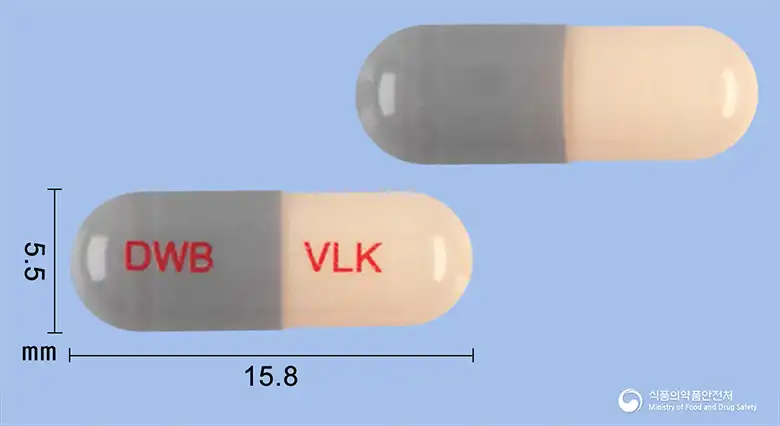
Venlafaxine Hydrochloride Extended-Release Granules 125mg
Prescription medication
Daewoong Bio Co., Ltd.
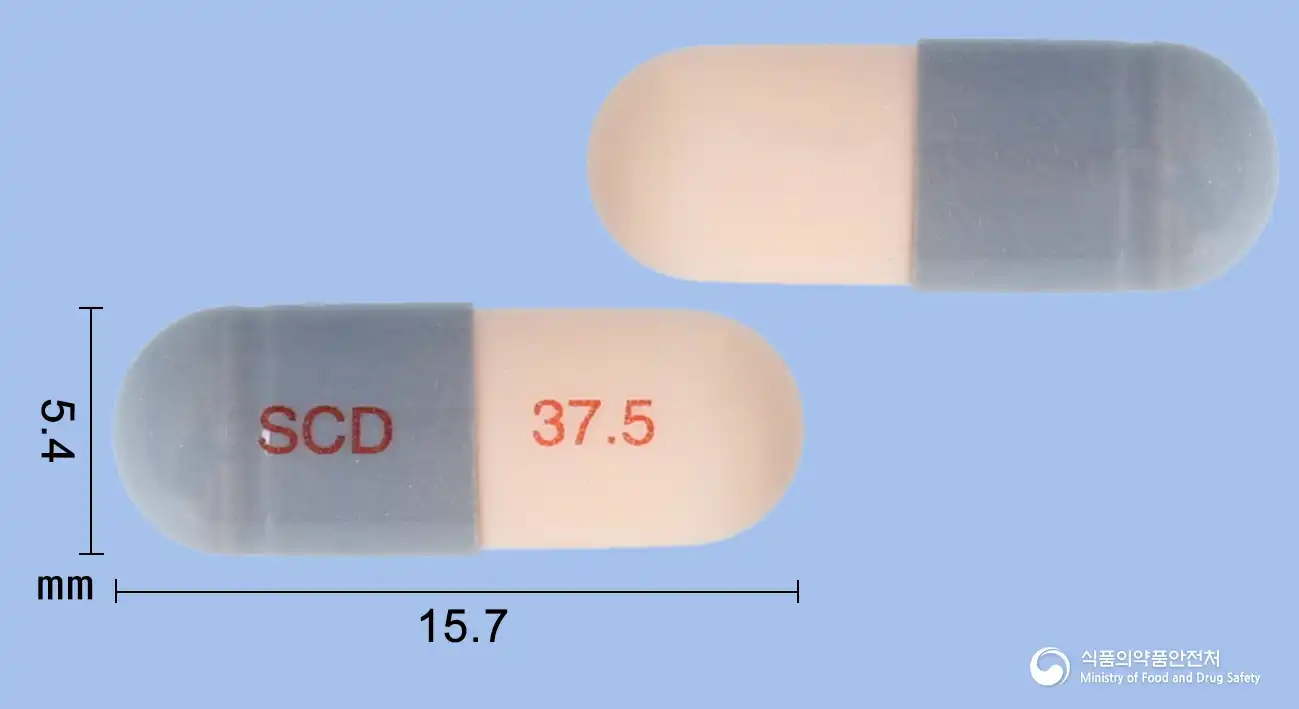
Venlafaxine Hydrochloride Extended-Release Granules 125mg
Prescription medication
Samchundang Pharmaceutical Co., Ltd.
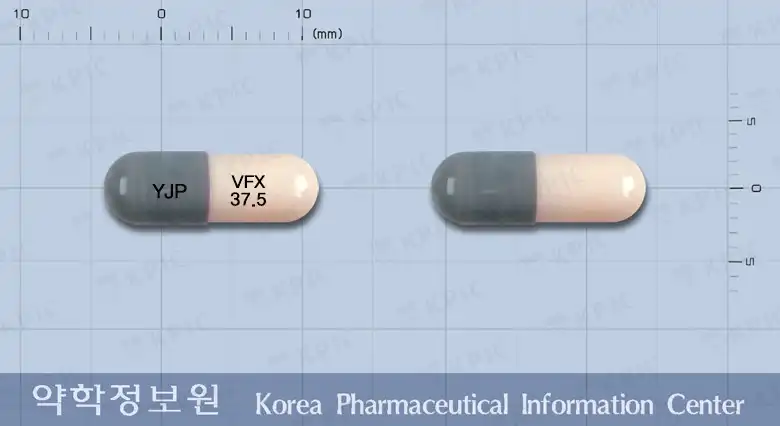
Venlafaxine Hydrochloride Extended-Release Granules 125mg
Prescription medication
Youngjin Pharmaceutical Co., Ltd.
Even with the same ingredient, the dose and directions can differ by strength and dosage form. Talk to a doctor or pharmacist before switching from a medication you are already taking.
No questions yet.
For anything that needs medical judgment, consult a doctor or pharmacist.
This drug information is based on data provided by the Korea Ministry of Food and Drug Safety.
Consult a doctor or pharmacist for accurate dosage, administration, and usage instructions.