
 한국어
 English
 日本語
 中文(简体)
Summary
- Main use
- Improvement of symptoms of atherosclerosis and acute coronary syndrome; reduction of thromboembolic risk in atrial fibrillation
- Who takes it
- Adults
- Adult dose
- ○ Adults 1. In patients with ischemic stroke, myocardial infarction, or peripheral arterial disease, administer clopidogrel 75 mg orally once daily. 2. In patients with acute coronary syndrome (unstable angina or non-Q-wave myocardial infarction), start treatment on the first day with a loading dose of 300 mg of this drug once daily, followed by an oral maintenance dose of 75 mg once daily. In this case, aspirin 75 ~ 325 mg should be administered concomitantly with this drug once daily. 3. In patients with atrial fibrillation, administer this drug 75 mg orally once daily. In this case, aspirin 75 ~ 100 mg should be administered concomitantly with this drug once daily. ○ Patients with renal impairment : There is limited treatment experience in patients with renal impairment. ○ Patients with hepatic impairment : There is limited treatment experience in patients with moderate liver disease with a bleeding diathesis. This drug may be administered with or without food.
Ingredients
- Manufacturer
- Jongkundang Co., Ltd.
Efficacy & effects
Improvement of symptoms of atherosclerosis and acute coronary syndrome; reduction of thromboembolic risk in atrial fibrillation
- Ischemic stroke
- myocardial infarction
- peripheral arterial disease
- acute coronary syndrome
- unstable angina
- non-Q wave myocardial infarction
- cardiovascular abnormalities
- stroke
- refractory ischemia
- vascular risk factors
- atrial fibrillation
- atherosclerotic thrombosis
View approved original textHide original text
This medication is used to improve atherosclerotic symptoms in patients with ischemic stroke, myocardial infarction, or peripheral arterial disease. It also reduces risks of cardiovascular events that may occur after medical treatment or interventions in patients with acute coronary syndrome, such as unstable angina or non-Q wave myocardial infarction. In patients with atrial fibrillation who have a low risk of bleeding and vascular risk factors, it helps lower the risk of stroke and thrombotic complications. Thus, this drug is effective in improving and preventing atherosclerotic symptoms and thrombotic risks associated with various cardiovascular diseases.
How to take
Adult dose
○ Adults 1. In patients with ischemic stroke, myocardial infarction, or peripheral arterial disease, administer clopidogrel 75 mg orally once daily. 2. In patients with acute coronary syndrome (unstable angina or non-Q-wave myocardial infarction), start treatment on the first day with a loading dose of 300 mg of this drug once daily, followed by an oral maintenance dose of 75 mg once daily. In this case, aspirin 75 ~ 325 mg should be administered concomitantly with this drug once daily. 3. In patients with atrial fibrillation, administer this drug 75 mg orally once daily. In this case, aspirin 75 ~ 100 mg should be administered concomitantly with this drug once daily. ○ Patients with renal impairment : There is limited treatment experience in patients with renal impairment. ○ Patients with hepatic impairment : There is limited treatment experience in patients with moderate liver disease with a bleeding diathesis. This drug may be administered with or without food.
Precautions
This medication inhibits the aggregation of platelets in the blood to prevent thrombus formation. Patients with genetically reduced function of a specific enzyme (CYP2C19) may have reduced efficacy with this medication, therefore it may be necessary to reconsider treatment or use alternative medications in such cases. This medication may increase the risk of bleeding; therefore, it should not be administered to patients with bleeding or a tendency to bleed, severely impaired liver function, nursing women, or those with certain genetic diseases. Patients at high risk of bleeding or those scheduled for surgery should discontinue the medication or use it cautiously, and caution is also needed when used in combination with other bleeding risk medications. If symptoms of bleeding or adverse reactions occur during treatment with this medication, it is essential to notify medical personnel immediately, and appropriate tests, such as blood tests, may be necessary. Serious adverse reactions such as severe bleeding, blood cell reductions, gastrointestinal disturbances, skin rashes may occur in some patients, so careful monitoring for symptom occurrence is necessary. Elderly patients or those with decreased renal or liver function may be at higher risk of bleeding, thus dosage adjustment and monitoring of conditions are essential. This medication may interact with other drugs, so it is crucial to inform medical personnel of any other concurrent medications, as there may be an increased risk of bleeding when used together with certain medications. For pregnant women, the risk to the fetus has not been confirmed, but due to the bleeding risk, it is recommended to discontinue use before delivery. Nursing women should consult medical personnel regarding whether to stop breastfeeding or the medication, as this drug may be secreted in breast milk. In cases of overdose, bleeding time may be prolonged, and as there is no specific antidote, platelet transfusion may be required in emergency situations. This drug is not recommended for use in children as its safety and efficacy have not been established. Store the medication out of reach of children and avoid transferring it to other containers.
Side effects
Hemorrhage, gastrointestinal bleeding, purpura, contusion, hematoma, epistaxis, hematoma, hematuria, intraocular hemorrhage, intracranial hemorrhage, hemorrhagic stroke, thrombocytopenia, neutropenia, agranulocytosis, aplastic anemia, abdominal pain, dyspepsia, diarrhea, rash, pruritus, urinary tract infection, headache, dizziness, nausea, vomiting, depression, dyspnea, rhinitis, bronchitis, cough, urinary tract infection, decreased mobility, tremor, voice disorder, abnormal gait, hyperkinesia, ataxia, sensory disturbance, insomnia, depression, amnesia, anxiety, delusion, thought disorder, abnormal behavior, arthralgia, myalgia, low back pain, weight loss, weight gain, facial flushing, fatigue, weakness, rigidity, facial edema, syncope, purpura disease, melena, hematoma, thrombocytopenia, anemia, cough, dyspnea, rhinitis, visual disturbances, vision impairment, dry eyes, temporary blindness, congestion, tinnitus, micturition disorder, polyuria, non-protein nitrogen elevation, uremia, increased blood urea nitrogen, hypoglycemia, hyperuricemia, elevated liver enzymes, increased ALT, abnormal liver function, leg edema, arrhythmia, bradycardia, palpitations, rash, itching, contact dermatitis, gynecomastia, increased prostate-specific antigen, allergic symptoms, ischemic necrosis, generalized edema, gastritis, hemorrhagic gastroenteritis, duodenal ulcer, gastric ulcer, perforated gastric ulcer, upper gastrointestinal tract ulcer bleeding, abdominal distension, hyperbilirubinemia, infectious hepatitis, fatty liver, hemorrhagic arthropathy, hematuria, hemoptysis, intracranial hemorrhage, retroperitoneal hemorrhage, surgical wound bleeding, ocular hemorrhage, pulmonary hemorrhage, thrombocytopenia, prolonged bleeding time, aplastic anemia, hypochromic anemia, agranulocytosis, granulocytopenia, leukemia, leukopenia, neutropenia, eosinophilia, menorrhagia, hemothorax, herpes zoster, erythematous rash, maculopapular rash, urticaria, renal dysfunction, acute renal failure, fever, abnormal liver function tests, increased blood creatinine, cholecystitis, hematemesis, spinal hematoma
Not everyone experiences these, and they can vary from person to person.
Storage
This medication should be stored in a tightly sealed container to protect it from exposure to air or moisture. It is best stored at room temperature, specifically between 1 degree and 30 degrees Celsius, avoiding extreme heat or cold.
Appearance and packaging
Appearance
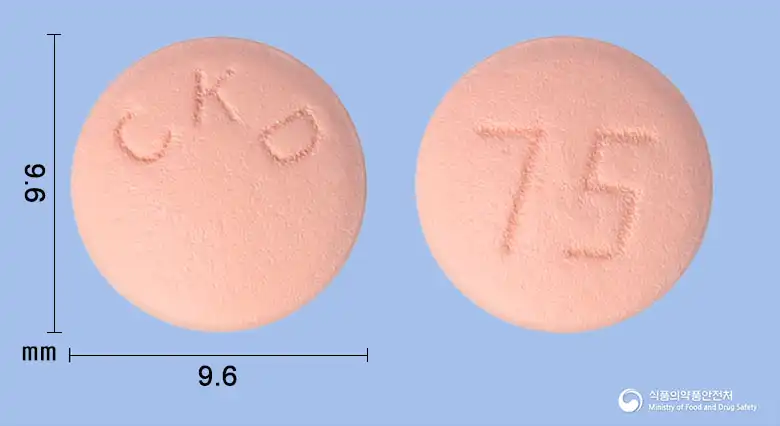
Pink round film-coated tablet
Package unit
30 tablets/bottle, 100 tablets/bottle
Questions about this medicine
No questions yet.
For anything that needs medical judgment, consult a doctor or pharmacist.