한국어
 English
 日本語
 中文(简体)
 Viewing nowCombination
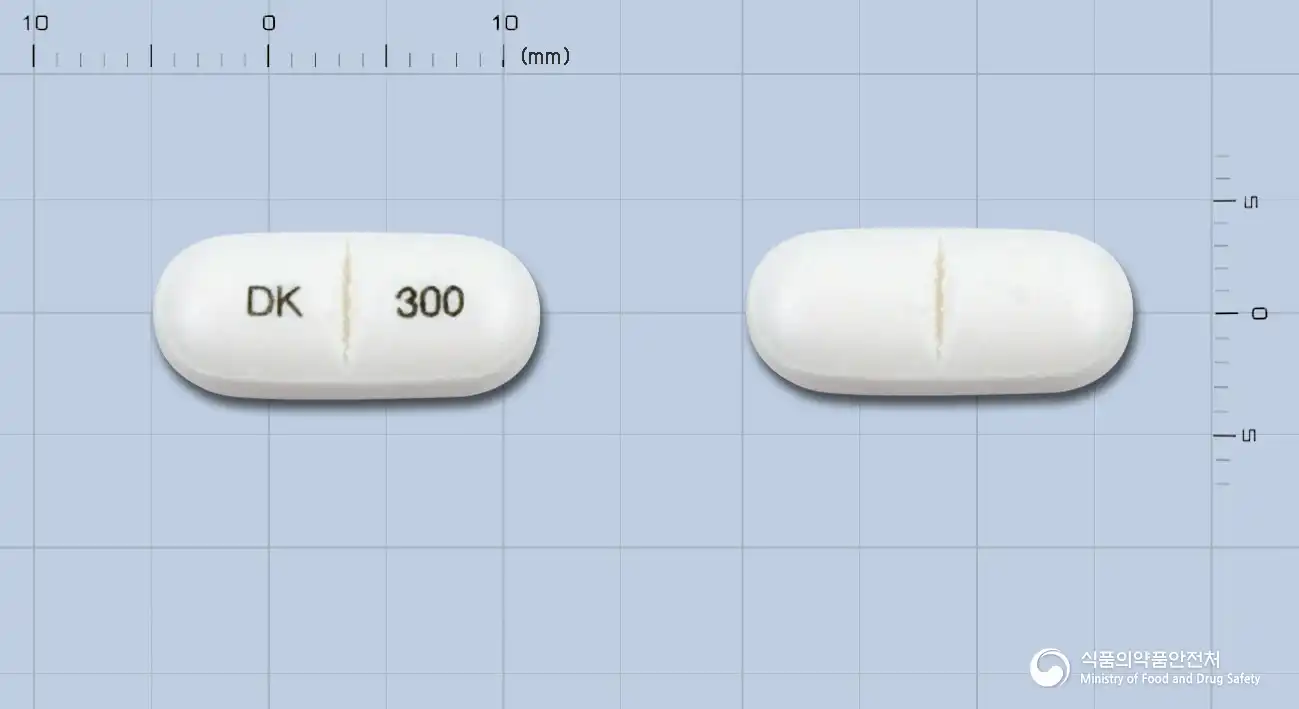
Depakine Chrono 300 mg
Sodium Valproate 200mg · Valproic Acid 87mg
Tablet · Prescription medication · Combination
Handok Co., Ltd.
MFDS item code 200701028 · Approved 2007.05.10 · Insurance code 652100180
Treatment of epilepsy (including absence seizures and clonic seizures) and mania associated with bipolar disorder
This medicine effectively treats various types of epilepsy seizures, such as absence seizures (petit mal), tonic-clonic seizures (grand mal), myoclonic seizures, complex partial seizures, and mixed seizures. Additionally, it is used to treat manic episodes associated with bipolar disorder. However, in the treatment of mania, if the medication is to be taken for more than 3 weeks, the usefulness for each patient should be re-evaluated to determine whether to continue taking it, so safety and efficacy must be considered carefully. This medicine helps improve symptoms of epilepsy seizures and mania.
Epilepsy Based on currently available information, when switching from enteric-coated sodium valproate tablets to this medicine, the same dose as before should be maintained. 1) Patients receiving other antiepileptic drugs: Gradually increase the dose of this medicine over 2 weeks until an appropriate dose is reached, while reducing the dose of the other antiepileptic drugs currently being used, with careful attention to seizure control. 2) Patients not receiving other antiepileptic drugs: Gradually increase the dose at intervals of 2 - 3 days over 1 week until an appropriate dose is reached. Bipolar disorder The dose should be determined individually and reviewed by a physician. The daily dose should be determined according to age and body weight. Adults Initial dose: The recommended initial dose is 20 mg of sodium valproate per kg of body weight per day, administered orally in 1-2 divided doses. Increase the dose as quickly as possible to the lowest therapeutic dose that achieves the desired clinical effect. Maintenance dose: The recommended maintenance dose is 1,000 mg to 2,000 mg of sodium valproate per day. Adjust the dose according to the clinical effect in each patient to achieve a blood valproate concentration of 50-125㎍/ml. The dose should be adjusted individually according to the patient's response. The maximum daily dose is 3,000mg; do not exceed this dose. Adjust the dose as appropriate according to age, body weight, and symptoms. In exceptional circumstances where this medicine must be used during pregnancy in women with epilepsy, it should preferably be prescribed as monotherapy and at the lowest effective dose of a prolonged-release formulation, if possible. During pregnancy, the daily dose of a non-prolonged-release formulation should be administered in at least 2 divided doses.
Adults and children (body weight 25kg or more): Administer 20-30mg per kg of body weight orally in 1-2 divided doses daily. If epileptic seizures are well controlled with a daily dose of 20-30mg per kg of body weight, it may be administered once daily.
This medication requires special precautions for pregnant women or women of childbearing age. Taking this medication during pregnancy increases the risk of congenital malformations or developmental disorders in the fetus, so strict adherence to pregnancy prevention programs is necessary. Additionally, this medication may affect liver function, and it should not be administered to patients with severe liver damage or liver dysfunction. Especially in young children and patients suspected of having mitochondrial disorders, the risk of hepatotoxicity is high, so it should be used cautiously as monotherapy. During treatment with this medication, changes in mental health status, such as suicidal thoughts or depression, may occur, so patients and caregivers should inform medical personnel immediately if such symptoms arise. There is also a risk of metabolic abnormalities such as hyperammonemia and low carnitine levels, so healthcare providers should closely monitor the patient's condition and perform appropriate tests as needed. Serious side effects such as pancreatitis, severe skin reactions, and thrombocytopenia can occur rarely, and if abnormal symptoms such as abdominal pain, rash, or bleeding occur, medical attention should be sought immediately. This medication can interact with other drugs, so caution is needed, especially when combined with carbapenems, estrogen-containing compounds, anticoagulants, etc. When administered concurrently, healthcare personnel must carefully monitor dosage adjustments and patient status. Elderly patients, patients with renal failure, and those with bleeding disorders require even closer observation and dosage adjustment when taking this medication. Finally, due to the central nervous system depressant effects of this medication, drowsiness or dizziness may occur, so it is advisable to avoid driving or operating dangerous machinery. Sudden changes in dosage during treatment may cause exacerbation of seizures or status epilepticus, so it should always be discussed with healthcare professionals.
Liver damage, increased liver enzymes, tremors, extrapyramidal syndrome, altered consciousness, drowsiness, seizures, memory impairment, headache, eye twitching, confusional state, aggressiveness, anxiety, attention deficit, hallucinations, dizziness, coma, encephalopathy, reversible Parkinsonism, ataxia, sensory abnormalities, exacerbation of seizures, reversible cerebral atrophy, cognitive impairment, abnormal behavior, psychomotor agitation, learning disabilities, suicidal ideation, suicidal behavior, depression, abnormal changes in mood and behavior, dysmenorrhea, SIADH, amenorrhea, hyperandrogenism, hypothyroidism, male infertility, polycystic ovary syndrome, irregular menstruation, breast enlargement, galactorrhea, hypersensitivity reactions, alopecia, nail and nail bed disorders, angioedema, rash, hair abnormalities, toxic epidermal necrolysis, mucous membrane syndrome, erythema multiforme, DRESS syndrome, hyperpigmentation, decreased bone density, osteopenia, osteoporosis, fractures, systemic lupus erythematosus, rhabdomyolysis, weakness, anemia, thrombocytopenia, pancytopenia, leukopenia, bone marrow failure, agranulocytosis, macrocytic anemia, petechiae, contusions, hematoma formation, true bleeding, reduced coagulation factors, abnormal coagulation tests, biotin deficiency, presence of Pelger-Huët anomaly neutrophils, diplopia, hearing loss, tinnitus, pleural effusion, nausea, vomiting, gum disorders, stomatitis, upper abdominal pain, diarrhea, pancreatitis, increased appetite, decreased appetite, gastric discomfort, constipation, urinary incontinence, kidney failure, tubulointerstitial nephritis, nocturia, hyponatremia, weight gain, hyperammonemia, obesity, hyperinsulinemia, reduced insulin-like growth factor binding protein I, hypothermia, myelodysplastic syndrome, bleeding, vasculitis, erythema nodosum, allergic reaction, hematuria, polydipsia, lethargy, epistaxis, systemic or localized edema, mild peripheral edema, hypothermia
Not everyone experiences these, and they can vary from person to person.
This medication is sensitive to air and humidity, so it must be stored in a tightly sealed container. It is also important to store it at a moderate room temperature, not in excessively hot or cold places.
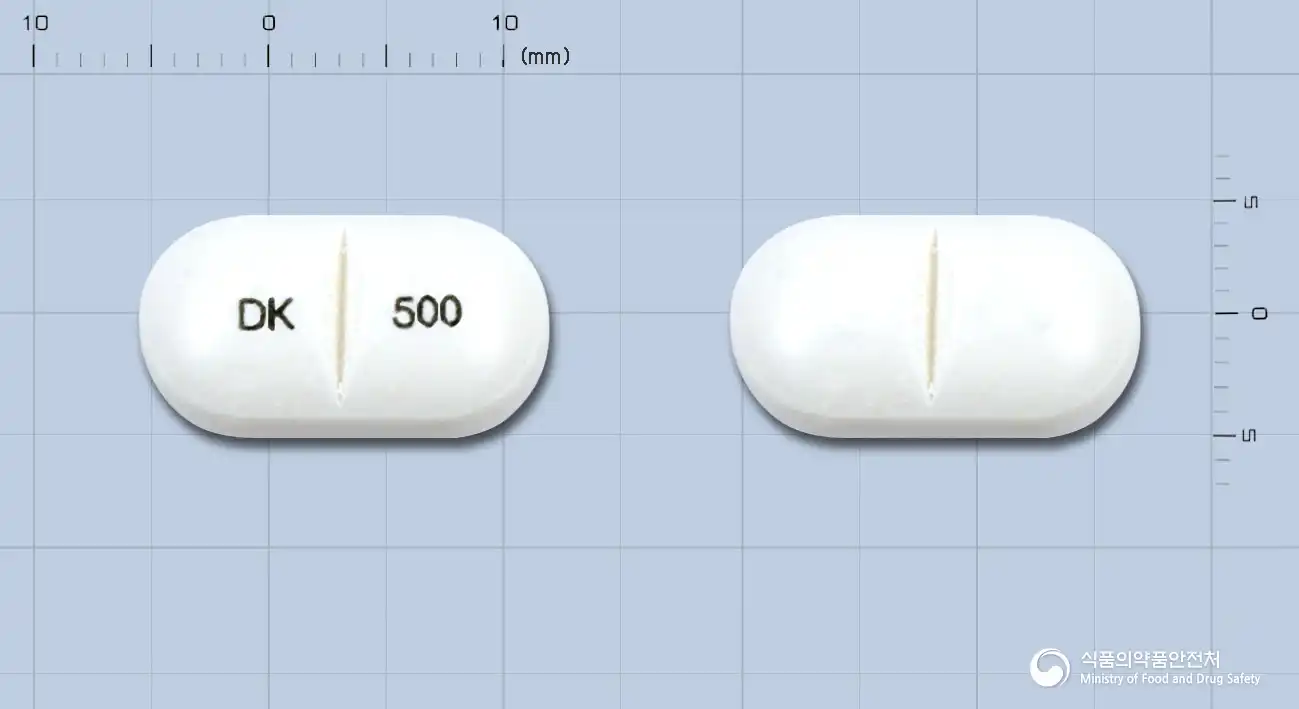
White, oval-shaped film-coated prolonged-release tablet with a score line in the center
100 tablets (10 tablets/PTP*10), 100 tablets/bottle
Even with the same ingredient, strength, dosage form and how it is taken can differ.
Even with the same ingredient, the dose and directions can differ by strength and dosage form. Talk to a doctor or pharmacist before switching from a medication you are already taking.
No questions yet.
For anything that needs medical judgment, consult a doctor or pharmacist.
This drug information is based on data provided by the Korea Ministry of Food and Drug Safety.
Consult a doctor or pharmacist for accurate dosage, administration, and usage instructions.