
 한국어
 English
 日本語
 中文(简体)
 Viewing now
Stilnox CR Tablets 6.25 mg (Zolpidem Tartrate)
Zolpidem Tartrate 3.25mg
Tablet · Prescription medication
Handok Co., Ltd.
MFDS item code 200700635 · Approved 2007.01.17 · Insurance code 652100660
Short-term treatment of sleep-onset and sleep-maintenance insomnia in adults
This medication is used for the short-term treatment of insomnia in adults who have difficulty falling asleep or maintaining sleep.
The dose of this medicine should be determined individually. 1. Adults: Administer 12.5mg of zolpidem tartrate once daily immediately before going to bed. Use the lowest effective dose; the daily dose should not exceed 12.5mg. 2. Adults aged 65 years and older and patients with hepatic impairment: Administer 6.25mg of zolpidem tartrate once daily immediately before going to bed. Since taking this medicine may impair driving or other activities that require full alertness the next day, take it once immediately before going to bed and allow at least 7-8 hours between taking the medicine and getting up. Efficacy was demonstrated when this medicine was administered as needed (3~7 days per week) in a 24-week confirmatory therapeutic clinical trial in adults with chronic primary insomnia. As with other sleeping medicines, long-term use is not recommended. The treatment duration should be as short as possible and should not exceed 4 weeks. Because the risk of abuse and dependence increases with the duration of treatment, do not continue beyond the maximum treatment period without reassessing the patient's condition. Do not split or crush this medicine, and do not chew it.
This medication may cause complex behaviors such as walking or driving while not fully awake when taken for the first time or after a break. There is a risk of serious injury or harm to others during such behaviors, so if these symptoms occur, you should discontinue use immediately. Insomnia may be a sign of other physical or mental issues; if insomnia symptoms persist for more than 7 to 10 days, the cause should be re-evaluated. Particularly for the elderly, it is very important to use the minimum effective dose to reduce the risk of side effects. Be cautious, as abnormal behaviors such as aggression, confusion, hallucinations, and anxiety can occur while taking this medication. Symptoms such as memory loss, worsening mental health, and suicidal thoughts may also occur, so consult a healthcare professional immediately if such changes arise. Sudden discontinuation of this medication may cause withdrawal symptoms, so it is advisable to taper the dosage gradually. After taking this medication, mental cloudiness or drowsiness may occur; therefore, you should avoid hazardous activities such as driving or operating machinery. Use with alcohol or other central nervous system depressants may enhance the effect and pose risks, so avoid co-use. Caution is required when used with opioid analgesics, as it may lead to severe respiratory depression, coma, or even death. This medication may rarely cause severe allergic reactions; if swelling of the tongue or throat occurs and breathing difficulties arise, immediate emergency treatment is necessary. It should not be used in patients with severely impaired liver function, and those with mild liver dysfunction should have their dosages adjusted and monitored closely. Pregnant women, particularly during the first trimester, and nursing mothers are advised not to use this medication, and discussions with a physician should occur if planning for pregnancy or suspecting pregnancy. Safety and effectiveness have not been established in children under 18 years of age, hence it should not be administered. The elderly or frail patients may be more sensitive to this medication; therefore, starting at a low dose and closely monitoring for side effects is encouraged. In case of overdose, consciousness impairment and cardiovascular and respiratory function decline may occur, so contact a healthcare professional immediately for appropriate treatment. This medication should be stored out of the reach of children and kept in its original container for safety.
Not everyone experiences these, and they can vary from person to person.
This medication should be stored in a sealed container to prevent exposure to air or moisture. It is advisable to maintain a storage temperature between 1 and 30 degrees Celsius.
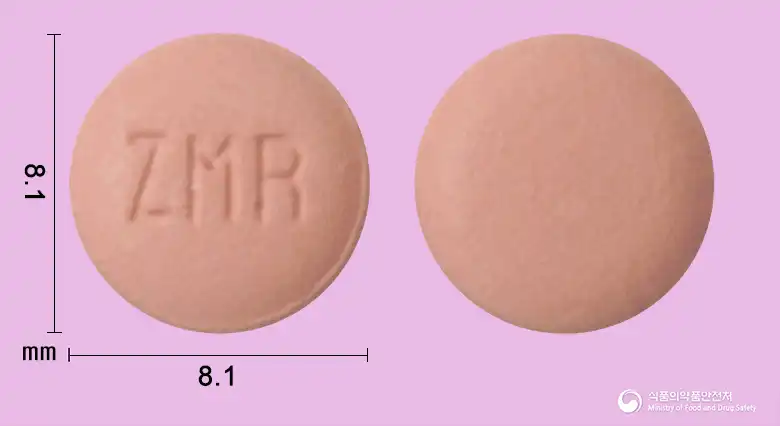
Pink, round, film-coated controlled-release tablets that are convex on both sides with 'ZMR' engraved on one side.
28 tablets/bottle, 100 tablets/bottle, 14 tablets/box [(14 tablets/blister)]
Even with the same ingredient, strength, dosage form and how it is taken can differ.
Viewing nowZolpidem Tartrate 3.25mg
Tablet · Prescription medication
Handok Co., Ltd.
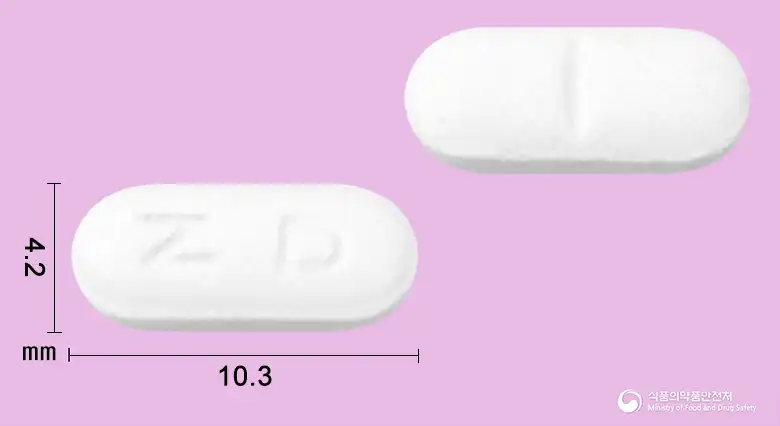
Zolpidem Tartrate 10mg
Tablet · Prescription medication
Hanmi Pharmaceutical Co., Ltd.
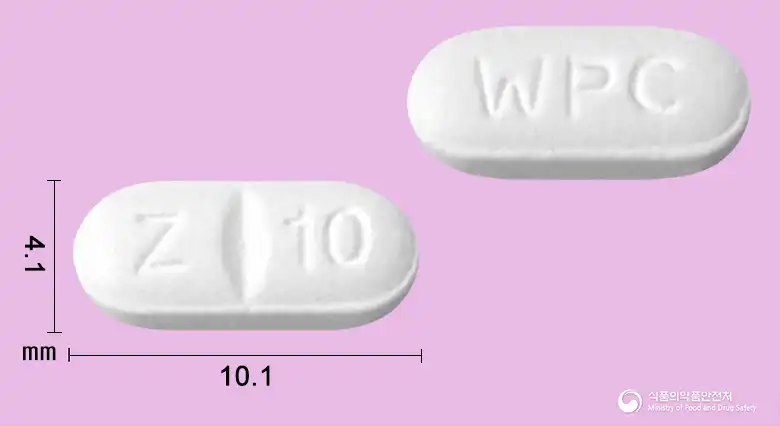
Zolpidem Tartrate 10mg
Tablet · Prescription medication
Han In Pharmaceutical Co., Ltd.
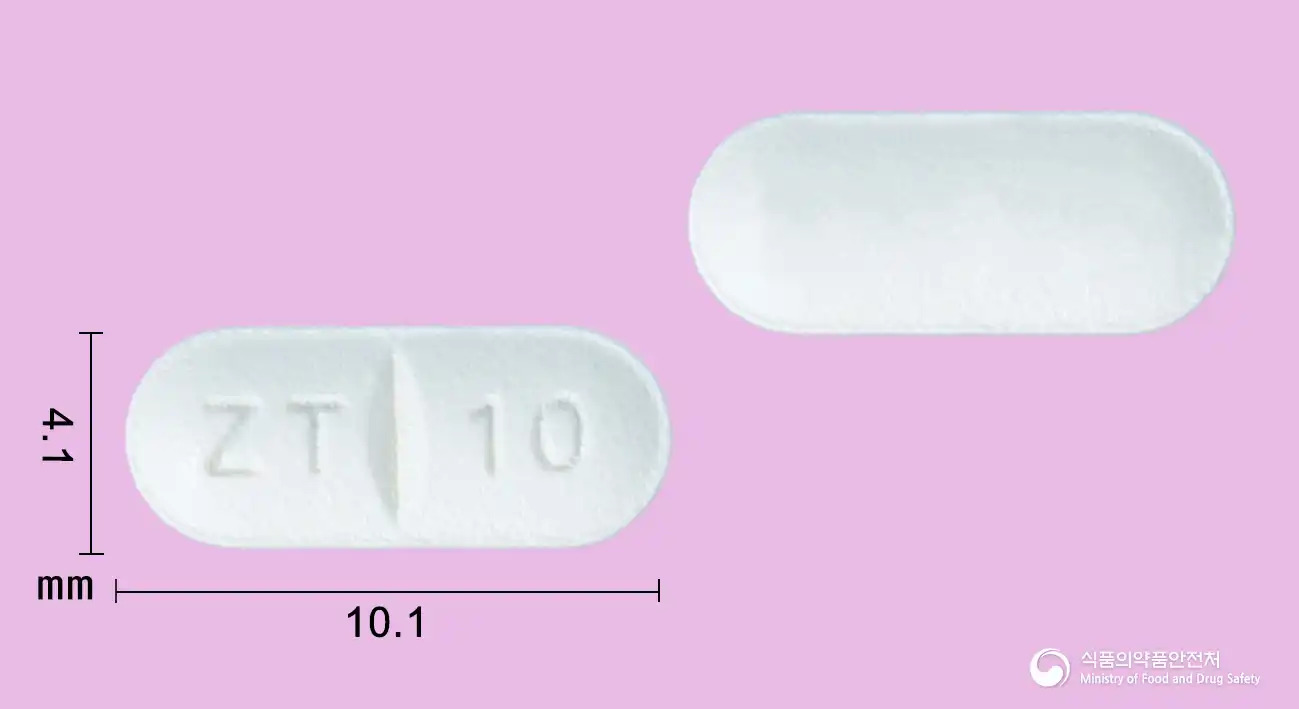
Zolpidem Tartrate 10mg
Tablet · Prescription medication
(Co., Ltd.) Korean Pharma
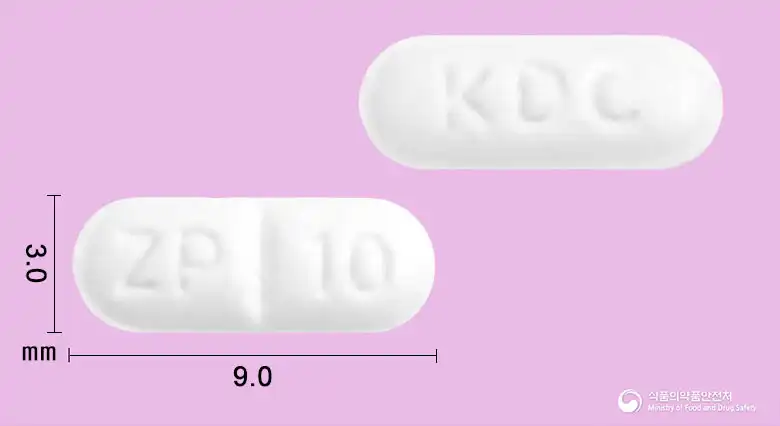
Zolpidem Tartrate 10mg
Tablet · Prescription medication
Korea Pharmaceutical Co., Ltd.
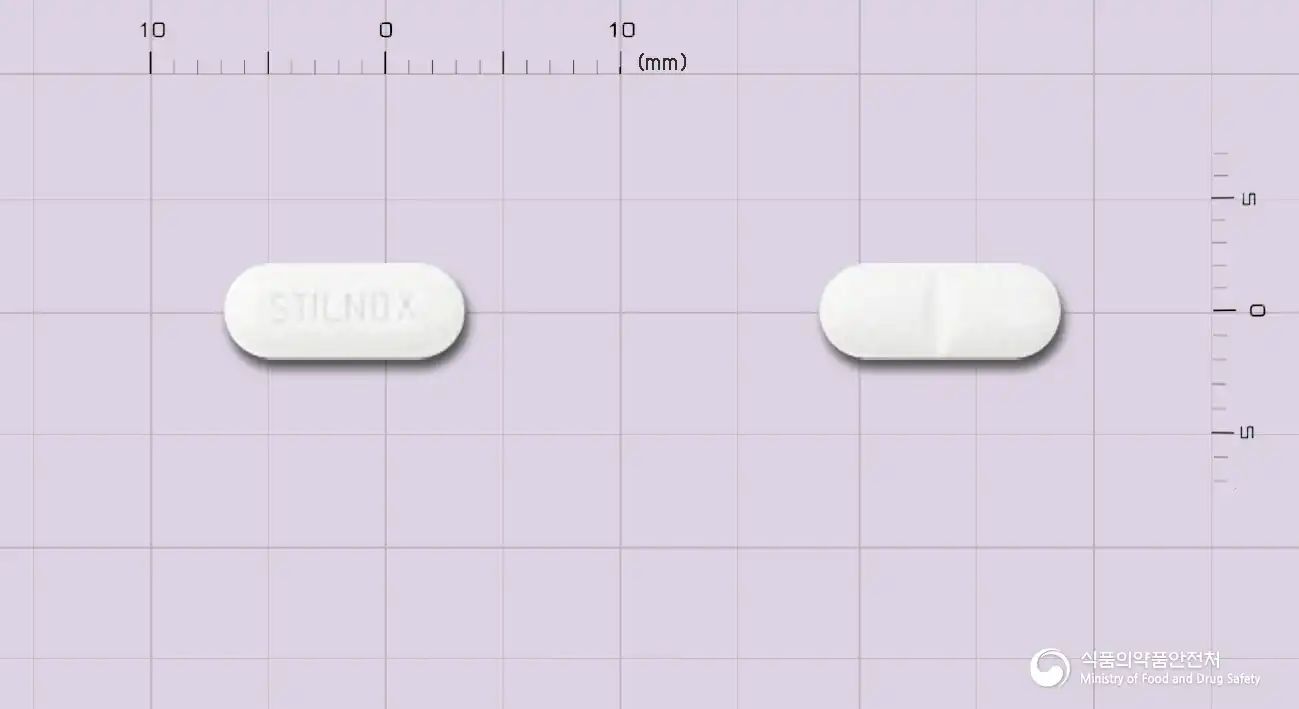
Zolpidem Tartrate 10mg
Tablet · Prescription medication
Handok Co., Ltd.
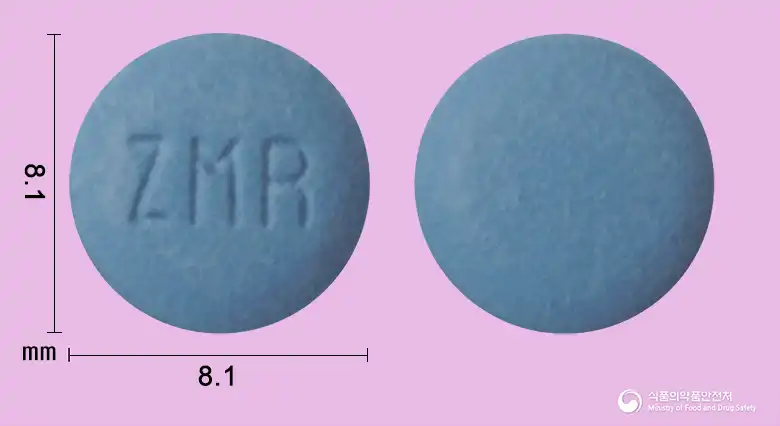
Zolpidem Tartrate 6.5mg
Tablet · Prescription medication
Handok Co., Ltd.
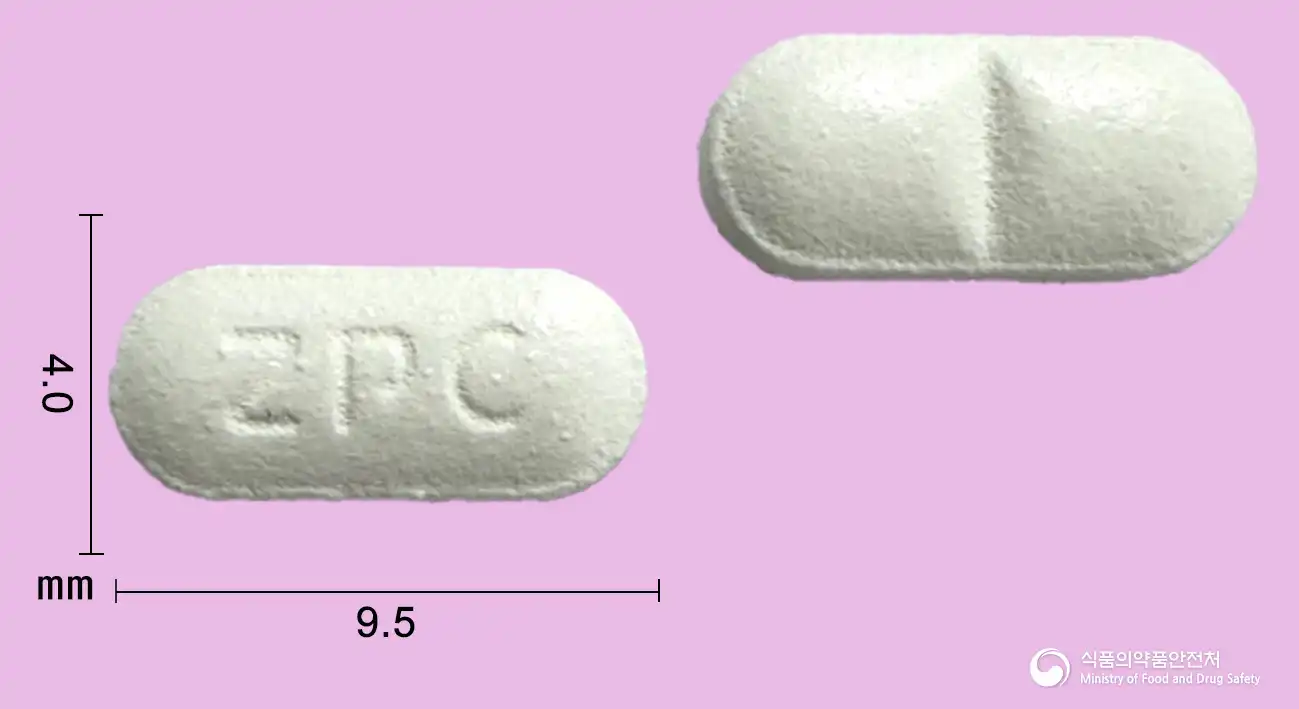
Zolpidem Tartrate 10mg
Tablet · Prescription medication
Myungin Pharmaceutical Co., Ltd.
Even with the same ingredient, the dose and directions can differ by strength and dosage form. Talk to a doctor or pharmacist before switching from a medication you are already taking.
No questions yet.
For anything that needs medical judgment, consult a doctor or pharmacist.
This drug information is based on data provided by the Korea Ministry of Food and Drug Safety.
Consult a doctor or pharmacist for accurate dosage, administration, and usage instructions.