
 한국어
 English
 日本語
 中文(简体)
 Viewing now
Seclor MR Sustained Release 375mg (Cefaclor Hydrate)
Cefaclor Hydrate 375mg
Tablet · Prescription medication
Genewon Science Co., Ltd.
MFDS item code 200611385 · Approved 2006.12.04 · Insurance code 671700550
Treatment of respiratory infections (such as bronchitis), lower urinary tract infections, and skin and soft tissue infections
This medication is available in capsule, syrup, and granule forms and is used for various bacterial infections. It is effective against several harmful strains such as Streptococcus pneumoniae, Influenza bacillus, and Staphylococcus. The main indications include respiratory infections such as otitis media, pneumonia, pharyngitis, tonsillitis, and bronchitis, as well as urinary infections like pyelonephritis, cystitis, and gonococcal urethritis. Additionally, it is effective for skin and soft tissue infections including boils, abscesses, folliculitis, and soft tissue infections. The sustained-release form is widely used for recurrent acute and chronic bronchitis, pharyngitis and tonsillitis, lower urinary tract infections, and skin and soft tissue infections. It is broadly used for the treatment of various bacterial infections.
Administer orally twice daily, at a dose of 375mg (potency) per dose, as cefaclor hydrate. For the treatment of infections caused by Streptococcus pyogenes (Group A beta-hemolytic), this medicine should be administered continuously for at least 10 days. The tablet should be swallowed whole and must not be broken, crushed, or chewed. The dose may be adjusted appropriately according to age and symptoms. This medicine is administered orally regardless of meals. However, absorption increases when it is taken with food.
This medication is an antibiotic that kills bacteria by interfering with the synthesis of the bacterial cell wall by binding to specific proteins. This medicine should not be used by individuals who have experienced severe allergic reactions or shock from this drug or similar classes of antibiotics in the past. Caution is advised for those with allergies to penicillin class antibiotics or those predisposed to allergic reactions such as asthma, rash, and urticaria. Patients with severely impaired kidney function, those unable to take medication orally, elderly individuals, and those in poor general health should be closely monitored as symptoms of vitamin K deficiency may occur. Patients with a history of gastrointestinal disorders, particularly colitis, should also take caution. While taking this drug, serious allergic reactions such as shock and anaphylaxis may occur, so immediate cessation is required if symptoms appear, along with appropriate treatment. Skin symptoms like severe rashes, vesicles, and mucosal damage such as Stevens-Johnson syndrome may also occur, necessitating careful observation. Blood tests may show a rare decrease in white blood cells or platelets, or anemia, so any unusual symptoms must be reported immediately. Liver dysfunction or renal impairment may also occur rarely, necessitating frequent testing. Gastrointestinal side effects may include abdominal pain, diarrhea, nausea, and vomiting, and if severe colitis symptoms like pseudomembranous colitis appear, immediate discontinuation is required. Respiratory symptoms may emerge rarely, so any signs of difficulty breathing or cough should be reported. Central nervous system symptoms may include anxiety, agitation, dizziness, drowsiness, and hallucinations. Oral infections such as stomatitis or candidiasis may also occur rarely. Long-term use of this drug may pose a risk of bleeding due to vitamin K deficiency, so caution is advised. There may be interactions with other drugs, particularly when used with probenecid, antacids, nephrotoxic drugs, anticoagulants, and oral contraceptives. During pregnancy or breastfeeding, as the safety of this medication is not fully established, it should be used cautiously under a doctor’s judgment. In children and neonates, safety and effectiveness have not been sufficiently verified, so special caution is necessary. Elderly patients may show a higher incidence of adverse reactions due to decreased body function, so dosage and intervals should be adjusted and monitored. In cases of overdose, symptoms may include nausea, vomiting, abdominal discomfort, and diarrhea; immediate medical attention is necessary. This drug should only be used for the minimum duration necessary to prevent the emergence of resistant bacteria and susceptibility testing should be conducted before treatment. Any unusual symptoms during use should be discussed with medical personnel immediately.
Not everyone experiences these, and they can vary from person to person.
This medicine may be sensitive to air and moisture, so it should be stored in a tightly sealed container. It is best to maintain room temperature between 1 and 30 degrees Celsius to keep the medication effective for a longer duration.
This medicine is a blue rectangular sustained-release tablet.
30 tablets/bottle, 100 tablets/bottle
Even with the same ingredient, strength, dosage form and how it is taken can differ.
Viewing nowCefaclor Hydrate 375mg
Tablet · Prescription medication
Genewon Science Co., Ltd.

Cefaclor Hydrate 250mg
Hard capsule · Prescription medication
Ildong Pharmaceutical Co., Ltd.

Cefaclor Hydrate 250mg
Hard capsule · Prescription medication
Kolon Pharmaceutical Co., Ltd.
Cefaclor Hydrate 3.75g
Syrup · Prescription medication
Youngjin Pharmaceutical Co., Ltd.
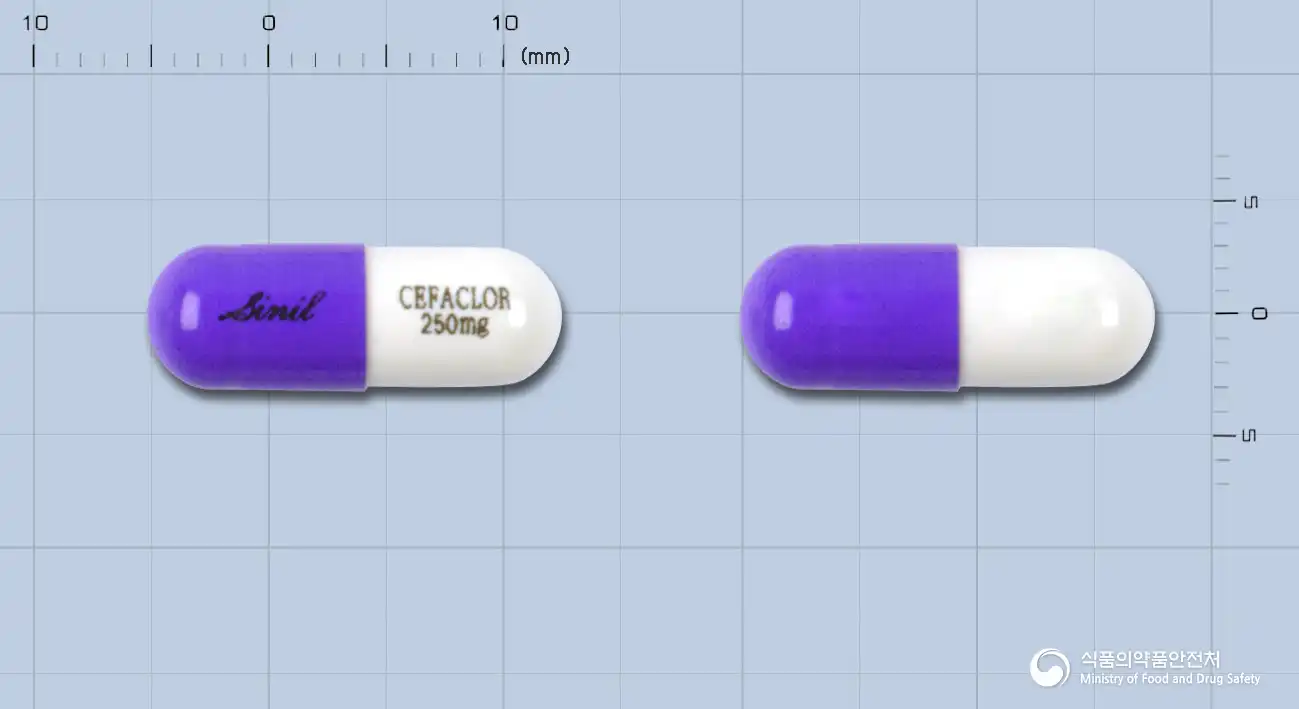
Cefaclor Hydrate 250mg
Hard capsule · Prescription medication
Shinil Pharmaceutical Co., Ltd.
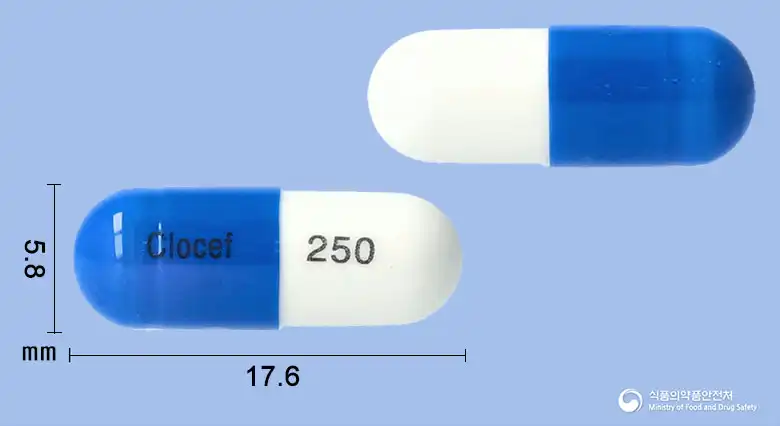
Cefaclor Hydrate 250mg
Hard capsule · Prescription medication
Hanmi Pharmaceutical Co., Ltd.
Cefaclor Hydrate 2.5g
Syrup · Prescription medication
Hanmi Pharmaceutical Co., Ltd.
Cefaclor Hydrate 3.75g
Syrup · Prescription medication
Shinpoong Pharmaceutical Co., Ltd.
Even with the same ingredient, the dose and directions can differ by strength and dosage form. Talk to a doctor or pharmacist before switching from a medication you are already taking.
No questions yet.
For anything that needs medical judgment, consult a doctor or pharmacist.
This drug information is based on data provided by the Korea Ministry of Food and Drug Safety.
Consult a doctor or pharmacist for accurate dosage, administration, and usage instructions.