
 한국어
한국어 English
 日本語
日本語 中文(简体)
Dosage form image
Viewing nowLocatroll Soft Capsule 0.25 Micrograms (Calcitriol)
Calcitriol 0.25μg
Soft capsule · Prescription medication
GP Therapeutics Korea Co., Ltd.
MFDS item code 200610653 · Notified 2006.07.18
This product's status changed to Approval withdrawn on 2025.09.16. It may no longer be sold, so consult a doctor or pharmacist before taking it.
Treatment of chronic kidney failure (primary hyperparathyroidism, metabolic bone disease) and hypoparathyroidism, osteomalacia
This medication is used for the treatment of secondary hyperparathyroidism and associated metabolic bone disease in patients with chronic kidney failure before dialysis. It also helps improve renal osteodystrophy in patients undergoing hemodialysis. It is also used in the treatment of hypoparathyroidism (post-surgical, idiopathic or pseudo). It is effective for rickets and osteomalacia, particularly vitamin D-dependent rickets and hypophosphatemic vitamin D-resistant rickets. Furthermore, it is used for the management of osteoporosis. In summary, it is effectively used for various bone-related conditions such as chronic kidney failure, hypoparathyroidism, rickets, osteomalacia, and osteoporosis.
○ For patients before the dialysis treatment phase: The dosage as calcitriol is 0.25 ㎍ per day and may be increased to 0.5 ㎍ per day if necessary. ○ Renal osteodystrophy (dialysis patients): The initial daily dose is 0.25 ㎍. For patients with serum calcium levels within normal range or slightly decreased, 0.25 ㎍ can be administered every other day. Dosage may be increased by 0.25 ㎍ every 2 to 4 weeks. Most patients show efficacy at a dose of 0.5 to 1.0 ㎍ per day.
○ For patients before the dialysis treatment phase: For children aged 36 months or older, the dosage is 0.25 ㎍ per day and may be increased to 0.5 ㎍ per day if necessary. ○ Initial recommended dosage for children under 36 months
This medication should not be used in patients with diseases related to hypercalcemia or hypercalciuria. Patients allergic to this medication or its components should also avoid administration. Care should be taken in patients who are pregnant, breastfeeding, children under 36 months, or have a history of kidney stones. This medication is an active form of vitamin D, and overdose may lead to elevated serum calcium levels, resulting in various side effects. Therefore, during the use of this medication, serum calcium levels should be regularly checked to ensure they remain within normal range. Calcium intake should also be monitored to avoid exceeding the recommended daily amount, and any calcium supplements or dietary advice should be followed as per the physician's instructions. This medication may increase the risk of hypercalcemia when used concurrently with other vitamin D preparations or calcium-containing medications, so concurrent use should be avoided. Extra caution is needed when taken in combination with diuretics, digitalis preparations, and steroids. If pregnant or breastfeeding, careful consideration should be given to the impact of this medication on the fetus or newborn and should only be used after consulting a physician. Elderly patients may have reduced renal and liver function, so dosage should be adjusted, and side effects should be monitored closely. Overdose may cause symptoms such as vomiting, headache, anorexia, constipation, and in severe cases, to seek appropriate treatment at a medical facility. This medication should be stored in a cool place, away from light and moisture, and securely out of reach of children.
Urticaria, rarely severe erythematous skin reactions, hypercalcemia, hypercalciuria, systemic vascular calcification, renal calcification, soft tissue calcification, arrhythmia, hypertension, elevated AST, ALT, LDH, elevated BUN, creatinine, hypermagnesemia, kidney stones, significant increase in blood pressure, edema, severe swelling, confusion, headache, visual disturbances, paralysis, severe allergic reactions, chest tightness, difficulty breathing, cold sweats, pallor
Not everyone experiences these, and they can vary from person to person.
This medication should be stored in a tightly sealed container that protects it from air, light, and moisture. Additionally, it is important to keep it in a cool place below 25 degrees Celsius to maintain its effectiveness.
Orange on top and white on the bottom, oval soft capsule
30 capsules (10 capsules/PTP packaging x 3)
Even with the same ingredient, strength, dosage form and how it is taken can differ.
Calcitriol 0.25μg
Soft capsule · Prescription medication
GP Therapeutics Korea Co., Ltd.
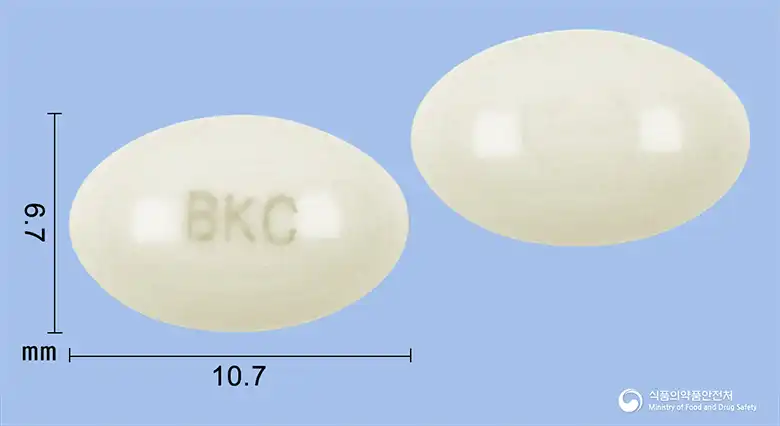
Calcitriol 0.25μg
Soft capsule · Prescription medication
Yuyu Pharmaceutical Co., Ltd.
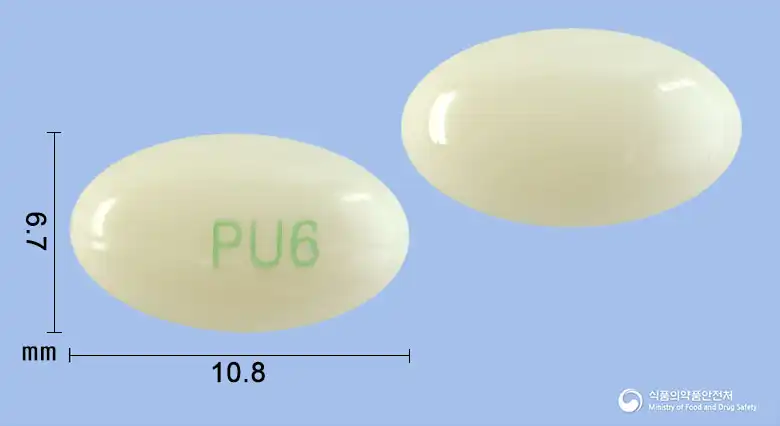
Calcitriol 0.25μg
Soft capsule · Prescription medication
Korea PMG Pharmaceutical Co., Ltd.
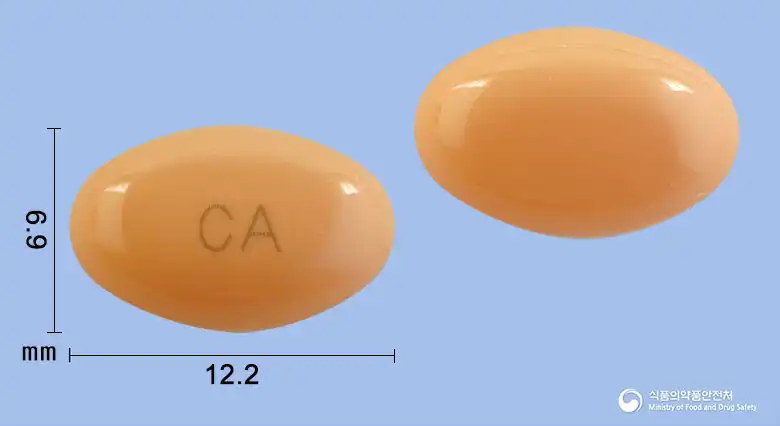
Calcitriol 0.25μg
Soft capsule · Prescription medication
Hanmi Pharmaceutical Co., Ltd.
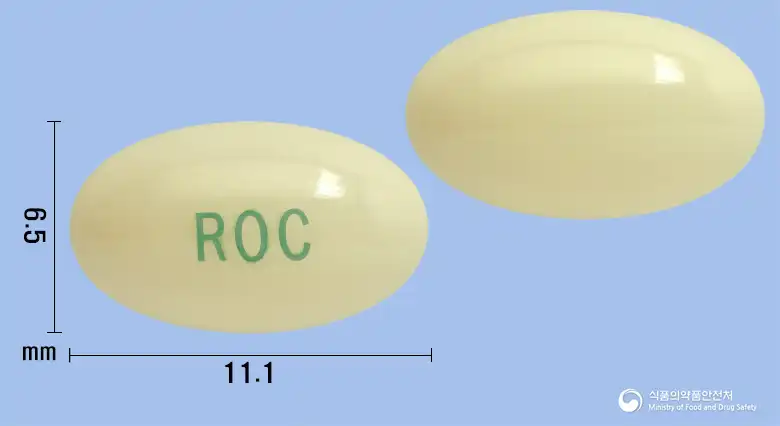
Calcitriol 0.25μg
Soft capsule · Prescription medication
Shinpoong Pharmaceutical Co., Ltd.
Calcitriol 1μg
Injections · Prescription medication
Albozen Korea Co., Ltd.
Even with the same ingredient, the dose and directions can differ by strength and dosage form. Talk to a doctor or pharmacist before switching from a medication you are already taking.
No questions yet.
For anything that needs medical judgment, consult a doctor or pharmacist.
This drug information is based on data provided by the Korea Ministry of Food and Drug Safety.
Consult a doctor or pharmacist for accurate dosage, administration, and usage instructions.