
 한국어
 English
 日本語
 中文(简体)
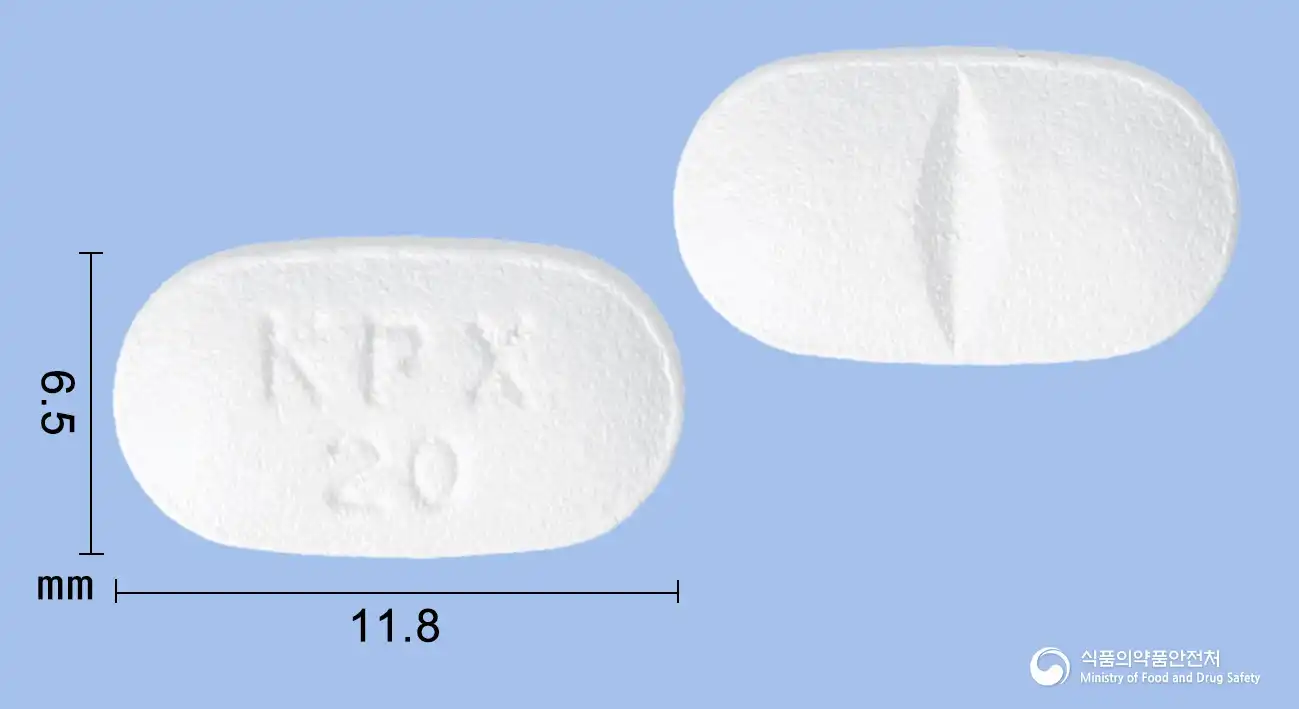 Viewing now
Parmaparoxetine Tablets (Paroxetine Hydrochloride Hydrate)
Paroxetine Hydrochloride Hydrate 22.8mg
Tablet · Prescription medication
Korea Pharma Co., Ltd.
MFDS item code 200607910 · Notified 2006.07.26 · Insurance code 653003600
Treatment of major depressive disorder, obsessive-compulsive disorder, and anxiety and stress disorders (such as panic disorder)
This medication is used for various mental health issues, including major depressive disorder, obsessive-compulsive disorder, panic disorder, generalized anxiety disorder, post-traumatic stress disorder, and social anxiety disorder.
This medication should preferably be taken once daily with breakfast. Swallow it whole without chewing. In general, treatment should continue for a sufficient period to allow symptoms to resolve. After the first satisfactory response occurs following initiation of treatment, continued administration may prevent relapse. For depressive disorders, treatment should continue for at least 4~6 months after symptoms have resolved; for obsessive-compulsive disorder and panic disorder, treatment may continue for longer periods. As with other psychoactive medications, treatment should not be stopped abruptly (see Adverse Reactions). As with other antidepressants, the dosage should be reviewed within 2~3 weeks after treatment is started and adjusted appropriately if necessary; thereafter, it should be adjusted as clinically appropriate. If this medication is used long term, its long-term use should be periodically reassessed for each individual patient. ○ Adults: 1. Major depressive disorder The recommended oral dosage is 20 mg of paroxetine once daily. Some patients may require an increase in dosage; in such cases, increase the dose in increments of 10 mg according to the patient's response. The maximum daily dose is 50 mg. 2. Obsessive-compulsive disorder The recommended oral dosage is 40 mg of paroxetine once daily. Begin treatment at 20 mg daily, and the dose may be increased by 10 mg each week. The maximum daily dose is 60 mg. 3. Panic disorder The recommended oral dosage is 40 mg of paroxetine once daily. Begin treatment at 10 mg daily, and the dose may be increased by 10 mg each week according to the patient's response. In some patients, the daily dose may need to be increased to a maximum of 60 mg. Since symptoms of panic disorder are generally known to potentially worsen during the initial phase of treatment, a low initial dose is recommended. 4. Generalized anxiety disorder (GAD) The recommended oral dosage is 20 mg of paroxetine once daily. For patients who do not respond to this dose, the daily dose may be increased in increments of 10 mg each week to a maximum of 50 mg. 5. Post-traumatic stress disorder (PTSD) The recommended oral dosage is 20 mg of paroxetine once daily. For patients who do not respond to this dose, the dose may be increased by 10 mg as needed, up to a maximum of 50 mg. In placebo-controlled trials for post-traumatic stress disorder, the efficacy of this medication was not evaluated beyond 12 weeks. 6. Social anxiety disorder/social phobia The recommended oral dosage is 20 mg of paroxetine once daily. For patients who do not respond to this dose after at least 2 weeks, the daily dose may be increased to a maximum of 50 mg. Dosage changes should be made in increments of 10 mg at intervals of at least 1 week, according to the patient's response. The efficacy of this medication for social anxiety disorder/social phobia was demonstrated in 12-week placebo-controlled trials; however, data on use for more than 12 weeks are limited. ○ Elderly patients: Blood concentrations of this medication may be higher in elderly patients. The recommended initial dose is 10mg/day; increase the dose in increments of 10 mg per week according to the patient's response. The maximum daily dose is 40 mg. ○ Patients with renal or hepatic impairment: Blood concentrations of this medication may be higher in patients with severe renal impairment (creatinine clearance less than 30 mL/min) or hepatic impairment. The recommended dose is 20 mg daily. If an increase is necessary, limit the increase to the lowest dose increment. ○ Switching from MAO inhibitors used to treat psychiatric disorders When discontinuing an MAO inhibitor used to treat a psychiatric disorder and starting treatment with this medication, allow an interval of at least 14 days. Conversely, when starting an MAO inhibitor for treatment of a psychiatric disorder, at least 14 days must elapse after discontinuing this medication. ○ Other MAO inhibitors, such as linezolid or methylene blue Patients receiving linezolid or intravenous methylene blue should not start treatment with this medication because of the increased risk of serotonin syndrome. For patients who require treatment for a more urgent psychiatric condition, including hospitalization or other interventions, treatment should be considered. It may be necessary to urgently administer linezolid or intravenous methylene blue to a patient already receiving this medication. If there is no alternative to linezolid or intravenous methylene blue and the benefits of treatment with linezolid or intravenous methylene blue are judged to outweigh the risk of serotonin syndrome for a particular patient, this medication may be stopped immediately and linezolid or intravenous methylene blue administered. Monitor the patient for symptoms of serotonin syndrome for 2 weeks after administration of linezolid or intravenous methylene blue, or until 24 hours after the last dose, whichever occurs first. Treatment with this medication may be restarted 24 hours after the last dose of linezolid or intravenous methylene blue. The risk associated with administration of methylene blue by non-intravenous routes (oral tablets or local injection), or intravenous administration of this medication at doses of 1mg/kg or less, is unclear. Nevertheless, clinicians should be aware of the possibility of emergency symptoms of serotonin syndrome with such use.
○ Children: Use of this medicine is not recommended in children because its efficacy and safety have not been established.
This drug is primarily used as an antidepressant for psychiatric disorders associated with depression. During the use of this medication, there may be an increase in suicidal thoughts or behaviors, so careful monitoring and management by a doctor are essential, especially in young patients aged 18 to 24. This medication should not be taken with certain drugs, particularly MAO inhibitors, as serious side effects may occur when combined; therefore, it is crucial to consult with a doctor. Patients with heart disease or a history of QT interval prolongation should use caution with this medication, as interactions with certain drugs may increase the risk of side effects. Diabetic patients should regularly check their blood glucose levels and adjust their medication dosage if needed, as this medication may affect blood sugar control. This drug should be administered with caution in patients with severely impaired liver or kidney function, and those taking medications that increase the risk of bleeding should also be closely monitored. Pregnant or breastfeeding women should consult their doctor before using this medication, as it may pose risks to the fetus or newborn. During treatment, it is essential to avoid sudden discontinuation; dosage should be gradually reduced under medical supervision to prevent withdrawal symptoms such as dizziness, anxiety, and sleep disturbances. Since this medication may cause drowsiness or dizziness, caution is advised when driving or operating machinery. Additionally, this medication may cause various side effects, such as sexual dysfunction, gastrointestinal disturbances, headaches, insomnia, sweating, and weight changes, so patients should inform healthcare providers immediately of any unusual symptoms. Family members or caregivers should closely observe any changes in the patient's behavior for suicidal thoughts or aggression, and report such behaviors to a professional immediately. This medication is not recommended for children and adolescents; therefore, it is advisable not to use it in this age group. Finally, alcohol consumption during drug therapy is not recommended, and it is important to consult with a doctor or pharmacist about all concurrent medications due to potential interactions.
Tachycardia, temporary elevation or decrease in blood pressure, orthostatic hypotension, bradycardia, increased cholesterol levels, decreased appetite, hyponatremia, blurred vision, pupil dilation, acute glaucoma, nausea, constipation, diarrhea, vomiting, thirst, gastrointestinal bleeding, weight gain, weakness, peripheral edema, increased liver enzymes, liver disease, dizziness, tremors, headaches, extrapyramidal symptoms, akathisia, seizures, restless legs syndrome, serotonin syndrome, drowsiness, insomnia, anxiety, abnormal dreams, confusion, hallucinations, mania, agitation, depersonalization, panic attacks, suicidal thoughts and behaviors, urinary retention, incontinence, sexual dysfunction, hyperprolactinemia, galactorrhea, menstrual disorders, priapism, postpartum hemorrhage, sweating, skin rash, itching, severe skin adverse reactions, urticaria, photosensitivity reactions, abnormal bleeding from the skin and mucous membranes, thrombocytopenia, pancytopenia, agranulocytosis, leukopenia, severe allergic reactions, syndrome of inappropriate antidiuretic hormone secretion, yawning, tinnitus, arthralgia, myalgia, dizziness, sensory disturbances, sleep disturbances, agitation, anxiety, confusion, sweating, headaches, diarrhea, palpitations, emotional instability, hyperreactivity, vision impairment, irritability, emotional instability, abdominal pain, hyperactivity, hostility, emotional fluctuations, self-harm, suicidal thoughts and suicide attempts, rigidity, headaches, dysuria, urinary disorders, edema, decreased libido, dyspepsia, tinnitus, facial swelling, neurosis, gastrointestinal disturbances, flushing, weight loss, weight gain, fatigue, chest pain, thirst, hyperreactivity, fever, blood pressure changes, involuntary muscle contractions, agitation, anxiety, tachycardia
Not everyone experiences these, and they can vary from person to person.
Store the medication in a tightly closed container to prevent air and moisture from entering. It is advisable to maintain storage temperatures between 1 to 30 degrees Celsius at room temperature.
Biconvex white rectangular film-coated tablet
30 tablets/bottle, 100 tablets/bottle
Even with the same ingredient, strength, dosage form and how it is taken can differ.
Viewing nowParoxetine Hydrochloride Hydrate 22.8mg
Tablet · Prescription medication
Korea Pharma Co., Ltd.
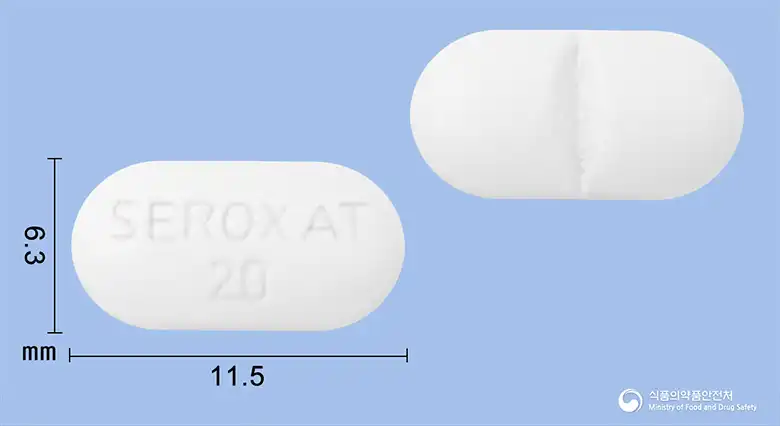
Paroxetine Hydrochloride Hydrate 22.88mg
Tablet · Prescription medication
Handok Co., Ltd.
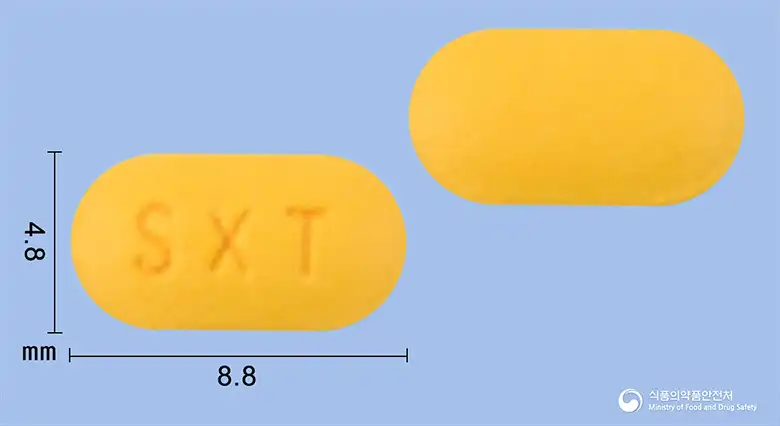
Paroxetine Hydrochloride Hydrate 11.4mg
Tablet · Prescription medication
Handok Co., Ltd.
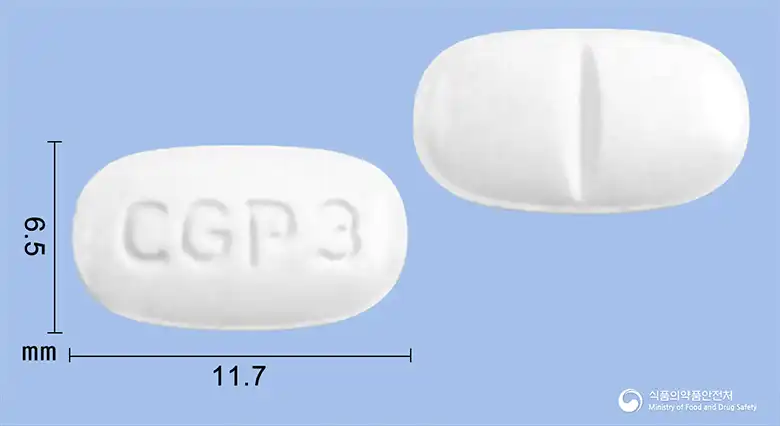
Paroxetine Hydrochloride Hemihydrate 22.88mg
Tablet · Prescription medication
Aprogen Biosciences Co., Ltd.
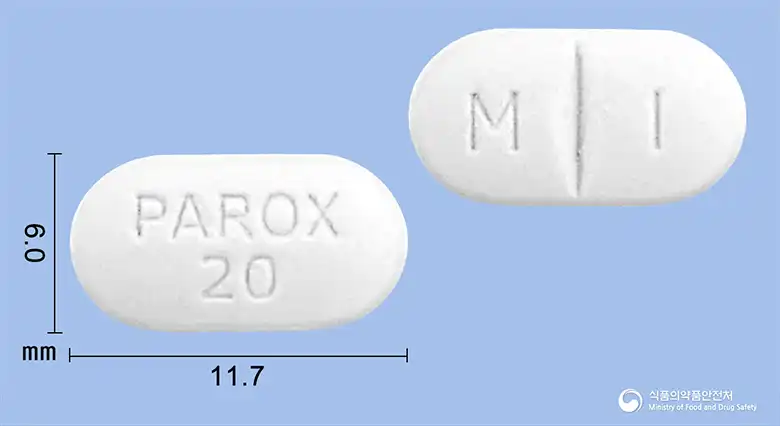
Paroxetine Hydrochloride Hydrate 22.88mg
Tablet · Prescription medication
Myeongin Pharmaceutical Co., Ltd.
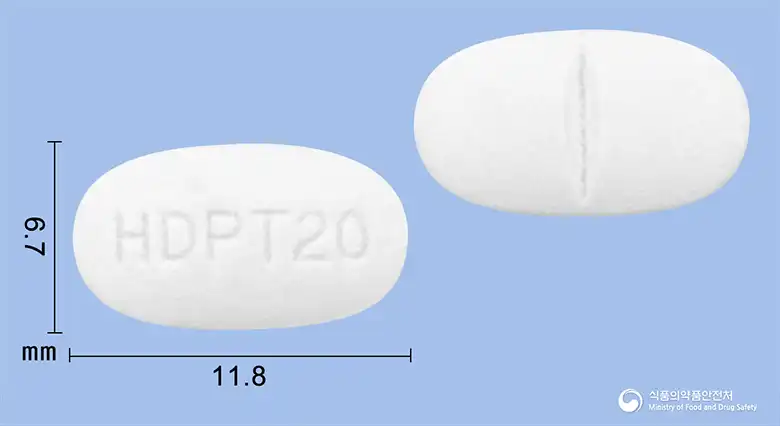
Paroxetine Hydrochloride Hemihydrate 22.88mg
Tablet · Prescription medication
Hyundai Pharmaceutical Co., Ltd.
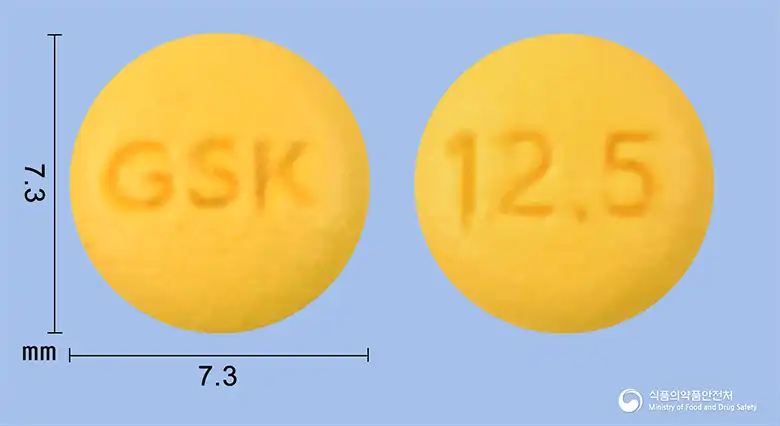
Paroxetine Hydrochloride Hydrate 14.25mg
Tablet · Prescription medication
GlaxoSmithKline Co., Ltd.
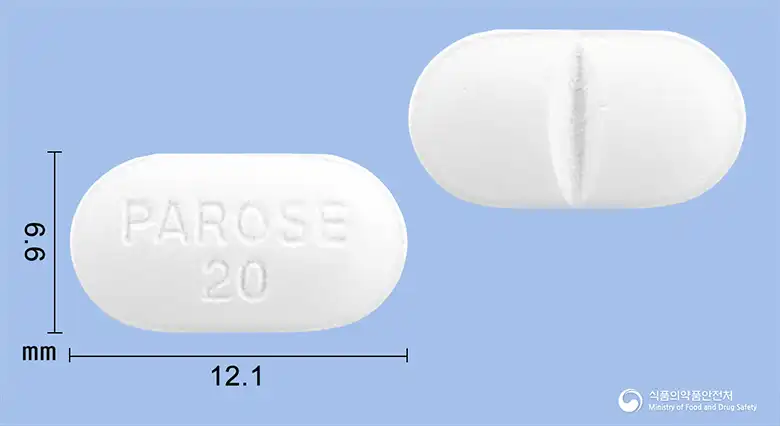
Paroxetine Hydrochloride Hydrate 22.88mg
Tablet · Prescription medication
Jongkundang Co., Ltd.
Even with the same ingredient, the dose and directions can differ by strength and dosage form. Talk to a doctor or pharmacist before switching from a medication you are already taking.
No questions yet.
For anything that needs medical judgment, consult a doctor or pharmacist.
This drug information is based on data provided by the Korea Ministry of Food and Drug Safety.
Consult a doctor or pharmacist for accurate dosage, administration, and usage instructions.