
 한국어
 English
 日本語
 中文(简体)
 Viewing now
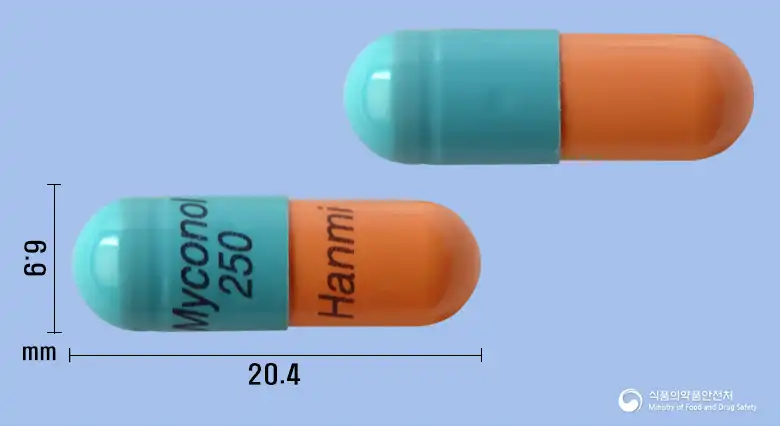
Myconol Capsule 250 mg (Mycophenolate Mofetil)
Mycophenolate Mofetil 250mg
Hard capsule · Prescription medication
Hanmi Pharmaceutical Co., Ltd.
MFDS item code 200606303 · Notified 2006.07.20 · Insurance code 643500780
Prevention of acute rejection after organ transplantation (e.g., kidney or heart)
This medication is used to prevent acute organ rejection in patients who have undergone kidney, heart, or liver transplantation. It should be administered in combination with cyclosporine and corticosteroids for maximum effectiveness. This helps reduce the risk of organ rejection and increases the success rate of the transplant. Regular use of this medication aids in the prevention of complications post-transplant. It is important for patients to take this medication exactly as directed by their physician. This drug improves the health of transplant recipients by preventing acute rejection.
Start oral administration of this medicine as soon as possible after kidney, heart, or liver transplantation. Adult kidney transplant recipients: Administer mycophenolate mofetil 1 g per dose orally twice daily. Although use of 3 g daily (1.5 g twice daily) demonstrated efficacy and safety in clinical trials, its efficacy benefit has not been established in kidney transplant recipients. Adult heart transplant recipients: Administer this medicine 1.5 g per dose orally twice daily (daily dose 3g). Adult liver transplant recipients: Administer this medicine 1.5 g per dose orally twice daily (daily dose 3g). In patients with severe chronic renal impairment (glomerular filtration rate < 25 mL/min/1.73 m2), do not administer more than 1 g of this medicine twice daily unless immediately after transplantation. No dose adjustment is necessary in patients with delayed graft function after transplantation. There are no data in heart transplant recipients with severe chronic renal impairment. Use this medicine in these patients only if the expected benefit outweighs the potential risks. Elderly patients may be treated with the recommended doses of 1 g twice daily after kidney transplantation and 1.5g twice daily after heart transplantation. However, the risk of adverse reactions may generally be increased in these elderly patients. The risk of adverse reactions may also be increased in patients receiving this medicine concomitantly with other immunosuppressants (see Adverse Reactions section). No dose adjustment is necessary in kidney transplant recipients with severe hepatic parenchymal disease, but there are no data in heart transplant recipients with severe hepatic parenchymal disease. If neutropenia (ANC [absolute neutrophil count] < 1.3 x 10³/㎕) is observed, interrupt or reduce the dose of this medicine, perform appropriate diagnostic tests, and provide necessary treatment. Renal transplant rejection does not alter the pharmacokinetics of MPA; interruption or dose reduction of this medicine is not required.
Children and adolescents (2~18 years): This medicine should be administered to patients with a body surface area of 1. 25 m2 or greater. 1.25 ~ 1.5 m2: Administer 750 mg of this medicine orally twice daily (1.5g per day). More than 1.5 m2: Administer 1.0 g of this medicine orally twice daily (2g per day). Infants under 2 years: Use of this medicine is not recommended because safety and efficacy data in patients under 2 years are limited.
Women of childbearing potential must use contraception while taking this medication, as use during pregnancy can increase the risk of miscarriage or congenital abnormalities. It may suppress the immune system, making recipients of kidney, heart, or liver transplants more susceptible to infections; thus, it should be used under the supervision of a specialist. Patients with allergies to this medication, certain genetic disorders, pregnant women, and nursing mothers should not use it. Patients with severe renal impairment or active gastrointestinal diseases should use it cautiously, and those who are allergic to any of the colors in this medication should also take care. Side effects such as diarrhea, leukopenia, infections, and vomiting may occur, and there is a rare but increased risk of life-threatening infections or tumor occurrences. Particularly, children and the elderly may be at a higher risk of experiencing side effects, necessitating extra caution. This drug can interact with other medications, so notify healthcare professionals if you are taking any other medicines. Use during pregnancy poses risks; thus, repeated pregnancy testing should be performed before and during treatment. Men should also use effective contraception, such as condoms, during and for a period after treatment. Nursing mothers should not take this medication, and it should be stored in a place that avoids moisture and out of reach of children.
Diarrhea, leukopenia, sepsis, vomiting, tuberculosis, atypical mycobacterial infection, meningitis, infectious endocarditis, lymphoma, skin malignancy, mucocutaneous candidiasis, cytomegalovirus viremia, herpes simplex, anemia, infection, anemia, hypochromic anemia, leukocytosis, thrombocytopenia, urinary tract infection, hematuria, tubular necrosis, renal dysfunction, oliguria, hypertension, arrhythmia, bradycardia, hypotension, acute heart failure, pericardial effusion, cardiovascular disease, tachycardia, hypercholesterolemia, hyperglycemia, hyperkalemia, hypokalemia, hypophosphatemia, hyperbilirubinemia, elevated BUN, elevated creatinine, elevated enzyme levels, hyperlipidemia, hyperuricemia, hypervolemia, hypomagnesemia, hyponatremia, weight gain, constipation, dyspepsia, oral candidiasis, nausea, increased cough, dyspnea, pharyngitis, bronchitis, pneumonia, acne, herpes simplex infection, herpes zoster infection, rash, itching, sweating, dizziness, sleep disorders, tremors, anxiety, nervousness, confusion, depression, tension increase, sensory abnormalities, drowsiness, disorientation, insomnia, leg cramps, myalgia, myasthenia, amblyopia, abdominal distension, cyst formation, influenza symptoms, facial edema, bleeding, lethargy, pelvic pain, hernia, abscess, soft tissue infection, dysuria, erectile dysfunction, urinary urgency, proteinuria, hydronephrosis, pyelonephritis, angina, atrial fibrillation, orthostatic hypotension, thrombosis, vasodilation, palpitations, dehydration, hypoproteinemia, acidosis, impaired healing capacity, hyperglycemia, hypocalcemia, hypoglycemia, cholangitis, cholestatic jaundice, hepatitis, abnormal liver function test results, gastric distension, gingivitis, gingival hyperplasia, gastroenteritis, esophagitis, stomatitis, dysphagia, jaundice, bloody stools, dysphagia, gastric ulcer, pulmonary edema, apnea, epistaxis, hemoptysis, whooping cough, tumor, pneumothorax, increased sputum, voice changes, benign skin tumors, skin cancer, fungal skin diseases, skin hypertrophy, skin ulcers, hair loss, hirsutism, seizures, emotional instability, hallucinations, neuropathy, thought disorder, convulsions, delirium, xerostomia, sensory decrease, psychosis, arthralgia, osteoporosis, conjunctivitis, visual disturbances, hearing loss, otalgia, retinal hemorrhage, tinnitus, diabetes, parathyroid dysfunction, Cushing's syndrome, hypothyroidism, candidiasis, prostate disease, congestive heart failure, taste disorder, enuresis, intestinal villous atrophy, colitis, pancreatitis, agranulocytosis, aplastic anemia, bone marrow suppression, progressive multifocal leukoencephalopathy, angioedema, anaphylaxis, pulmonary fibrosis, bronchiectasis, lymphatic cyst, toothache, external genital itching, perineal edema, liver failure
Not everyone experiences these, and they can vary from person to person.
This medication should be stored in a sealed container to protect it from air and moisture. It is advisable to maintain storage temperatures between 1 to 30 degrees Celsius.
A hard capsule filled with white to almost white powder with a light blue upper part and a light brown lower part.
100 capsules/box [10 capsules/PTPX10]
Even with the same ingredient, strength, dosage form and how it is taken can differ.
Viewing nowMycophenolate Mofetil 250mg
Hard capsule · Prescription medication
Hanmi Pharmaceutical Co., Ltd.
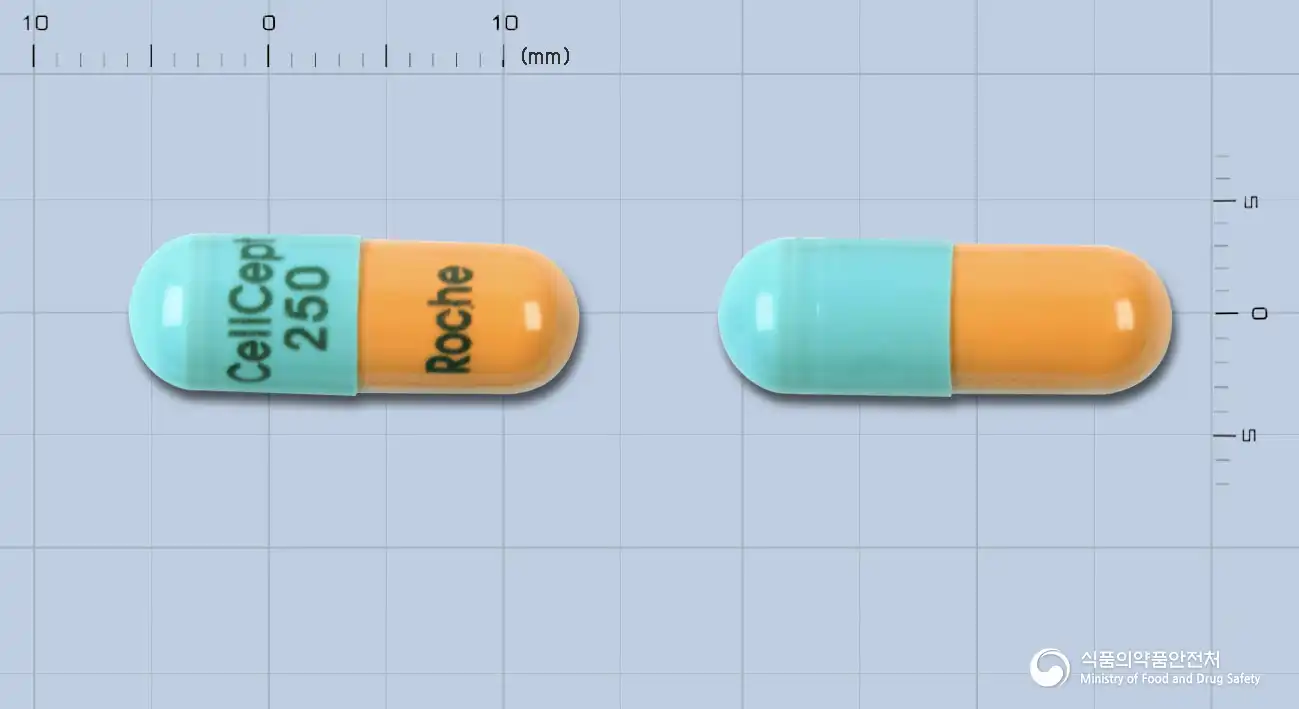
Mycophenolate Mofetil 250mg
Hard capsule · Prescription medication
Roche Korea, Co., Ltd.
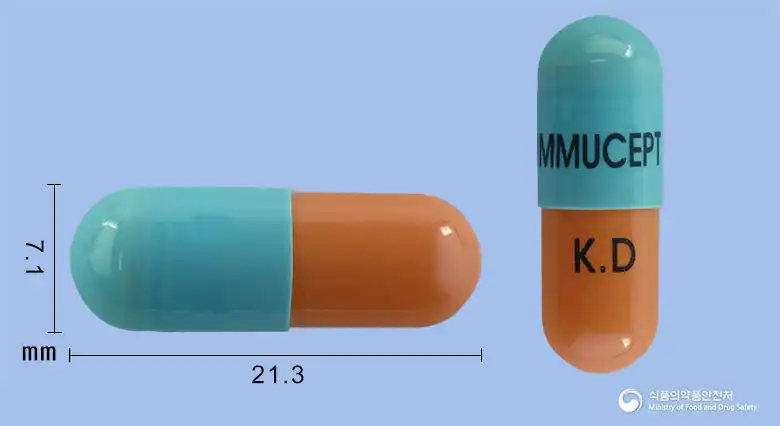
Mycophenolate Mofetil 250mg
Hard capsule · Prescription medication
Kwangdong Pharmaceutical Co., Ltd.
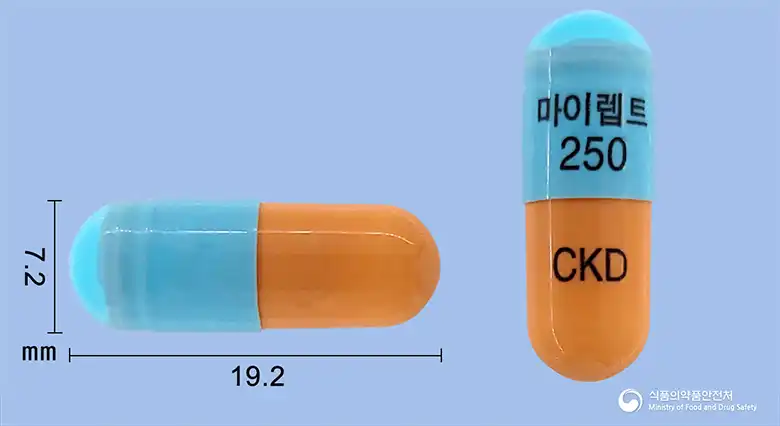
Mycophenolate Mofetil 250mg
Hard capsule · Prescription medication
Jongkundang Co., Ltd.
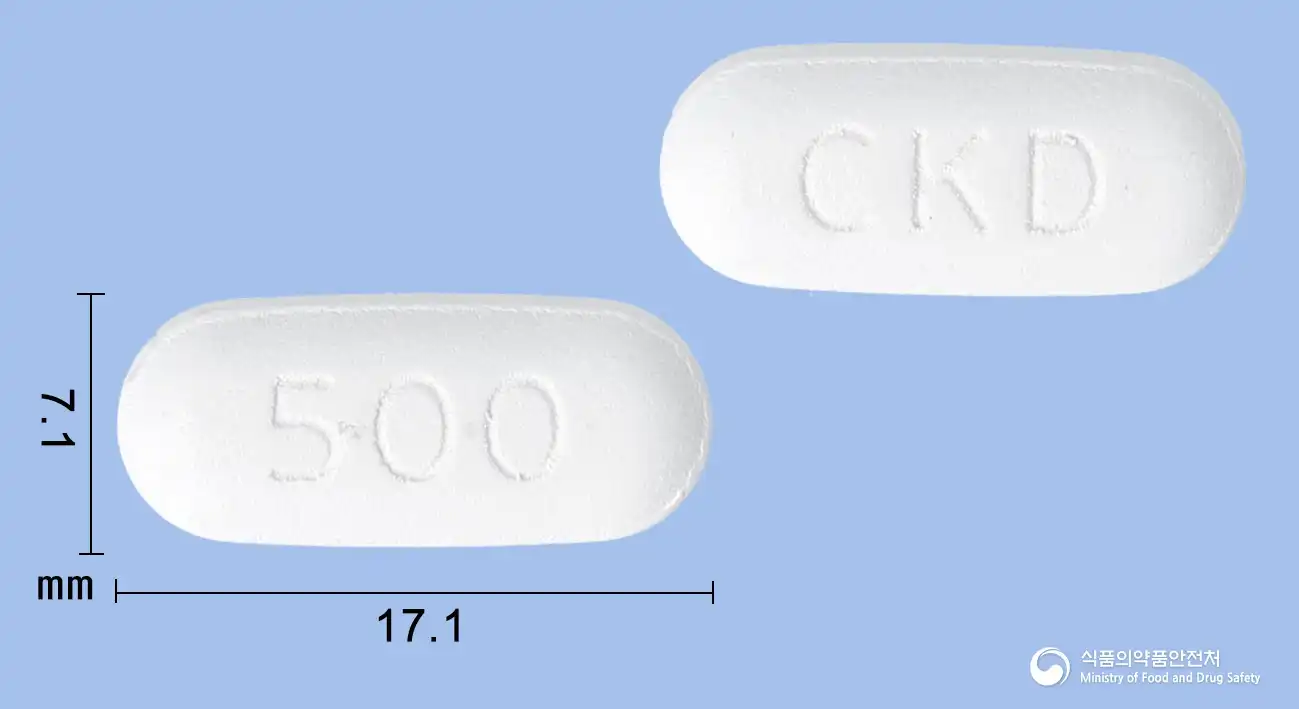
Mycophenolate Mofetil 500mg
Tablet · Prescription medication
Jong Kun Dang Co., Ltd.
Mycophenolate Mofetil
Prescription medication
Korea Roche Co., Ltd.
Mycophenolate Mofetil 34.98g
Prescription medication
(Co., Ltd.) Chong Kun Dang
Even with the same ingredient, the dose and directions can differ by strength and dosage form. Talk to a doctor or pharmacist before switching from a medication you are already taking.
No questions yet.
For anything that needs medical judgment, consult a doctor or pharmacist.
This drug information is based on data provided by the Korea Ministry of Food and Drug Safety.
Consult a doctor or pharmacist for accurate dosage, administration, and usage instructions.