
 한국어
 English
 日本語
 中文(简体)
 Viewing now
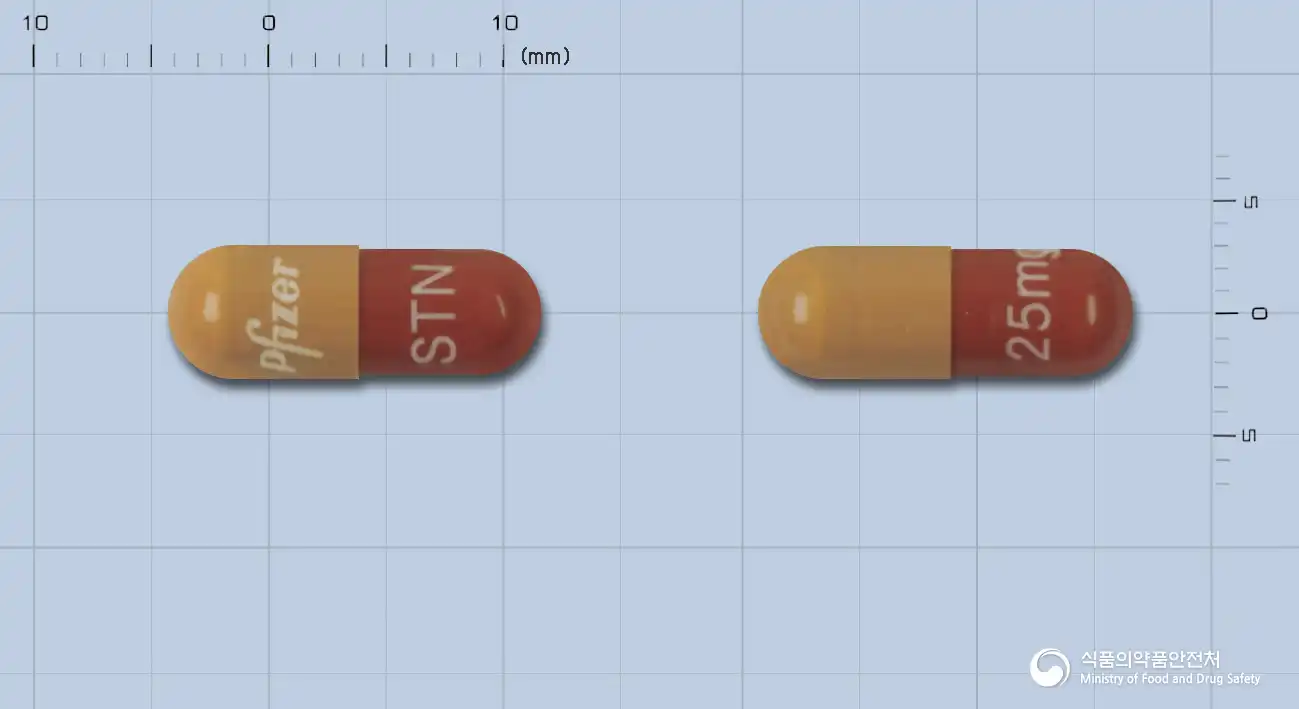
Sutan Capsule 25 mg (Sunitinib Malate)
Sunitinib Malate 33.4mg
Hard capsule · Prescription medication
Pfizer Korea Ltd.
MFDS item code 200606181 · Approved 2006.06.19 · Insurance code 648900480
Treatment of renal cell carcinoma (advanced disease and postoperative adjuvant therapy), gastrointestinal stromal tumors, and pancreatic neuroendocrine tumors
This medication is used for patients with gastrointestinal stromal tumors who have failed imatinib mesylate therapy. It is also effective as adjuvant therapy for adult patients with advanced renal cell carcinoma and high-risk recurrent renal cell carcinoma after nephrectomy. High-risk is defined based on the tumor stage, grade, and the patient's overall health status. Furthermore, it is used for the treatment of unresectable, well-differentiated, progressive, and metastatic pancreatic endocrine tumors. This drug helps manage and treat cancer progression in patients with complex cancer treatment situations.
This medicine should be administered under the supervision of a physician experienced in the use of anticancer agents. 1. Gastrointestinal stromal tumor and advanced renal cell carcinoma The recommended dose of this medicine is 50 mg orally once daily for 4 weeks, followed by a 2-week rest period. Repeat treatment in 6-week cycles. This medicine may be taken with or without food. 2. Adjuvant treatment after surgery for renal cell carcinoma The recommended dose of this medicine for adjuvant treatment after surgery for renal cell carcinoma is 50 mg orally once daily for 4 weeks, followed by a 2-week rest period (4 weeks on treatment/2 weeks off treatment). Administer for 9 cycles of 6 weeks each. This medicine may be taken with or without food. 3. Pancreatic neuroendocrine tumors Administer 37.5 mg once daily without a rest period. It may be taken with or without food. 4. Dose and dosage adjustment 1) Based on individual safety and tolerability, dose increases or decreases in increments of 12.5 mg are recommended. For gastrointestinal stromal tumor and renal cell carcinoma, dose increases up to a maximum of 87.5 mg or decreases to a minimum of 25 mg are recommended. In the clinical trial of adjuvant treatment after surgery for renal cell carcinoma, the minimum dose administered was 37.5 mg. 2) Strong CYP3A4 inhibitors, such as ketoconazole, may increase the plasma concentration of this medicine. If replacing a concomitant medication, consider replacing it with another medication that has no or minimal potential for enzyme inhibition. If this medicine must be coadministered with a strong CYP3A4 inhibitor, consider reducing the dose to a minimum of 37.5 mg once daily (for gastrointestinal stromal tumor and advanced renal cell carcinoma) or 25 mg (for pancreatic neuroendocrine tumors). 3) Strong CYP3A4 inducers, such as rifampin, may decrease the plasma concentration of this medicine. If replacing a concomitant medication, consider replacing it with another medication that has no or minimal potential for enzyme induction. If this medicine must be coadministered with a strong CYP3A4 inducer, consider increasing the dose to a maximum of 87.5 mg once daily (for gastrointestinal stromal tumor and advanced renal cell carcinoma) or 62.5 mg (for pancreatic neuroendocrine tumors). If the dose is increased, carefully monitor the patient for potential toxicity. St. John's wort may decrease the plasma concentration of this medicine to an unpredictable extent. Patients receiving this medicine must not take St. John's wort concomitantly. 4) Temporary interruption of treatment may be necessary based on the individual patient's safety and tolerability.
This medication should be avoided by women who are pregnant or planning to become pregnant, as it may affect fetal vascular formation and carry the risk of malformations or fatal results. Patients with hypersensitivity to this drug should not take it, and various adverse reactions may occur during treatment, so caution is necessary. Common adverse reactions include fatigue, diarrhea, nausea, stomatitis, dyspepsia, vomiting, abdominal pain, constipation, and skin discoloration; serious cases may involve pulmonary embolism, thrombocytopenia, tumor bleeding, febrile neutropenia, hypertension, liver failure, and cardiac arrhythmias. Particularly, this drug can increase blood pressure, hence patients with hypertension should regularly monitor their blood pressure and receive appropriate treatment if necessary. Those with a history of cardiovascular disease require special caution. This medication may affect liver and kidney function, so regular testing is necessary for patients with liver or kidney diseases before and during administration. During administration, blood tests should frequently confirm blood cell counts to detect and manage blood abnormalities, such as thrombocytopenia or neutropenia, early. Patients may experience discoloration of skin or hair during medication, as well as skin symptoms such as dryness, rash, and erythematous sensory abnormalities of hands and feet. Additionally, this medication may infrequently cause severe side effects such as gastrointestinal perforation, pancreatitis, bleeding, necrotizing fasciitis, thrombotic microangiopathy, and jaw necrosis; if unusual symptoms occur, patients should consult their doctor immediately. This medication can interact with other drugs; therefore, it is essential to inform the doctor of all medications and health supplements taken, especially those that may affect CYP3A4 enzymes. Women of childbearing potential should avoid becoming pregnant while taking this medication, and nursing mothers should discontinue breastfeeding if using this medication. The safety and efficacy of this drug for children have not been established, and it may affect growth plates, so its use in pediatric patients is not recommended. Patients scheduled for surgery should temporarily stop taking this medication before major surgeries, as it may affect wound healing, and restart it after confirming recovery following surgery. During treatment, dizziness and drowsiness may occur, requiring caution while driving or operating machinery, and immediate consultation with healthcare providers is needed if there is a change in mental state or seizure symptoms.
Not everyone experiences these, and they can vary from person to person.
This medication must be stored in a tightly closed container to protect it from air and moisture. It is crucial to maintain storage temperatures between 1°C and 30°C at room temperature.
A hard capsule with a brown upper part and an orange lower part containing yellow to orange granules
28 capsules/bottle
Even with the same ingredient, strength, dosage form and how it is taken can differ.
Viewing nowSunitinib Malate 33.4mg
Hard capsule · Prescription medication
Pfizer Korea Ltd.
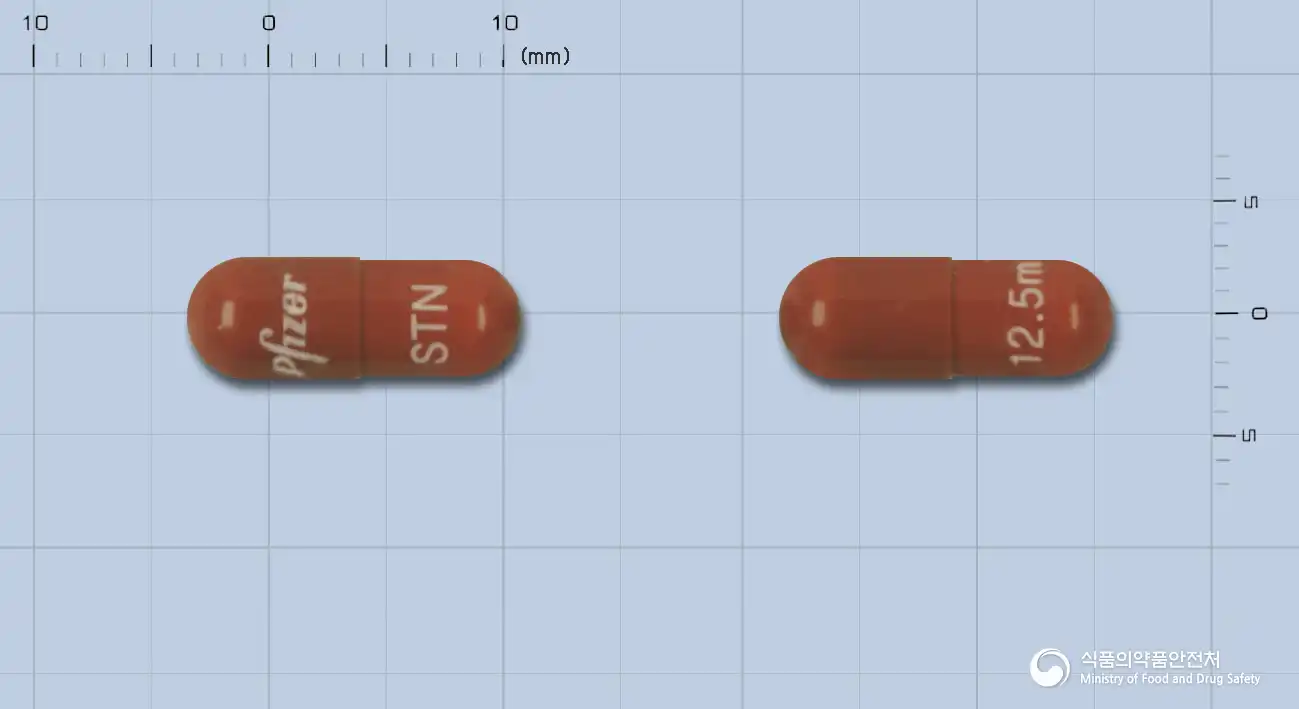
Sunitinib Malate 16.7mg
Hard capsule · Prescription medication
Pfizer Korea Co., Ltd.
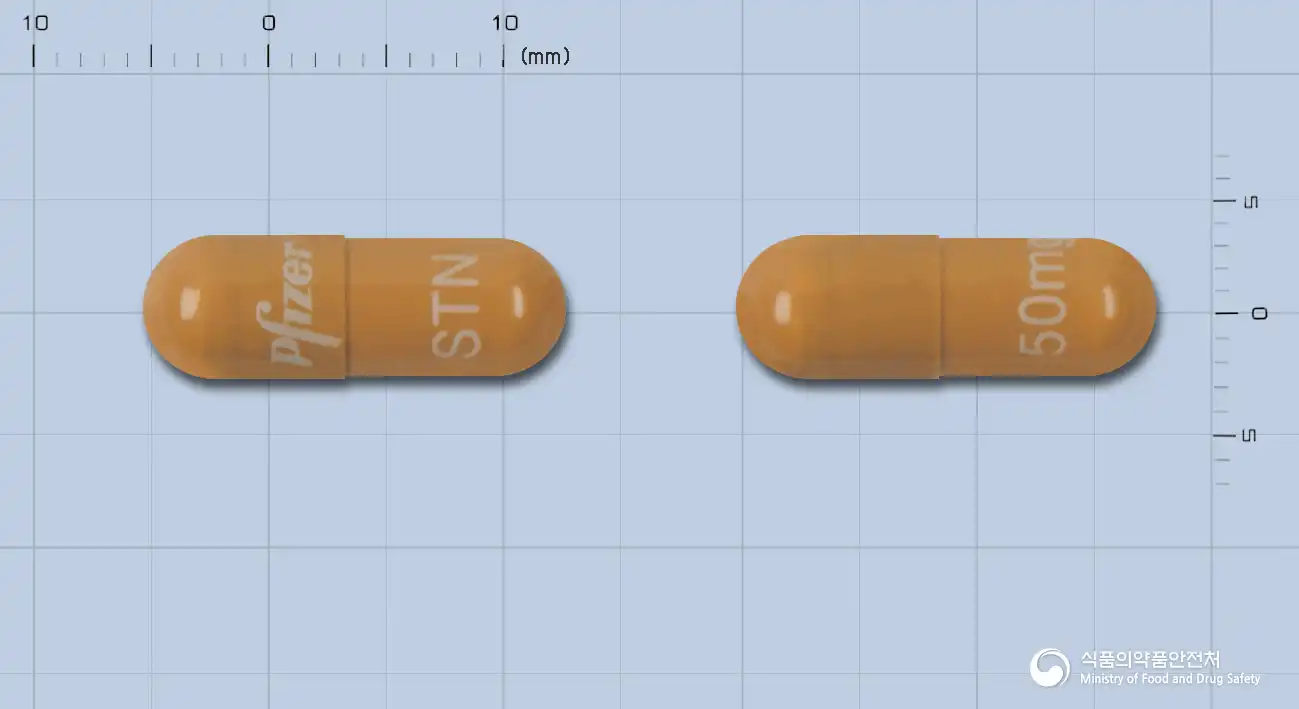
Sunitinib Malate 66.8mg
Hard capsule · Prescription medication
Pfizer Korea, Co., Ltd.
Even with the same ingredient, the dose and directions can differ by strength and dosage form. Talk to a doctor or pharmacist before switching from a medication you are already taking.
No questions yet.
For anything that needs medical judgment, consult a doctor or pharmacist.
This drug information is based on data provided by the Korea Ministry of Food and Drug Safety.
Consult a doctor or pharmacist for accurate dosage, administration, and usage instructions.