
 한국어
 English
 日本語
 中文(简体)
Dosage form image
Viewing nowBidazaju 100 mg (Azacitidine)
Azacitidine 100mg
Prescription medication
(Yoo) Korea BMS Pharmaceuticals Co., Ltd.
MFDS item code 200603987 · Approved 2006.01.27 · Insurance code 658700931
Treatment of myelodysplastic syndromes, chronic myelomonocytic leukemia, and acute myeloid leukemia
This medication is used to treat various forms of myelodysplastic syndromes (MDS) including refractory anemia (RA), refractory anemia with ringed sideroblasts (RARS), and refractory anemia with excess blasts (RAEB). It is also appropriate for treating acute myeloid leukemia (AML) with 20-30% blast cells according to the World Health Organization (WHO) classification, as well as chronic myelomonocytic leukemia (CMML). It is particularly used for the treatment of AML in elderly patients over 65 years of age who are genetically at high risk and for whom hematopoietic stem cell transplantation or intensive chemotherapy is not feasible. In summary, this medication is effectively used in the treatment of complex bone marrow disorders and certain acute myeloid leukemia patients.
Due to differences in exposure, dosage, and administration schedule, this drug must not be used interchangeably with oral azacitidine. Check the product name, dose, and route of administration. 1. Myelodysplastic syndromes (MDS), chronic myelomonocytic leukemia (CMML), and acute myeloid leukemia with 20~30% bone marrow blasts 1) First treatment cycle The recommended starting dose for all patients, regardless of pretreatment hematologic laboratory values, is 75mg/m2/day administered by subcutaneous or intravenous injection for 7 days. Patients should receive premedication before administration of this product to prevent nausea and vomiting. 2) Subsequent treatment cycles Treatment cycles should be repeated every 4 weeks. If a response is not observed after 2 treatment cycles and there is no toxicity other than nausea or vomiting, the dose may be increased to 100mg/m2. Administration for at least 4~6 treatment cycles is recommended; however, more treatment cycles may be needed to achieve complete or partial remission. Treatment may continue as long as the patient continues to benefit. 2. Acute myeloid leukemia (AML) with more than 30% bone marrow blasts in adults aged 65 years or older who are not candidates for hematopoietic stem cell transplantation or intensive chemotherapy and have poor cytogenetics 1) First treatment cycle The recommended starting dose for all patients, regardless of pretreatment hematologic laboratory values, is 75mg/m2/day administered by subcutaneous or intravenous injection for 7 days. Patients should receive premedication before administration of this product to prevent nausea and vomiting. 2) Subsequent treatment cycles Treatment cycles should be repeated every 4 weeks. Administration for at least 6 treatment cycles is recommended; however, more treatment cycles may be needed to achieve complete or partial remission. Treatment may continue as long as the patient continues to benefit. 4. Dose adjustment based on hematologic laboratory values 1) MDS, CMML, and AML with 20~30% bone marrow blasts ㆍ For patients whose hematologic laboratory values before starting the first treatment cycle are WBC≥3.0x10⁹/L, ANC≥1.5x10⁹/L, and platelets ≥75.0x10⁹/L, the dose should be adjusted based on the nadir during each treatment cycle, as shown in the following table. Nadir ANC(x109/L) <0.5, Platelets(x109/L) <25.0: 50% of the dose in the next cycle Nadir ANC(x109/L) 0.5-1.5, Platelets(x109/L) 25.0-50.0: 67% of the dose in the next cycle Nadir ANC(x109/L) >1.5, Platelets(x109/L) >50.0: 100% of the dose in the next cycle ㆍ For patients whose hematologic laboratory values before starting the first treatment cycle are WBC<3.0x10⁹/L, ANC<1.5x10⁹/L, or platelets <75x109/L, when starting the next treatment cycle, continue the current treatment dose if there is clear improvement in differentiation (the percentage of mature granulocytes and ANC are higher than at the start of the treatment cycle). Otherwise, adjust the dose as shown in the following table, based on the nadir and the bone marrow biopsy cellularity at the nadir. WBC or platelet nadir 50-75, percentage decrease from pretreatment value 30-60: Bone marrow biopsy cellularity (%) at nadir: <15, next-cycle dose 33%; 15-30, next-cycle dose 50%; 30-60, next-cycle dose 100% WBC or platelet nadir >75: Regardless of percentage decrease from pretreatment value, bone marrow biopsy cellularity (%) at nadir: <15, next-cycle dose 33%; 15-30, next-cycle dose 50%; 30-60, next-cycle dose 75% When a nadir as defined in the table above occurs, the next treatment should begin 28 days after the start of the preceding treatment cycle, provided that WBC and platelet counts are >25% above the nadir and are rising. If the nadir has not increased by at least 25% by day 28, the counts should be reassessed every 7 days. If they have not increased by at least 25% by day 42, treat the patient with 50% of the scheduled dose. 2) AML with more than 30% bone marrow blasts in adults aged 65 years or older who are not candidates for hematopoietic stem cell transplantation or intensive chemotherapy and have poor cytogenetics ㆍ Patients whose baseline blood counts before the first dose of this drug are not decreased (i.e., white blood cell (WBC) count is at least 3.0 x 10⁹/L, ANC is at least 1.5 x 10⁹/L, and platelet count is at least 75.0 x 10⁹/L) If hematologic toxicity is observed after administration of Vidaza, the next treatment cycle should be delayed until platelet and ANC recovery. If recovery occurs within 14 days, no dose adjustment is needed. However, if recovery does not occur within 14 days, reduce the dose according to the following table. After a dose change, the treatment cycle duration should be adjusted back to the original 28 days. Nadir ANC (x 109/L) ≤ 1.0, platelets (x 109/L) ≤ 50.0: If recovery does not occur within 14 days, next-cycle dose 50 % Nadir ANC (x 109/L) > 1.0, platelets (x 109/L) > 50.0: If recovery does not occur within 14 days, next-cycle dose 100 % ㆍ Patients whose baseline blood counts before the first dose of this drug are decreased (i.e., WBC is less than 3.0 x 10⁹/L or ANC is less than 1.5 x 10⁹/L or platelets are less than 75.0 x 10⁹/L) After administration of Vidaza, do not delay the next treatment cycle or adjust the dose if WBC, ANC, or platelets decrease by 50 % or less compared with pretreatment values, or decrease by more than 50 % but there is improvement in lineage differentiation. If WBC, ANC, or platelets decrease by more than 50 % compared with pretreatment values and there is no improvement in lineage differentiation, the next treatment cycle of Vidaza should be delayed until platelet and ANC recovery. If recovery occurs within 14 days, no dose adjustment is needed. However, if recovery does not occur within 14 days, bone marrow cellularity should be assessed. If bone marrow cellularity is greater than 50 %, no dose adjustment is made. If bone marrow cellularity is 50 % or less, delay treatment and reduce the dose according to the following table. Bone marrow cellularity 15-50 %: If recovery* occurs within 21 days, next-cycle dose 100 %; if recovery* occurs after more than 21 days, next-cycle dose 50 % Bone marrow cellularity < 15 %: If recovery* occurs within 21 days, next-cycle dose 100 %; if recovery* occurs after more than 21 days, next-cycle dose 33 % After a dose change, the treatment cycle duration should be adjusted back to the original 28 days. 5. Dose adjustment based on renal function and serum electrolytes: If serum bicarbonate concentration decreases to 20mEq/L or less for an unexplained reason, the dose must be reduced by 50% in the next treatment. Similarly, if an unexplained increase in BUN or serum creatinine occurs, delay the next treatment cycle until the values return to normal or pretreatment levels, and reduce the dose by 50% in the next treatment cycle. ※ Method of administration ① Subcutaneous injection: Add 4mL of Sterile Water for Injection to each vial of this drug to prepare a cloudy suspension (25mg/mL). For volumes greater than 4mL, divide the volume equally between 2 syringes and administer alternately at 2 separate injection sites (thigh, abdomen, upper arm). New injections should be given at least 2.54 centimeters from the previous injection site, and must never be given into a site that is tender, red, bruised, or hard. ② Intravenous injection: Add 10mL of Sterile Water for Injection to each vial of this drug to prepare a clear diluent solution (10mg/mL), then add the required amount to a 50-100mL infusion bag of 0.9% sodium chloride or Lactated Ringer’s Injection and administer intravenously over 10-40 minutes. Administration must be completed within 1 hour after preparation of the diluted solution.
This medication can cause serious harm to the fetus when used during pregnancy, so it must not be taken during pregnancy. Women of childbearing age and men should avoid pregnancy while taking this medication, and women should use effective contraception during treatment and for at least 6 months after treatment, while men should do so for at least 3 months. Patients with allergies to azacitidine or mannitol, those with progressive malignant liver tumors, and breastfeeding women should not receive this medication. Patients with kidney or liver function issues should use this medication with special caution, and a blood test to check blood cell counts must be performed prior to treatment. This medication may cause various side effects such as nausea, vomiting, diarrhea, fatigue, fever, and blood cell reduction, particularly increasing the risk of infections, so it is essential to consult healthcare professionals immediately if symptoms occur. Dosage may need adjustment or temporary discontinuation based on blood test results, especially if leukopenia, thrombocytopenia, or neutropenia occurs. This medication can cause severe hypersensitivity reactions, so it is vital to discontinue the drug immediately and seek appropriate treatment if allergy symptoms appear. Skin rashes or injection site reactions can commonly occur and these symptoms can be treated with antihistamines or steroids. Patients with impaired kidney and liver function may be more vulnerable to the drug's toxicity, hence regular monitoring is crucial. If symptoms such as dizziness or drowsiness occur while using this medication, driving or operating machinery should be avoided. In cases of overdose, as there is no specific antidote, blood levels should be closely monitored and conservative treatment should be given as needed. This drug is cytotoxic, so precautions should be taken to avoid contact with skin or mucous membranes during preparation, and if contact occurs, it should be washed off immediately. When storing, the medicine should be administered as soon as possible after preparation, and any remaining medication should not be reused and should be discarded. This medication has potential carcinogenic, mutagenic, and reproductive toxicological risks, so caution is necessary with prolonged use.
Not everyone experiences these, and they can vary from person to person.
This medication should be stored in a sealed container to protect it from air, and it is best to store it at room temperature away from direct sunlight. Proper storage will help maintain the effectiveness and safety of the medication.
A colorless and transparent vial containing a white freeze-dried powder or lumps.
1 vial/pack
Even with the same ingredient, strength, dosage form and how it is taken can differ.
Azacitidine 100mg
Prescription medication
(Yoo) Korea BMS Pharmaceuticals Co., Ltd.
Azacitidine 100mg
Injections · Prescription medication
Boryung Pharmaceutical Co., Ltd.
Azacitidine 150mg
Injections · Prescription medication
Samyang BioPharm Co., Ltd.
Azacitidine 100mg
Injections · Prescription medication
Samhyang Biopharm Co., Ltd.
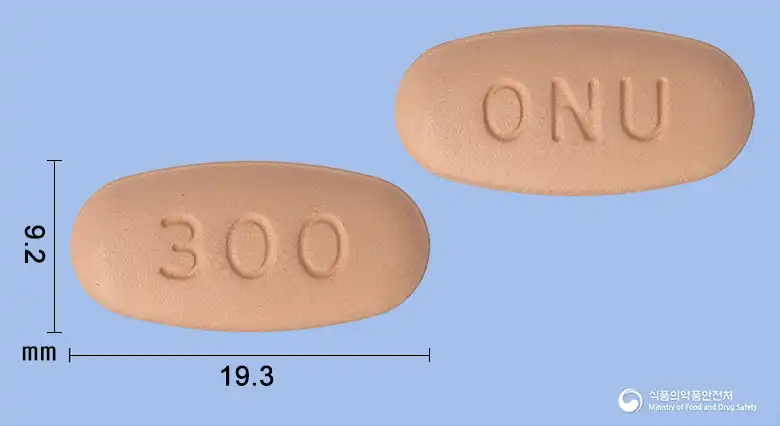
Azacitidine 300mg
Tablet · Prescription medication
Korean BMS Pharmaceutical Co., Ltd.
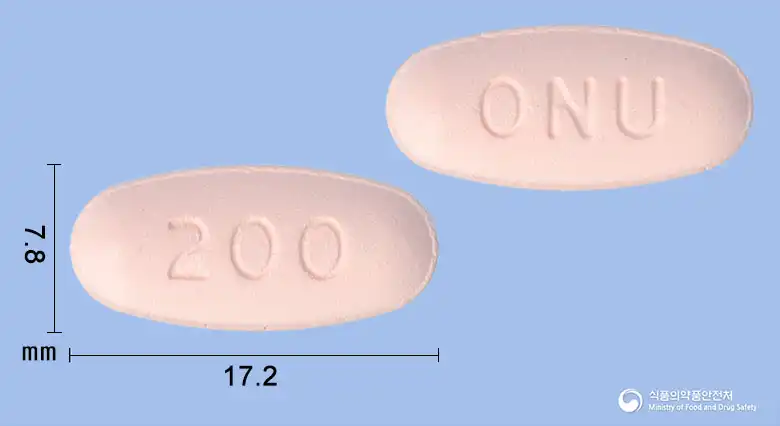
Azacitidine 200mg
Tablet · Prescription medication
(Yoo) Han-Kuk BMS Pharmaceuticals Co., Ltd.
Even with the same ingredient, the dose and directions can differ by strength and dosage form. Talk to a doctor or pharmacist before switching from a medication you are already taking.
No questions yet.
For anything that needs medical judgment, consult a doctor or pharmacist.
This drug information is based on data provided by the Korea Ministry of Food and Drug Safety.
Consult a doctor or pharmacist for accurate dosage, administration, and usage instructions.