
 한국어
 English
 日本語
 中文(简体)
 Viewing now
Sertican Tablet 1.0 mg (Everolimus)
Everolimus 1mg
Tablet · Prescription medication
Novartis Korea Co., Ltd.
MFDS item code 200603865 · Approved 2006.04.24 · Insurance code 653600660
Prevention of long-term organ rejection after kidney, heart, and liver transplantation
This medication is used to prevent organ rejection after transplantation in kidney, heart, and liver transplant patients. It is especially administered in combination with microemulsion formulations of cyclosporine and corticosteroids for kidney and heart transplant patients, and in combination with tacrolimus and corticosteroids for liver transplant patients. Thus, this medication effectively prevents organ rejection by modulating the immune response after transplant surgery.
Adults: In kidney and heart transplant patients, administer an initial dose of 0.75mg orally twice daily (total daily dose: 1.5mg) as soon as possible after transplantation. In liver transplant patients, administer an initial dose of 1.0mg orally twice daily (total daily dose: 2.0mg) at approximately 4 weeks after transplantation. The total daily dose of this drug should always be administered consistently either with food or on an empty stomach, in 2 divided doses per day, and in combination with cyclosporine in microemulsion formulation or tacrolimus. This drug is for oral use only. Swallow the dose whole with water; do not crush it before administration. After administration, the dose may be adjusted at intervals of 4-5 days based on the patient's blood concentration, tolerability, individual response, changes in concomitant medications, and clinical condition. Reduce the dose in patients with hepatic impairment (mild hepatic impairment: 0.5mg or 0.75mg twice daily; moderate hepatic impairment: 0.5mg twice daily; severe hepatic impairment: 0.25mg or 0.5mg twice daily, etc.).
Children under 18 years of age: The safety and efficacy of this drug have not been established in children under 18 years of age.
This medication acts by suppressing the immune system to prevent rejection of transplanted organs. Caution is required when taking this medication in combination with other immunosuppressants, as this may increase the risk of acute rejection. Particularly, when used in combination with certain immunosuppressants, the risk of infection may increase; therefore, any symptoms of infection must be reported to a healthcare provider immediately. As this medication is metabolized in the liver, patients with impaired liver function require dose adjustment and blood concentration monitoring. Blood lipid levels may rise, necessitating regular checks on cholesterol and triglyceride levels and receiving treatment if necessary. This medication may increase the risk of diabetes, so blood glucose management is important. In men, this medication may temporarily affect reproductive function, so consultation with a specialist is recommended for long-term use. Due to potential effects on kidney function, regular kidney function tests should be conducted, and dose adjustment may be necessary if kidney function deteriorates. This medication may increase the risk of malignant tumors such as skin cancer and lymphoma; hence, frequent checks on skin condition and use of sunscreen is recommended. Vascular side effects such as vascular edema or thrombosis may occur, and any symptoms should be discussed with a healthcare provider immediately. There may be a risk of delayed wound healing or complications after surgery, so this medication use should be disclosed to healthcare providers before and after any planned surgery. This medication may interact with drugs that inhibit or induce certain enzymes, so it is essential to consult with healthcare providers regarding other medications taken together. Grapefruit or grapefruit juice may affect the metabolism of this medication, so their consumption is not recommended. Pregnant or breastfeeding women should not take this medication, and women and men of childbearing age should use effective contraception during and for some time after medication use. In case of overdose, contact a healthcare provider immediately for appropriate treatment, and this medication should be taken whole and not crushed.
Acute rejection reactions, severe infections, sepsis, BK virus-associated nephropathy, JC virus-associated progressive multifocal leukoencephalopathy, Pneumocystis pneumonia, cytomegalovirus infection, angioedema, renal dysfunction, elevated serum creatinine, proteinuria, renal artery and vein thrombosis, wound infection, wound rupture, incisional hernia, seroma, fluid retention, lymphocele, pericardial effusion, pleural effusion, thrombotic microangiopathy, interstitial lung disease, non-infectious pneumonia, infection, pneumonia, upper respiratory tract infection, urinary tract infection, sepsis, wound infection, malignant tumors, skin malignancies, lymphoma, anemia, erythrocytopenia, leukopenia, thrombocytopenia, pancytopenia, thrombotic microangiopathy, male hypogonadism, hyperlipidemia, new-onset diabetes, hypokalemia, insomnia, anxiety, headache, pericardial effusion, tachycardia, hypertension, venous thromboembolism, bleeding, lymphorrhea, tissue thrombosis, pleural effusion, cough, dyspnea, interstitial lung disease, diarrhea, nausea, vomiting, abdominal pain, oropharyngeal pain, pancreatitis, gastritis, oral ulcer, non-infectious hepatitis, jaundice, acne, rash, myalgia, arthralgia, renal tubular necrosis, erectile dysfunction, pain, fever, peripheral edema, healing deficiency, incisional hernia, liver enzyme abnormalities, leukocytoclastic vasculitis, alveolar proteinosis, erythema, ovarian cysts, osteoporosis, gastroenteritis, colitis, pyelonephritis, hydronephrosis, pruritus, dyspepsia, osteopenia, dizziness, chest pain, stomatitis, urticaria, peripheral artery occlusive disease, limb pain, menorrhagia, tremors, rhinorrhea, elevated serum parathyroid hormone, chest discomfort, hepatic steatosis, sensory abnormalities, sensory loss, subarachnoid hemorrhage, acute pyelonephritis, muscle calcification, muscle weakness, folliculitis, cystitis, increased urinary frequency, breath odor, renal necrosis, systemic lupus erythematosus, abscess, anal abscess, increased serum creatinine, transplant rejection, pneumonia, urinary tract infection, lymphorrhea, acute pyelonephritis, diarrhea, gastroenteritis, influenza, bronchopneumonia, transplant loss, infectious colitis, subarachnoid hemorrhage, osteonecrosis, seizures, airway infections, cerebral infarction, femoral neck fracture, palpitations, headache, fever, anemia, upper gastrointestinal bleeding, renal tubular injury, renal necrosis, compression fracture, gastritis, pharyngitis, carbon monoxide poisoning, seroma, hemorrhage, prolonged bleeding time, Clostridium difficile colitis, Pneumocystis pneumonia, Staphylococcus wound infection, oliguria, lower gastrointestinal bleeding, anal abscess, laryngitis.
Not everyone experiences these, and they can vary from person to person.
Store this medication in a tightly closed container to protect it from air and light. Maintain a temperature below 30 degrees Celsius and avoid storing in a humid place to preserve its potency.
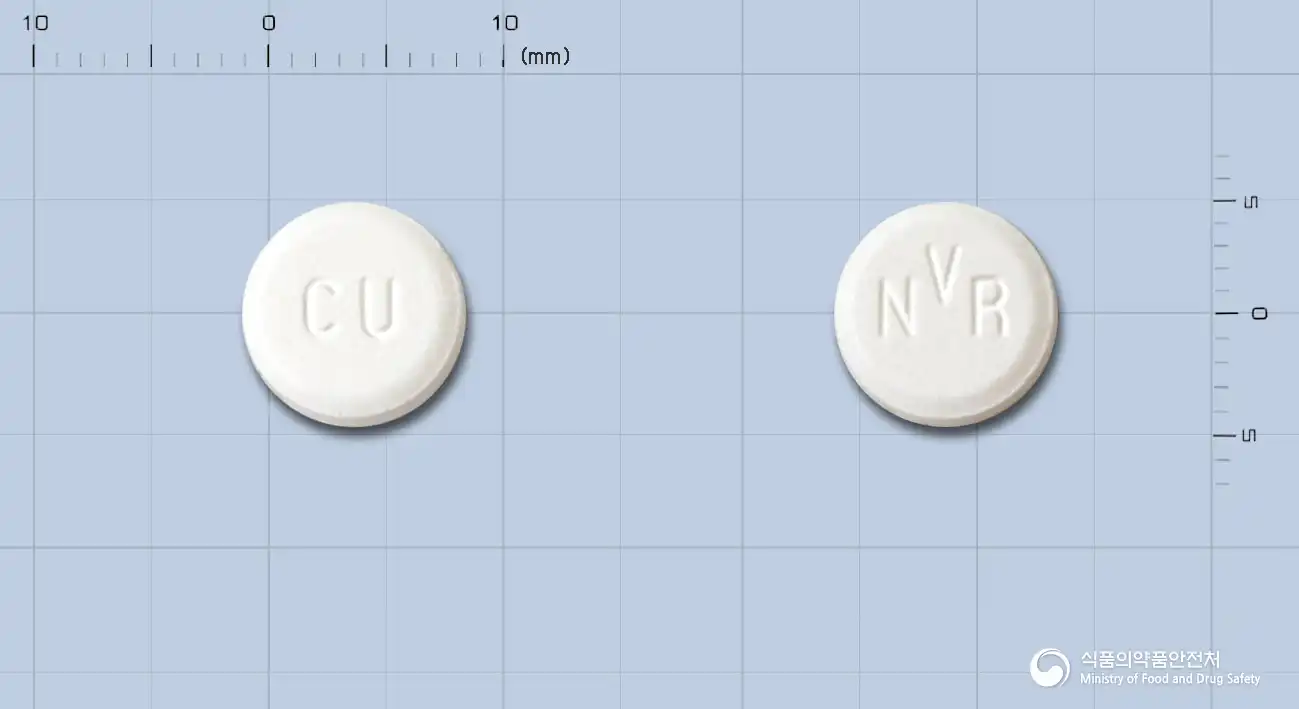
Tablet that is round, flat with beveled edges, white to yellow in color, engraved with "CU" on one side and "NVR" on the other side.
60 tablets (10 tabs/PTP x 6)
Even with the same ingredient, strength, dosage form and how it is taken can differ.
Viewing nowEverolimus 1mg
Tablet · Prescription medication
Novartis Korea Co., Ltd.
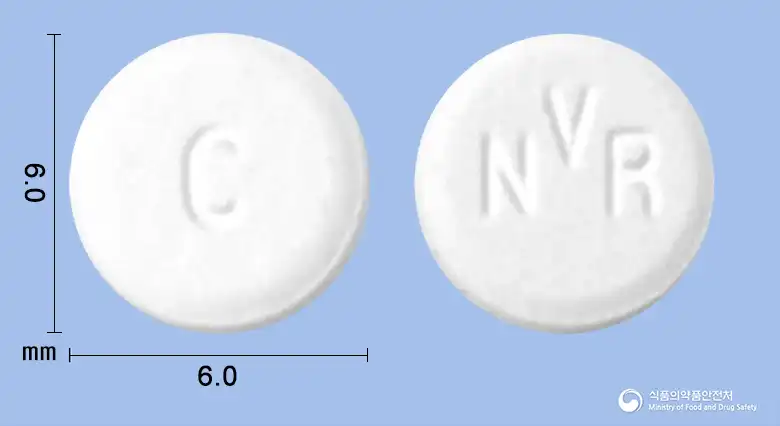
Everolimus 0.25mg
Tablet · Prescription medication
Korea Novartis Co., Ltd.
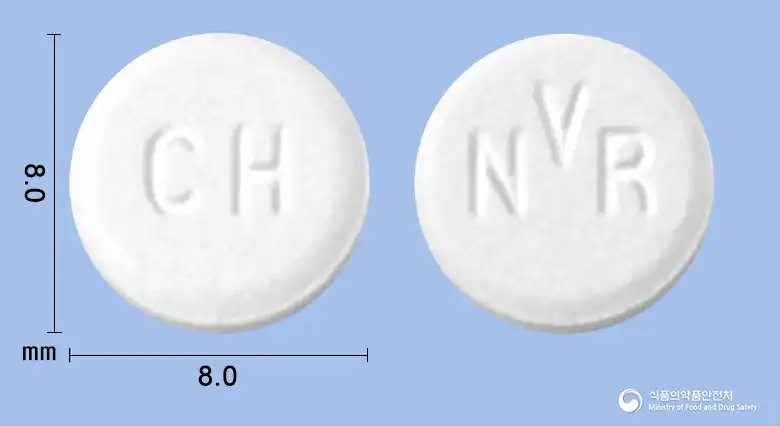
Everolimus 0.5mg
Tablet · Prescription medication
Korea Novartis Co., Ltd.
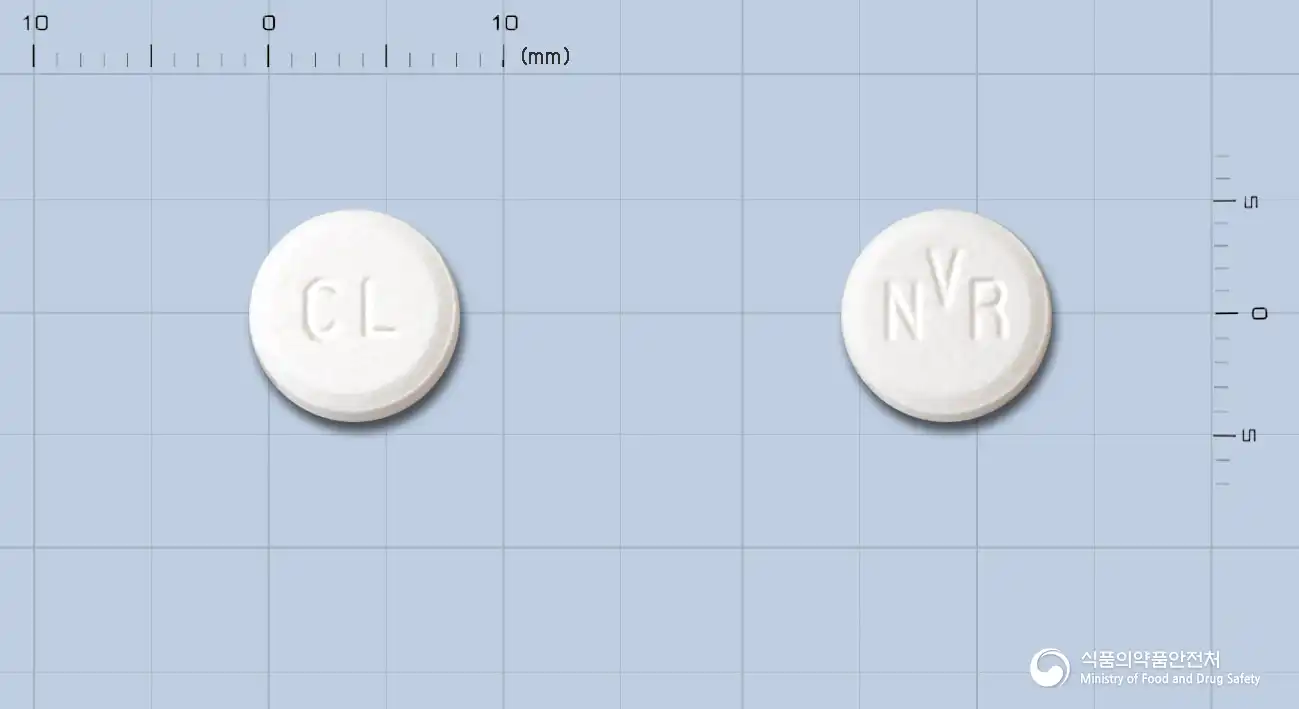
Everolimus 0.75mg
Tablet · Prescription medication
Novartis Korea Co., Ltd.
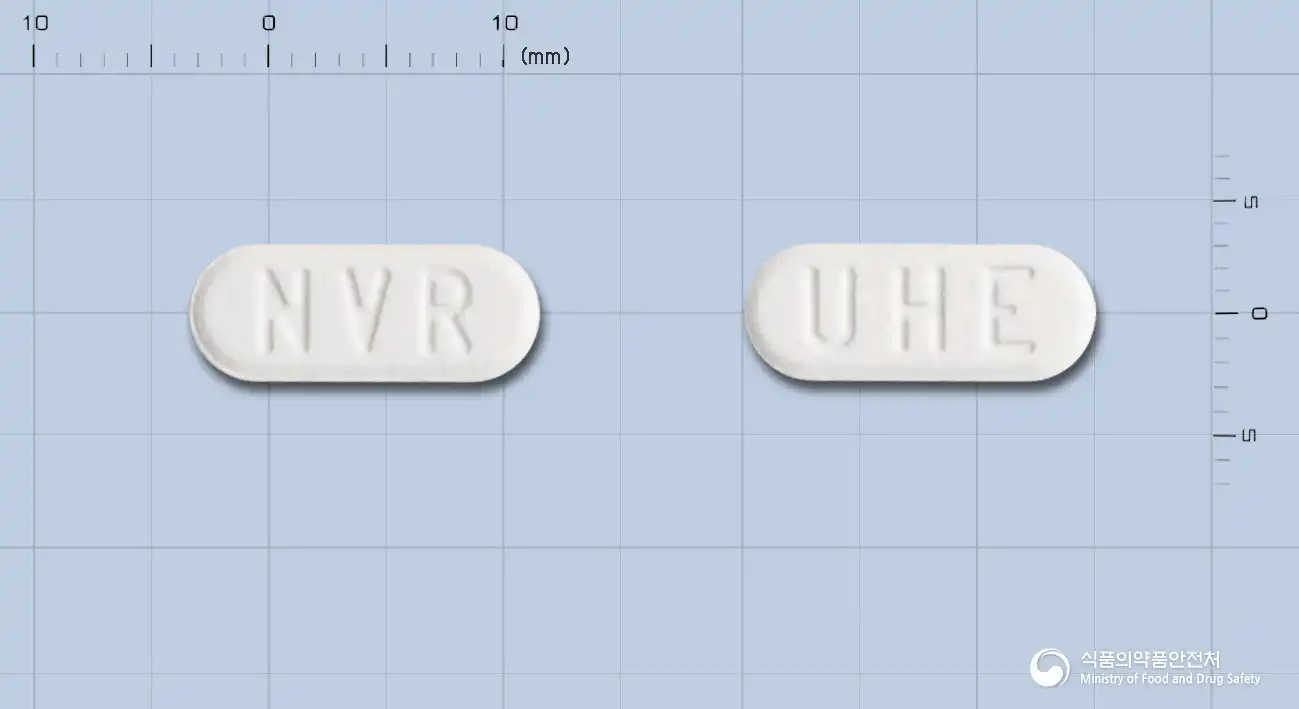
Everolimus 10mg
Tablet · Prescription medication
Novartis Korea Co., Ltd.
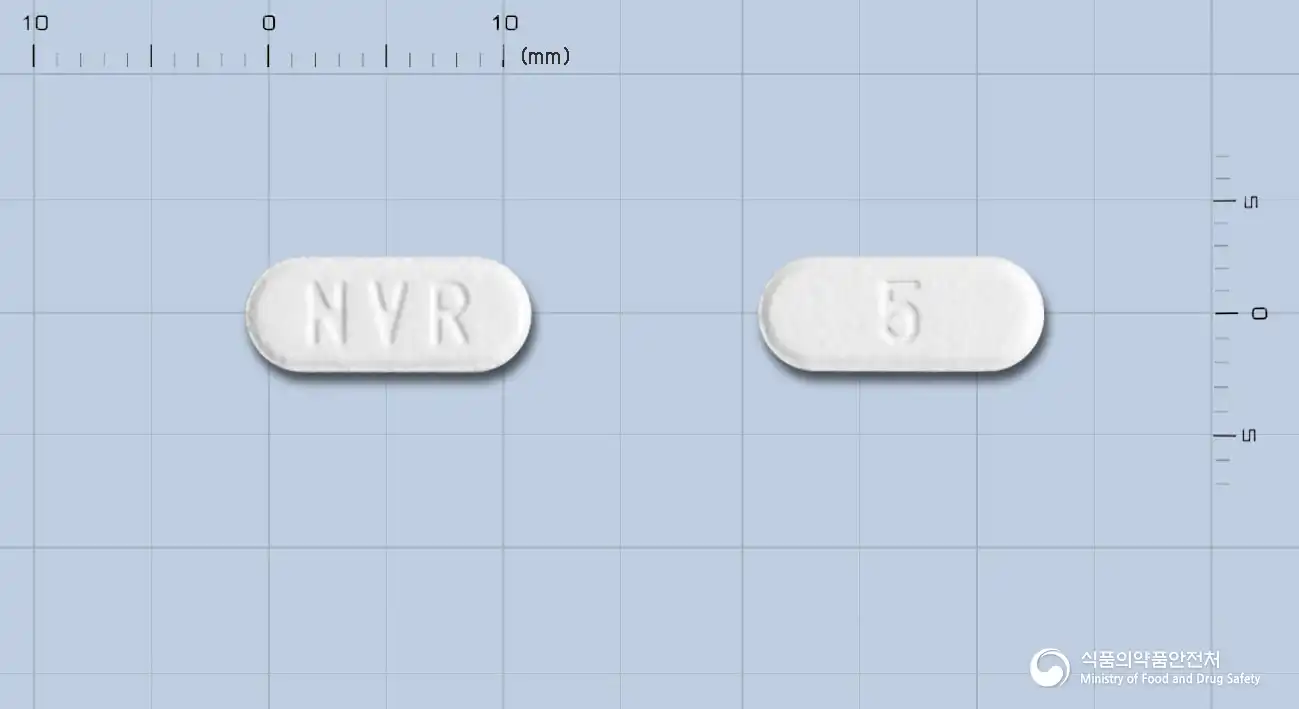
Everolimus 5mg
Tablet · Prescription medication
Novartis Korea Co., Ltd.
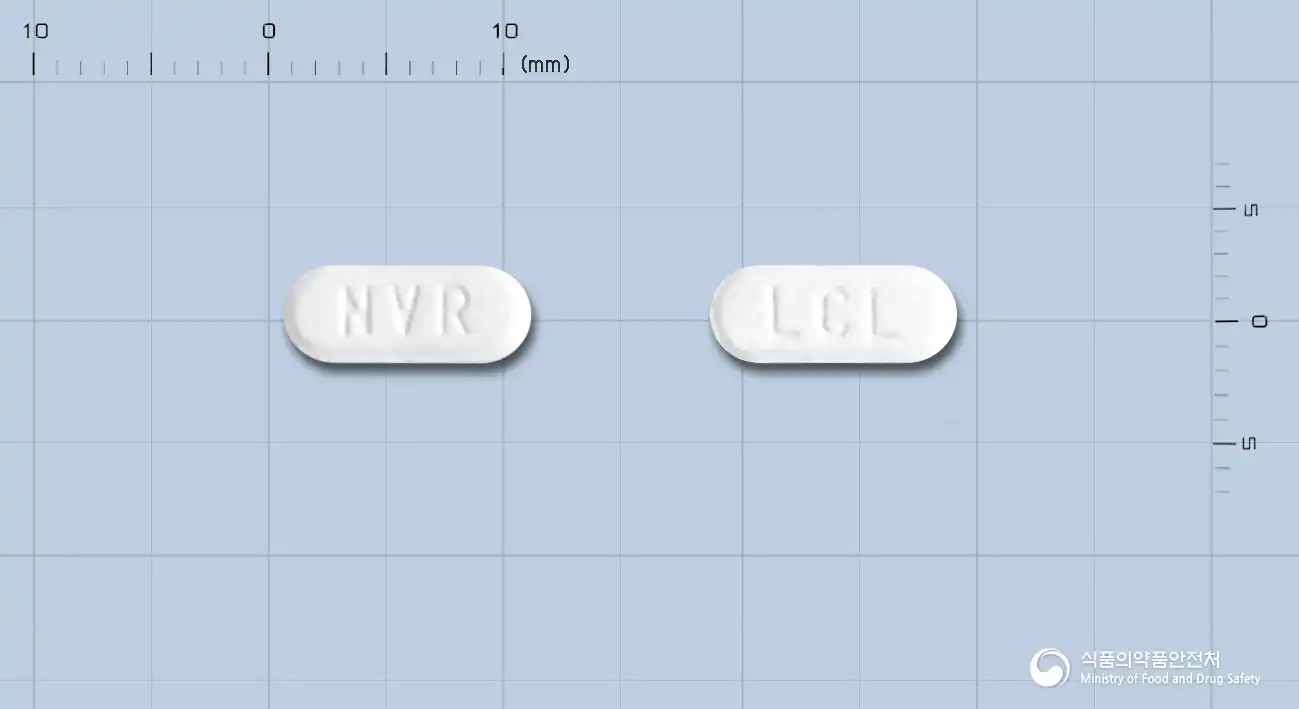
Everolimus 2.5mg
Tablet · Prescription medication
Novartis Korea Co., Ltd.
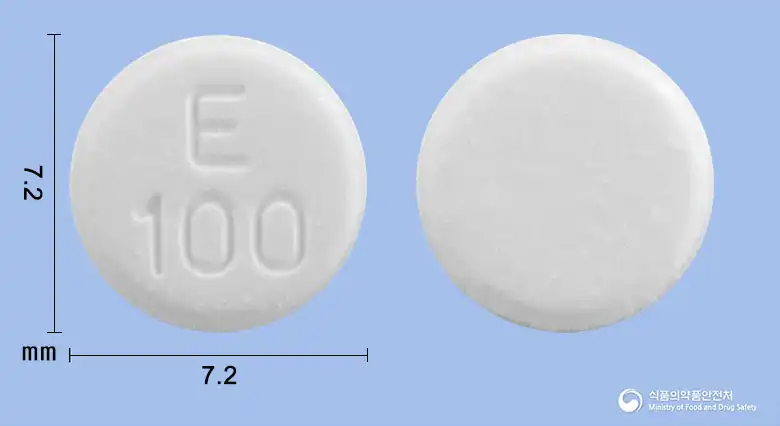
Everolimus 1mg
Tablet · Prescription medication
Jongkundang Co., Ltd.
Even with the same ingredient, the dose and directions can differ by strength and dosage form. Talk to a doctor or pharmacist before switching from a medication you are already taking.
No questions yet.
For anything that needs medical judgment, consult a doctor or pharmacist.
This drug information is based on data provided by the Korea Ministry of Food and Drug Safety.
Consult a doctor or pharmacist for accurate dosage, administration, and usage instructions.