
 한국어
 English
 日本語
 中文(简体)
 Viewing now
Certican Tablets 0.75 mg (Everolimus)
Everolimus 0.75mg
Tablet · Prescription medication
Novartis Korea Co., Ltd.
MFDS item code 200603864 · Approved 2006.04.24 · Insurance code 653600650
Prevention of rejection after kidney, heart, and liver transplantation
This medication is used to reduce immunological risk and prevent organ rejection in adult patients who have received kidney and heart transplants. It is administered together with microemulsion formulation of cyclosporine and corticosteroids when performing kidney and heart transplants. Additionally, it is used in adult patients who have received liver transplants in combination with tacrolimus and corticosteroids to prevent post-transplant rejection. This drug helps stabilize the functioning of the transplanted organ by modulating the immune system of the transplant recipient. As a result, it effectively prevents organ rejection in kidney, heart, and liver transplant patients.
For kidney and heart transplant patients, administer an initial dose of 0.75mg twice daily by mouth (total daily dose 1.5mg) as soon as possible after transplantation. For liver transplant patients, administer an initial dose of 1.0mg twice daily (total daily dose 2.0mg) by mouth approximately 4 weeks after transplantation. The total daily dose of this drug should always be administered consistently either with food or on an empty stomach, in 2 divided doses, and in combination with cyclosporine in microemulsion formulation or tacrolimus. Dose adjustments may be made at intervals of 4-5 days. Although clinical experience in patients aged 65 years and older is limited, there is no apparent difference in the pharmacokinetics of everolimus in patients aged 65-70 years and older compared with healthy adult patients. Patients with renal impairment: No dose adjustment is required. In patients with hepatic impairment, everolimus whole-blood trough concentrations must be monitored closely. In patients with mild hepatic impairment (Child-Pugh Class A), the dose should be reduced to approximately 2/3 of the normal dose. For patients with moderate hepatic impairment (Child-Pugh B), the dose should be reduced to approximately 1/2 of the normal dose, and for patients with severe hepatic impairment (Child-Pugh C), it should be reduced to approximately 1/3 of the normal dose. Subsequent doses should be adjusted based on therapeutic drug monitoring. Normal hepatic function, kidney and heart transplant: 0.75 mg twice daily Mild hepatic impairment (Child-Pugh A), kidney and heart transplant: 0.5 mg twice daily Moderate hepatic impairment (Child-Pugh B), kidney and heart transplant: 0.5 mg twice daily Severe hepatic impairment (Child-Pugh C), kidney and heart transplant: 0.25 mg twice daily Normal hepatic function, liver transplant: 1 mg twice daily Mild hepatic impairment (Child-Pugh A), liver transplant: 0.75 mg twice daily Moderate hepatic impairment (Child-Pugh B), liver transplant: 0.5 mg twice daily Severe hepatic impairment (Child-Pugh C), liver transplant: 0.5 mg twice daily Patients with everolimus whole-blood trough concentrations of at least 3.0ng/ml were found to have a lower incidence of biopsy-proven acute rejection in kidney, heart, and liver transplantation than patients with trough concentrations below 3.0ng/ml. An upper therapeutic range limit of 8ng/ml is recommended; concentrations exceeding 12ng/ml have not been studied. Optimal dose adjustment for this drug should be based on the trough concentration obtained 4-5 days after the previous dose change. Recommended target blood trough concentration range for cyclosporine in kidney transplantation: 1 month 100-200ng/ml, 2-3 months 75-150ng/ml, 4-5 months 50-100ng/ml, 6-12 months 25-50ng/ml Before reducing the cyclosporine dose, confirm that the steady-state whole-blood trough concentration of everolimus is at least 3ng/ml. Data are limited on administration of this drug with cyclosporine at trough concentrations of 25-50ng/ml beyond 12 months in kidney transplant patients. To improve renal function, the cyclosporine dose should be reduced in heart transplant patients in the maintenance phase. If renal impairment progresses further or the calculated creatinine clearance is less than 60ml/min, the dose should be adjusted. In heart transplant patients, the cyclosporine dose may be based on the blood trough concentration of cyclosporine. In the 3.0mg/day group, serum creatinine levels increased significantly compared with the azathioprine group at 3, 6, 9, 18, and 24 months, starting 1 month after treatment; in the 1.5mg/day group, this significant increase occurred starting 3 months after treatment. Data are limited regarding administration of this drug in heart transplant patients when cyclosporine blood trough concentrations are below 175ng/ml during the first 3 months, below 135ng/ml at 6 months, and below 100ng/ml after 6 months. Before reducing the cyclosporine dose, confirm that the steady-state whole-blood trough concentration of everolimus is at least 3ng/ml. In liver transplant patients, the tacrolimus dose should be reduced to minimize calcineurin-associated nephrotoxicity. The tacrolimus trough blood concentration should reach 3-5ng/ml approximately 3 weeks after starting concomitant administration of this drug and tacrolimus. Higher doses may be required in Black patients than in non-Black patients.
Children under 18 years of age: The safety and efficacy of this drug have not been established in children under 18 years of age.
This drug works by suppressing the immune system to help prevent rejection of the transplanted organ. However, if not used in combination with calcineurin inhibitors, the risk of acute rejection may increase. Caution should be observed as the risk of infection may increase when used with thymoglobulin due to weakened immunity, which raises the risk of various infections, including bacterial, viral, and fungal. There is a potential risk of fatal infections or viral infections that could lead to kidney dysfunction, thus monitoring is required. Caution should also be taken when used with medications that strongly inhibit or activate the enzyme CYP3A4, which metabolizes this drug in the liver, as it may alter blood concentration. Since the risk of developing malignant tumors such as skin cancer or lymphoma may increase during the use of this drug, regular skin examinations are recommended. Vascular swelling may occur, so symptoms related to blood vessels should also be observed. The risk of kidney dysfunction may increase when used with cyclosporine, so kidney function should be monitored frequently. Proteinuria may occur, and it is advisable to confirm this through urine tests. There is an increased risk of kidney thrombosis within the first 30 days post-transplant, so symptoms of thrombosis should be closely monitored. Wound healing may be delayed, hence careful management of surgical wounds is necessary. There is also a risk of blood disorders such as thrombotic microangiopathy, thus regular blood tests should be conducted to check status. Respiratory symptoms should be observed as pulmonary diseases such as pneumonia and interstitial lung disease may occur. Patients with impaired liver function may require dose adjustments, and hyperlipidemia or diabetes may worsen, requiring management through blood tests. For men, this drug may cause reversible infertility, necessitating consultation regarding contraception and reproductive health. This drug is contraindicated in patients with certain genetic lactose intolerance, and administration during pregnancy should be avoided due to risk to the fetus. Serious toxicity due to overdose is rare, but caution should be exercised not to exceed the prescribed dosage. When taking this drug, the tablets should be swallowed whole and not crushed. There is a high possibility of interactions with other medications during the use of this drug, so it is essential to consult healthcare providers. Additionally, due to the immunosuppressive effect, the efficacy of vaccines may be reduced, so live vaccines should be avoided.
Acute rejection reaction, severe infection, sepsis, BK virus-associated nephropathy, JC virus-associated progressive multifocal leukoencephalopathy, Pneumocystis pneumonia, cytomegalovirus infection, elevated serum creatinine, lymphoma, skin malignancy, angioedema, proteinuria, renal artery and vein thrombosis, wound infection, wound rupture, incisional hernia, seroma, fluid retention, lymphocele, pericardial effusion, pleural effusion, thrombotic microangiopathy, interstitial lung disease, non-infectious pneumonia, infection, pneumonia, upper respiratory tract infection, urinary tract infection, sepsis, wound infection, malignant tumor, skin neoplasm, lymphoma, anemia, leukopenia, thrombocytopenia, pancytopenia, thrombotic microangiopathy, male hypogonadism, hyperlipidemia, new onset diabetes, hypokalemia, insomnia, anxiety, headache, pericardial effusion, tachycardia, hypertension, venous thromboembolism, bleeding tendency, lymphorrhea, tissue thrombosis, pleural effusion, cough, dyspnea, interstitial lung disease, diarrhea, nausea, vomiting, abdominal pain, oropharyngeal pain, pancreatitis, gastritis, oral ulcer, non-infectious hepatitis, jaundice, acne, angioedema, rash, myalgia, arthralgia, proteinuria, renal tubular necrosis, erectile dysfunction, pain, fever, peripheral edema, healing failure, incisional hernia, liver enzyme abnormalities, leukocytoclastic vasculitis, alveolar proteinosis, erythema, ovarian cyst, transplant rejection, pneumonia, acute pyelonephritis, gastroenteritis, influenza, bronchopneumonia, transplant loss, infectious colitis, subarachnoid hemorrhage, bone necrosis, convulsions, airway infection, cerebral infarction, femoral neck fracture, palpitations, upper gastrointestinal bleeding, renal tubular dysfunction, renal necrosis, compression fracture, gastritis, pharyngitis, carbon monoxide poisoning, seroma, bleeding, prolonged bleeding time, Clostridium difficile colitis, Pneumocystis pneumonia, Staphylococcus wound infection, oliguria, lower gastrointestinal bleeding, anal abscess, laryngitis, aspiration pneumonia, pruritus, dyspepsia, osteoporosis, bone loss, dizziness, chest pain, stomatitis, urticaria, peripheral arterial occlusive disease, limb pain, menorrhagia, tremors, rhinorrhea, increased serum parathyroid hormone, chest discomfort, hepatic steatosis, paresthesia, hypesthesia, subarachnoid hemorrhage, acute pyelonephritis, ear infection, muscle calcification, muscle weakness, folliculitis, cystitis, frequency of urination, breath odor, renal necrosis, systemic lupus erythematosus, furuncle, anal abscess
Not everyone experiences these, and they can vary from person to person.
This drug should be stored in a tightly sealed container that protects it from air, in a cool place at or below 30 degrees Celsius. It is also important to keep it away from direct sunlight and moisture.
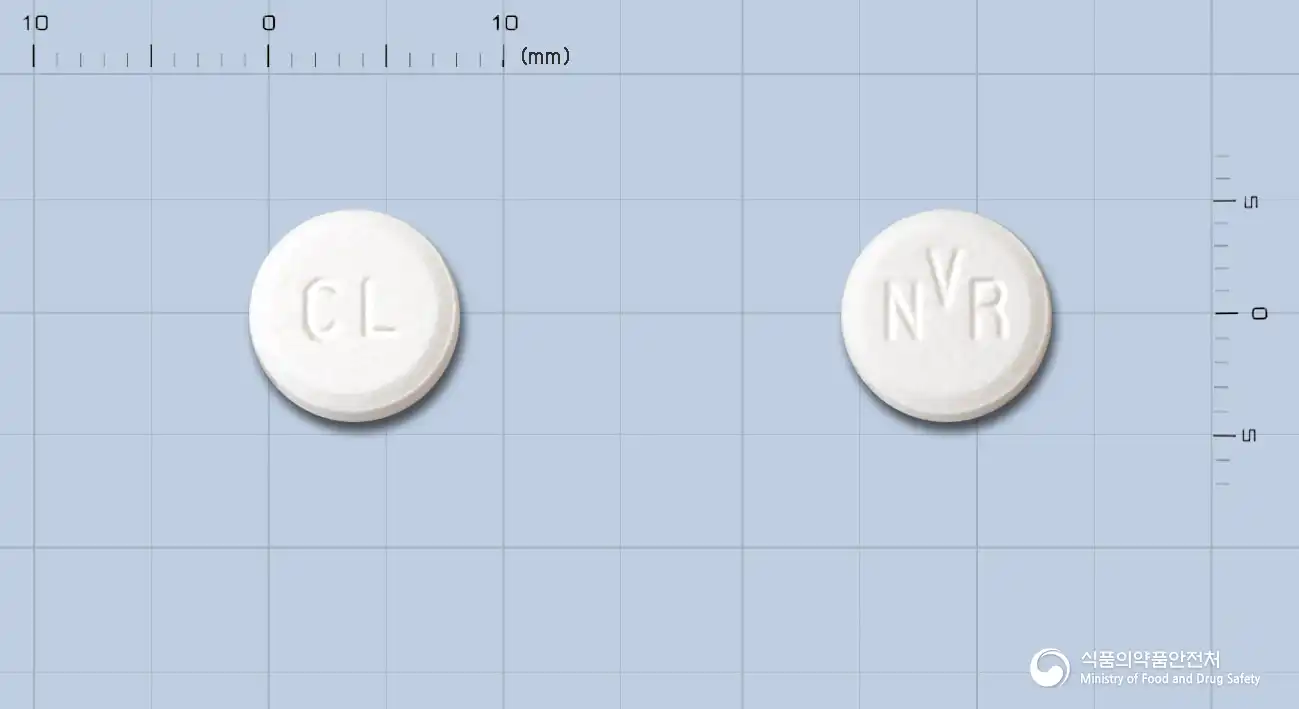
White to yellow, round, flat tablets with beveled edges, inscribed with "CL" on one side and "NVR" on the other side.
60 tablets (10tabs/PTP x 6)
Even with the same ingredient, strength, dosage form and how it is taken can differ.
Viewing nowEverolimus 0.75mg
Tablet · Prescription medication
Novartis Korea Co., Ltd.
Everolimus 0.25mg
Tablet · Prescription medication
Korea Novartis Co., Ltd.
Everolimus 0.5mg
Tablet · Prescription medication
Korea Novartis Co., Ltd.
Everolimus 1mg
Tablet · Prescription medication
Novartis Korea Co., Ltd.
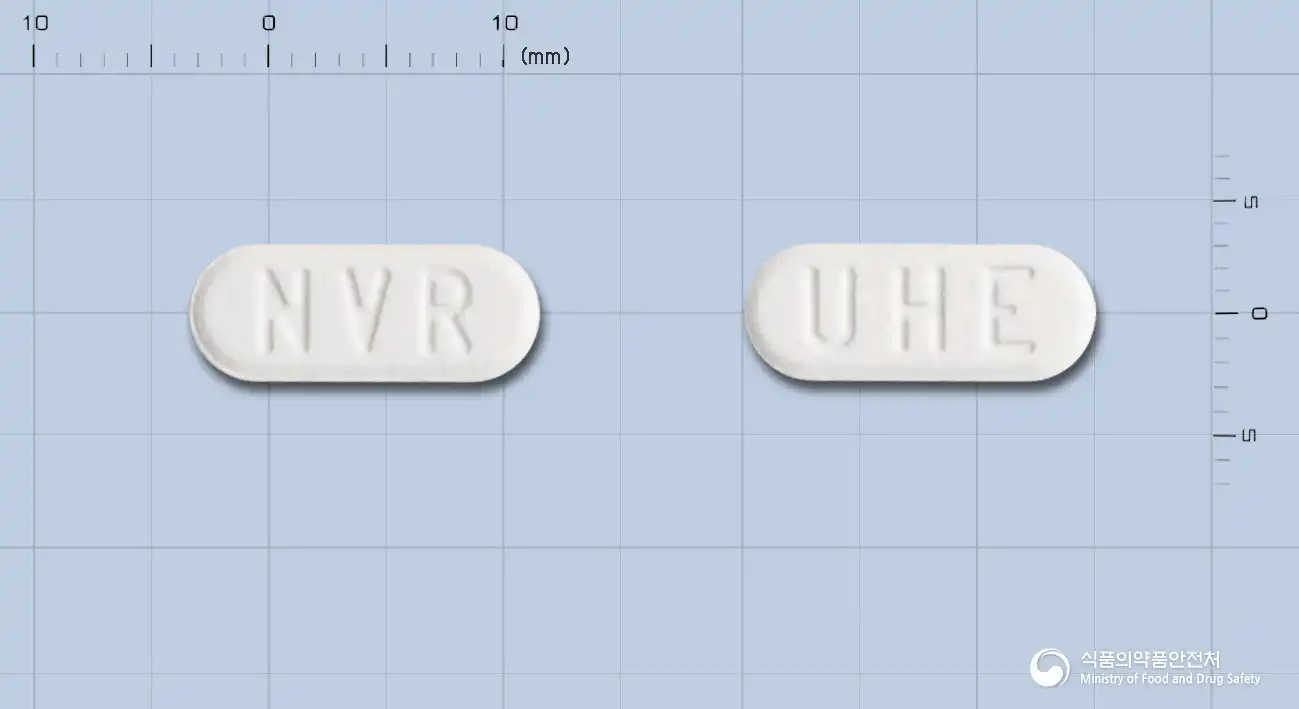
Everolimus 10mg
Tablet · Prescription medication
Novartis Korea Co., Ltd.
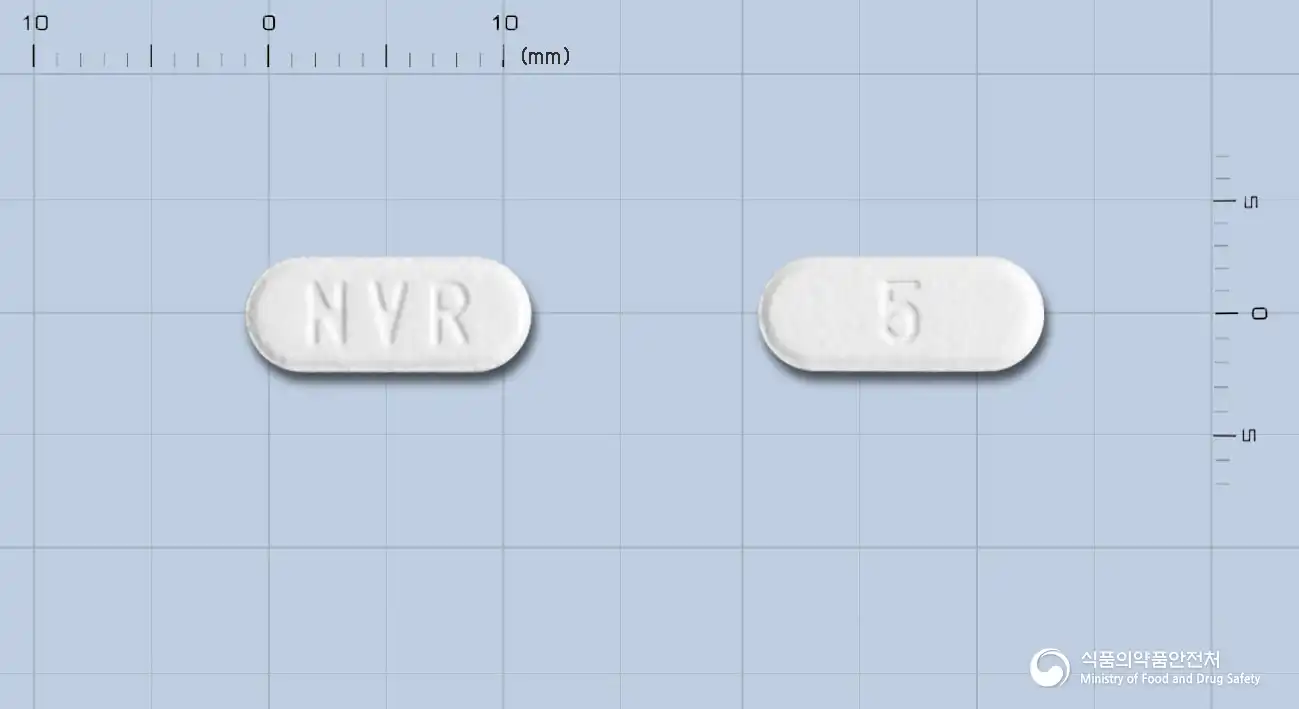
Everolimus 5mg
Tablet · Prescription medication
Novartis Korea Co., Ltd.
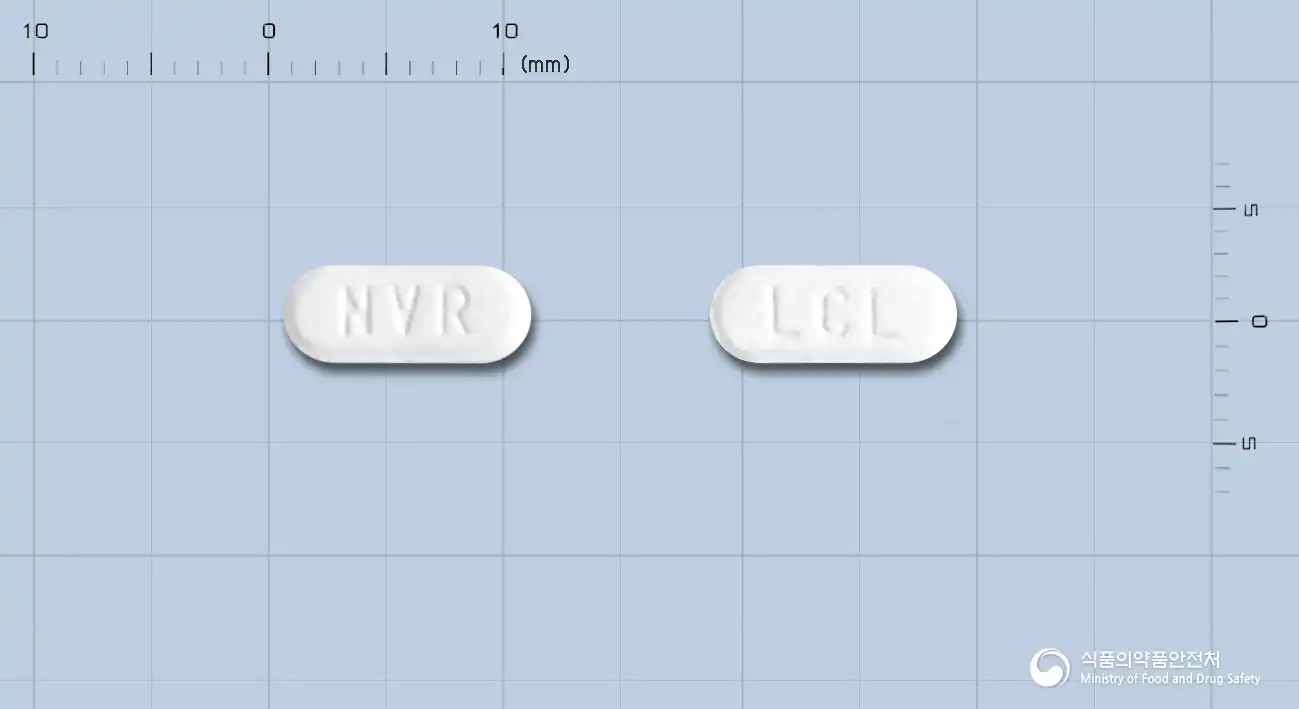
Everolimus 2.5mg
Tablet · Prescription medication
Novartis Korea Co., Ltd.
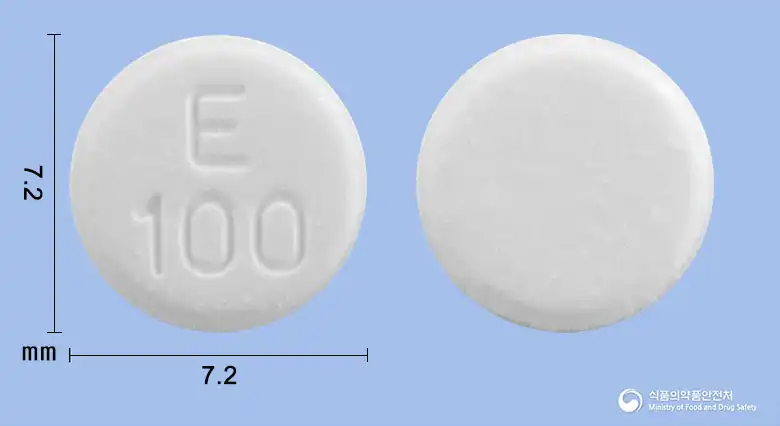
Everolimus 1mg
Tablet · Prescription medication
Jongkundang Co., Ltd.
Even with the same ingredient, the dose and directions can differ by strength and dosage form. Talk to a doctor or pharmacist before switching from a medication you are already taking.
No questions yet.
For anything that needs medical judgment, consult a doctor or pharmacist.
This drug information is based on data provided by the Korea Ministry of Food and Drug Safety.
Consult a doctor or pharmacist for accurate dosage, administration, and usage instructions.