
 한국어
 English
 日本語
 中文(简体)
 Viewing now
Sirtuin 0.25 mg (Everolimus)
Everolimus 0.25mg
Tablet · Prescription medication
Korea Novartis Co., Ltd.
MFDS item code 200603862 · Approved 2006.04.24 · Insurance code 653600630
Prevention of rejection after liver, kidney, and heart transplantation
This drug is used to prevent organ rejection after kidney and heart transplants in adult patients with mild to moderate immunologic risk. It is administered in combination with cyclosporine and corticosteroids during kidney and heart transplants. Additionally, it is used to prevent organ transplant rejection in adult patients who have undergone liver transplantation, and it is administered with tacrolimus and corticosteroids during liver transplants. Thus, this drug plays a critical role in effectively preventing rejection after various organ transplants.
In kidney and heart transplant patients, administer an initial dose of 0.75mg orally twice daily (total daily dose: 1.5mg) as soon as possible after transplantation. In liver transplant patients, administer an initial dose of 1.0mg orally twice daily (total daily dose: 2.0mg) at approximately 4 weeks after transplantation. The total daily dose of this drug should always be administered consistently either with food or on an empty stomach, in 2 divided doses per day, and in combination with cyclosporine in microemulsion formulation or tacrolimus. This drug is for oral use only. Swallow the dose whole with water; do not crush it before administration. Dose adjustments may be made at intervals of 4-5 days based on the patient's blood concentration, tolerability, and clinical condition. There is no apparent difference in patients aged 65 years or older compared with healthy adults. In patients with hepatic impairment, reduce the dose to approximately 2/3 of the normal dose for mild impairment, approximately 1/2 for moderate impairment, and approximately 1/3 for severe impairment. No dose adjustment is required in patients with renal impairment. Blood concentrations should be checked regularly through therapeutic drug monitoring, and the dose should be adjusted to maintain the treatment response. When used in combination with cyclosporine or tacrolimus, renal function monitoring and dose adjustment are required.
The safety and efficacy of this drug have not been established in children under 18 years of age.
This drug is an immunosuppressive medication, and caution should be exercised as the risk of infection may increase when used in conjunction with other immunosuppressants. In particular, the risk of acute rejection may increase when combined with certain immunosuppressants, so a specialist’s guidance should be followed. This drug may increase the risk of severe infections, kidney dysfunction, vascular edema, and the occurrence of certain cancers, hence regular health check-ups and monitoring are necessary. Patients with compromised liver function or specific genetic metabolic disorders should not use this drug. Furthermore, since this drug is metabolized by certain enzymes in the liver, co-administration with certain medications may alter drug concentrations, necessitating caution regarding drug interactions. Pregnant or breastfeeding women should not use this drug and should employ effective contraception during treatment and for a period after discontinuation. In case of overdose, since there is no specific antidote, it is important to consult healthcare providers immediately for appropriate action. This drug should be swallowed whole and should not be crushed or chewed.
Acute rejection reaction, severe infection, sepsis, BK virus-associated nephropathy, JC virus-associated progressive multifocal leukoencephalopathy, Pneumocystis pneumonia, cytomegalovirus infection, elevated serum creatinine, lymphoma, malignant skin tumors, angioedema, renal dysfunction, proteinuria, renal artery and vein thrombosis, wound infection, wound rupture, incisional hernia, seroma, fluid retention, lymphatic cyst, pericardial effusion, pleural effusion, thrombotic microangiopathy, interstitial lung disease, non-infectious pneumonia, alveolar proteinuria, erythema multiforme, ovarian cysts, leukocytoclastic vasculitis, infections (bacterial, fungal, viral), lower respiratory and lung infections, upper respiratory infections, urinary tract infections, sepsis, wound infections, malignant tumors, malignant skin neoplasms, lymphoma, anemia, erythropenia, leukopenia, thrombocytopenia, pancytopenia, thrombotic microangiopathy, male hypogonadism, hyperlipidemia, new onset diabetes, hypokalemia, insomnia, anxiety, headache, pericardial effusion, tachycardia, hypertension, venous thromboembolism, bleeding tendency, lymphorrhea, tissue thrombosis, pleural effusion, cough, dyspnea, interstitial lung disease, diarrhea, nausea, vomiting, abdominal pain, oropharyngeal pain, pancreatitis, gastritis, oral ulcers, non-infectious hepatitis, jaundice, acne, angioedema, rash, myalgia, arthralgia, proteinuria, necrosis of renal tubules, erectile dysfunction, pain, fever, peripheral edema, healing failure, incisional hernia, abnormal liver enzymes, osteoporosis, gastroenteritis, colitis, pyelonephritis, hydronephrosis, pruritus, dyspepsia, osteopenia, dizziness, chest pain, stomatitis, urticaria, peripheral arterial occlusive disease, limb pain, menorrhagia, tremors, rhinorrhea, elevated serum parathyroid hormone, chest discomfort, hepatic steatosis, sensory abnormalities, sensory loss, subarachnoid hemorrhage, leukocytoclastic vasculitis, alveolar proteinuria, erythema multiforme, ovarian cysts
Not everyone experiences these, and they can vary from person to person.
This drug should be stored in a tightly sealed container that is well-ventilated, at a cool temperature below 30 degrees Celsius, and protected from direct light. It is also important to keep it in a dry place.
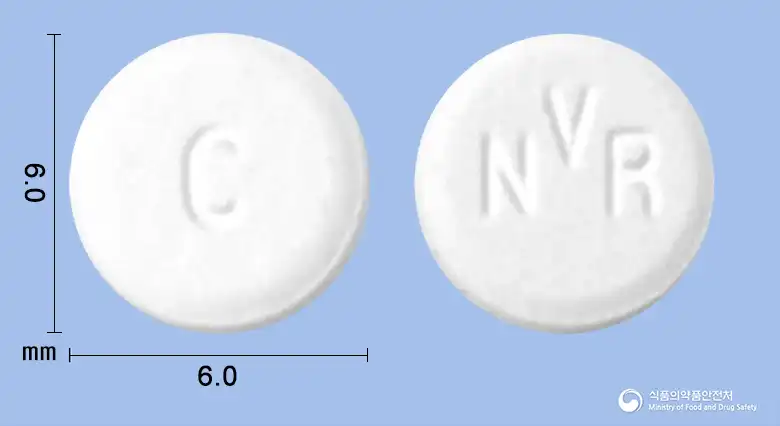
White to yellow circular flat tablets with beveled edges, engraved with "C" on one side and "NVR" on the other side.
60 tablets (10 tabs/PTP x 6)
Even with the same ingredient, strength, dosage form and how it is taken can differ.
Viewing nowEverolimus 0.25mg
Tablet · Prescription medication
Korea Novartis Co., Ltd.
Everolimus 0.5mg
Tablet · Prescription medication
Korea Novartis Co., Ltd.
Everolimus 0.75mg
Tablet · Prescription medication
Novartis Korea Co., Ltd.
Everolimus 1mg
Tablet · Prescription medication
Novartis Korea Co., Ltd.
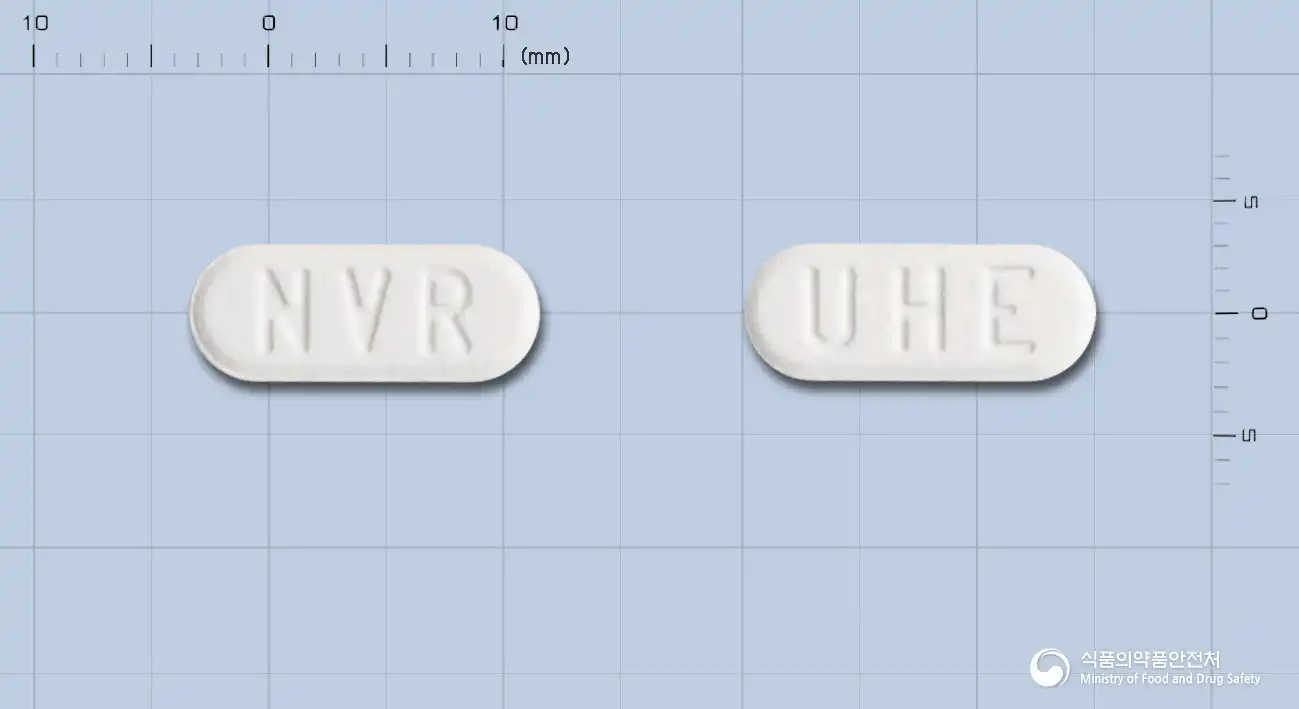
Everolimus 10mg
Tablet · Prescription medication
Novartis Korea Co., Ltd.
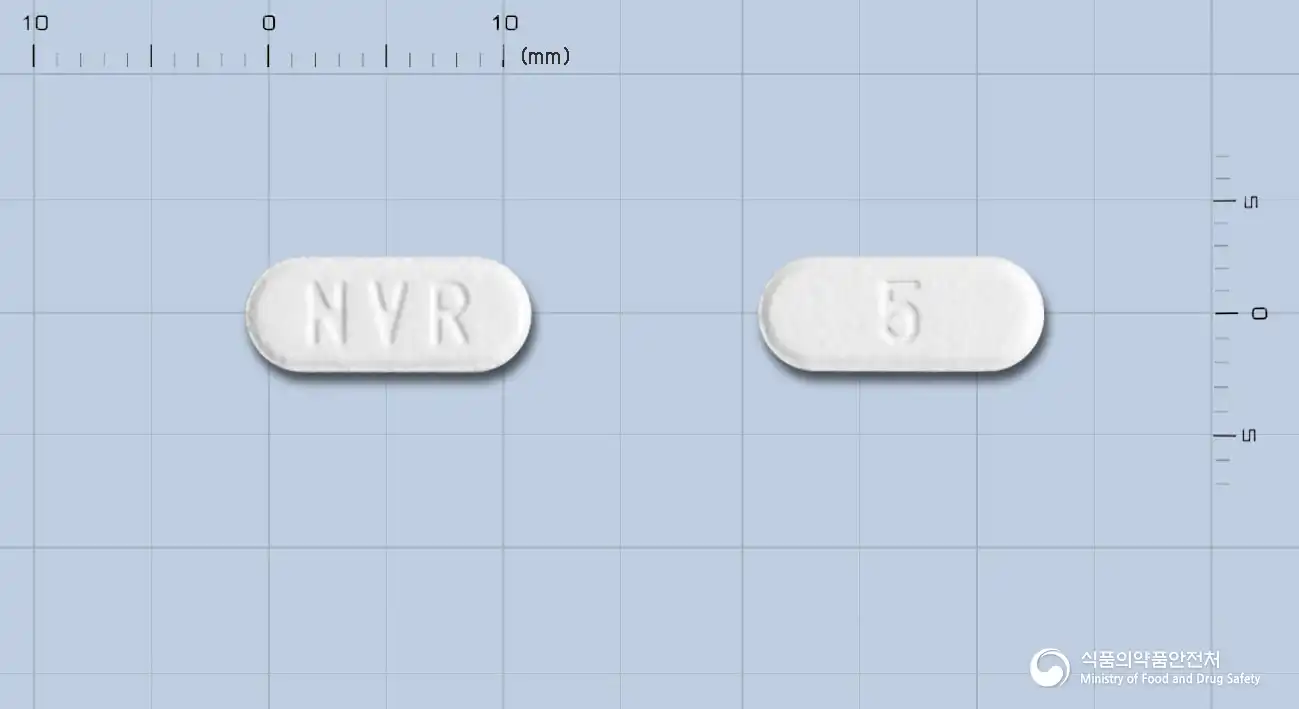
Everolimus 5mg
Tablet · Prescription medication
Novartis Korea Co., Ltd.
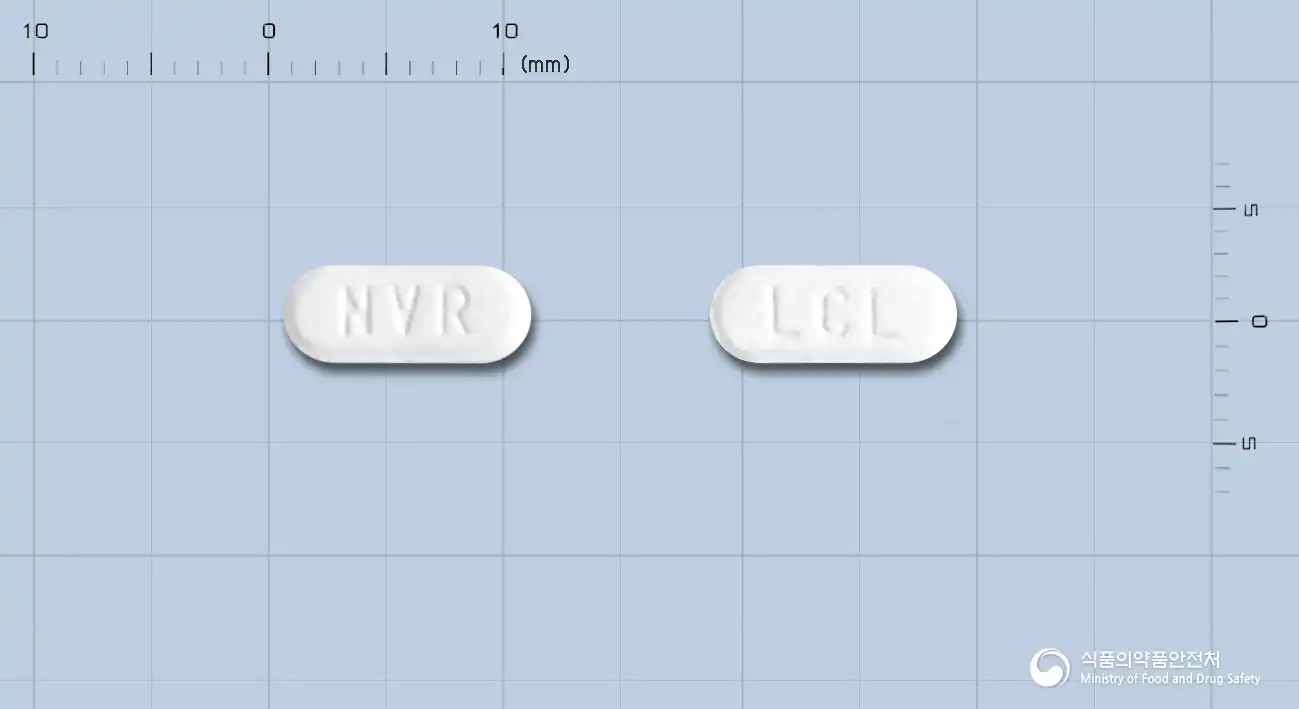
Everolimus 2.5mg
Tablet · Prescription medication
Novartis Korea Co., Ltd.
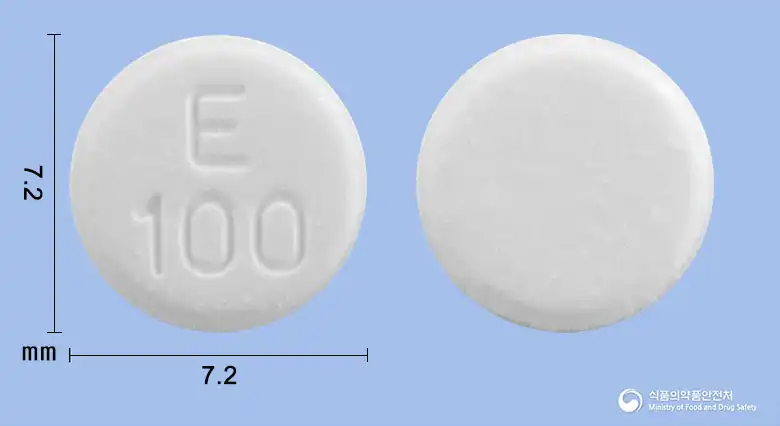
Everolimus 1mg
Tablet · Prescription medication
Jongkundang Co., Ltd.
Even with the same ingredient, the dose and directions can differ by strength and dosage form. Talk to a doctor or pharmacist before switching from a medication you are already taking.
No questions yet.
For anything that needs medical judgment, consult a doctor or pharmacist.
This drug information is based on data provided by the Korea Ministry of Food and Drug Safety.
Consult a doctor or pharmacist for accurate dosage, administration, and usage instructions.