
 한국어
 English
 日本語
 中文(简体)
 Viewing now
Lamictal Chewable Tablet 2 mg (Lamotrigine)
Lamotrigine 2mg
Chewable Tablet · Prescription medication
GlaxoSmithKline Co., Ltd.
MFDS item code 200603851 · Notified 2006.05.01
Treatment of epilepsy (including partial seizures); prevention of recurrence of depressive episodes in bipolar I disorder
This medication is used for the treatment of partial seizures and generalized tonic-clonic seizures in patients with epilepsy, both as monotherapy and adjunctive therapy. It is also effective as adjunctive therapy for seizures due to Lennox-Gastaut syndrome. Additionally, it helps to prevent the recurrence of depressive episodes in patients with bipolar I disorder. It is used to improve symptoms across various neurological disorders.
This medicine should be swallowed whole, chewed, or dispersed in a small amount of water before taking. It should be administered only as a whole-tablet dose and must not be divided. Adults and adolescents aged 13 years and older: Recommended dosage for epilepsy Monotherapy (daily dose): Weeks 1 and 2: 25 mg (once daily); Weeks 3 and 4: 50 mg (once daily); maintenance dose: 100∼200 mg (once daily or in 2 divided doses). Increase by a maximum of 50∼100 mg every 1∼2 weeks until the maintenance dose is reached. In some patients, doses of up to 500 mg/day have been used to achieve the desired response. Adjunctive therapy (daily dose), in patients not receiving valproate and receiving glucuronidation-inducing agents: Weeks 1 and 2: 50 mg (once daily); Weeks 3 and 4: 100 mg (in 2 divided doses); maintenance dose: 200∼400 mg (in 2 divided doses). Increase by a maximum of 100 mg every 1~2 weeks until the maintenance dose is reached. In patients receiving valproate, regardless of other concomitant medications: Weeks 1 and 2: 12.5 mg (25 mg every other day); Weeks 3 and 4: 25 mg (once daily); maintenance dose: 100∼200 mg (once daily or in 2 divided doses). Increase by a maximum of 25~50 mg every 1~2 weeks until the maintenance dose is reached. In patients receiving other medicines that do not significantly inhibit or induce lamotrigine glucuronidation: Weeks 1 and 2: 25 mg (once daily); Weeks 3 and 4: 50 mg (once daily); maintenance dose: 100~200mg (once daily or in 2 divided doses). Increase by a maximum of 50~100 mg every 1~2 weeks until the maintenance dose is reached. Adults aged 18 years and older: Recommended dosage for preventing recurrence of depressive episodes in patients with bipolar I disorder In patients receiving a glucuronidation inhibitor (e.g., valproate): Weeks 1 and 2: 12.5 mg (25 mg every other day); Weeks 3 and 4: 25 mg (once daily); Week 5: 50 mg (once daily or in 2 divided doses); target stabilization dose (week 6): 100 mg (once daily or in 2 divided doses) (maximum daily dose: 200 mg). In patients not receiving an inhibitor such as valproate and receiving a glucuronidation inducer (e.g., carbamazepine, phenobarbital): Weeks 1 and 2: 50 mg (once daily); Weeks 3 and 4: 100 mg (in 2 divided doses); Week 5: 200 mg (in 2 divided doses); week 6: 300 mg, which may be increased to 400 mg in week 7 if needed (in 2 divided doses). In patients receiving other medicines that do not significantly inhibit or induce lamotrigine glucuronidation (e.g., lithium, bupropion), or receiving lamotrigine as monotherapy: Weeks 1 and 2: 25 mg (once daily); Weeks 3 and 4: 50 mg (once daily or in 2 divided doses); Week 5: 100 mg (once daily or in 2 divided doses); target stabilization dose (week 6): 200 mg (once daily or in 2 divided doses). In patients receiving a glucuronidation inhibitor (e.g., valproate), administer an initial dose of 25 mg every other day for the first 2 weeks, followed by 25 mg once daily for the next 2 weeks. The target dose for optimal response is 100 mg once daily or in 2 divided doses. Depending on clinical response, increase the dose up to 200 mg and administer once daily (or in 2 divided doses). In patients not receiving valproate but receiving glucuronidation inducers such as carbamazepine or phenobarbital, administer an initial dose of 50 mg once daily for the first 2 weeks, followed by 100 mg in 2 divided doses for the next 2 weeks. In week 5, increase the dose to 200 mg in 2 divided doses. In week 6, increase the dose to 300 mg in 2 divided doses. The usual target dose for optimal response may be 400 mg in 2 divided doses starting from week 7. In patients receiving other medicines that do not significantly inhibit or induce glucuronidation (e.g., lithium, bupropion), or receiving this medicine as monotherapy, administer an initial dose of 25 mg once daily for the first 2 weeks, followed by 50 mg once daily (or in 2 divided doses) for the next 2 weeks. In week 5, increase the dose to 100 mg once daily (or in 2 divided doses). The usual target dose for optimal response is 200 mg once daily or in 2 divided doses. In clinical trials, doses of up to 400 mg/day were used as monotherapy, but lamotrigine 400 mg/day provided no benefit over 200 mg/day. Daily maintenance stabilization dose (daily dose) in adults aged 18 years and older with bipolar disorder after discontinuation of psychotropic medicines or antiepileptic drugs After discontinuation of a glucuronidation inhibitor (e.g., valproate): Administer twice the stabilization dose. However, the dose increase must not exceed 100 mg/week. For example, if the target stabilization dose is 100 mg/day, administer 200 mg/day in week 1. Maintain the week 1 dose (200 mg/day) in week 2 (once daily or in 2 divided doses). After discontinuation of a glucuronidation inducer (e.g., carbamazepine): Select the dose according to the existing maintenance dose. Week 1: 400 mg, 300 mg, 200 mg; week 2: 300 mg, 225 mg, 150 mg; week 3 onward: 200 mg, 150 mg, 100 mg. After discontinuation of medicines that do not significantly inhibit or induce lamotrigine glucuronidation (e.g., lithium, bupropion): Maintain the target maintenance dose reached through dose escalation (200 mg/day) (in 2 divided doses). After discontinuation of valproate, increase the dose of this medicine to twice the existing target stabilization dose and continue to maintain this dose. After discontinuation of a glucuronidation inducer, gradually reduce the dose of this medicine over 3 weeks. After discontinuation of medicines that do not significantly inhibit or induce glucuronidation (e.g., lithium, bupropion), maintain the target dose reached through dose escalation. Lamotrigine dose adjustments (daily dose) in adults aged 18 years and older with bipolar disorder when adding other medicines When adding a glucuronidation inhibitor (e.g., valproate), select the dose according to the existing lamotrigine dose: if the current lamotrigine stabilization dose is 200 mg, week 1: 100 mg*; maintain this dose (100 mg/day)*; if 300 mg, week 1: 150 mg*; maintain this dose (150 mg/day)*; if 400 mg, week 1: 200 mg*; maintain this dose (200 mg/day)*. When adding a glucuronidation inducer (e.g., carbamazepine) in patients not receiving valproate, select the dose according to the existing dose: if the current dose is 200 mg, week 1: 200 mg**, week 2: 300 mg**, week 3 onward: 400 mg**; if 150 mg, week 1: 150 mg**, week 2: 225 mg**, week 3 onward: 300 mg**; if 100 mg, week 1: 100 mg**, week 2: 150 mg**, week 3 onward: 200 mg**. When adding medicines that do not significantly inhibit or induce lamotrigine glucuronidation (e.g., lithium, bupropion): target maintenance dose reached through dose escalation (200 mg/day)*. * : Once daily or in 2 divided doses, ** : In 2 divided doses Discontinuation of this medicine: Unless immediate discontinuation is required for safety reasons (for example, a serious skin rash), the dose of this medicine should be gradually reduced over at least 2 weeks. Restarting treatment: In general, when the time since discontinuation of this medicine exceeds 5 half-lives, gradually increase the dose to the maintenance dose according to an appropriate regimen. Elderly patients: The recommended dosage regimens for adults and adolescents aged 13 years and older may also be used in elderly patients (65 years and older). Administer with caution and start at a low dose. Patients with hepatic impairment: In patients with moderate (Child-Pugh grade B) and severe (Child-Pugh grade C) hepatic impairment, the initial dose, dose increases, and maintenance dose should be reduced by approximately 50% and 75%, respectively. Patients with renal impairment: A reduced maintenance dose may be effective in patients with severe renal impairment.
Children aged 2∼12 years, monotherapy: Adequate clinical data to support a basic recommended dose for use of this drug as monotherapy in children 12 years of age or younger are not yet available. Children aged 2∼12 years, adjunctive therapy, not receiving valproate and taking glucuronidation-inducing drugs: Weeks 1 and 2, 0.6 mg/kg/day (divided into 2 doses per day); weeks 3 and 4, 1.2 mg/kg/day (divided into 2 doses per day); increase by a maximum of 1.2 mg/kg/day every 1~2 weeks to a maintenance dose of 5∼15 mg/kg/day (divided into 2 doses per day), maximum 400 mg/day. Children aged 2∼12 years, adjunctive therapy, receiving valproate regardless of other concomitant medications: Weeks 1 and 2, 0.15 mg/kg/day** (administered once daily); weeks 3 and 4, 0.3 mg/kg/day (administered once daily); increase by a maximum of 0.3 mg/kg/day every 1~2 weeks to a maintenance dose of 1∼5 mg/kg/day (administered once daily or divided into 2 doses per day). Maximum 200 mg/day. Children aged 2∼12 years, adjunctive therapy, taking other drugs that do not significantly inhibit or induce lamotrigine glucuronidation: Weeks 1 and 2, 0.3 mg/kg/day (administered once daily or divided into 2 doses per day); weeks 3 and 4, 0.6 mg/kg/day (administered once daily or divided into 2 doses per day); increase by a maximum of 0.6 mg/kg/day every 1~2 weeks to a maintenance dose of 1∼10 mg/kg/day (administered once daily or divided into 2 doses per day). Maximum 200 mg/day. In patients aged 2 years or older and younger than 6 years, the upper limit of the recommended dose may be the maintenance dose. Children younger than 2 years: The safety and efficacy of this drug have not been established in children aged 1 month to younger than 2 years. There are no data for neonates younger than 1 month. Therefore, this drug is not recommended for patients younger than 2 years, particularly those younger than 2 years who are taking valproate, because it is difficult to establish an accurate initial dose. Children and adolescents younger than 18 years: This drug should not be administered to patients with bipolar disorder who are younger than 18 years.
This medication may cause severe rash on the skin; therefore, if a rash develops, especially during the first 8 weeks, it should be discontinued immediately. In children, the risk of rash is higher, and if a rash occurs with fever, the possibility of a drug reaction should be suspected. When starting this medication, the recommended dosage should be adhered to, and dosage adjustments may be necessary when used in conjunction with other specific medications. Symptoms such as fever, lymphadenopathy, and facial swelling due to hypersensitivity may occur, and if such symptoms arise, immediate medical attention is necessary. Aseptic meningitis may occur during treatment with this medication; if symptoms such as headache, fever, or neck stiffness appear, consult healthcare professionals immediately. This medication may increase the risk of suicidal thoughts or behavior, so patients and caregivers should closely monitor changes in mental status and report any abnormalities immediately. Women taking hormonal contraceptives may experience a decrease in contraceptive efficacy due to changes in the drug concentration; therefore, it is recommended to discuss appropriate contraceptive methods with a doctor. Patients with impaired kidney or liver function may be affected in terms of metabolism and excretion of this medication, requiring caution. Women who are pregnant or planning to become pregnant must consult a doctor before using this medication, and folic acid supplementation is recommended if necessary. Breastfeeding women should avoid breastfeeding as this medication can pass into breast milk and may affect the newborn. Abrupt discontinuation of this medication may exacerbate seizures; therefore, dosages should be gradually reduced according to medical advice. Symptoms such as drowsiness or dizziness may occur when operating vehicles or machinery, requiring caution. There may be interactions with other medications, so inform your doctor or pharmacist of any other medications being taken. Overdose may result in altered consciousness and cardiac issues, necessitating immediate medical treatment.
Not everyone experiences these, and they can vary from person to person.
This medication may be sensitive to air and light; therefore, it should be stored in a tightly sealed container. It should be kept at room temperature between 1 and 30 degrees Celsius, preferably in a dry place with low humidity.
White to grayish white round tablets
30 tablets/bottle
Even with the same ingredient, strength, dosage form and how it is taken can differ.
Viewing nowLamotrigine 2mg
Chewable Tablet · Prescription medication
GlaxoSmithKline Co., Ltd.
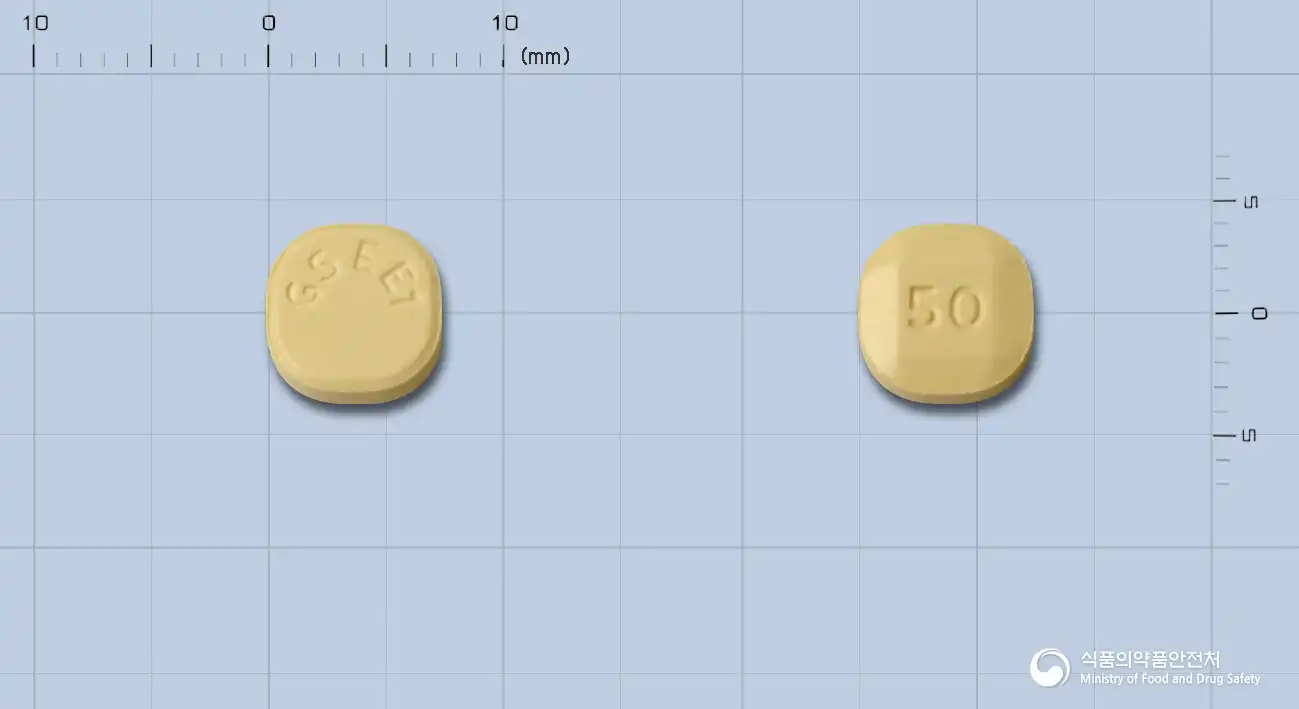
Lamotrigine 100mg
Tablet · Prescription medication
GlaxoSmithKline Co., Ltd.
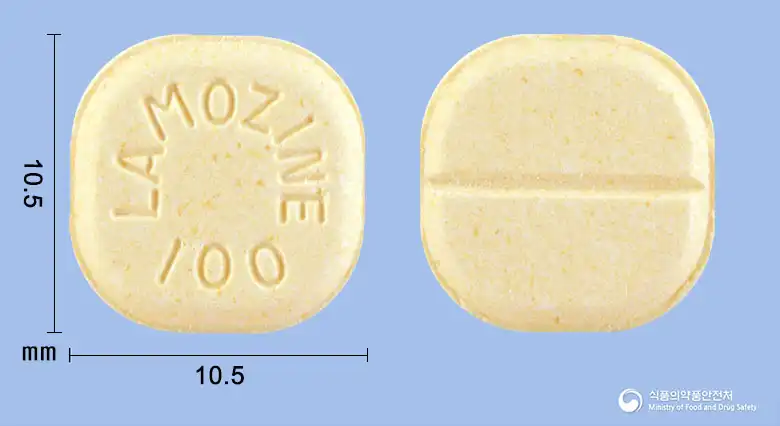
Lamotrigine 100mg
Tablet · Prescription medication
Yian Pharmaceutical Co., Ltd.
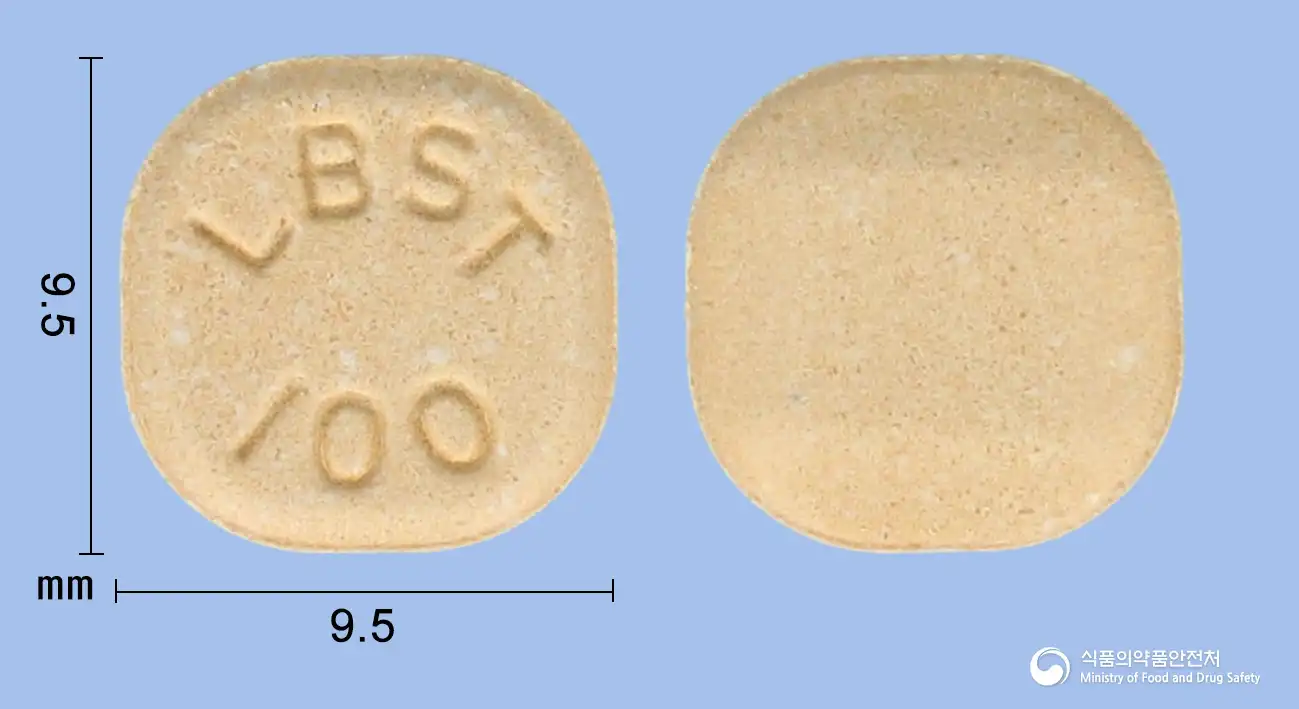
Lamotrigine 100mg
Tablet · Prescription medication
Hanlim Pharmaceutical Co., Ltd.
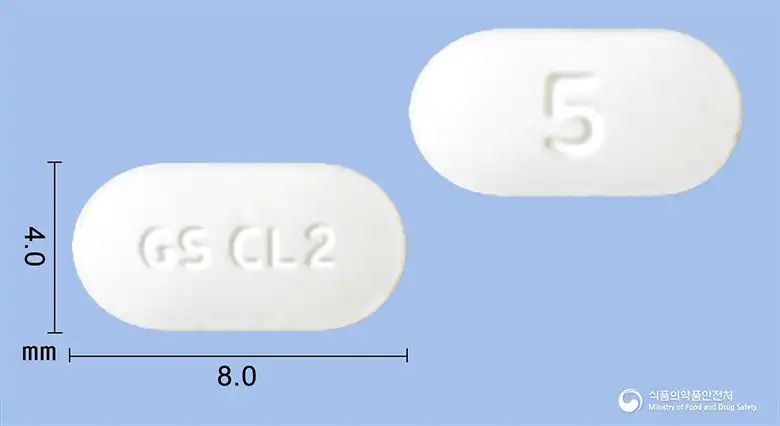
Lamotrigine 5mg
Chewable Tablet · Prescription medication
GlaxoSmithKline Co., Ltd.
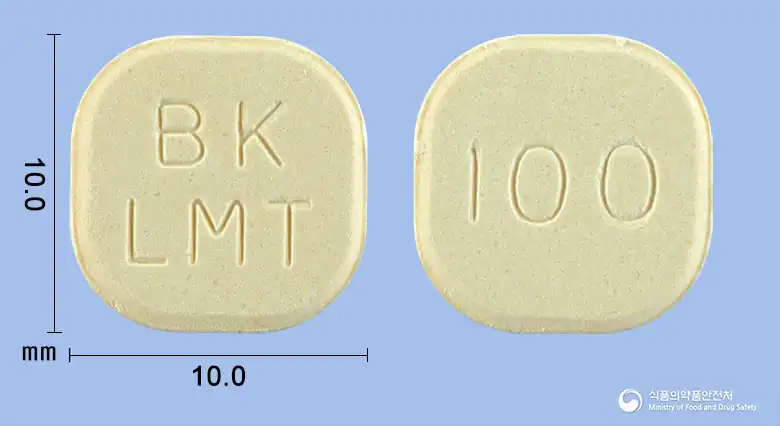
Lamotrigine 100mg
Tablet · Prescription medication
Bukwang Pharmaceutical Co., Ltd.
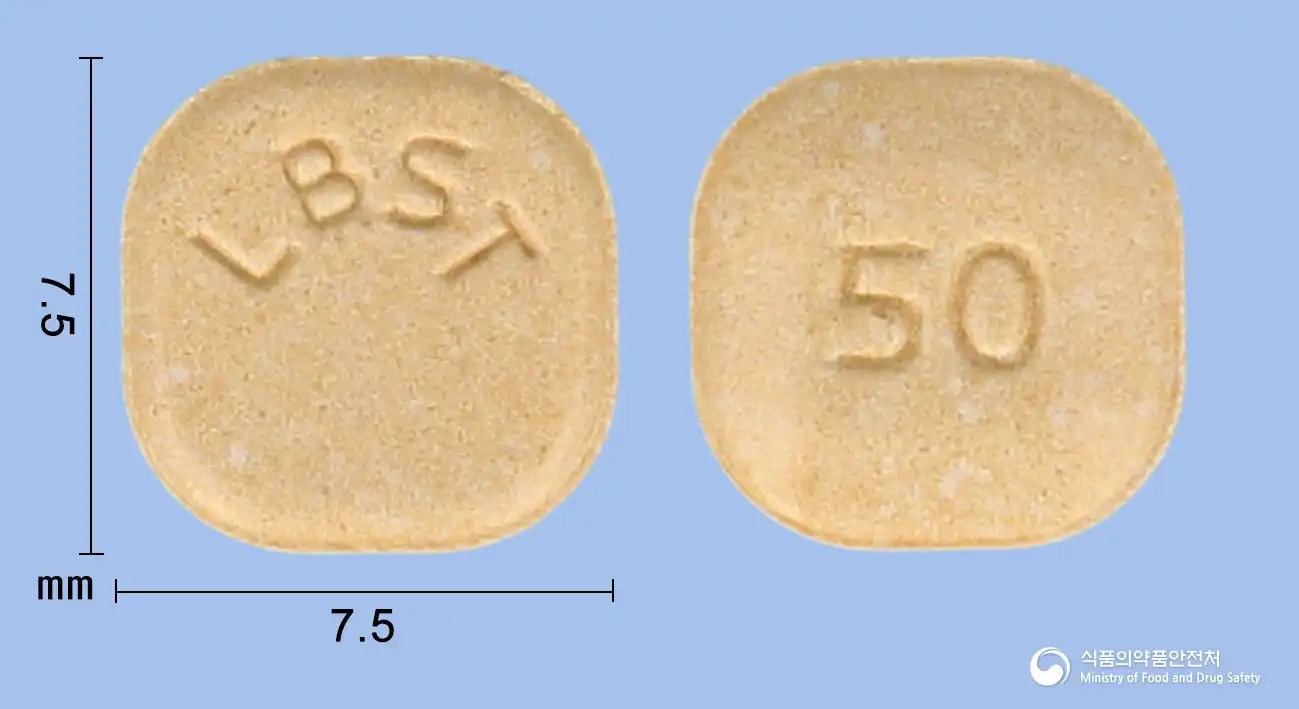
Lamotrigine 50mg
Tablet · Prescription medication
Hallym Pharmaceutical Co., Ltd.
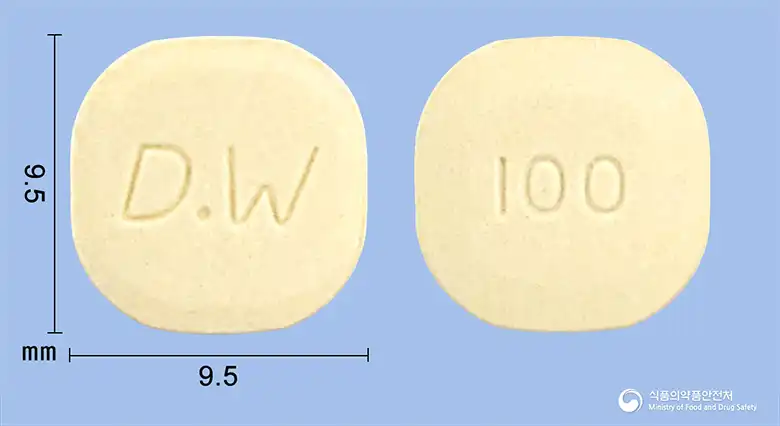
Lamotrigine 100mg
Tablet · Prescription medication
Daewoong Pharmaceutical Co., Ltd.
Even with the same ingredient, the dose and directions can differ by strength and dosage form. Talk to a doctor or pharmacist before switching from a medication you are already taking.
No questions yet.
For anything that needs medical judgment, consult a doctor or pharmacist.
This drug information is based on data provided by the Korea Ministry of Food and Drug Safety.
Consult a doctor or pharmacist for accurate dosage, administration, and usage instructions.