
 한국어
 English
 日本語
 中文(简体)
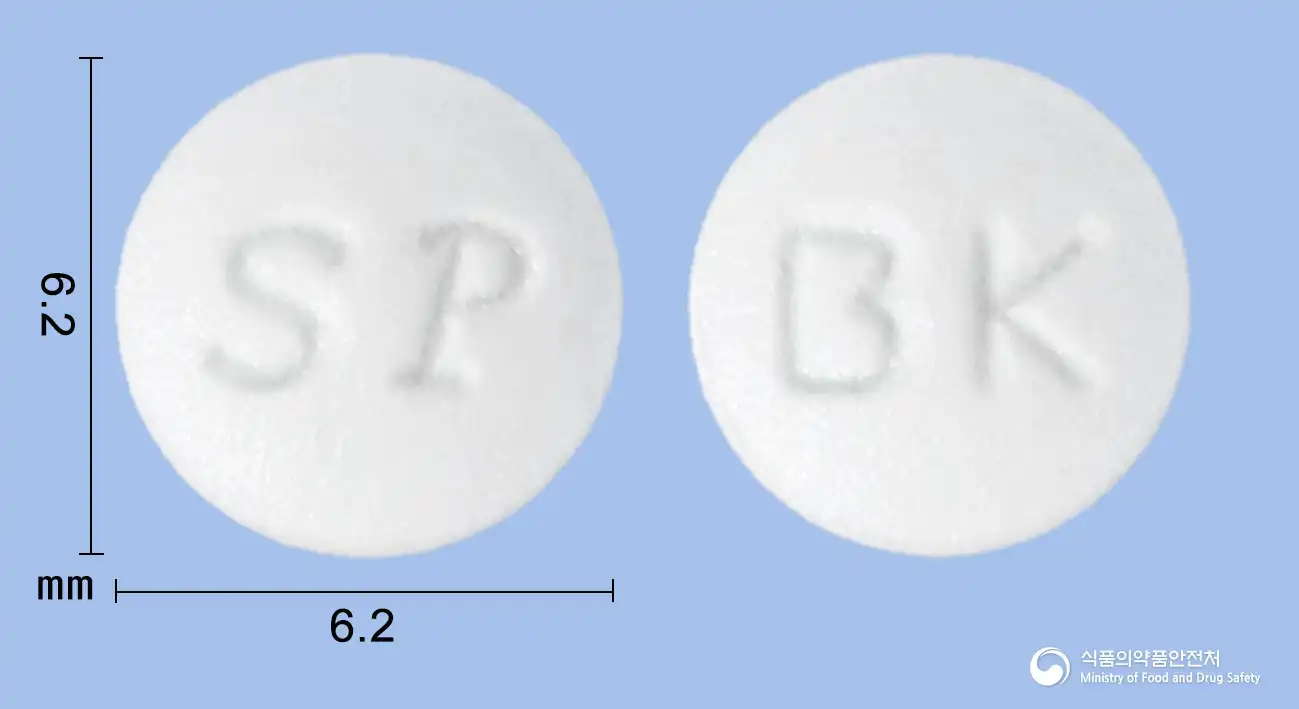 Viewing now
Veracle Tablet (Beraprost Sodium)
Beraprost Sodium 0.02mg
Tablet · Prescription medication
Shinpoong Pharmaceutical Co., Ltd.
MFDS item code 200600007 · Notified 2006.03.13 · Insurance code 648501260
Treatment of primary pulmonary hypertension; improvement of symptoms of chronic arterial occlusive disease (ulcers, pain, etc.)
This medication helps improve symptoms related to chronic arterial occlusion, such as ulcers, pain, and cold sensations associated with Buerger's disease, occlusive arterial sclerosis, and diabetic peripheral vascular disease. It is also used to treat primary pulmonary hypertension. It contributes to alleviating symptoms by ensuring smooth blood circulation and improving the quality of life for patients. This drug aids in the recovery of health by alleviating discomfort caused by peripheral vascular diseases and pulmonary hypertension.
Improvement of ulcers, pain, and coldness associated with chronic arterial occlusive disease (e.g., Buerger's disease, arteriosclerosis obliterans, diabetic peripheral angiopathy) Adults usually take beraprost sodium 0.12mg (6 tablets) per day orally after meals in 3 divided doses (2 tablets per dose). Primary pulmonary hypertension: 1) Adults usually initiate treatment with beraprost sodium 0.06mg (3 tablets) per day orally after meals in 3 divided doses (1 tablet per dose), then gradually increase the dose while carefully observing symptoms (adverse reactions). If the dose is increased, administer 3-4 times daily, up to a maximum dose of 0.18mg (9 tablets) per day. 2) Tolerance to the drug varies among patients. Therefore, initiate treatment with a small dose and, when increasing the dose, monitor the patient's condition closely. 3) Since this is an oral formulation, it may not be effective in patients with severe symptoms. If hemodynamic parameters and/or clinical symptoms do not improve sufficiently, provide appropriate treatment, such as switching to an injectable formulation or another therapy.
This medication should not be administered to patients with bleeding. Those at risk for bleeding, such as individuals with hemophilia or gastrointestinal bleeding, should be particularly cautious. Pregnant women or women who may become pregnant should not use this medication. Patients with certain genetic lactose intolerance should also not take this drug due to the lactose it contains. Patients taking anticoagulants, antiplatelet agents, thrombolytics, women during menstruation, patients with bleeding tendencies, and those with severely impaired kidney function should use this medication with caution. This drug may rarely cause severe side effects, including significant bleeding, shock, liver dysfunction, pneumonia, angina, and myocardial infarction; if any symptoms appear, administration should be stopped immediately, and medical attention should be sought. Various side effects such as headaches, nausea, diarrhea, skin rashes, and blood pressure drops may occur, so patients should be monitored closely. During treatment, consciousness disturbances may occur, so caution is advised when driving or operating dangerous machinery. When taking this drug alongside other anticoagulants or antihypertensives, the risk of bleeding or blood pressure drops may increase, so consultation with a physician is necessary. Pregnant or breastfeeding women should ideally avoid this medication, and if necessary to use it, breastfeeding should be discontinued. The safety of this drug in children has not been established, so it should be administered to children with caution. Elderly patients should be careful with dosage adjustments due to decreased bodily functions. This drug should be stored out of reach of children, and transferring it to another container could lead to accidents or degradation of quality, so caution is advised. When treating chronic arterial occlusion, using this drug at high doses may increase the frequency of side effects; caution is advised.
Not everyone experiences these, and they can vary from person to person.
This medication must be stored in a tightly sealed container to protect it from air or moisture. It is important to maintain a storage temperature between 1 and 30 degrees Celsius at room temperature. Proper storage will help retain the efficacy of the medication.
White to pale yellowish round film-coated tablets
30 tablets/bottle, 300 tablets/bottle
Even with the same ingredient, strength, dosage form and how it is taken can differ.
Viewing nowBeraprost Sodium 0.02mg
Tablet · Prescription medication
Shinpoong Pharmaceutical Co., Ltd.
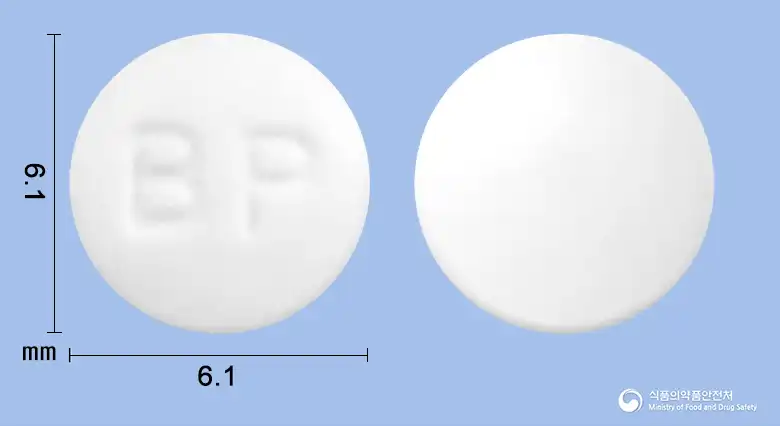
Beraprost Sodium 0.02mg
Tablet · Prescription medication
Chaeil Pharmaceutical Co., Ltd.
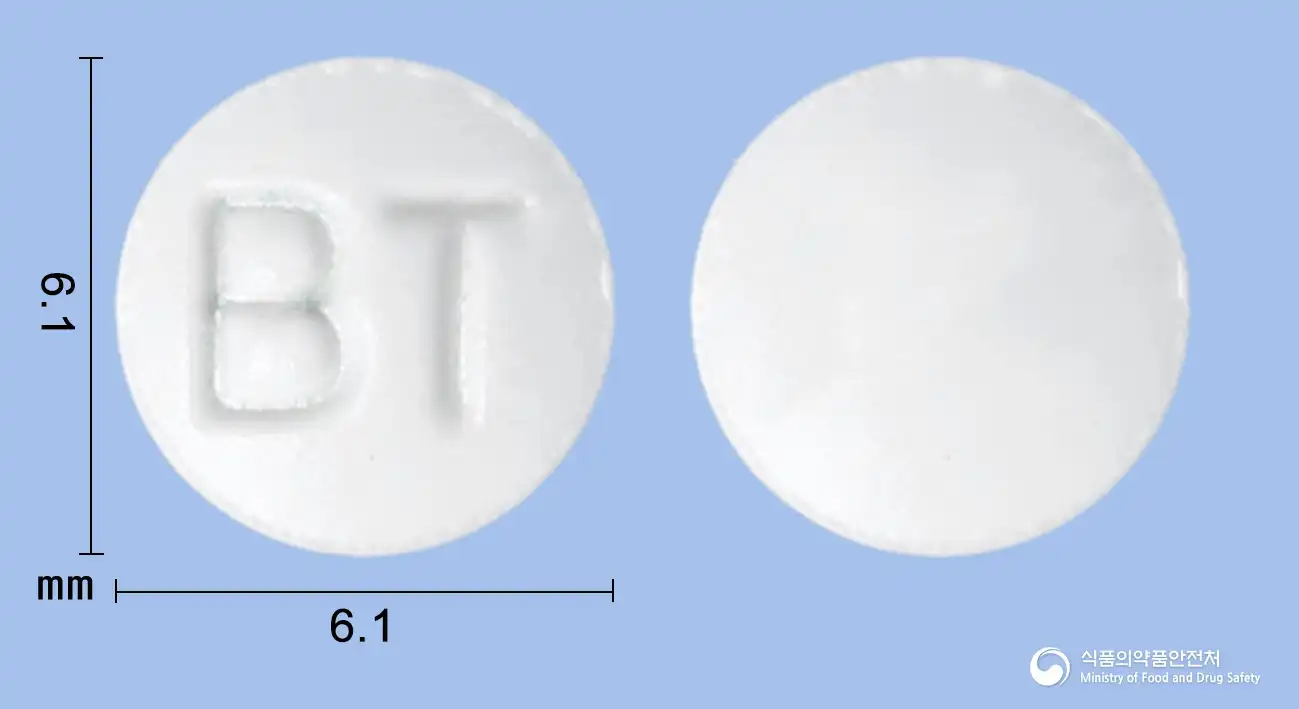
Beraprost Sodium 0.02mg
Tablet · Prescription medication
(Co., Ltd.) Green Cross
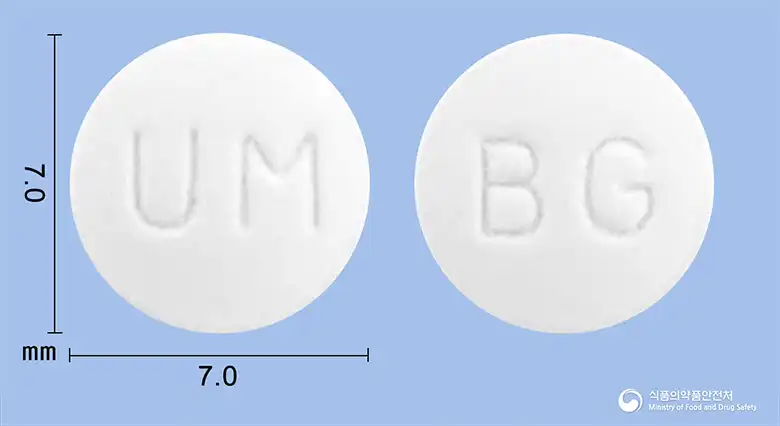
Beraprost Sodium 0.02mg
Tablet · Prescription medication
Unimed Pharmaceutical Co., Ltd.
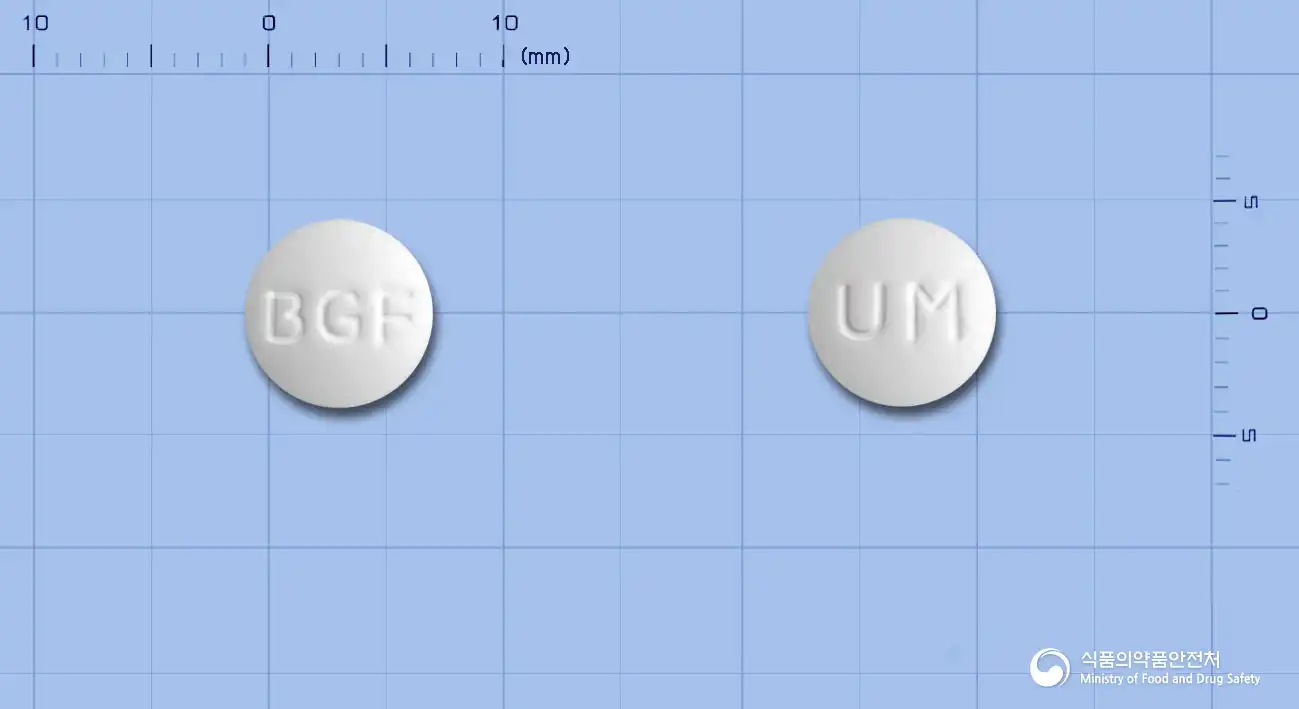
Beraprost Sodium 0.04mg
Tablet · Prescription medication
Unimed Pharmaceutical Co., Ltd.
Even with the same ingredient, the dose and directions can differ by strength and dosage form. Talk to a doctor or pharmacist before switching from a medication you are already taking.
No questions yet.
For anything that needs medical judgment, consult a doctor or pharmacist.
This drug information is based on data provided by the Korea Ministry of Food and Drug Safety.
Consult a doctor or pharmacist for accurate dosage, administration, and usage instructions.