
 한국어
 English
 日本語
 中文(简体)
Dosage form image
Viewing nowZyrep Capsule 20 Milligrams (Fluvastatin Sodium)
Fluvastatin Sodium
Prescription medication
Korea Sandos Co., Ltd.
MFDS item code 200511383 · Notified 2005.10.31
This product's status changed to Company closed on 2023.07.11. It may no longer be sold, so consult a doctor or pharmacist before taking it.
Improvement of hyperlipidemia in adults and children, inhibition of the progression of coronary atherosclerosis, prevention of recurrent cardiac events
This medication helps reduce the risk of cardiovascular diseases. It particularly slows the progression of coronary artery disease in patients with hypercholesterolemia not controlled by diet and prevents the recurrence of cardiac events in patients after procedures for coronary artery disease. Additionally, it lowers bad cholesterol and triglyceride levels while increasing good cholesterol levels in patients with primary hyperlipidemia and mixed dyslipidemia. This drug is also used to effectively control LDL cholesterol in children and adolescents with familial hypercholesterolemia. Overall, this medication is used for the prevention and management of hyperlipidemia and cardiovascular diseases.
1. Reduction of cardiovascular risk 1) Delaying the progression of coronary atherosclerosis In clinical trials in adult patients with primary hypercholesterolemia and coronary artery disease, administration of 40 mg of fluvastatin daily delayed the progression of coronary atherosclerosis. 2) Reducing the risk of recurrent cardiac events after percutaneous coronary intervention in adult patients with coronary artery disease For patients with coronary artery disease who have undergone percutaneous coronary intervention, the appropriate dose is 80 mg daily. 2. Hyperlipidemia The recommended initial dose is 20 ~ 40 mg of this medicine once daily in the evening. Most patients require 20 ~ 40 mg once daily; however, depending on baseline LDL cholesterol levels and the treatment target, the dose may be individually increased to 80 mg daily (fluvastatin extended-release tablets 80 mg once daily or fluvastatin immediate-release capsules 40 mg twice daily). The maximum daily dose is 80 mg. Fluvastatin extended-release tablets 80 mg may be taken at any time of day, at the same time each day, regardless of food intake. Swallow this medicine whole with water. The maximum lipid-lowering effect of this medicine occurs within 4 weeks of administration. The dose should be adjusted according to the patient's response, with dose adjustments made at intervals of 4 weeks or longer. The therapeutic effect of this medicine is maintained with continued administration. ○ Combination therapy: Immediate-release fluvastatin has an additive effect in lowering total cholesterol and LDL cholesterol when coadministered with a bile acid-binding resin (e.g., cholestyramine) or nicotinic acid. When this medicine is coadministered with cholestyramine or another bile acid-binding resin, it should be administered at bedtime and at least 4 hours after administration of the bile acid-binding resin to avoid significant interactions caused by binding of the medicine to the resin. Monitor closely because of the risk of myopathy. ○ Patients with renal impairment: This medicine is primarily metabolized in the liver, and 6 % or less of the administered dose is excreted in the urine; therefore, no dose adjustment is required in patients with mild to moderate renal impairment (creatinine clearance<30 mL/min). This medicine is contraindicated in patients with severe renal impairment (creatinine clearance<30 mL/min). ○ Patients with hepatic impairment: This medicine is contraindicated in patients with active liver disease, hepatic impairment, or unexplained but persistent elevations in serum aminotransferases. ○ Older adults No dose adjustment is required in older adults.
Pediatric and adolescent patients with heterozygous familial hypercholesterolemia (males: 9 years of age or older and 16 years of age or younger): The recommended starting dose is 20 mg of this drug. The maximum daily dose is equivalent to 40 mg capsules twice daily or an 80 mg extended-release tablet once daily. The dose should be adjusted at 6-week intervals. Pediatric and adolescent patients with heterozygous familial hypercholesterolemia (females: 10 years of age or older and 16 years of age or younger who have had menarche): The recommended starting dose is 20 mg of this drug. The maximum daily dose is equivalent to 40 mg capsules twice daily or an 80 mg extended-release tablet once daily. The dose should be adjusted at 6-week intervals. Before starting this drug, patients should have followed a standard cholesterol-lowering diet for 6 months, and the diet should be continued throughout treatment. The dose should be individualized according to the treatment goal. No studies have been conducted on the concomitant use of this drug with nicotinic acid, cholestyramine, or fibrates in pediatric and adolescent patients.
This drug may increase the risk of muscle problems; therefore, if symptoms such as muscle pain or weakness occur, the doctor must be notified immediately. If serious muscle damage is suspected, the use of this drug should be discontinued, and patients with conditions that may rapidly worsen renal function should temporarily stop taking this medication. This drug should not be used in patients with certain diseases or allergies to the drug, severe renal impairment, liver disease, or in women who are pregnant or breastfeeding. Patients with poor liver function or those with alcohol dependency must monitor liver function closely while using this medication, and patients at high risk of myopathy should check muscle enzyme levels before starting treatment. During the use of this medication, symptoms such as indigestion, headache, and insomnia may occur, and rarely skin rashes, liver function abnormalities, and muscle pain may develop. It is important to regularly perform liver function tests and muscle enzyme tests to detect any abnormalities early. This drug can interact with other medications, so patients must inform their doctor or pharmacist of all other medications they are taking. Special caution is advised when used concomitantly with certain antibiotics, immunosuppressants, anticoagulants, and antidiabetic agents. Women who are pregnant or may become pregnant should not take this medication, and nursing mothers should also avoid its use. Special precautions are required when administering to children or elderly patients, particularly those over 65 years old, as they have a higher risk of muscle problems. There are no specific antidotes for overdose, so appropriate treatment should be sought based on symptoms, and storage should be in a place out of reach of children.
muscle pain, arthritis, arthropathy, sinusitis, bronchitis, dyspepsia, diarrhea, abdominal pain, nausea, abdominal bloating, dental disorders, insomnia, urinary tract infection, headache, influenza-like symptoms, accidental injury, fatigue, allergy, thrombocytopenia, rash, urticaria, anaphylactic reaction, sensory disturbances related to hyperlipidemia, sensory abnormalities, sensory reduction, vasculitis, pancreatitis, hepatitis, other skin reactions (eczema, dermatitis, vesicular eruptions), facial edema, angioedema, muscle weakness, myopathy, myositis, rhabdomyolysis, erythema lupus-like reactions, sensory disturbances related to hyperlipidemia, sensory abnormalities, sensory reduction, vasculitis, pancreatitis, hepatitis, rash, urticaria, other skin reactions, facial edema, angioedema, muscle pain, muscle weakness, myopathy, myositis, rhabdomyolysis, erythema lupus-like reactions, elevated aminotransferase levels, elevated creatine kinase levels, sleep disorders, memory loss, depression, interstitial lung disease, sexual dysfunction, diabetes, immune-mediated necrotizing myopathy, thrombocytopenia, leukopenia, hemolytic anemia, arthritis, joint pain, weakness, photosensitive reaction, fever, chills, flushing, malaise, dyspnea, toxic epidermal necrolysis, mucocutaneous syndrome, pancreatitis, chronic active hepatitis, cholestatic jaundice, fatty changes in the liver, cirrhosis, fulminant hepatic necrosis, liver cancer, loss of appetite, vomiting, liver failure, hair loss, itching, progression of cataracts, oculomotor paralysis, erectile dysfunction, headache, insomnia, sensory disturbances related to hyperlipidemia, sensory abnormalities, sensory reduction, vasculitis, pancreatitis, hepatitis, rash, urticaria, other skin reactions, facial edema, angioedema, muscle pain, muscle weakness, myopathy, myositis, rhabdomyolysis, erythema lupus-like reactions, elevated aminotransferase levels, elevated creatine kinase levels, sleep disorders, memory loss, depression, interstitial lung disease, sexual dysfunction, diabetes, immune-mediated necrotizing myopathy, sweating, tinnitus, urinary dysfunction, myocardial infarction, esophageal ulcer, chest pain, mild dyspnea, weight gain
Not everyone experiences these, and they can vary from person to person.
This medication is sensitive to air and moisture, so it must be stored in a tightly closed container. A cool and dry place with a temperature below 25 degrees Celsius is suitable.
A hard capsule containing a grayish-yellow powder: upper part reddish brown, lower part light yellow.
28 capsules (7 capsules/PTP packaging x 4)
Even with the same ingredient, strength, dosage form and how it is taken can differ.
Fluvastatin Sodium
Prescription medication
Korea Sandos Co., Ltd.
Fluvastatin Sodium
Prescription medication
Korea Novartis Co., Ltd.
Fluvastatin Sodium
Prescription medication
Korea Novartis Co., Ltd.
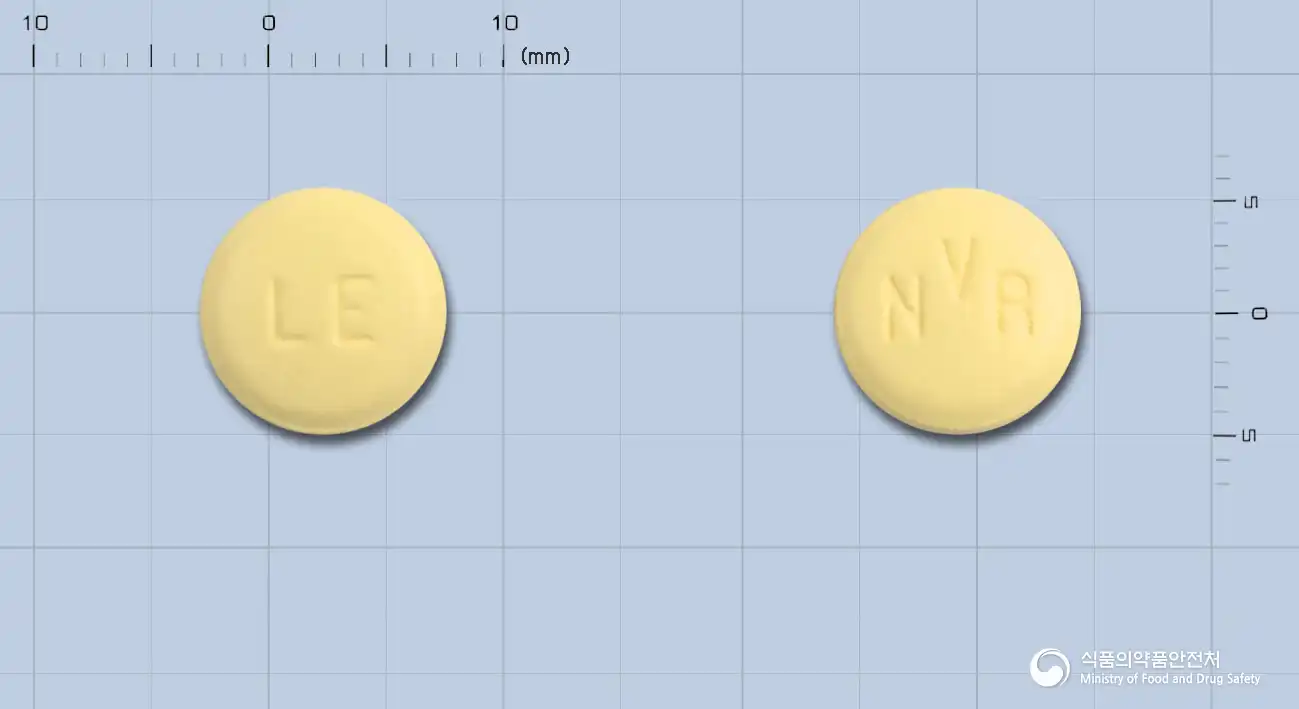
Fluvastatin Sodium 84.24mg
Tablet · Prescription medication
Novartis Korea Co., Ltd.
Fluvastatin Sodium
Prescription medication
Hanmi Pharmaceutical Co., Ltd.
Fluvastatin Sodium
Prescription medication
Korea Sandos Co., Ltd.
Even with the same ingredient, the dose and directions can differ by strength and dosage form. Talk to a doctor or pharmacist before switching from a medication you are already taking.
No questions yet.
For anything that needs medical judgment, consult a doctor or pharmacist.
This drug information is based on data provided by the Korea Ministry of Food and Drug Safety.
Consult a doctor or pharmacist for accurate dosage, administration, and usage instructions.