
 한국어
 English
 日本語
 中文(简体)
Dosage form image
Viewing nowProtopic Ointment 0.03% (Tacrolimus Hydrate)
Tacrolimus Hydrate 0.306mg
Ointment · Prescription medication
Leo Pharma Co., Ltd.
MFDS item code 200511278 · Notified 2005.05.31 · Insurance code 626700121,626700122
Treatment of flares of moderate to severe atopic dermatitis and prevention of flares with maintenance therapy
This medication is primarily used for patients with moderate to severe atopic dermatitis. The 0.03% formulation is used as a second-line treatment for pediatric patients aged 2 years to under 15 years who have not responded to or cannot tolerate existing therapies, helping to prevent redness and prolong periods without symptoms through maintenance therapy. The 0.1% formulation is applicable to adults and adolescents aged 16 years and older and is used similarly as a second-line treatment when existing therapies are inadequate. Additionally, for patients proven to have a therapeutic effect, it is used for maintenance therapy aimed at preventing redness and prolonging symptom-free periods. This medication is effectively used for symptom control and recurrence prevention of atopic dermatitis.
○ 0.03% 1) Treatment of flare-ups This medicine may be used for short-term treatment and intermittent long-term treatment. This medicine should not be used continuously for a long period. Treatment with this medicine should begin at the first appearance of signs and symptoms. Treat each affected area of skin with this medicine until the lesions resolve, nearly resolve, or become less severe. Restart treatment at the first sign of recurrence (flare-up). Adults and adolescents (16 years of age or older): Adults and adolescents (16 years of age or older) should start with the 0.1% product and apply it to affected areas twice daily until the lesions resolve. If symptoms recur, restart treatment with this medicine, the 0.1% product, twice daily. If the clinical condition allows, attempt to reduce the frequency of administration or use the lower-strength 0.03% product. Improvement generally begins within 1 week of starting treatment. If there are no signs of improvement after 2 weeks of treatment, consider other treatment options. ○ 0.1% 1) Treatment of flare-ups This medicine may be used for short-term treatment and intermittent long-term treatment. This medicine should not be used continuously for a long period. Treatment with this medicine should begin at the first appearance of signs and symptoms. Treat each affected area of skin with this medicine until the lesions resolve, nearly resolve, or become less severe. Restart treatment at the first sign of recurrence (flare-up). Adults and adolescents (16 years of age or older): Adults and adolescents (16 years of age or older) should start with the 0.1% product and apply it to affected areas twice daily until the lesions resolve. If symptoms recur, restart treatment with this medicine, the 0.1% product, twice daily. If the clinical condition allows, attempt to reduce the frequency of administration or use the lower-strength 0.03% product. Improvement generally begins within 1 week of starting treatment. If there are no signs of improvement after 2 weeks of treatment, consider other treatment options. 2) Maintenance therapy Adults and adolescents (16 years of age or older): Suitable for patients who responded to application twice daily for up to 6 weeks (lesions resolved, nearly resolved, or became less severe). To prevent progression to a flare-up, apply once daily on 2 days per week to areas commonly affected by atopic dermatitis. Applications should be 2-3 days apart (for example, every Monday and Thursday). If there are signs of recurrence of a flare-up, restart application twice daily. After 12 months of treatment, the physician should review the patient's condition and decide whether maintenance therapy should continue, given the lack of safety information on maintenance therapy beyond 12 months. ○ Method of application - Apply a thin layer of this medicine only to affected areas or areas where symptoms commonly occur. Use the minimum amount needed to control the patient's symptoms (an amount about the size of a pea squeezed from the tube is sufficient to cover an area approximately 5cm in diameter.). - Avoid occlusive therapy, which may promote systemic absorption. This medicine may be applied to any part of the body, including the face, neck, and flexural areas, except for mucous membranes.
Children 2 years of age or older (0.03% treatment of flare-ups): Children (2 years of age or older) should use only the lower-strength 0.03% product. Begin applying it to affected areas twice daily and treat for up to 3 weeks. Thereafter, reduce the frequency of application to once daily until the lesions resolve. Children under 2 years of age: This medicine should not be used in children under 2 years of age until further data are available. Children 2 to 15 years of age (0.03% maintenance therapy): Suitable for patients who responded to application twice daily for up to 6 weeks (lesions resolved, nearly resolved, or became less severe). To prevent progression to a flare-up, apply once daily on 2 days per week to areas commonly affected by atopic dermatitis. Applications should be 2-3 days apart (for example, every Monday and Thursday). If there are signs of recurrence of a flare-up, restart application twice daily. After 12 months of treatment, the physician should review the patient's condition and decide whether maintenance therapy should continue, given the lack of safety information on maintenance therapy beyond 12 months. Children under 2 years of age: This medicine should not be used in children under 2 years of age until further data are available.
This medication has not been clearly linked to malignant tumors with long-term use, but prolonged use should be avoided. This medication should only be used on areas affected by atopic dermatitis and should not be used in children under 2 years of age. Patients with weakened immune function should not use this medication. When using this medication, it should not be applied to areas with wounds or ulcers, and patients with severely compromised kidney function or high serum potassium levels should also avoid it. It is safer not to use this medication during pregnancy or if pregnancy is possible. Individuals who have had allergic reactions to this medication should avoid using it. Patients receiving ultraviolet therapy or having certain skin conditions should also avoid this medication. The area where the medication is applied should not be sealed with bandages or wraps, and hands should be washed thoroughly after application. Caution should be taken as bathing, showering, or swimming immediately after application may wash the medication away. Use of this medication may cause local symptoms such as tingling, itching, or burning, usually severe at first for a few days but gradually improving. It is advisable to avoid sun exposure or artificial ultraviolet light, and to protect the skin with loose clothing when going outdoors. This medication is not for oral use, so care should be taken to avoid swallowing it. Pregnant or breastfeeding individuals should consult a physician before use and carefully decide on the administration of the medication and the cessation of breastfeeding if nursing. Elderly individuals over 65 years can use this medication, but care should be taken regarding the occurrence of adverse reactions. This medication is for topical use only, and while systemic absorption is very low, patients with damaged skin barriers may have increased systemic absorption, so caution is needed. Consultation with a doctor or pharmacist is advisable when starting or changing other medications or skin treatments while using this medication. In case of overdose, immediate medical attention should be sought, and care should be taken to avoid oral ingestion of this medication. Store this medication away from direct sunlight, and avoid extreme heat or cold, keeping it in a place out of reach of children.
Skin irritation, itching, cold-like symptoms, allergic reactions, skin redness, headache, skin infections, fever, infection, increased cough, asthma, simple herpes, herpetic dermatitis, pharyngitis, trauma, pustular rash, folliculitis, rhinitis, otitis media, sinusitis, diarrhea, hives, lack of efficacy, bronchitis, vomiting, maculopapular rash, rash, abdominal pain, fungal skin infection, gastroenteritis, alcohol hypersensitivity, acne, sunburn, skin diseases, conjunctivitis, pain, vesicular rash, lymphadenopathy, nausea, skin pain, facial swelling, indigestion, dry skin, sensory hypersensitivity, benign skin tumors, back pain, peripheral edema, chickenpox/herpes zoster, contact dermatitis, weakness, pneumonia, eczema, insomnia, exfoliative dermatitis, menstrual irregularities, periodontal abscess, myalgia, cyst, soft tissue infection, worsening of untreated areas, procedural complications, hypertension, dental diseases, arthralgia, depression, sensory disturbances, hair loss, urinary tract infections, earache, seizures, lymphoma, basal cell carcinoma, squamous cell carcinoma, malignant melanoma, bullous impetigo, osteomyelitis, sepsis, ocular herpes, renal impairment, acute renal failure, injection site, site swelling, skin T-cell lymphoma, skin cancer, skin burning sensation, prickling sensation, pain, skin itching, acne, edema, follicle infection, headache, increased skin sensitivity to hot or cold temperatures, cold-like symptoms, skin tingling and soreness, upper abdominal discomfort, herpes, myalgia, skin or face turning red and feeling hot, impetigo, infection at the site of administration, nasopharyngitis
Not everyone experiences these, and they can vary from person to person.
This medication may be sensitive to air or moisture, so it should be stored in a tightly sealed container. It is also advisable to avoid very hot or very cold places and to store it at a normal room temperature.
White to off-white ointment
10g/tube 30g/tube
Even with the same ingredient, strength, dosage form and how it is taken can differ.
Tacrolimus Hydrate 0.306mg
Ointment · Prescription medication
Leo Pharma Co., Ltd.
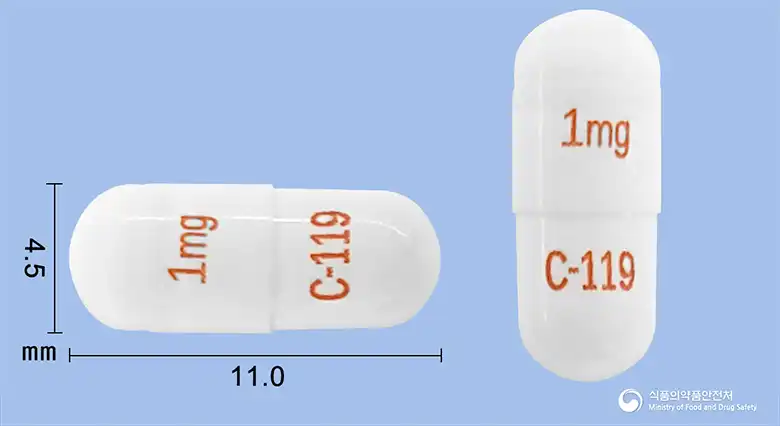
Tacrolimus Hydrate 1.02mg
Hard capsule · Prescription medication
Chongkundang Corporation
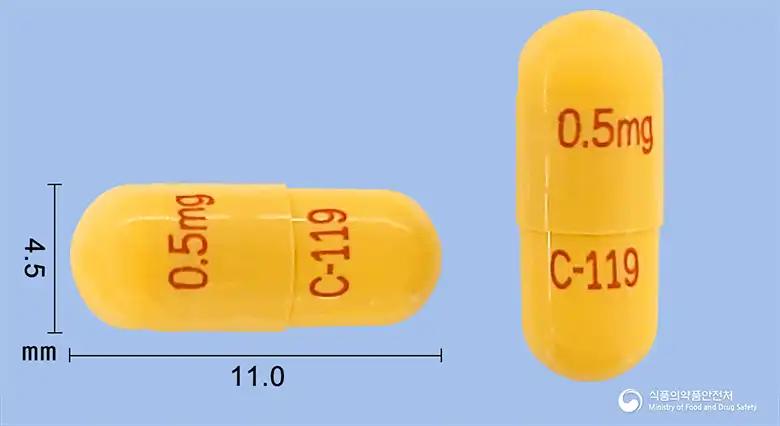 Combination
Tacrolimus Hydrate 0.51mg · Tacrolimus Hydrate 0.51mg
Hard capsule · Prescription medication · Combination
Chongkundang Corporation
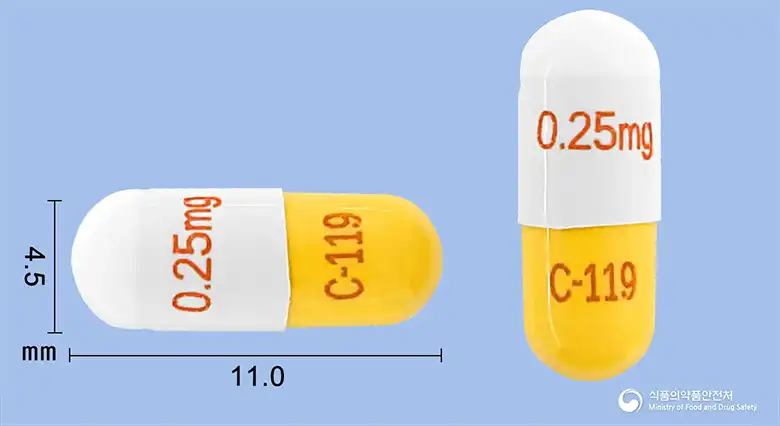
Tacrolimus Hydrate 0.255mg
Hard capsule · Prescription medication
Chongkundang Corporation
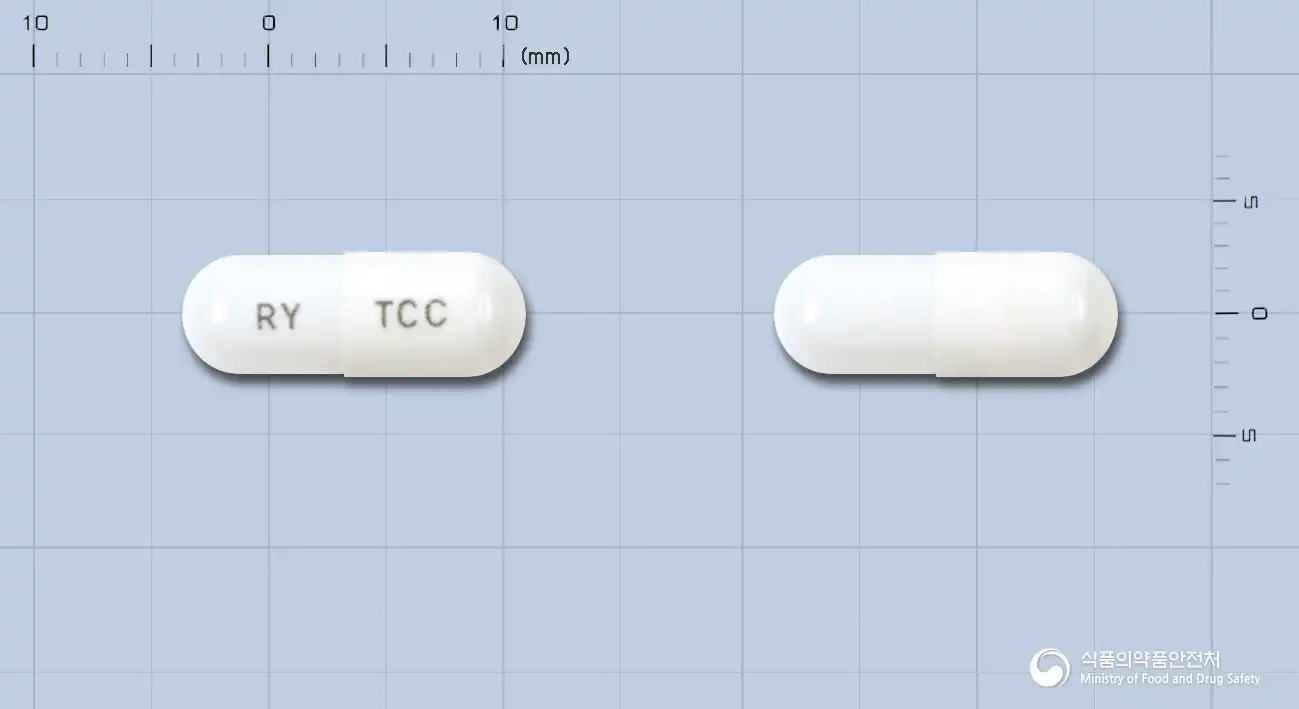
Tacrolimus Hydrate 1.02mg
Hard capsule · Prescription medication
Ilyun Pharmaceutical Co., Ltd.
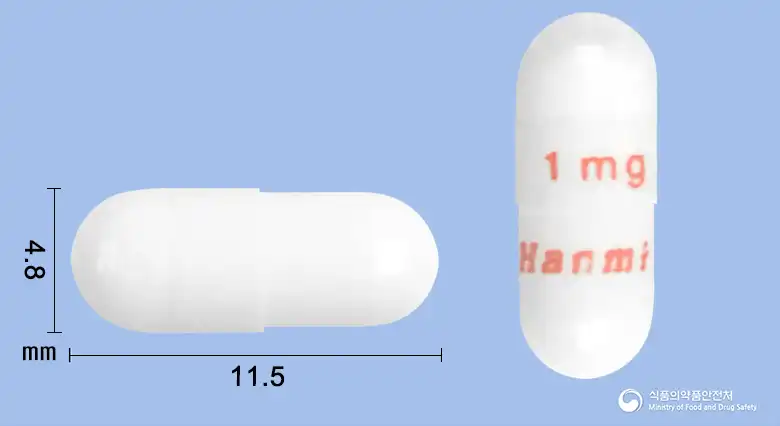
Tacrolimus Hydrate 1.02mg
Hard capsule · Prescription medication
Hanmi Pharmaceutical Co., Ltd.
Tacrolimus Hydrate 5.1mg
Prescription medication
Korea Astellas Pharma Co., Ltd.
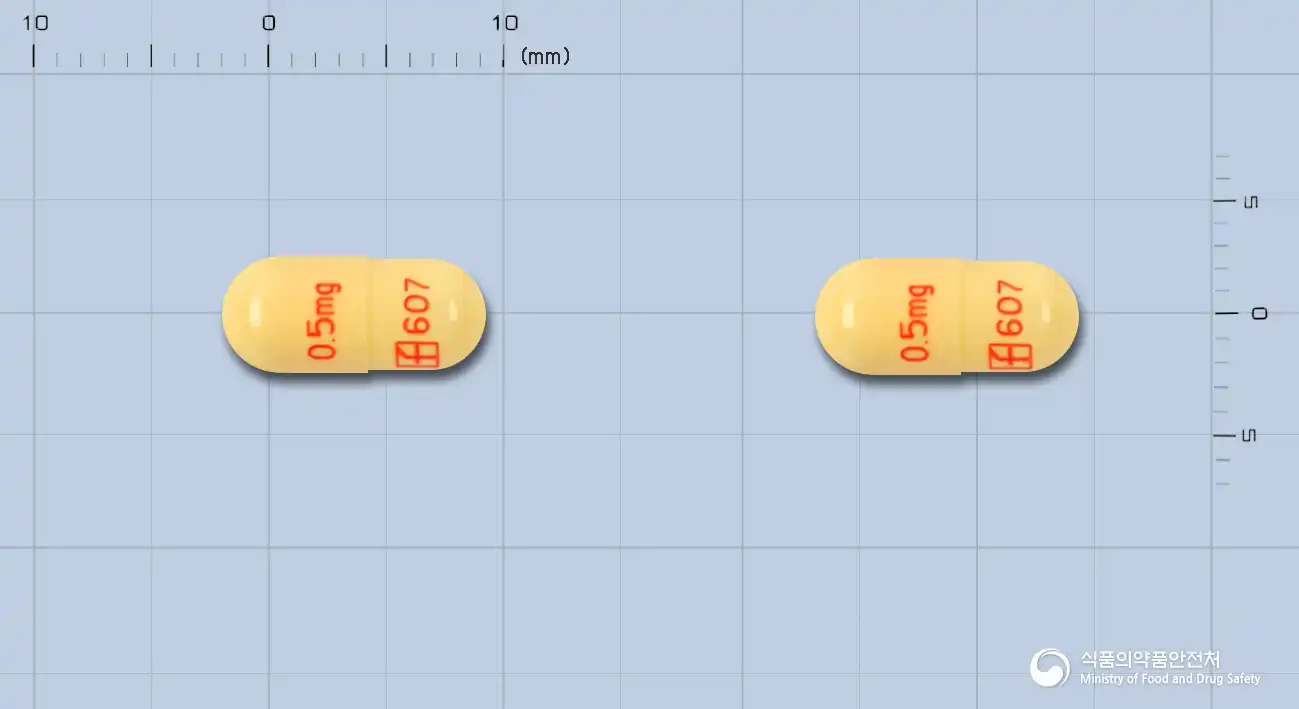
Tacrolimus Hydrate 0.51mg
Hard capsule · Prescription medication
Korea Astellas Pharma Co., Ltd.
Even with the same ingredient, the dose and directions can differ by strength and dosage form. Talk to a doctor or pharmacist before switching from a medication you are already taking.
No questions yet.
For anything that needs medical judgment, consult a doctor or pharmacist.
This drug information is based on data provided by the Korea Ministry of Food and Drug Safety.
Consult a doctor or pharmacist for accurate dosage, administration, and usage instructions.