
 한국어
 English
 日本語
 中文(简体)
Dosage form image
Viewing nowPK Melz Infusion Injection (Amantadine Sulfate)
Amantadine Sulfate 0.4mg
Injections · Prescription medication
Hanwha Pharmaceutical Co., Ltd.
MFDS item code 200510972 · Notified 2005.08.24 · Insurance code 651600771
Initial and short-term treatment of akinetic attacks during acute exacerbations of Parkinsonian syndrome
This medicine is used for the initial treatment of akinesia that occurs during acute exacerbations of Parkinson's syndrome. It helps quickly alleviate symptoms and improve movement disorders in patients. Additionally, through short-term treatment, it stabilizes the patient's condition, enhancing the quality of daily life. This drug is useful for treating akinesia during acute exacerbations of Parkinson's syndrome.
Adults: Infuse 500 mL per dose (equivalent to 200 mg of amantadine sulfate) intravenously 1 ∼ 2 times daily. Administer the intravenous infusion over 3 hours (do not exceed 55 drops/minute). Abrupt discontinuation may cause withdrawal effects, including worsening of extrapyramidal symptoms leading to akinetic seizures and delirium. Patients with renal impairment Dose reductions in patients with impaired renal function should be individualized based on creatinine clearance. Creatinine clearance (Clcr), mL/min 80 ∼ 60: Amantadine sulfate dose 100 mg, dosing interval every 12 hours Creatinine clearance (Clcr), mL/min 60 ∼ 50: Amantadine sulfate dose 200 mg and 100 mg, dosing interval every other day Creatinine clearance (Clcr), mL/min 50 ∼ 30: Amantadine sulfate dose 100 mg, dosing interval once daily Creatinine clearance (Clcr), mL/min 30 ∼ 20: Amantadine sulfate dose 200 mg, dosing interval twice weekly Creatinine clearance (Clcr), mL/min 20 ∼ 10: Amantadine sulfate dose 100 mg, dosing interval 3 times weekly Creatinine clearance (Clcr), mL/min < 10 and hemodialysis: Amantadine sulfate dose 200 mg and 100 mg, dosing interval once weekly or every other week * : For women, multiply the result obtained from the above equation by 0.85. Only a small amount of this medicine is removed by hemodialysis. (approximately 5%)
This drug can affect heart function, so an electrocardiogram (ECG) must be recorded before and for a certain period after administration. Especially, if the QT interval related to heartbeats is abnormally prolonged, use of this drug should be discontinued. Patients at risk of electrolyte imbalance should regularly check electrolyte levels such as potassium and magnesium and supplement them when necessary. If symptoms such as palpitations, dizziness, or fainting occur, administration of this drug should be discontinued immediately and heart status should be examined. Patients using a pacemaker may have difficulty accurately measuring ECG, so the decision to administer should be made according to the physician's judgment. This drug is not recommended for the prevention and treatment of influenza virus A infections and care should be taken due to the risk of overdose. Patients with an allergy to amantadine, those with serious heart disease, severely impaired kidney function, patients with seizures, peptic ulcer patients, and pregnant or breastfeeding women should not use this drug. Careful use is required for patients with certain diseases or conditions such as benign prostatic hyperplasia, glaucoma, renal failure, mental confusion, history of seizures, cardiovascular diseases, liver dysfunction, hypotension, and the elderly, and regular monitoring under a physician's directive is necessary. This drug may cause various side effects such as anxiety, agitation, sleep disturbances, hallucinations, arrhythmias, edema, nausea, vision problems, etc. Therefore, any abnormal symptoms should be reported to healthcare professionals immediately. Caution is needed when driving or operating machinery, and the risk of side effects may increase when taken with alcohol. Sudden cessation of administration can exacerbate symptoms, so dosage should be gradually reduced. This drug should not be taken with other drugs that prolong the QT interval, and increased side effects may occur when used in combination with anticholinergics or specific anti-Parkinson drugs, so consultation with a physician is necessary. Pregnant or breastfeeding women should avoid using this drug, and if necessary, it should be used under strict medical supervision. Elderly patients are at higher risk of renal impairment, so dosage adjustment and monitoring of conditions are important. In cases of overdose, severe symptoms such as vomiting, coma, and seizures may occur, requiring immediate emergency treatment. Dialysis is not effective, so other treatment methods should be utilized. This drug can affect cardiac electrophysiology and may rarely cause arrhythmias, so patients with a history of heart disease should use it with greater caution.
Not everyone experiences these, and they can vary from person to person.
This drug may be sensitive to air or moisture, so it must be stored in a sealed container. The appropriate storage temperature is room temperature between 1 to 30 degrees Celsius, and it is advisable to avoid extremely hot or cold areas.
Colorless and transparent liquid injection in a colorless and transparent polyethylene plastic container.
500 mL/bottle (polyethylene bottle)
Even with the same ingredient, strength, dosage form and how it is taken can differ.
Amantadine Sulfate 0.4mg
Injections · Prescription medication
Hanwha Pharmaceutical Co., Ltd.
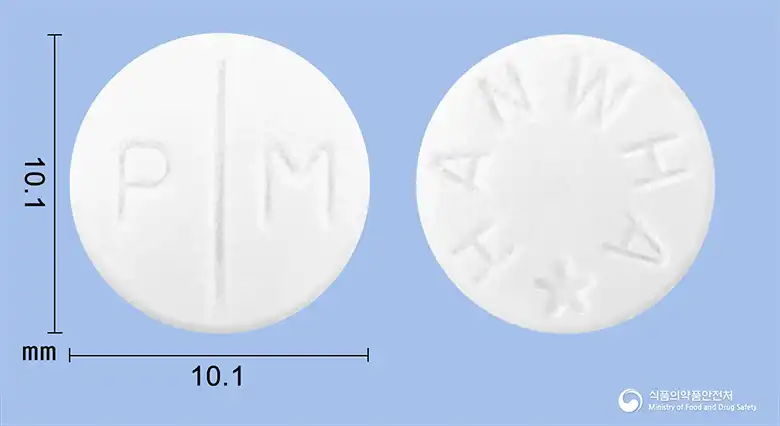
Amantadine Sulfate 100mg
Tablet · Prescription medication
Hanwha Pharmaceutical Co., Ltd.
Amantadine Sulfate 100mg
Tablet · Prescription medication
Korea Pharmaceutical Co., Ltd.
Even with the same ingredient, the dose and directions can differ by strength and dosage form. Talk to a doctor or pharmacist before switching from a medication you are already taking.
No questions yet.
For anything that needs medical judgment, consult a doctor or pharmacist.
This drug information is based on data provided by the Korea Ministry of Food and Drug Safety.
Consult a doctor or pharmacist for accurate dosage, administration, and usage instructions.