Medication info
Topiramate 100 mg Tablets

Topiramate 100 mg Tablets

Prescription medicationTabletOral
Ingredient · strength
Topiramate›100mg / 1 tablet
Manufacturer / importer
Hanmi Pharmaceutical Co., Ltd.
Appearance
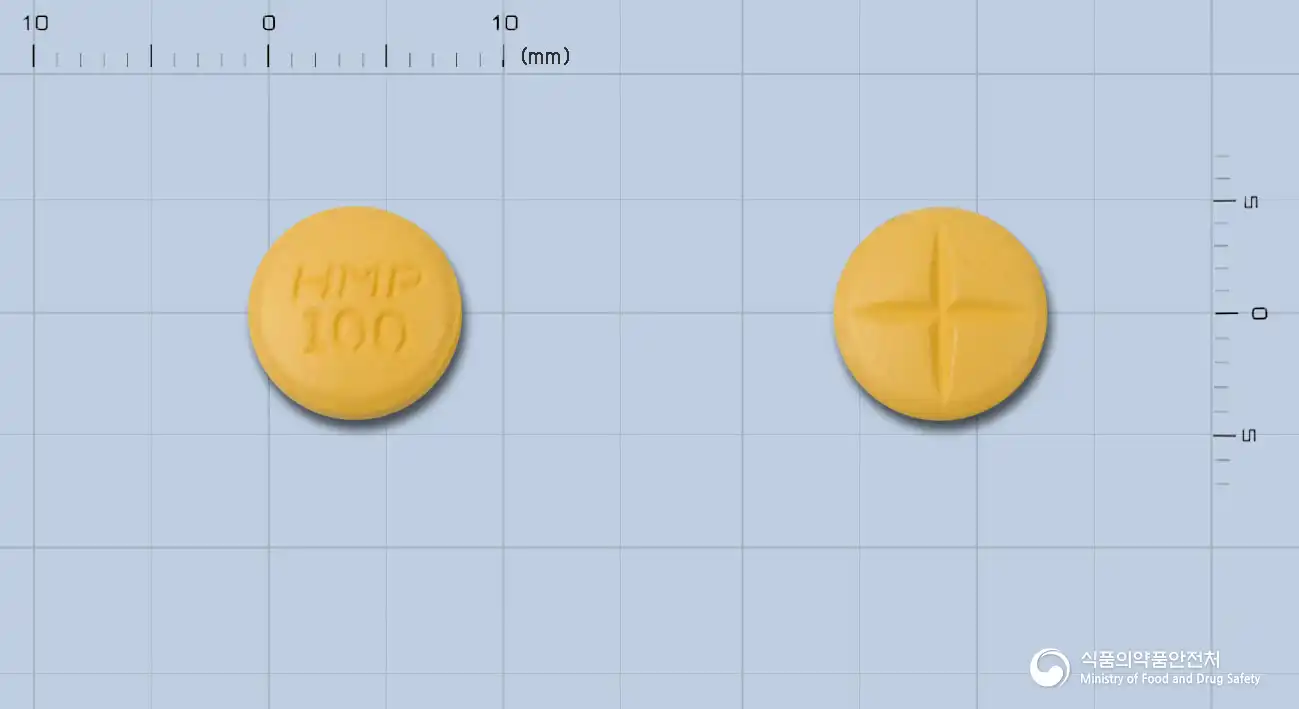
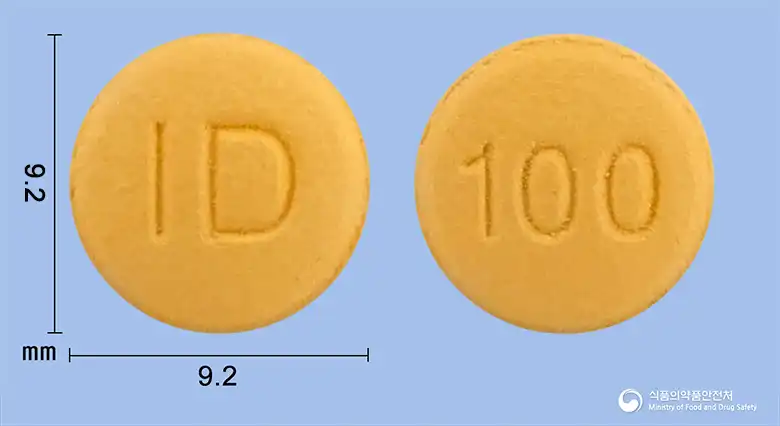
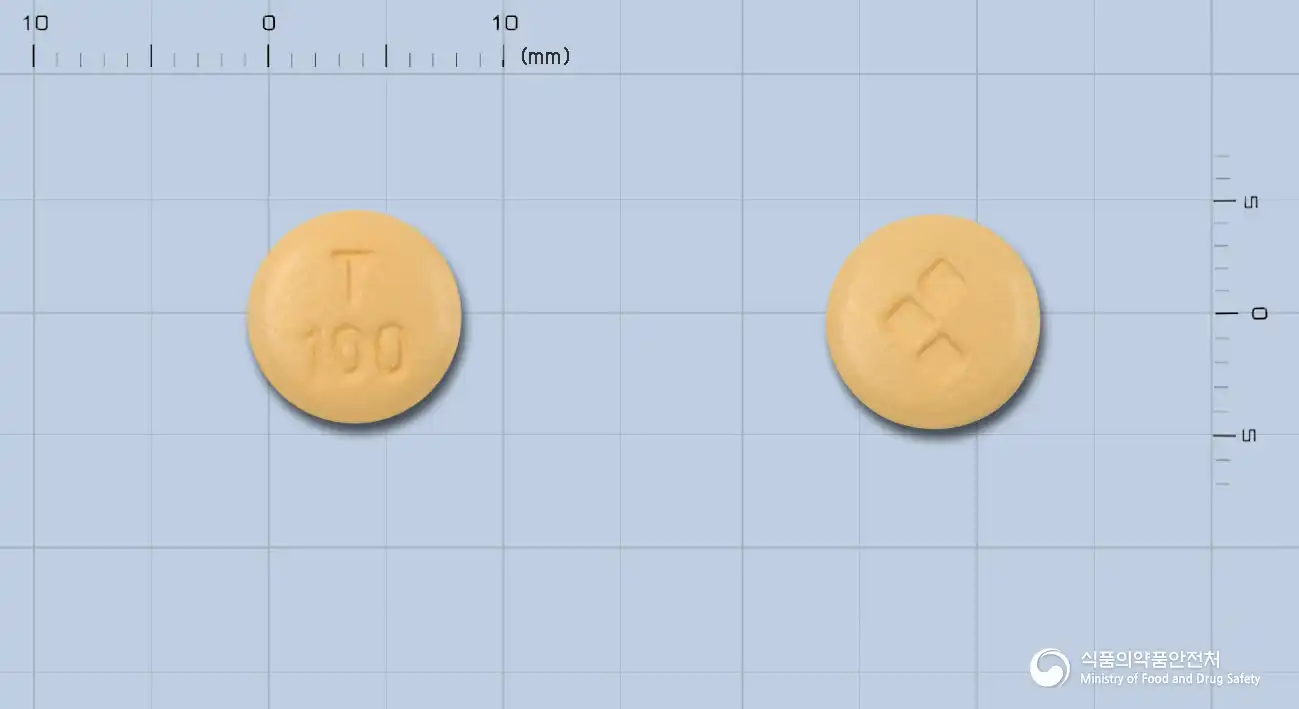
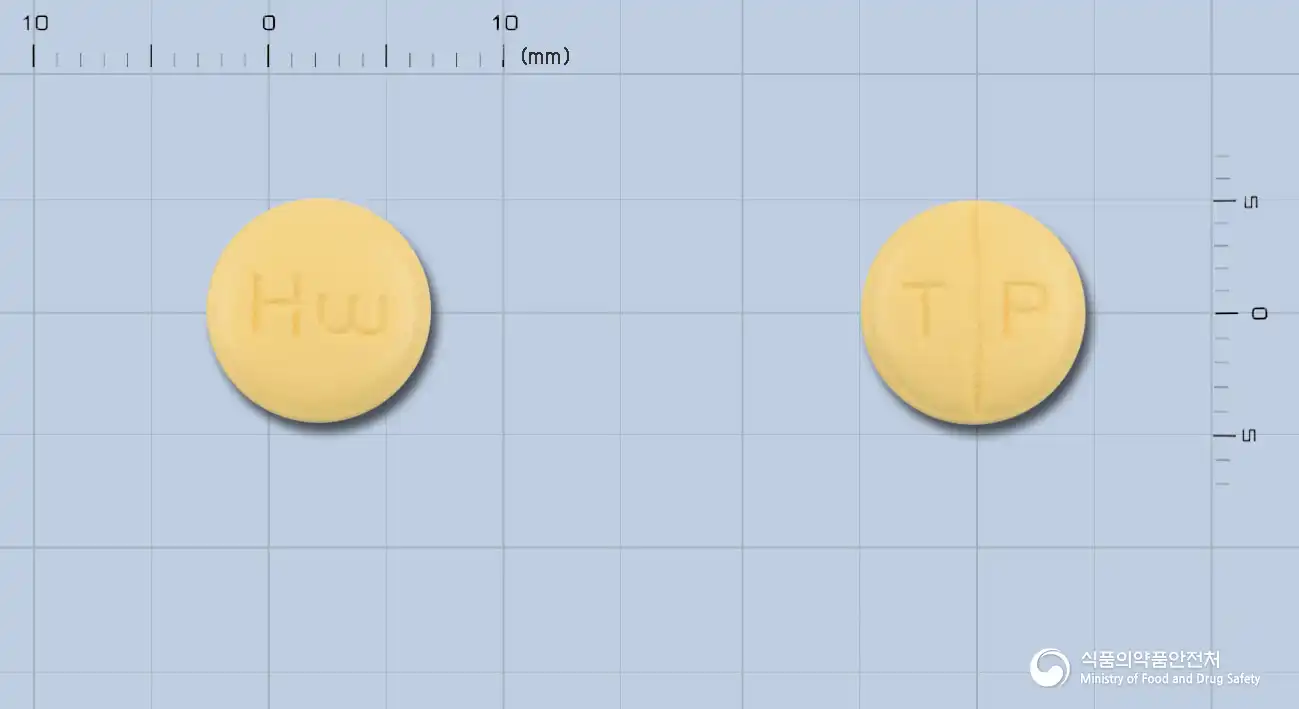
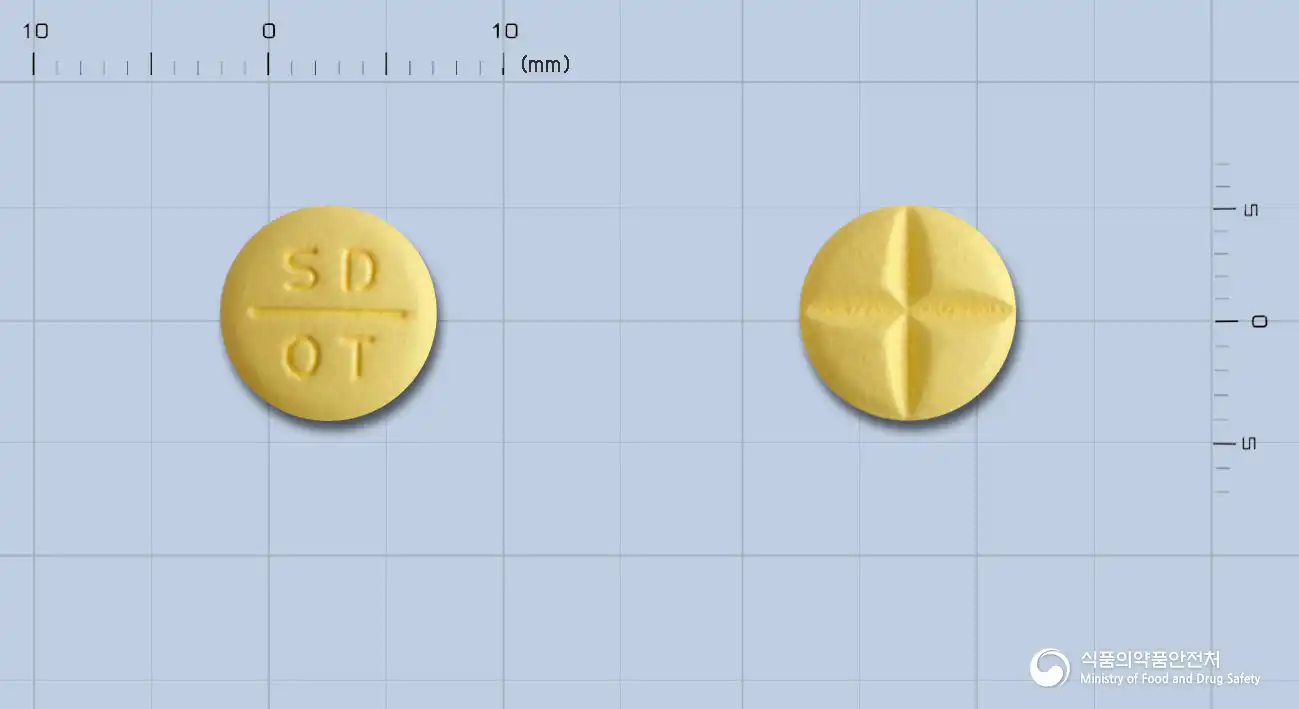
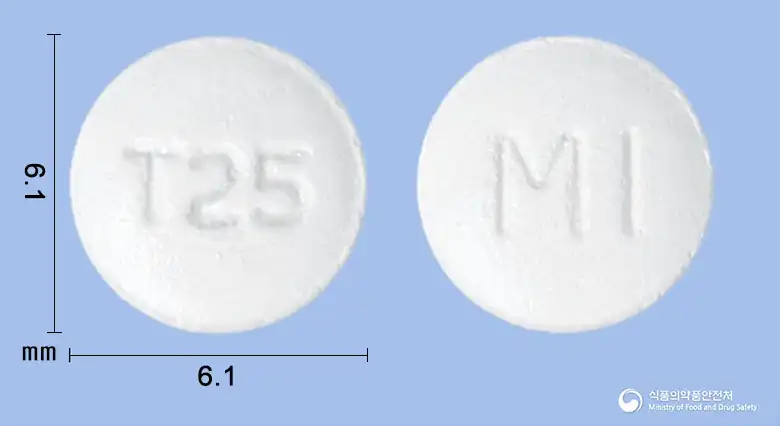
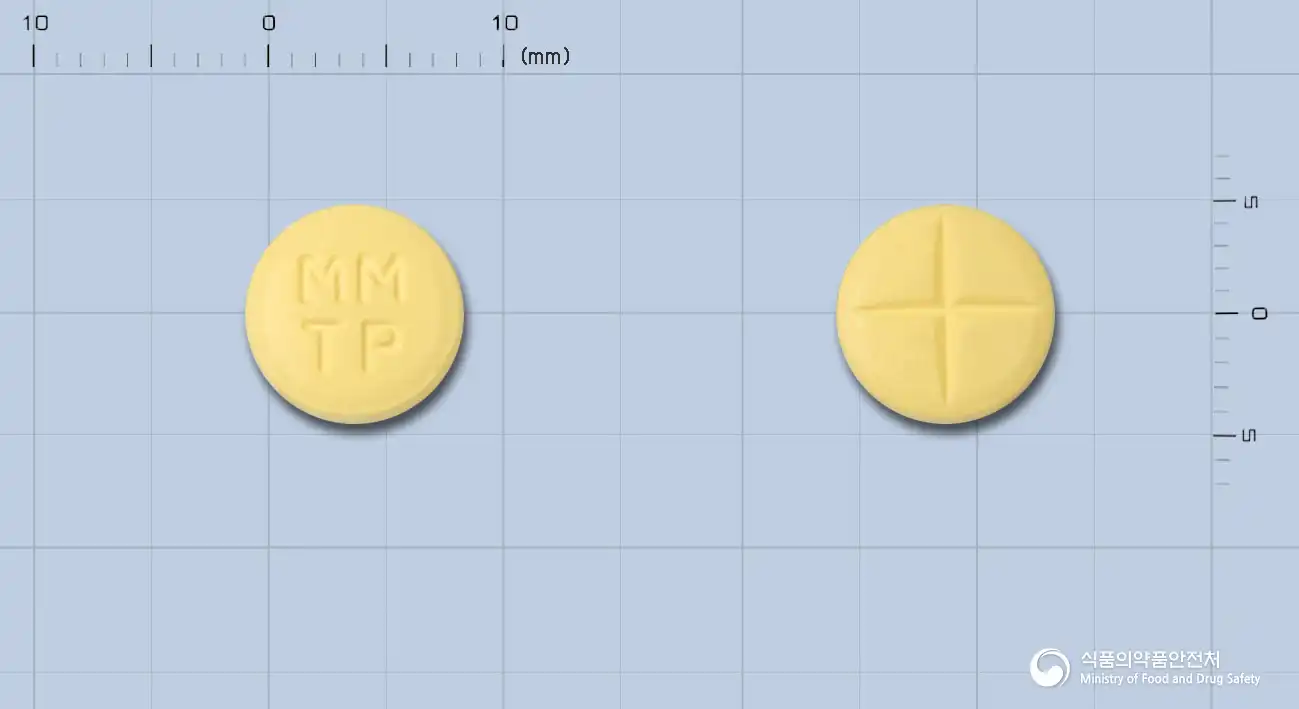
Yellow round film-coated tablets
Packaging
30 tablets/bottle, 300 tablets/bottle
Approval status
Active

MFDS item code 200502186 · Notified 2005.07.05 · Insurance code 643502960

Summary

Main use
Treatment of epileptic seizures and prevention of migraine
Who takes it
Adults · Children
Adult dose
It is preferable to start this medicine at a low dose and increase it to the effective dose. Monitoring of blood concentrations is not necessary to optimize treatment with this medicine. The recommended dose of this medicine applies to all adults and children, including the elderly, provided they do not have renal disease. This medicine may be administered with or without food. Swallow the tablets whole; do not crush them. Epilepsy monotherapy: When discontinuing other concomitant antiepileptic medicines in order to administer topiramate as monotherapy, consider the potential effect on seizure control. Unless other antiepileptic medicines must be discontinued immediately for safety reasons, gradually taper them by approximately 1/3 at 2-week intervals. When enzyme-inducing medicines are discontinued, topiramate concentrations may increase. If a clinically significant increase in topiramate concentration occurs, the dose of this medicine may need to be reduced. Epilepsy monotherapy in adults (17 years and older): Initiate treatment with 25㎎ in the evening for the first week. Thereafter, increase the dose by 25 or 50㎎ per day at 1-2 week intervals, administered in 2 divided doses. If the patient has difficulty tolerating this dose escalation, extend the interval between increases. The dose and rate of increase should be determined according to clinical response. The recommended dose for adult monotherapy is 100~200mg per day. The maximum recommended dose is 500㎎ per day. Some patients with recurrent epilepsy have tolerated topiramate monotherapy at doses up to 1,000㎎ per day. Epilepsy adjunctive therapy in adults (17 years and older): The minimum effective dose is 200mg per day, and the usual dose is 200-400mg per day in 2 divided doses. Depending on the patient, a maximum recommended dose of 800mg per day may be administered. Initiate treatment with 25-50mg in the evening for the first week; starting at a lower dose is also possible. Thereafter, increase the dose by 25-50mg at 1-2 week intervals, administered in 2 divided doses. If the patient has difficulty tolerating the increased dose, smaller increments may be used or the interval between increases may be extended. The dose should be determined according to clinical effect. Migraine prevention in adults: Initiate treatment with 25mg of this medicine in the evening for the first week. Thereafter, increase the dose by 25mg/day at 1-week intervals. If the patient has difficulty tolerating this dose escalation, extend the interval between increases. The recommended daily dose is 100mg, administered in 2 divided doses. Some patients may respond to a dose of 50mg per day. Doses up to 200mg per day may be administered; the dose and rate of increase should be determined according to clinical response. For patients with moderate or severe renal impairment (CLcr < 70 mL/min/1.73 m2), it is recommended that the initial and maintenance doses be reduced to approximately 1/2. Patients on hemodialysis: Since this medicine is removed from plasma by hemodialysis, increase the dose of this medicine by approximately 1/2 on dialysis days. Increase the dose taking into account the duration of dialysis, dialyzer clearance, and the patient's residual clearance, and administer it in divided doses at the beginning and end of hemodialysis. Use with caution in patients with hepatic impairment, as clearance of this medicine may be reduced.
Child dose
Epilepsy monotherapy in children (6-16 years): Initiate treatment with 0.5-1㎎/㎏ in the evening for the first week. Thereafter, increase the dose by 0.5-1㎎/㎏ per day at 1-2 week intervals, administered twice daily. If the patient has difficulty tolerating the increase, use smaller increments or extend the interval between increases. The dose and degree of increase should be determined according to clinical response. The recommended dose for monotherapy in children is 3-6mg/kg per day. Doses up to 500㎎ per day have been used in children diagnosed with partial seizures. Epilepsy adjunctive therapy in children (2-16 years): The recommended daily dose is approximately 5-9mg/kg, administered in 2 divided doses. Administer 25mg (or less, based on 1-3mg/kg per day) in the evening during the first week. Thereafter, increase the dose by 1-3mg/kg per day at 1-2 week intervals until an appropriate clinical effect is achieved, administered in 2 divided doses. Dose titration should be determined according to clinical effect. Doses up to 30mg/kg per day have been administered and were generally well tolerated.

Ingredients

Manufacturer
Hanmi Pharmaceutical Co., Ltd.

Efficacy & effects

Treatment of epileptic seizures and prevention of migraine

  • Secondary generalized seizures
  • partial seizures
  • seizures associated with Lennox-Gastaut syndrome
  • primary generalized tonic seizures
  • generalized tonic-clonic seizures
View approved original text

This medication is used to treat partial seizures and secondary generalized seizures occurring in children ages 6 and older and adults. It is effective in patients over 2 years old whose seizures are not controlled by other antiepileptic drugs and is also helpful for seizures associated with Lennox-Gastaut syndrome and primary generalized tonic-clonic seizures. Additionally, this drug is used for the prevention of migraines, contributing to the improvement of patients' symptoms. Because it is effective for various neurological seizures and migraine prevention, it helps alleviate symptoms and improve quality of life.

How to take

Adult dose

It is preferable to start this medicine at a low dose and increase it to the effective dose. Monitoring of blood concentrations is not necessary to optimize treatment with this medicine. The recommended dose of this medicine applies to all adults and children, including the elderly, provided they do not have renal disease. This medicine may be administered with or without food. Swallow the tablets whole; do not crush them. Epilepsy monotherapy: When discontinuing other concomitant antiepileptic medicines in order to administer topiramate as monotherapy, consider the potential effect on seizure control. Unless other antiepileptic medicines must be discontinued immediately for safety reasons, gradually taper them by approximately 1/3 at 2-week intervals. When enzyme-inducing medicines are discontinued, topiramate concentrations may increase. If a clinically significant increase in topiramate concentration occurs, the dose of this medicine may need to be reduced. Epilepsy monotherapy in adults (17 years and older): Initiate treatment with 25㎎ in the evening for the first week. Thereafter, increase the dose by 25 or 50㎎ per day at 1-2 week intervals, administered in 2 divided doses. If the patient has difficulty tolerating this dose escalation, extend the interval between increases. The dose and rate of increase should be determined according to clinical response. The recommended dose for adult monotherapy is 100~200mg per day. The maximum recommended dose is 500㎎ per day. Some patients with recurrent epilepsy have tolerated topiramate monotherapy at doses up to 1,000㎎ per day. Epilepsy adjunctive therapy in adults (17 years and older): The minimum effective dose is 200mg per day, and the usual dose is 200-400mg per day in 2 divided doses. Depending on the patient, a maximum recommended dose of 800mg per day may be administered. Initiate treatment with 25-50mg in the evening for the first week; starting at a lower dose is also possible. Thereafter, increase the dose by 25-50mg at 1-2 week intervals, administered in 2 divided doses. If the patient has difficulty tolerating the increased dose, smaller increments may be used or the interval between increases may be extended. The dose should be determined according to clinical effect. Migraine prevention in adults: Initiate treatment with 25mg of this medicine in the evening for the first week. Thereafter, increase the dose by 25mg/day at 1-week intervals. If the patient has difficulty tolerating this dose escalation, extend the interval between increases. The recommended daily dose is 100mg, administered in 2 divided doses. Some patients may respond to a dose of 50mg per day. Doses up to 200mg per day may be administered; the dose and rate of increase should be determined according to clinical response. For patients with moderate or severe renal impairment (CLcr < 70 mL/min/1.73 m2), it is recommended that the initial and maintenance doses be reduced to approximately 1/2. Patients on hemodialysis: Since this medicine is removed from plasma by hemodialysis, increase the dose of this medicine by approximately 1/2 on dialysis days. Increase the dose taking into account the duration of dialysis, dialyzer clearance, and the patient's residual clearance, and administer it in divided doses at the beginning and end of hemodialysis. Use with caution in patients with hepatic impairment, as clearance of this medicine may be reduced.

Child dose

Epilepsy monotherapy in children (6-16 years): Initiate treatment with 0.5-1㎎/㎏ in the evening for the first week. Thereafter, increase the dose by 0.5-1㎎/㎏ per day at 1-2 week intervals, administered twice daily. If the patient has difficulty tolerating the increase, use smaller increments or extend the interval between increases. The dose and degree of increase should be determined according to clinical response. The recommended dose for monotherapy in children is 3-6mg/kg per day. Doses up to 500㎎ per day have been used in children diagnosed with partial seizures. Epilepsy adjunctive therapy in children (2-16 years): The recommended daily dose is approximately 5-9mg/kg, administered in 2 divided doses. Administer 25mg (or less, based on 1-3mg/kg per day) in the evening during the first week. Thereafter, increase the dose by 1-3mg/kg per day at 1-2 week intervals until an appropriate clinical effect is achieved, administered in 2 divided doses. Dose titration should be determined according to clinical effect. Doses up to 30mg/kg per day have been administered and were generally well tolerated.

Precautions

This medication may increase the risk of suicidal thoughts or actions during treatment, so patients and caregivers should immediately inform healthcare professionals if such symptoms appear. Patients taking this medication may be at risk of sudden death and should exercise caution. Serious reactions may occur on the skin, so if symptoms such as rash or blisters appear, medication should be stopped immediately and healthcare providers consulted. Patients allergic to any ingredient of this drug or with certain genetic metabolic disorders should not take it. Women who are pregnant or planning to become pregnant must consult healthcare professionals before taking this medication and should use effective contraception while using it. Patients with kidney or liver function issues may need to adjust the dosage of this medication and should ensure adequate hydration to reduce the risk of kidney stones. This medication may affect the central nervous system, leading to symptoms like drowsiness, dizziness, and blurred vision, thus caution is needed when driving or operating machinery. Mental health status, including mood changes, depression, and anxiety, should be monitored periodically during therapy. Sudden withdrawal of this medication may lead to seizures; therefore, tapering off should be done gradually under the guidance of healthcare professionals. Interactions with other medications may occur, so all medications the patient is taking should be disclosed to healthcare providers, especially when combined with contraceptives, lithium, blood pressure medications, and diabetes medications. Taking this medication during pregnancy may cause fetal abnormalities or growth issues, hence pregnant women should carefully consider its use.

Side effects

  • Suicidal ideation
  • suicidal behavior
  • depression
  • abnormal changes in mood and behavior
  • sudden death
  • Stevens-Johnson syndrome
  • toxic epidermal necrolysis
  • perception abnormalities
  • ataxia
  • motor coordination disorder
Show 347 more
  • concentration disorder
  • attention disorder
  • confusion
  • dizziness
  • fatigue
  • tactile hallucination
  • drowsiness
  • thought disorder
  • agitation
  • emotional instability
  • loss of appetite
  • weakness
  • delirium
  • memory impairment
  • double vision
  • vertigo
  • speech impairment
  • word selection disorder
  • nausea
  • nystagmus
  • psychomotor retardation
  • tremors
  • visual disturbances
  • weight loss
  • gait disturbance
  • aggressive reactions
  • emotional blunting
  • perception abnormalities
  • harmony abnormalities
  • leukopenia
  • psychiatric symptoms
  • taste disturbance
  • kidney stones
  • thromboembolism
  • fatigue
  • weakness
  • back pain
  • chest pain
  • influenza-like symptoms
  • leg pain
  • allergy
  • flushing
  • body odor
  • edema
  • rigidity
  • confusion
  • lightheadedness
  • dyspepsia
  • abdominal pain
  • constipation
  • gastroenteritis
  • thirst
  • gastrointestinal disorders
  • gingivitis
  • auditory abnormalities
  • weight loss
  • myalgia
  • skeletal pain
  • nasal bleeding
  • purpura
  • ataxia
  • psychomotor retardation
  • neuroirritability
  • memory impairment
  • delirium
  • depression
  • concentration/attention disorders
  • agitation
  • mood disorders
  • aggressive reactions
  • perception abnormalities
  • decreased libido
  • emotional blunting
  • breast pain
  • amenorrhea
  • menorrhagia
  • menstrual irregularities
  • prostate disorders
  • infections
  • viral infections
  • candidiasis
  • rhinitis
  • pharyngitis
  • sinusitis
  • respiratory distress
  • erythematous rashes
  • skin disorders
  • increased sweating
  • taste disturbance
  • urinary tract infections
  • hematuria
  • urinary incontinence
  • frequent urination
  • urination abnormalities
  • double vision
  • visual disturbances
  • ocular pain
  • leukopenia
  • anemia
  • autonomic nervous system vasodilation
  • fever
  • syncope
  • halitosis
  • abdominal distension
  • alcohol intolerance
  • substernal chest pain
  • sudden death
  • hypertension
  • hypotension
  • orthostatic hypotension
  • tension headaches
  • erectile dysfunction
  • hallucinations
  • paranoia
  • psychosis
  • hypokinesia
  • grand mal seizures
  • hyperactivity
  • leg cramps
  • reflex abnormality
  • neurosis
  • migraines
  • akinesia
  • hypersensitivity
  • movement disorders
  • paradoxical reactions
  • voice disorders
  • scotoma
  • ptosis
  • dystonia
  • coma
  • encephalopathy
  • fecal incontinence
  • insomnia
  • personality disorders
  • decreased libido
  • manic reactions
  • suicide attempts
  • paranoid reactions
  • increased appetite
  • delusions
  • paranoia
  • delirium
  • abnormal dreams
  • EEG abnormalities
  • cerebellar syndrome
  • tongue paralysis
  • increased libido
  • goiter
  • thyroid disorders
  • diarrhea
  • vomiting
  • hemorrhoids
  • flatulence
  • gastroenteritis
  • gingival overgrowth
  • caries
  • stomatitis
  • dysphagia
  • melena
  • gastritis
  • increased salivation
  • hiccups
  • gastroesophageal reflux
  • tongue swelling
  • esophagitis
  • belching
  • tinnitus
  • otalgia
  • auditory hypersensitivity
  • angina pectoris
  • palpitations
  • AV block bradycardia
  • atrioventricular block
  • arrhythmia
  • atrial arrhythmia
  • atrial fibrillation
  • elevated SGPT
  • elevated SGOT
  • gallbladder disorders
  • elevated γ-GT
  • dehydration
  • weight gain
  • thirst
  • hypokalemia
  • increased alkaline phosphatase
  • hypocalcemia
  • hyperlipidemia
  • acidosis
  • hyperglycemia
  • elevated creatinine
  • hyperchloremia
  • dry eyes
  • diabetes
  • hypernatremia
  • serum folate abnormalities
  • hyponatremia
  • hypocholesterolemia
  • hypoglycemia
  • hypophosphatemia
  • arthralgia
  • muscle weakness
  • arthrosis
  • osteoporosis
  • basal cell tumor
  • anemia
  • gingival bleeding
  • thrombocytopenia
  • pulmonary embolism
  • lymphadenopathy
  • lymphadenomegaly
  • eosinophilia
  • lymphocytopenia
  • leukopenia
  • lymphocytosis
  • granulocytopenia
  • thrombocytosis
  • erythrocytosis
  • bone marrow suppression
  • pancytopenia
  • intermenstrual bleeding
  • leukorrhea
  • dysmenorrhea
  • vaginitis
  • amenorrhea
  • ejaculatory dysfunction
  • galactorrhea
  • cough
  • bronchitis
  • asthma
  • bronchospasm
  • laryngospasm
  • acne
  • urticaria
  • hair loss
  • dermatitis
  • nail disorders
  • folliculitis
  • dry skin
  • eczema
  • skin depigmentation
  • psoriasis
  • photosensitivity reactions
  • erythematous rashes
  • seborrheic dermatitis
  • decreased sweating
  • hair abnormalities
  • brown spots
  • taste disturbance
  • taste loss
  • parageusia
  • urinary difficulties
  • kidney stones
  • urinary tract infections
  • frequent urination
  • urinary incontinence
  • urinary retention
  • facial swelling
  • kidney pain
  • nocturia
  • albuminuria
  • polyuria
  • oliguria
  • flushing
  • venous thrombosis
  • phlebitis
  • vascular spasm
  • conjunctivitis
  • dysregulation
  • glare
  • watery eyes
  • strabismus
  • color blindness
  • myopia
  • mydriasis
  • cataracts
  • corneal turbidity
  • iritis
  • exacerbation of epilepsy
  • mental disorders
  • impaired comprehension
  • hyperammonemia
  • hyperammonemic encephalopathy
  • despair
  • abnormal sensations in the eyes
  • angle-closure glaucoma
  • conjunctival edema
  • ocular motility disorders
  • eyelid edema
  • maculopathy
  • myopia
  • cough
  • chest discomfort
  • polymorphic erythema
  • periocular edema
  • peripheral edema
  • joint swelling
  • limb discomfort
  • renal tubular acidosis
  • nephrocalcinosis
  • systemic edema
  • influenza-like illness
  • weight gain
  • night sweats
  • eye fatigue
  • headache
  • drowsiness
  • sedation
  • speech disorders
  • dystonia
  • bradycardia
  • sinus bradycardia
  • palpitations
  • flushing
  • facial flushing
  • orthostatic hypotension
  • Raynaud's phenomenon
  • voice disorders
  • exercise-induced dyspnea
  • nasal congestion
  • excessive sinus secretion
  • abdominal discomfort
  • lower abdominal pain
  • abdominal tenderness
  • epigastric discomfort
  • pancreatitis
  • excessive salivation
  • hyperesthesia
  • allergic dermatitis
  • maculopapular rash
  • skin discoloration
  • abnormal skin odor
  • facial swelling
  • urticaria
  • localized urticaria
  • flank pain
  • muscle fatigue
  • muscle weakness
  • musculoskeletal stiffness
  • ureteral stones
  • urinary stones
  • hematuria
  • urgency
  • abnormal sensations
  • high fever
  • fatigue
  • lethargy

Not everyone experiences these, and they can vary from person to person.

Storage

This medication is sensitive to air and moisture, so it should be stored in a tightly sealed container. It is also advisable to keep it in a cool, dry place below 25 degrees Celsius.

Appearance and packaging

Appearance

Yellow round film-coated tablets

Package unit

30 tablets/bottle, 300 tablets/bottle

Same-ingredient medicines

Even with the same ingredient, strength, dosage form and how it is taken can differ.

Even with the same ingredient, the dose and directions can differ by strength and dosage form. Talk to a doctor or pharmacist before switching from a medication you are already taking.

Questions about this medicine

No questions yet.

For anything that needs medical judgment, consult a doctor or pharmacist.

Related searches

Search tags

Suggested searches

This drug information is based on data provided by the Korea Ministry of Food and Drug Safety.
Consult a doctor or pharmacist for accurate dosage, administration, and usage instructions.