
 한국어
 English
 日本語
 中文(简体)
 Viewing now
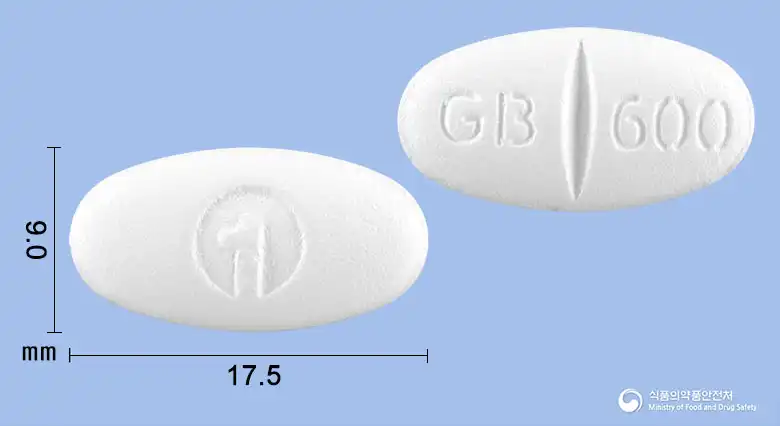
Gabatin 600 mg (Gabapentin)
Gabapentin 600mg
Tablet · Prescription medication
Korea Pharmaceutical Co., Ltd.
MFDS item code 200501879 · Notified 2005.03.31 · Insurance code 642800010
Treatment of epilepsy (partial seizures) and neuropathic pain
This medicine is used as a monotherapy or adjunctive treatment for simple or complex partial seizures in adolescents aged 13 years and older and adults, particularly when accompanied by secondary generalization. It is also effective in relieving neuropathic pain. Therefore, it is useful for the treatment of epilepsy and neuropathic pain.
(Tablets) For administration of the initial dose, 100 mg, 300 mg, and 400 mg capsules may be used. For administration of the maintenance dose, 600 mg and 800 mg tablets and 300 mg and 400 mg capsules may be used; 100 mg capsules may be used in patients requiring hemodialysis. There is no difference between the capsule and tablet dosage forms in their ability to produce a therapeutic effect. The dose should be determined by the physician based on each patient's individual tolerability and efficacy. 1. Epilepsy Monotherapy and adjunctive therapy in patients aged 13 years and older: This drug is effective at doses of 900~2,400 mg/day of gabapentin. The dose may be titrated relatively quickly to the initial maintenance dose, followed by further dose increases as needed. Initial dose: To achieve a maintenance dose of 900 mg/day of gabapentin, titrate the dose over the first 3 days of treatment as follows. - Day 1: Administer one 300 mg capsule of this drug once daily, or one 100 mg capsule of this drug 3 times daily (gabapentin 300 mg/day) - Day 2: Administer one 300 mg capsule of this drug 2 times daily, or two 100 mg capsules of this drug 3 times daily (gabapentin 600 mg/day) - From Day 3: Administer one 300 mg capsule of this drug 3 times daily, or three 100 mg capsules of this drug 3 times daily (gabapentin 900 mg/day) Maintenance dose: The initial efficacy of this drug can be assessed at doses of 900∼1,200 mg/day of gabapentin. If higher doses are required, administration of a 600 mg tablet 3 times daily for a gabapentin dose of 1,800 mg/day, or an 800 mg tablet 3 times daily for a gabapentin dose of 2,400 mg/day, is recommended. The total daily dose should not exceed 2,400 mg of gabapentin (there are insufficient data on the safety and efficacy of doses exceeding 2,400 mg/day of gabapentin). 2. Neuropathic pain Adults (18 years and older): To achieve a maintenance dose of 900 mg/day of gabapentin, titrate the dose over the first 3 days of treatment as follows. - Day 1: Administer one 300 mg capsule of this drug once daily, or one 100 mg capsule of this drug 3 times daily (gabapentin 300 mg/day) - Day 2: Administer one 300 mg capsule of this drug 2 times daily, or two 100 mg capsules of this drug 3 times daily (gabapentin 600 mg/day) - From Day 3: Administer one 300 mg capsule of this drug 3 times daily, or three 100 mg capsules of this drug 3 times daily (gabapentin 900 mg/day) Alternatively, one 300 mg capsule of this drug may be administered 3 times daily as the starting dose (gabapentin 900 mg/day). If needed, the dose may be increased to 1,800 mg/day of gabapentin within one week; the total daily dose should not exceed 3,600 mg of gabapentin. When administering this drug, the total daily dose should be divided into 3 doses. 4. Frail patients: In frail patients with low body weight or patients after transplantation, the dose of this drug should be increased in 100 mg increments. 5. Elderly patients: Dosage adjustment may be necessary due to age-related decline in renal function (see table). 6. Patients with renal impairment (creatinine clearance of 80 mL/min or less) or patients receiving hemodialysis Dosage adjustment is required based on the following table. 1) Dose for patients with renal impairment Renal function: Creatinine clearance (mL/min) Total daily dosea (mg/day) ≥80 900∼2,400 50∼79 600∼1,800 30∼49 300∼900 15∼29 150b∼600 <15 150b∼300 a: The total daily dose should be divided into 3 doses. b: Administer 3 × 100 mg every 2 days. In patients with creatinine clearance below 15 mL/min, the dose should be reduced in proportion to the creatinine clearance. 2) Dose for patients receiving hemodialysis Initial dose: 300∼400 mg of gabapentin is recommended. Maintenance dose: Administer 200∼300 mg of gabapentin after 4 hours of hemodialysis; do not administer this drug on days when hemodialysis is not performed. 7. Method and duration of administration 1) This drug should be swallowed whole with sufficient fluid and may be administered with or without food. When administered 3 times daily, care should be taken to ensure that the interval between doses does not exceed 12 hours, in order to prevent recurrence of seizures. 2) If a dose of this drug is missed (if more than 12 hours have elapsed since the last dose), the physician should determine whether an additional dose should be administered to make up for the missed dose. 3) When administered concomitantly with antacids containing magnesium or aluminum, this drug should be administered at least 2 hours after the antacid. This can substantially reduce the decrease in the bioavailability of this drug. 4) The duration of treatment with this drug should depend on clinical need. Long-term treatment is generally required for epilepsy. There is no evidence of a rebound phenomenon (an increase in the frequency of epileptic seizures due to abrupt discontinuation of treatment), but abrupt discontinuation of antiepileptic drugs in patients with epilepsy may cause status epilepticus. If treatment with this drug must be discontinued, or if it is to be used concomitantly with another antiepileptic drug, changes should be made gradually over at least 1 week. 5) In the treatment of neuropathic pain, the safety and efficacy of treatment for more than 5 months have not been evaluated. 6) To reduce the main adverse reactions, such as somnolence, dizziness, fatigue, and ataxia, the first dose on the first day of treatment should be administered at bedtime.
When used as adjunctive therapy in children aged 3 years to 12 years, the lower-strength 100 mg, 300 mg, or 400 mg capsules may be used instead of this medicine's high-strength tablet formulation.
This drug is used for the treatment of epilepsy and may increase the risk of suicidal thoughts or behaviors, so if mood changes or depressive symptoms occur during administration, you should immediately inform your healthcare provider. Abruptly stopping this drug may lead to more frequent seizures or a severe state of epilepsy, so the dosage should be gradually reduced according to a doctor's instructions when discontinuing use. Prolonged use may lead to weight gain, so it is advisable to regularly check your weight and, if necessary, incorporate diet and exercise. This drug can cause side effects such as drowsiness, dizziness, and ataxia, so it is safest to avoid driving or operating dangerous machinery after taking it. Concomitant use with central nervous system depressants or narcotic analgesics may cause respiratory suppression or severe sedation, so the dosage should be adjusted, and careful monitoring is required in such cases. Patients with impaired kidney function should have their dosage adjusted, and individuals with acute pancreatitis or hypersensitivity to this drug should not take it. Pregnant women, especially in the early stages, may affect the fetus, so women who are pregnant or planning to become pregnant must consult their physician, and caution should be taken during breastfeeding. If any allergic symptoms occur, such as skin rash, difficulty breathing, or swelling of the face or neck, discontinue the medication immediately and seek medical attention. It’s important to take this medication exactly as prescribed by your doctor, and to consult immediately if any unusual symptoms arise.
suicidal thoughts, suicidal behavior, depression, abnormal mood and behavior changes, persistent seizure status, hemorrhagic pancreatitis, deep sedation, respiratory depression, coma, abdominal pain, back pain, fatigue, fever, headache, viral infection, vasodilation, constipation, dental abnormalities, diarrhea, dyspepsia, increased appetite, thirst or dry mouth, nausea and vomiting, leukopenia, peripheral edema, weight gain, fractures, myalgia, amnesia, ataxia, confusion, impaired coordination, dizziness, dysarthria, emotional instability, insomnia, hyperreactivity, nystagmus, drowsiness, abnormal thinking, tremor, single muscle contraction, cough, pharyngitis, rhinitis, abrasion, acne, itching, rash, amblyopia, diplopia, erectile dysfunction, weakness, fatigue, facial edema, hypertension, bloating, loss of appetite, gingivitis, purpura, arthralgia, hyperactivity, increased reflex movements, decrease or absence, sensory abnormalities, anxiety, hostility, pneumonia, urinary tract infection, visual disturbances, gait abnormalities, confusion, sensory impairment, abnormal thinking, tremor, dizziness, dyspnea, hair loss, anaphylaxis, angioedema, hyperglycemia, hypoglycemia, gynecomastia, chest pain, toxic epidermal necrolysis, eosinophilia, drug rash with systemic symptoms, elevated liver function test values, erythema multiforme, falls, generalized edema, gynecomastia, hallucinations, hepatitis, hypersensitivity including systemic reactions, hyponatremia, jaundice, loss of consciousness, chorea, athetosis, motor disorders, dystonia, myotonic dystrophy, palpitations, pancreatitis, sexual dysfunction, mucocutaneous syndrome, thrombocytopenia, tinnitus, urinary incontinence, anxiety, insomnia, nausea, pain, sweating, tremor, headache, abnormal sensation, fatigue
Not everyone experiences these, and they can vary from person to person.
This medication should be stored in a tightly closed container to prevent exposure to air and moisture, and kept in a cool place below 25 degrees Celsius to maintain its effectiveness.
White oval film-coated tablet
30 tablets, 100 tablets / plastic bottle
Even with the same ingredient, strength, dosage form and how it is taken can differ.
Viewing nowGabapentin 600mg
Tablet · Prescription medication
Korea Pharmaceutical Co., Ltd.
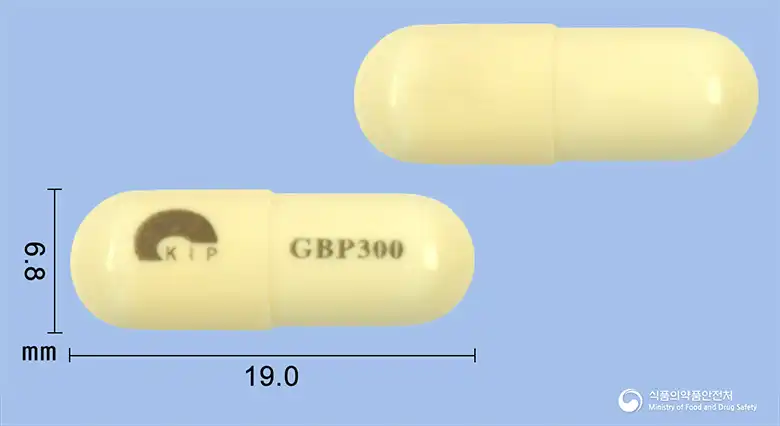
Gabapentin 300mg
Hard capsule · Prescription medication
Kunil Pharmaceutical Co., Ltd.
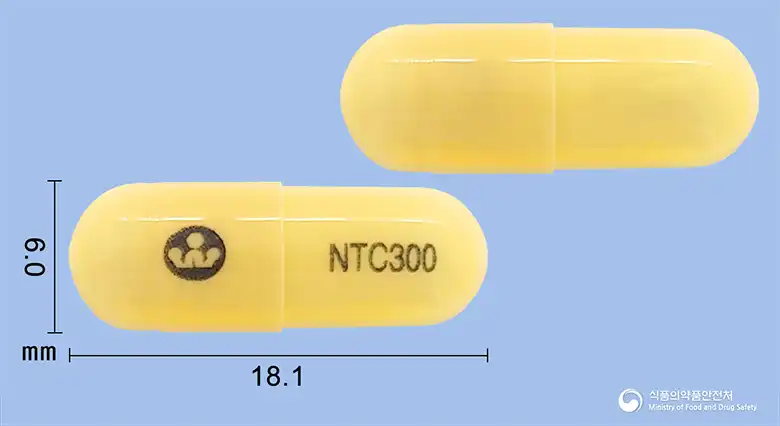
Gabapentin 300mg
Hard capsule · Prescription medication
Hanwin Pharmaceutical Co., Ltd.
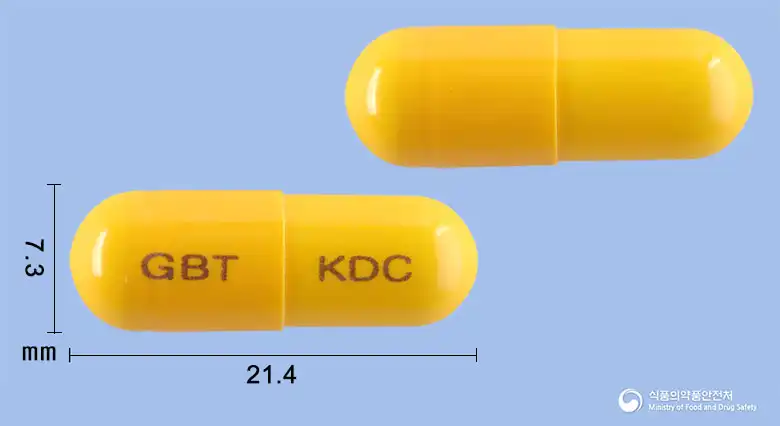
Gabapentin 400mg
Hard capsule · Prescription medication
Korea Pharmaceutical Co., Ltd.
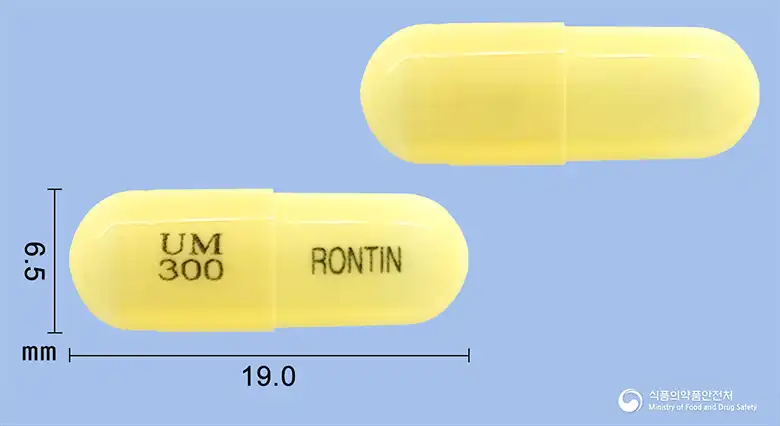
Gabapentin 300mg
Hard capsule · Prescription medication
Unimed Pharmaceuticals Co., Ltd.
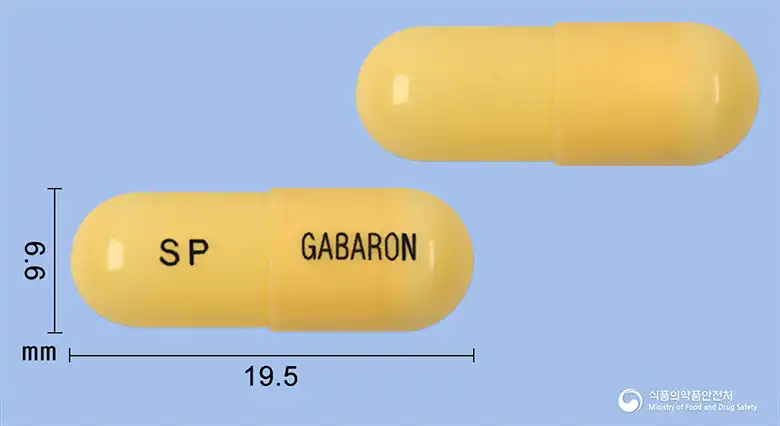
Gabapentin 300mg
Hard capsule · Prescription medication
Shinpoong Pharmaceutical Co., Ltd.
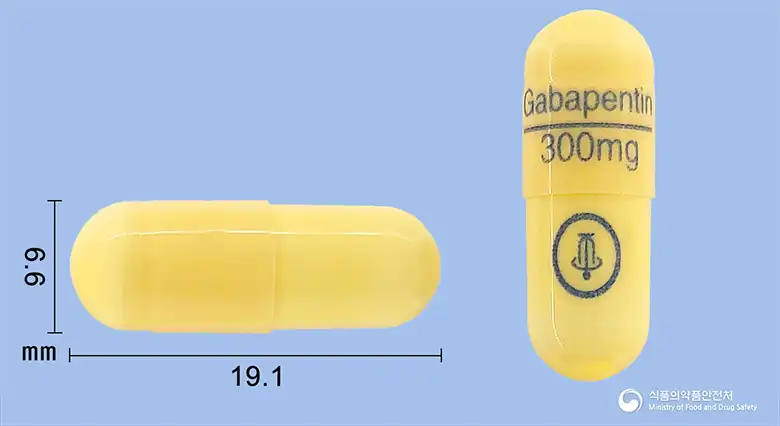
Gabapentin 300mg
Hard capsule · Prescription medication
Kwangdong Pharmaceutical Co., Ltd.
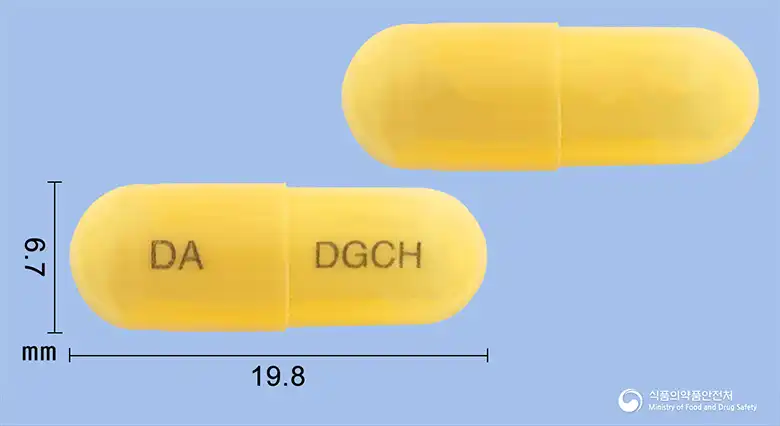
Gabapentin 300mg
Hard capsule · Prescription medication
Dong-A ST Co., Ltd.
Even with the same ingredient, the dose and directions can differ by strength and dosage form. Talk to a doctor or pharmacist before switching from a medication you are already taking.
No questions yet.
For anything that needs medical judgment, consult a doctor or pharmacist.
This drug information is based on data provided by the Korea Ministry of Food and Drug Safety.
Consult a doctor or pharmacist for accurate dosage, administration, and usage instructions.