
 한국어
 English
 日本語
 中文(简体)
 Viewing now
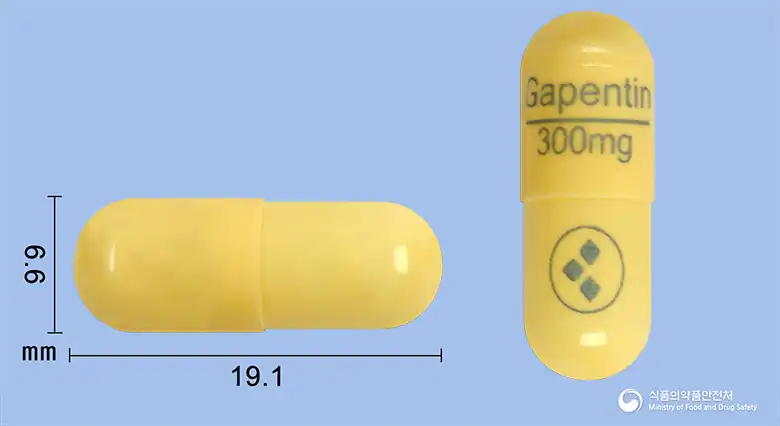
Gabapentin Capsule 300mg (Gabapentin)
Gabapentin 300mg
Hard capsule · Prescription medication
Myungjin Pharmaceutical Co., Ltd.
MFDS item code 200501160 · Notified 2005.03.05 · Insurance code 651900030
Relief of neuropathic pain; treatment of epilepsy (partial seizures)
This medication is used as monotherapy or adjunctive therapy for patients with epilepsy. It is particularly effective in treating various types of partial seizures occurring in adolescents aged 13 years and older and adults, and is also indicated for children aged 3 years and older. Additionally, it helps relieve neuropathic pain. Therefore, this drug is used for both seizures and neuropathic pain.
1. Epilepsy 1) Monotherapy and adjunctive therapy in patients aged 13 years and older To achieve a maintenance dose of 900 mg/day of gabapentin, titrate the dose during the first 3 days of treatment as follows: - Day 1: Administer one 300 mg capsule of this product once daily, or one 100 mg capsule of this product 3 times daily (gabapentin 300 mg/day) - Day 2: Administer one 300 mg capsule of this product twice daily, or two 100 mg capsules of this product 3 times daily (gabapentin 600 mg/day) - From Day 3 onward: Administer one 300 mg capsule of this product 3 times daily, or three 100 mg capsules of this product 3 times daily (gabapentin 900 mg/day) Alternatively, as an initial dose, one 300 mg capsule of this product may be administered 3 times daily (gabapentin 900 mg/day). The dose may be increased to 1,200 mg/day of gabapentin, and the total daily dose must not exceed 2,400 mg of gabapentin. (There are insufficient data on the safety and efficacy of doses exceeding 2,400 mg/day of gabapentin.) 2. Neuropathic pain Adults (18 years and older): To achieve a maintenance dose of 900 mg/day of gabapentin, titrate the dose during the first 3 days of treatment as follows: - Day 1: Administer one 300 mg capsule of this product once daily, or one 100 mg capsule of this product 3 times daily (gabapentin 300 mg/day) - Day 2: Administer one 300 mg capsule of this product twice daily, or two 100 mg capsules of this product 3 times daily (gabapentin 600 mg/day) - From Day 3 onward: Administer one 300 mg capsule of this product 3 times daily, or three 100 mg capsules of this product 3 times daily (gabapentin 900 mg/day) Alternatively, as an initial dose, one 300 mg capsule of this product may be administered 3 times daily (gabapentin 900 mg/day). If necessary, the dose may be increased to 1,800 mg/day of gabapentin within one week; the total daily dose must not exceed 3,600 mg of gabapentin. The total daily dose of this product should be divided into 3 doses. 3. Debilitated patients: In debilitated patients with low body weight or patients following transplantation, the gabapentin dose should be increased in increments of 100 mg. 4. Elderly patients: Dosage adjustment may be necessary due to age-related decline in renal function (see table). 5. Patients with renal impairment (creatinine clearance ≤80 mL/min) or patients receiving hemodialysis: Dosage adjustment is required based on the following table. 1) Dosage for patients with renal impairment: Renal function: creatinine clearance (mL/min) Total daily dosea (mg/day) ≥80 900∼2,400 50∼79 600∼1,800 30∼49 300∼900 15∼29 150b∼600 <15 150b∼300 a: The total daily dose should be divided into 3 doses. b: Administer 3 × 100 mg every 2 days. For patients with creatinine clearance below 15 mL/min, the dose should be reduced in proportion to creatinine clearance. 2) Dosage for patients receiving hemodialysis Initial dose: 300∼400 mg of gabapentin is recommended. Maintenance dose: Administer 200∼300 mg of gabapentin after 4 hours of hemodialysis. Do not administer this product on days when hemodialysis is not performed. 6. Method and duration of administration 1) This product should be swallowed whole with sufficient fluids and may be taken with or without food. When administered 3 times daily, care should be taken to ensure that the interval between doses does not exceed 12 hours in order to prevent recurrence of seizures. 2) If a dose of this product is missed (if more than 12 hours have elapsed since the last dose), whether an additional dose should be taken to make up for it should be determined by the physician. 3) When used concomitantly with antacids containing magnesium or aluminum, this product should be administered at least 2 hours after the antacid. This can substantially reduce the decrease in the bioavailability of this product. 4) The duration of treatment with this product should depend on clinical need. Long-term treatment is generally required for epilepsy. Although there is no evidence of a rebound phenomenon (an increase in the frequency of epileptic seizures due to abrupt discontinuation of treatment), abrupt discontinuation of antiepileptic drugs in patients with epilepsy may cause status epilepticus. If treatment with this product must be discontinued, or if it is used concomitantly with another antiepileptic drug, changes should be made gradually over at least 1 week. 5) The safety and efficacy of treatment for neuropathic pain for more than 5 months have not been evaluated. 6) To reduce the main adverse effects, such as somnolence, dizziness, fatigue, and ataxia, the first dose on Day 1 should be administered at bedtime.
Adjunctive therapy in children aged 3 to 12 years: Administer 10 mg/kg of body weight as gabapentin on Day 1; 20 mg/kg of body weight as gabapentin on Day 2; and 30 mg/kg of body weight as gabapentin from Day 3. If necessary, the dose may be increased up to a maximum of 40 mg per kg of body weight per day. When administering this medicine, divide the total daily dose into 3 doses.
This medication may cause suicidal thoughts or behaviors and symptoms of depression during use, so you should immediately inform healthcare personnel if these symptoms occur. If this medication is suddenly discontinued, seizures may occur more frequently, or severe epileptic status may develop; therefore, it should be gradually reduced as advised by the physician. Weight gain may occur with long-term use, so you should regularly monitor weight changes and pay attention to diet and exercise as necessary. Central nervous system symptoms such as dizziness, drowsiness, and motor coordination disorders may occur, so you should avoid driving or operating dangerous machinery when these symptoms are present. Concurrent use of this medication with central nervous system depressants, including narcotics, may lead to respiratory depression or severe sedation; therefore, strict supervision and monitoring by a physician are required when used together. If symptoms of pancreatitis, such as persistent upper abdominal pain, nausea, and vomiting, occur, immediately discontinue use and consult healthcare personnel. Children aged 3 to 12 years may experience neuropsychiatric adverse reactions such as emotional instability, aggression, decreased concentration, and hyperactivity; caution is advised. Patients with impaired kidney function or elderly individuals over 65 should have their dosage adjusted, and children with a history of psychosis or attention deficit/hyperactivity disorder should also be administered with caution. Women who are pregnant or planning to become pregnant should consult with a doctor before use, as this medication may affect the fetus, and effective contraception should be employed. Breastfeeding mothers should consult healthcare personnel to determine whether to take this medication, as it may be excreted in breast milk. This medication should not be taken by those with a known allergy to it, patients with acute pancreatitis, specific seizure types, or lactose intolerance. Adverse reactions during use may include drowsiness, dizziness, fatigue, nausea, vomiting, motor coordination disorders, weight gain, mood changes; if symptoms are severe or persistent, inform healthcare personnel. When taking this medication, interactions may occur with other drugs or alcohol, so inform your doctor about all medications you are taking and any alcohol consumption. In case of overdose, symptoms such as dizziness, drowsiness, and coma may occur; in such cases, seek medical attention immediately for appropriate treatment. This medication should be stored out of the reach of children, kept in its original container; changing the container arbitrarily may pose a risk of misuse or quality deterioration.
Suicidal thoughts, suicidal behavior, depression, abnormal changes in mood and behavior, hemorrhagic pancreatitis, emotional instability, hostility, thought disorders, hyperactivity, weakness, lethargy, facial swelling, hypertension, constipation, abnormal teeth, diarrhea, dyspepsia, increased appetite, thirst, nausea, vomiting, leukopenia, peripheral edema, weight gain, fractures, myalgia, amnesia, ataxia, confusion, impaired cooperation, dizziness, dysarthria, insomnia, neural hypersensitivity, nystagmus, drowsiness, thought disorders, tremors, single contraction, cough, pharyngitis, rhinitis, erosion, acne, itching, rash, amblyopia, diplopia, erectile dysfunction, asthenia, fatigue, facial swelling, allergy, systemic edema, weight loss, chills, strange sensation, lethargy, alcohol intolerance, hangover effects, hypotension, angina, peripheral vascular disorders, palpitations, tachycardia, migraine, noise, atrial fibrillation, heart failure, thrombotic venous inflammation, deep vein thrombosis, myocardial infarction, cerebrovascular accident, pulmonary embolism, ventricular extrasystole, bradycardia, immature atrial contraction, pericardial friction, heart block, pulmonary embolism, hyperlipidemia, hypercholesterolemia, pericardial effusion, pericarditis, anorexia, distention, gingivitis, glossitis, gum bleeding, thirst, stomatitis, increased salivation, gastroenteritis, hemorrhoids, hematochezia, fecal incontinence, hepatomegaly, dysphagia, belching, pancreatitis, gastric ulcer, colitis, oral vesicles, dental discoloration, angular cheilitis, salivary gland hypertrophy, lip bleeding, esophagitis, hiatal hernia, hematemesis, proctitis, irritable bowel syndrome, rectal bleeding, esophageal spasm, hyperthyroidism, hypothyroidism, thyroid enlargement, low estrogen, ovarian failure, epididymitis, testicular swelling, Cushing's syndrome, trauma-induced purpura, anemia, lymphadenopathy, thrombocytopenia, increased white blood cell count, lymphocytosis, non-Hodgkin lymphoma, prolonged bleeding time, arthralgia, tendinitis, arthritis, joint stiffness, joint swelling, positive Romberg test, costochondritis, osteoporosis, bursitis, contracture, dizziness, hyperactivity, sensory disturbances, diminished or absent reflexes, increased reflexes, anxiety, hostility, CNS tumors, syncope, dream disturbance, aphasia, sensory loss, intracranial hemorrhage, hypotonia, paresthesia, incomplete paralysis, muscle tone disorder, hemiplegia, facial paralysis, confusion, cerebellar dysfunction, positive Babinski sign, decreased proprioception, subdural hematoma, apathy, hallucinations, decreased or lost libido, restlessness, schizophrenia, depersonalization, ecstasy, hyperesthesia, hallucinatory states, suicidal thoughts, mental disorders, chorea, athetosis, perioral movement disorders, brain diseases, peripheral nerve palsy, personality disorders, increased libido, mood inhibition, apraxia, fine motor coordination disorders, meningitis, localized myoclonus, hypersensitivity, reduced motor function, mania, neurosis, hysteria, antisocial responses, suicidal behavior, pneumonia, epistaxis, dyspnea, apnea, mucositis, aspiration pneumonia, hyperventilation, hiccups, laryngitis, nasal congestion, nasal polyp, bronchospasm, hypoventilation, pulmonary edema, hair loss, eczema, dry skin, increased sweating, urticaria, hirsutism, seborrhea, cysts, herpes simplex, shingles, skin discoloration, skin papules, photosensitivity, leg ulcers, scalp seborrhea, psoriasis, epidermolysis, maceration, skin nodules, subcutaneous nodules, melanosis, skin necrosis, localized swelling, hematuria, urinary dysfunction, dysuria, vaginismus, vaginal bleeding, amenorrhea, menstrual irregularities, menorrhagia, breast cancer, anovulation, ejaculation disorders, renal pain, leukorrhea, genital pruritus, nephrolithiasis, acute renal failure, anuria, diabetes, nephritis, nocturia, pyuria, urinary urgency, vulvodynia, mastalgia, testicular pain, vision abnormalities, cataracts, conjunctivitis, dry eyes, ocular pain, glare, bilateral or unilateral ptosis, ocular hemorrhage, chalazion, hearing loss, ear pain, tinnitus, labyrinthitis, ear inflammation, taste loss, taste disorders, eye twitching, fullness in the ear, dehydration, infectious mononucleosis, hepatitis, blood coagulation disorders, loss of signs, laryngeal neuralgia, sleepwalking, pseudo croup, hoarseness, injuries due to trauma, cold syndrome, infections, pain, dry mouth, distention, gait abnormalities, confusion, tremors, vertigo, dyspnea, rash, urinary tract infections, chest pain, soft tissue infections, lethargy, cervical pain, allergic reactions, abscess, chills, mucosal abnormalities, body odor, cysts, hernia, abnormal BUN levels, cervical mass, pelvic pain, sepsis, viral infections, syncope, palpitations, congestive heart failure, myocardial infarction, vasodilation, angina, heart failure, increased capillary fragility, phlebitis, varicose veins, gastroenteritis, gastrointestinal abnormalities, oral candidiasis, gastritis, tongue abnormalities, dental abnormalities, fecal abnormalities, abnormal liver function tests, periodontal abscess, cholecystitis, cholelithiasis, duodenal ulcers, fecal incontinence, increased gamma-glutamyl transpeptidase, gingivitis, intestinal obstruction, bowel ulcers, melena, oral ulcers, rectal abnormalities, rectal bleeding, stomatitis, diabetes, purpura, lymphadenopathy, lymphoproliferative response, decreased prothrombin, edema, gout, hypoglycemia, weight loss, increased alkaline phosphatase, diabetic ketoacidosis, increased lactate dehydrogenase, confusion, depression, neuropathy, decreased libido, anxiety, depersonalization, diminished reflexes, speech disorders, dream disturbances, dysarthria, emotional instability, confusion, perioral sensory disturbances, ecstasy, hyperesthesia, decreased motor function, suicide attempt, restlessness, hypertonia, increased libido, movement disorders, myoclonus, vestibular disorders, increased cough, bronchitis, rhinitis, sinusitis, asthma, pulmonary abnormalities, nosebleeds, hemoptysis, degeneration, itching, skin ulcers, dry skin, shingles, skin abnormalities, fungal dermatitis, furunculosis, herpes simplex, psoriasis, sweating, urticaria, vesicular rash, acne, hair abnormalities, maculopapular rash, nail abnormalities, skin cancer, skin discoloration, skin thickening, vision abnormalities, ear pain, eye abnormalities, taste distortion, hearing loss, conjunctival congestion, diabetic retinopathy, ocular pain, microhemorrhages in the fundus, retinal venous thrombosis, taste loss, urinary tract infections, urinary dysfunction, erectile dysfunction, urinary incontinence, vaginitis, mastalgia, menstrual irregularities, polyuria, urinary retention, cystitis, ejaculation disorders, penile engorgement, gynecomastia, nocturia, pyelonephritis, scrotal swelling, frequency of urination, urgency of urination, urinary abnormalities, tongue paralysis, increased serum creatine phosphokinase, rhabdomyolysis, acute renal failure, urticaria, allergic reactions, hair loss, anaphylaxis, angioedema, hyperglycemia, hypoglycemia, breast enlargement, chest pain, toxic epidermal necrolysis, eosinophilia, drug rash with systemic symptoms, elevated liver function tests, erythema multiforme, falls, systemic edema, gynecomastia, hallucinations, hepatitis, systemic reactions including hypersensitivity, hyponatremia, jaundice, loss of consciousness, chorea and athetosis, movement disorders, dystonia, myotonic contractions, palpitations, pancreatitis, sexual dysfunction, skin and mucous membrane syndrome, thrombocytopenia, tinnitus, urinary incontinence, anxiety, insomnia, nausea, pain, sweating, tremors, headaches, abnormal sensations, fatigue
Not everyone experiences these, and they can vary from person to person.
This medication should be stored in a sealed container to protect it from air and moisture. It is important to maintain a storage temperature between 1 and 30 degrees Celsius.
Yellow hard capsule containing white or grayish powder
30 capsules/bottle, 200 capsules/bottle, 100 capsules/bottle [for military supply]
Even with the same ingredient, strength, dosage form and how it is taken can differ.
Viewing nowGabapentin 300mg
Hard capsule · Prescription medication
Myungjin Pharmaceutical Co., Ltd.
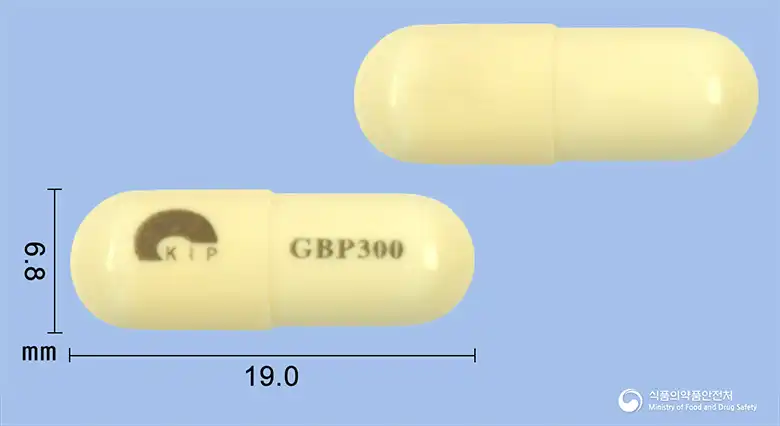
Gabapentin 300mg
Hard capsule · Prescription medication
Kunil Pharmaceutical Co., Ltd.
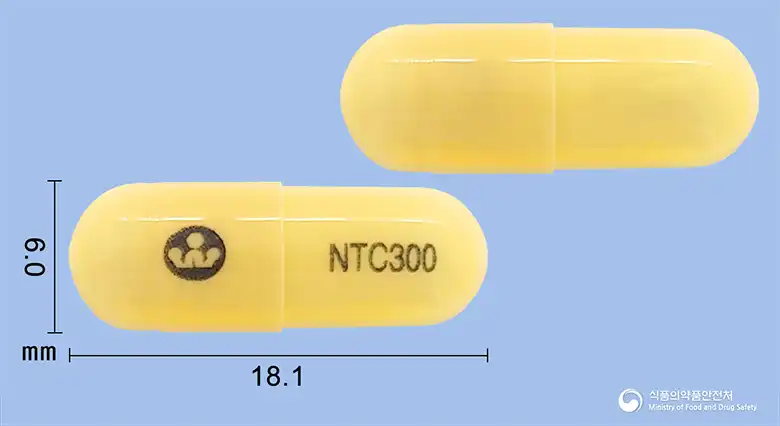
Gabapentin 300mg
Hard capsule · Prescription medication
Hanwin Pharmaceutical Co., Ltd.

Gabapentin 400mg
Hard capsule · Prescription medication
Korea Pharmaceutical Co., Ltd.
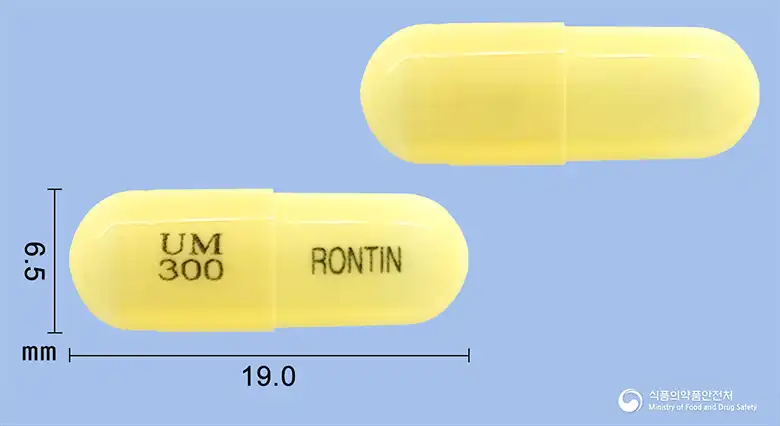
Gabapentin 300mg
Hard capsule · Prescription medication
Unimed Pharmaceuticals Co., Ltd.
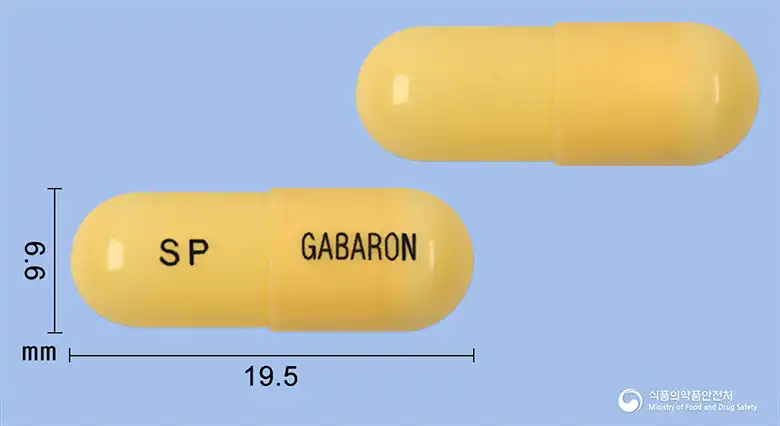
Gabapentin 300mg
Hard capsule · Prescription medication
Shinpoong Pharmaceutical Co., Ltd.
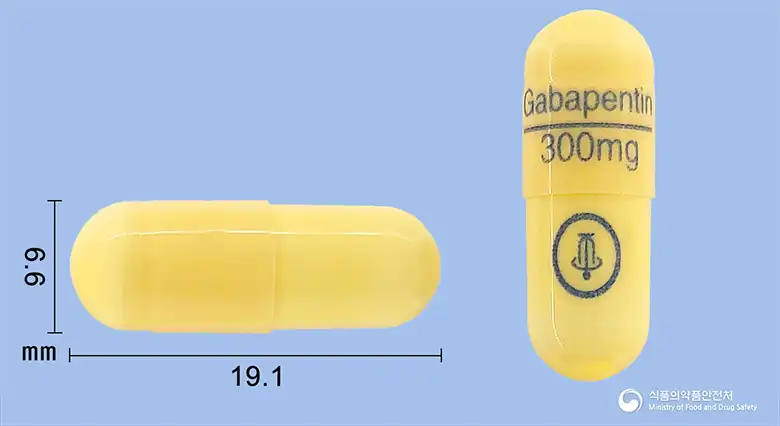
Gabapentin 300mg
Hard capsule · Prescription medication
Kwangdong Pharmaceutical Co., Ltd.
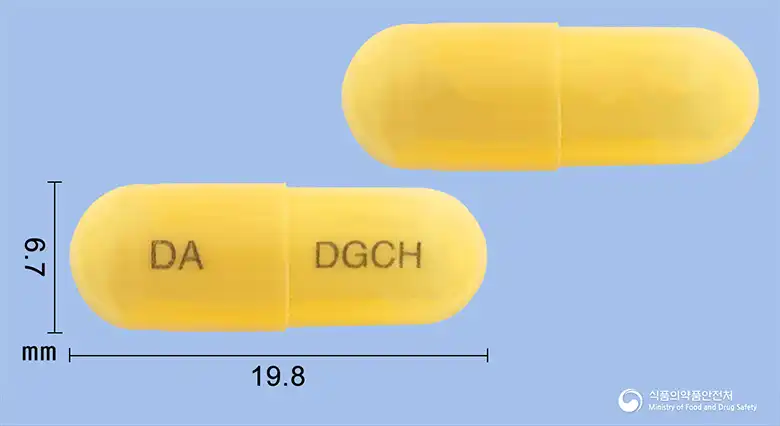
Gabapentin 300mg
Hard capsule · Prescription medication
Dong-A ST Co., Ltd.
Even with the same ingredient, the dose and directions can differ by strength and dosage form. Talk to a doctor or pharmacist before switching from a medication you are already taking.
No questions yet.
For anything that needs medical judgment, consult a doctor or pharmacist.
This drug information is based on data provided by the Korea Ministry of Food and Drug Safety.
Consult a doctor or pharmacist for accurate dosage, administration, and usage instructions.