
 한국어
 English
 日本語
 中文(简体)
 Viewing now
Itraconazole Tablets (Itraconazole Solid Dispersion)
Itraconazole Solid Dispersions 253mg
Tablet · Prescription medication
Kwangdong Pharmaceutical Co., Ltd.
MFDS item code 200501151 · Notified 2005.05.19 · Insurance code 641804960
Treatment and prevention of skin and nail fungal infections, mucosal and corneal fungal infections, and systemic fungal infections
This medication is used to treat various fungal infections. In tablet or capsule form, it is used for candidal vaginitis, tinea versicolor, dermatophyte infections (tinea corporis, tinea capitis, tinea manuum, tinea pedis), oral candidiasis, fungal keratitis, onychomycosis, and systemic fungal infections (including aspergillosis, candidiasis, cryptococcosis, and paracoccidioidomycosis). The liquid form is appropriate for treating oral and esophageal candidiasis in immunocompromised patients, particularly those who are HIV positive or immunosuppressed. Additionally, it is used for the prevention of itraconazole-sensitive invasive fungal infections in patients with hematological cancers or those undergoing bone marrow transplants who are expected to have neutropenia. However, there is insufficient clinical data regarding the preventive effect against aspergillosis. This drug effectively treats and prevents various fungal infection diseases.
(Tablets)(Capsules) Administration immediately after meals is recommended. Vulvovaginal candidiasis: Administer 200 mg of itraconazole per dose, twice daily (morning and evening) for 1 day, or 200 mg once daily for 3 days. Tinea versicolor: Administer 200 mg once daily for 7 days. Tinea corporis, tinea cruris: Administer 100 mg once daily for 15 days. Tinea manuum (interdigital), tinea pedis (interdigital): Administer 100 mg once daily for 15 days. Tinea manuum (palmar), tinea pedis (plantar): Administer 100 mg once daily for 30 days or 200 mg per dose, twice daily for 7 days. Oral candidiasis: Administer 100 mg once daily for 15 days. Fungal keratitis: Administer 200 mg once daily for 21 days. Onychomycosis pulse therapy: Administer 200 mg per dose, twice daily for 1 week, followed by a 3-week treatment-free period; this constitutes 1 cycle. Administer up to 2 cycles for fingernail infection only and up to 3 cycles for toenail infection. Onychomycosis continuous therapy: Administer 200 mg once daily for 3 months. Systemic fungal infections: In patients with impaired immune function, increase the dose twofold if necessary. Aspergillosis: 200mg once daily; average treatment duration 2~5 months. For invasive or disseminated disease, increase the dose to 200mg per dose, twice daily. Candidiasis: 100~200mg once daily; average treatment duration 3 weeks~7 months. Cryptococcal meningitis: 200mg twice daily; average treatment duration 2 months~1 year. Maintenance therapy: 200mg once daily. Paracoccidioidomycosis: 100mg once daily; average treatment duration 6 months. (Solution) Do not take with meals. Hold in the mouth for approximately 20 seconds to ensure the medicine contacts the entire mouth, then swallow. Oral and esophageal candidiasis: Take 200 mg (20 mL) per day in 1~2 divided doses for 1 week. If there is no effect after 1 week, continue for another week. Oral and esophageal candidiasis resistant to fluconazole: Take 200~400 mg (20~40 mL) per day in 1~2 divided doses for 2 weeks. If there is no effect after 2 weeks, continue for another 2 weeks. Even if symptoms do not improve, do not use 400 mg per day for more than 14 days.
Prevention of fungal infections: Administer 5 mg per kg of body weight per day in 2 divided doses.
This medication should not be used in patients with impaired cardiac function or a history of congestive heart failure unless life-threatening. If heart failure symptoms arise while taking this medication, it should be discontinued immediately. Patients who are allergic to this medication or have had hypersensitivity reactions to any ingredients should not take it. Additionally, this drug may cause serious side effects when taken with certain drugs, so contraindicated medications must be avoided. Pregnant women, those who may become pregnant, and breastfeeding women should not take this medication. Patients with lactose intolerance or specific metabolic genetic disorders should also avoid this medication. Patients with impaired liver function or a history of liver toxicity should have regular liver function tests during treatment and use this medication cautiously under medical guidance. Patients with impaired kidney function may also require dose adjustment; thus, caution is advised. Immunocompromised patients may experience reduced efficacy of this medication, so dosage should be adjusted based on clinical response. This medication can rarely cause serious side effects such as hearing loss, liver damage, heart problems, and skin rashes, so any unusual symptoms should prompt immediate consultation with healthcare professionals. Furthermore, this medication has numerous interactions; if you are taking other medications, be sure to inform your healthcare provider, as some drugs should not be taken together. When taking this medication, absorption may be reduced in low-acid conditions, so it is recommended to take it with acidic beverages. Pregnant women should use effective contraception until the next menstrual cycle after taking this medication and should avoid taking it while breastfeeding. Its safety has not been sufficiently established in the elderly or children, so it should only be used when necessary under a doctor's judgment. In cases of overdose, there is no specific antidote, so symptomatic treatment should be provided, and this drug is not removed by hemodialysis. Finally, store this medication out of reach of children, in its original container to prevent misuse or degradation of quality.
Headache, nausea, abdominal pain, rhinitis, sinusitis, upper respiratory infection, leukopenia, hypersensitivity, taste disorder, sensory disturbance, paresthesia, tinnitus, constipation, diarrhea, dyspepsia, abdominal distension, vomiting, liver dysfunction, hyperbilirubinemia, pruritus, rash, urticaria, pollakiuria, erectile dysfunction, menstrual disorders, edema, neutropenia, thrombocytopenia, anaphylactoid reaction, hyperglycemia, hyperkalemia, hypokalemia, hypomagnesemia, altered mental status, peripheral neuropathy, dizziness, drowsiness, tremor, heart failure, left ventricular failure, tachycardia, hypertension, hypotension, pulmonary edema, voice disorders, cough, gastrointestinal disorders, liver failure, hepatitis, jaundice, erythematous rash, hyperhidrosis, myalgia, arthralgia, renal impairment, urinary incontinence, generalized edema, facial edema, chest pain, fever, pain, fatigue, chills, increased alanine aminotransferase, increased aspartate aminotransferase, increased serum alkaline phosphatase, increased serum lactate dehydrogenase, increased serum urea, increased gamma-glutamyl transferase, increased liver enzymes, abnormal urinalysis, leukocytosis, eosinophilia, anemia, vascular edema, serum sickness, angioedema, anaphylaxis, anaphylactic shock, allergic reaction, diplopia, visual impairment, transient hearing loss, permanent hearing loss, ventricular ectopy, atrioventricular block, palpitations, increased bowel motility, belching, glossitis, stomatitis, abdominal lumbar pain, pancreatitis, increased serum total protein, increased total bilirubin, increased LAP, decreased appetite, malaise, brown urine, mucous membrane syndrome, Stevens-Johnson syndrome, toxic epidermal necrolysis, Lyell syndrome, erythema multiforme, alopecia, photosensitivity reaction, exfoliative dermatitis, leukocytoclastic vasculitis, acute generalized exanthematous pustulosis, increased BUN, positive urine protein reaction, positive urine glucose reaction, decreased libido, drowsiness, shoulder stiffness, insomnia, chest pain, increased serum triglycerides, burning sensation, increased serum uric acid, increased serum potassium, serum sickness, angioedema, anaphylactic reaction, hypertriglyceridemia, tremor, blurred vision, congestive heart failure, dyspnea, significant hepatotoxicity, toxic epidermal necrolysis, Stevens-Johnson syndrome, acute generalized exanthematous pustulosis, erythema multiforme, exfoliative dermatitis, leukocytoclastic vasculitis, alopecia, photosensitivity, increased creatine phosphokinase
Not everyone experiences these, and they can vary from person to person.
This medication should be stored in a tightly sealed container to prevent air and moisture ingress, preferably at room temperature between 1 and 30 degrees Celsius. Proper storage will help maintain its efficacy and prevent degradation.
White or off-white round film-coated tablet
30 tablets/bottle, 100 tablets/bottle
Even with the same ingredient, strength, dosage form and how it is taken can differ.
Viewing nowItraconazole Solid Dispersions 253mg
Tablet · Prescription medication
Kwangdong Pharmaceutical Co., Ltd.
Itraconazole Solid Dispersions
Prescription medication
JW Pharmaceutical Corporation
Itraconazole Solid Dispersions
Prescription medication
Daewoong Pharmaceutical Co., Ltd.
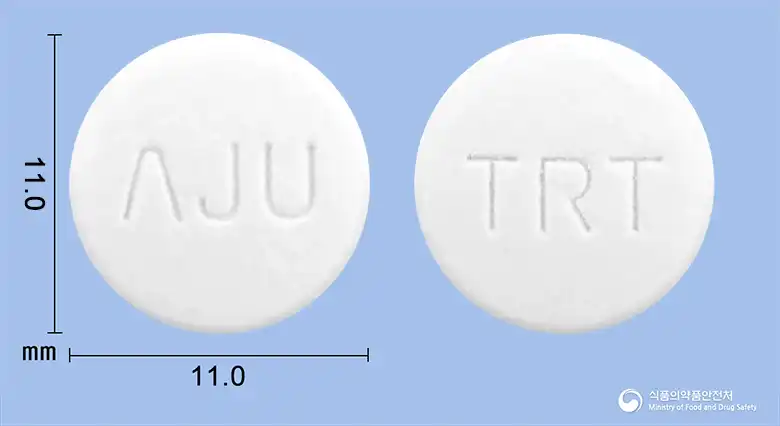
Itraconazole Solid Dispersions 253mg
Tablet · Prescription medication
Ajou Pharmaceutical Co., Ltd.
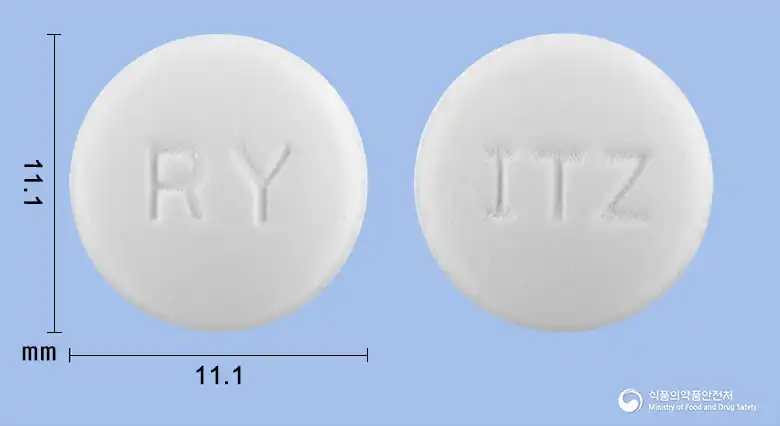
Itraconazole Solid Dispersions 253mg
Tablet · Prescription medication
IYON Pharmaceutical Co., Ltd.
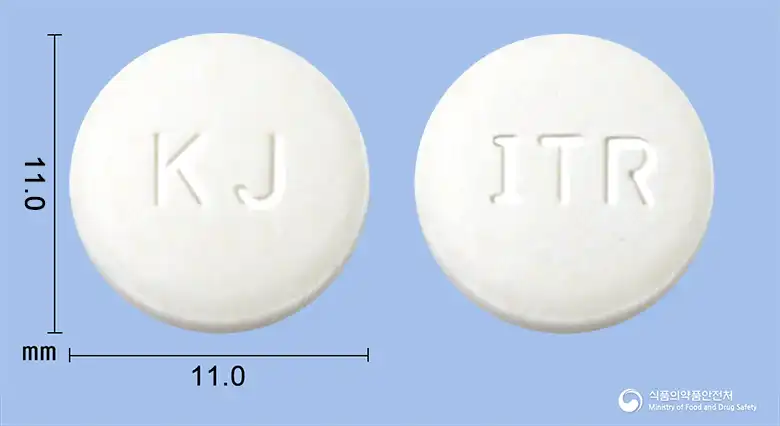
Itraconazole Solid Dispersions 253mg
Tablet · Prescription medication
International Pharmaceutical Co., Ltd.
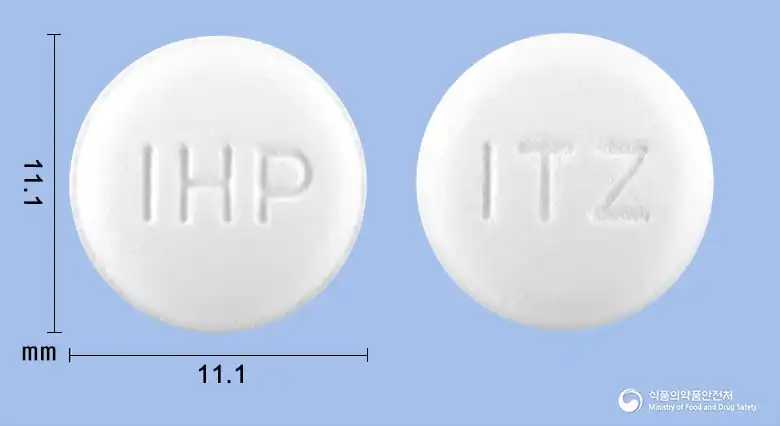
Itraconazole Solid Dispersions 253mg
Tablet · Prescription medication
Ilhwa Co., Ltd.
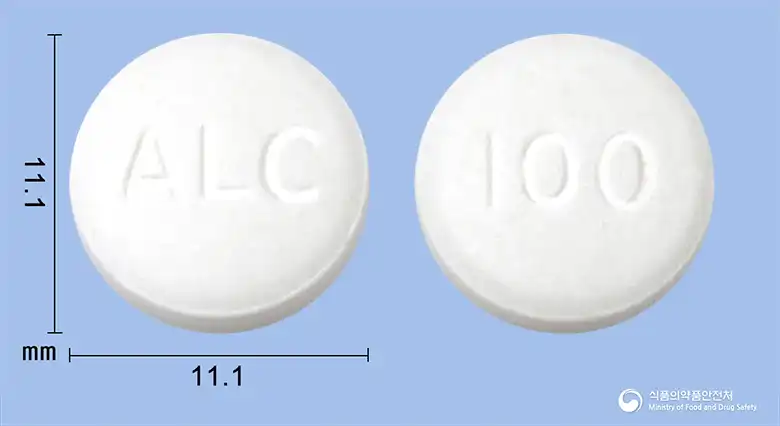
Itraconazole Solid Dispersions 253mg
Tablet · Prescription medication
Allico Pharmaceutical Co., Ltd.
Even with the same ingredient, the dose and directions can differ by strength and dosage form. Talk to a doctor or pharmacist before switching from a medication you are already taking.
No questions yet.
For anything that needs medical judgment, consult a doctor or pharmacist.
This drug information is based on data provided by the Korea Ministry of Food and Drug Safety.
Consult a doctor or pharmacist for accurate dosage, administration, and usage instructions.