
 한국어
 English
 日本語
 中文(简体)
Dosage form image
Viewing nowRamiteril Capsule (Ramipril)
Ramipril
Prescription medication
Dong Sung Pharmaceutical Co., Ltd.
MFDS item code 200500870 · Notified 2005.05.30
This product's status changed to Approval withdrawn on 2023.06.21. It may no longer be sold, so consult a doctor or pharmacist before taking it.
Treatment of hypertension and heart failure after myocardial infarction; prevention of cardiovascular and cerebrovascular risk; treatment of kidney disease
This medication helps manage hypertension and is used to treat heart failure that may occur following a myocardial infarction. It also reduces the risk of cardiovascular diseases such as myocardial infarction, unstable angina pectoris, multivessel coronary artery disease, stroke, and peripheral vascular disease, and is particularly effective in reducing the risk of death due to cardiovascular disease and the need for vascular intervention in patients over 55 years of age, especially those with diabetes. It is also used to improve symptoms of nephropathy such as microalbuminuria, clinical glomerulonephritis, or proteinuria that indicate early kidney damage in diabetic patients. This medication contributes to controlling blood pressure, maintaining cardiovascular health, and recovering from kidney damage.
1. Hypertension ① Adults not receiving diuretics: The initial dose of ramipril is 2.5㎎ once daily, taken orally with plenty of water during or after a meal. However, depending on the patient's response, the dose may be increased at 23-week intervals, first to 5㎎ daily and then to a maximum of 10㎎ daily; a diuretic may be administered concomitantly. ② Adults receiving diuretics: Since an undesirable excessive reduction in blood pressure may occur after the first dose, discontinue the diuretic 23 days before starting treatment, if possible. If this is not possible, administer an initial dose of 1.25㎎ once daily and adjust appropriately as needed. ③ Patients with renal impairment 1) Creatinine clearance of 50㎖/min or more (serum creatinine less than 1.5㎎/㎗): No dose adjustment is necessary. 2) Creatinine clearance of 20~50㎖/min (serum creatinine 1.53㎎/㎗): Administer an initial dose of 1.25㎎ once daily; the dose may be increased to a maximum of 5㎎ once daily. 3) Creatinine clearance less than 20㎖/min (serum creatinine 3㎎/㎗ or more): Administer an initial dose of 1.25㎎ every other day, and do not exceed a maintenance dose of 2.5㎎ once daily. ④ Patients with hepatic impairment: Administer under careful medical supervision and do not exceed 2.5㎎ daily. 2. Heart failure after myocardial infarction ① Patients not receiving diuretics: The recommended initial dose is 2.5mg twice daily. For patients who develop symptoms of hypotension at this dose, the dose may be changed to 1.25mg twice daily; however, all patients should have their dose gradually increased to the target dose of 5mg twice daily. Patients should be closely monitored for at least 2 hours after the initial dose of this medicine and for at least an additional 1 hour until their blood pressure has stabilized. If hypotension occurs after the initial dose, treat the hypotension appropriately and then adjust the dose of this medicine carefully. ② Patients receiving diuretics: In patients taking diuretics, symptomatic hypotension may occur after the initial dose of this medicine. To reduce the likelihood of hypotension, discontinue the diuretic 2~3 days before starting this medicine, if possible. Thereafter, if blood pressure is not controlled with this medicine alone, resume diuretic treatment. If the diuretic cannot be discontinued, administer an initial dose of 1.25mg of this medicine to avoid excessive hypotension. The dose of concomitant diuretic should be reduced as much as possible to reduce the likelihood of hypotension. ③ Patients with heart failure accompanied by renal failure The recommended initial dose is 1.25mg once daily. Depending on clinical response and tolerability, the dose may be increased to 1.25mg twice daily and up to a maximum of 2.5mg twice daily. 3. Reduction in the risk of death due to myocardial infarction, stroke, or cardiovascular disease, or the need for revascularization ① The initial dose is 2.5mg once daily, and the dose is gradually increased according to tolerability. Therefore, increase the dose to 5mg daily after one week and to 10mg daily after 3 weeks. The usual maintenance dose is 10mg once daily. Patients stabilized on a lower dose for other indications should be adjusted to 10mg once daily. ② Patients with renal impairment: No dose adjustment is necessary in patients with creatinine clearance of 30ml/min or more (plasma creatinine <165 μmol/l). In patients with creatinine clearance less than 30ml/min (plasma creatinine >165 μmol/l), the initial dose is 1.25mg once daily and the maximum dose is 5mg once daily. In patients with severe renal impairment (creatinine clearance of 10ml/min or less and plasma creatinine 400~650 μmol/l), the initial dose is 1.25mg once daily and should not exceed 2.5mg daily. ③ Patients with hepatic impairment: In patients with hepatic impairment, reduced hepatic esterase activity decreases the metabolism of the parent compound ramipril and consequently the formation of its biologically active metabolite ramiprilat, ultimately increasing plasma ramipril levels. Therefore, Tritec treatment should be initiated at a dose of 1.25mg under close medical supervision. 4. Nephrosis ① Patients not receiving diuretics The recommended initial dose is 1.25㎎ once daily. Increase the dose according to the patient's tolerability. When increasing the dose, double it at 23-week intervals; the maximum daily dose is 5㎎. ② Patients receiving diuretics Consider whether the diuretic should be discontinued or at least reduced 23 days before starting this medicine. In general, the initial dose of this medicine in patients receiving diuretics is 1.25㎎ once daily. ③ Patients with hepatic impairment: Increase or decrease the dose according to the patient's response. Therefore, this medicine should be initiated carefully under a physician's instructions, and the maximum daily dose is 2.5㎎. Adjust the dose appropriately according to age and symptoms.
This medication can lower blood pressure, and sudden swelling may occur in the face, lips, tongue, neck, etc.; if these symptoms appear, you should seek medical attention immediately. Additionally, gastrointestinal symptoms such as abdominal pain or vomiting may occur, and it can pose a serious risk to the fetus, especially during the second and third trimesters of pregnancy, so pregnant women should avoid taking it. Patients with significantly reduced kidney function or children should use this medication cautiously due to insufficient experience with its use. Patients who have previously experienced allergic reactions to this medication or similar drugs, those with a history of angioedema, specific heart valve diseases, pregnant women, or women who may become pregnant should not take this medication. This medication may cause a sudden drop in blood pressure when first administered, so patients with hypertension, heart failure, or kidney disease should be especially careful and should have their blood pressure and kidney function monitored consistently before and during administration. During the use of this medication, side effects such as cough, dizziness, headache, skin rash, muscle pain, and blood abnormalities may occur, so if any abnormal symptoms arise, they should consult with healthcare professionals immediately. Additionally, this medication may interact with other drugs, so caution is necessary when taking potassium-sparing diuretics, lithium, some antidepressants, and pain relievers together, and one should not discontinue or change medications arbitrarily without consulting a doctor. Regular blood tests to check serum potassium levels and white blood cell counts, as well as consistent monitoring of kidney function, should be conducted while using this medication. Dizziness or lightheadedness may occur while driving or operating machinery, so caution is required, especially at the beginning of drug therapy or when switching medications. In cases of overdose, serious hypotension, bradycardia, electrolyte imbalances, and renal failure may occur, requiring immediate emergency treatment, which may involve gastric lavage or drug administration. Lastly, this medication should be kept out of the reach of children and not transferred to other containers.
Not everyone experiences these, and they can vary from person to person.
This medication should be stored in a tightly sealed container to prevent air or moisture from entering. Additionally, it is recommended to store it at room temperature between 1 degree and 30 degrees. This way, the medication's efficacy can be well maintained.
Capsules filled with white or whitish powder or granules with a light pink upper part and a light pink lower part.
Company packaging unit
Even with the same ingredient, strength, dosage form and how it is taken can differ.
Ramipril
Prescription medication
Dong Sung Pharmaceutical Co., Ltd.
Ramipril 5mg
Tablet · Prescription medication
Kyungdong Pharmaceutical Co., Ltd.
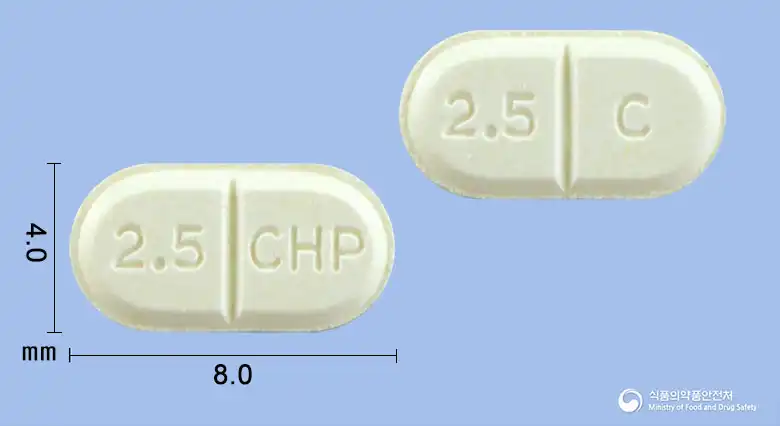
Ramipril 2.5mg
Tablet · Prescription medication
Jongkundang Co., Ltd.
Ramipril 5mg
Tablet · Prescription medication
Hawon Pharmaceutical Co., Ltd.
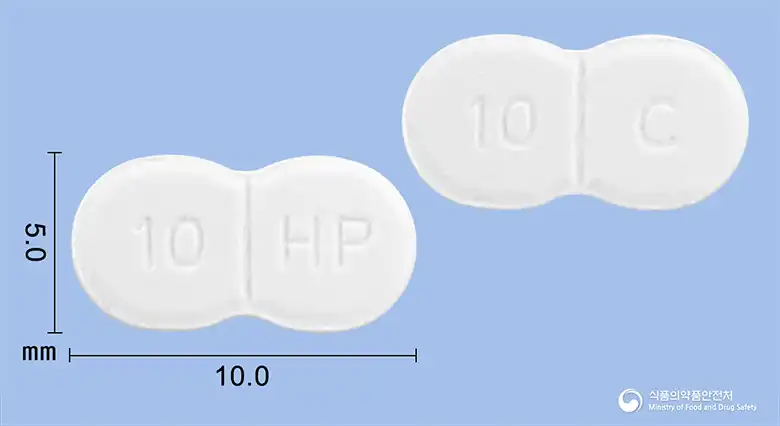
Ramipril 10mg
Tablet · Prescription medication
Jongkundang Co., Ltd.
Even with the same ingredient, the dose and directions can differ by strength and dosage form. Talk to a doctor or pharmacist before switching from a medication you are already taking.
No questions yet.
For anything that needs medical judgment, consult a doctor or pharmacist.
This drug information is based on data provided by the Korea Ministry of Food and Drug Safety.
Consult a doctor or pharmacist for accurate dosage, administration, and usage instructions.