
 한국어
 English
 日本語
 中文(简体)
Dosage form image
Viewing nowAllsef Dry Syrup (Sephuroxime Acetil)
Cefuroxime Axetil 3g
Syrup · Prescription medication
(Co., Ltd.) Yuhan
MFDS item code 200500567 · Notified 2005.12.29 · Insurance code 642101321
Treatment of respiratory and genitourinary infections, skin and soft tissue infections, and early Lyme disease
Cefuroxime is a broad-spectrum antibiotic effective against a variety of bacteria, particularly stable to beta-lactamase and effective against strains resistant to ampicillin and amoxicillin. This medication is used to treat upper respiratory infections such as otitis media, sinusitis, tonsillitis, and pharyngitis. It is also effective in lower respiratory tract infections such as acute and chronic bronchitis and pneumonia. It is used to treat urinary tract infections such as pyelonephritis, cystitis, and urethritis, and assists in skin and soft tissue infections like furuncles, pyoderma, and impetigo. It is also used to treat simple acute gonococcal urethritis and gonococcal cervicitis, as well as early Lyme disease. Therefore, this drug is effectively used in the treatment of various infections.
For optimal absorption, take after meals. Adults and children aged 12 years and older Most infections: Administer 250mg twice daily. Severe lower respiratory tract infections, pneumonia, severe infections, or suspected infections caused by less susceptible organisms: Administer 500mg twice daily. Urinary tract infections: Administer 250mg twice daily. Uncomplicated gonorrhea: Administer 1g as a single dose. Lyme disease: Administer 500mg twice daily for 14 days (10~21 days). For the treatment of infections caused by Streptococcus pyogenes (Group A beta-hemolytic), this drug should be administered for 7~10 days. This drug must not be divided and is therefore not suitable for treating patients who cannot swallow tablets, such as infants and young children. Patients with renal impairment Cefuroxime is eliminated primarily by the kidneys. To compensate for delayed elimination in patients with significantly impaired renal function, reducing the dose of cefuroxime as indicated below is recommended. Creatinine clearance ≥ 30 mL/min/1.73m2, T1/2 (hours) 1.4 - 2.4: No dosage adjustment necessary (standard dose: 125mg-500mg twice daily) Creatinine clearance 10 - 29 mL/min/1.73m2, T1/2 (hours) 4.6: Administer the standard single dose every 24 hours Creatinine clearance < 10 mL/min/1.73m2, T1/2 (hours) 16.8: Administer the standard single dose every 48 hours Patients on hemodialysis, T1/2 (hours) 2 - 4: Administer an additional standard single dose at the end of each dialysis session
Infants and children under 12 years of age, most infections: Administer 125mg twice daily. Otitis media in children aged 2 years and older, severe infections: Administer 250mg twice daily. Infants and children under 12 years of age, Lyme disease: Administer 250mg twice daily for 14 days (10~21 days). Infants under 3 months of age: Experience with use is limited.
This drug should not be used in patients with an allergy to cephalosporin antibiotics. Patients with a history of allergy to penicillin or other beta-lactam antibiotics, those allergic diathesis, severely impaired renal function, patients who have difficulty taking orally, or the elderly should be administered with caution. While using this drug, various adverse reactions, from mild to severe symptoms, can occur, so careful observation is required. Allergic reactions such as skin rash, urticaria, and itching may occur, and in rare cases, serious hypersensitivity reactions such as anaphylaxis can occur. Symptoms such as headache, dizziness, dyspepsia, diarrhea, and nausea may appear, and in rare cases, serious gastrointestinal diseases such as pseudomembranous colitis may develop. Regular testing and observation are needed as this can affect renal function, and administration must be stopped immediately if any unusual signs are observed. This drug can cause excessive proliferation of intestinal Candida, and some patients may show a tendency to bleeding due to vitamin K deficiency, which should be taken into consideration. During medication, if discomfort, dizziness, sweating, wheezing occurs, it is essential to tell medical staff immediately, and special caution should be taken while driving or operating machinery. This drug may interact with other medications, so consultation with a doctor or pharmacist is necessary, especially when taking diuretics, aminoglycoside antibiotics, probenecid, and antacids together. Women who are pregnant or breastfeeding should be cautious about the administration of this drug, and special care is required for children and the elderly. In case of overdose, serious side effects such as seizures can occur, and immediate emergency treatment is required. This medication should be stored out of reach of children, and the prepared suspension should be kept refrigerated, and it should be shaken well before administration. In addition, this drug should not be mixed with hot beverages, and it is recommended to take it as soon as possible after preparation.
Not everyone experiences these, and they can vary from person to person.
This drug should be stored in a tightly sealed container to prevent air from entering and is best kept at room temperature between 1 and 30 degrees Celsius. This way, the effectiveness of the drug can be maintained for a longer period.
A powder that is white or light yellow, used as a syrup after suspension.
50g(50mL)/bottle
Even with the same ingredient, strength, dosage form and how it is taken can differ.
Cefuroxime Axetil 3g
Syrup · Prescription medication
(Co., Ltd.) Yuhan
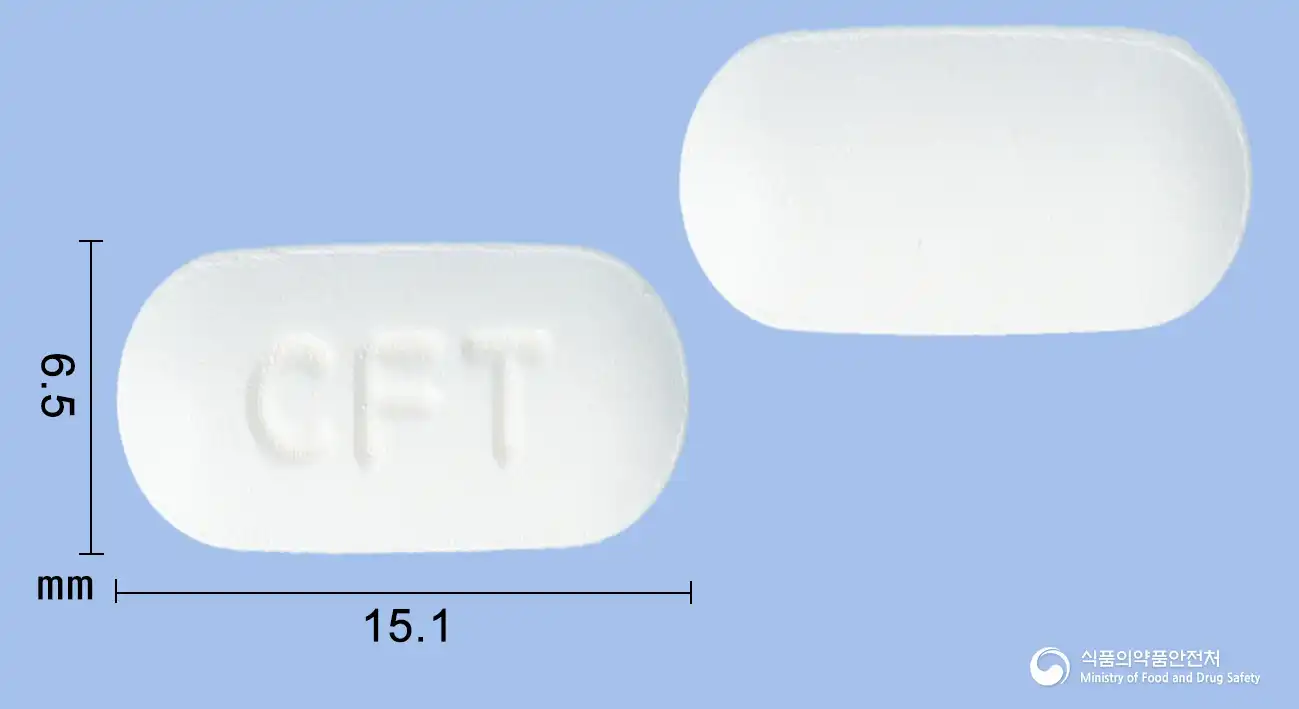
Cefuroxime Axetil 300.72mg
Tablet · Prescription medication
Hanmi Pharmaceutical Co., Ltd.
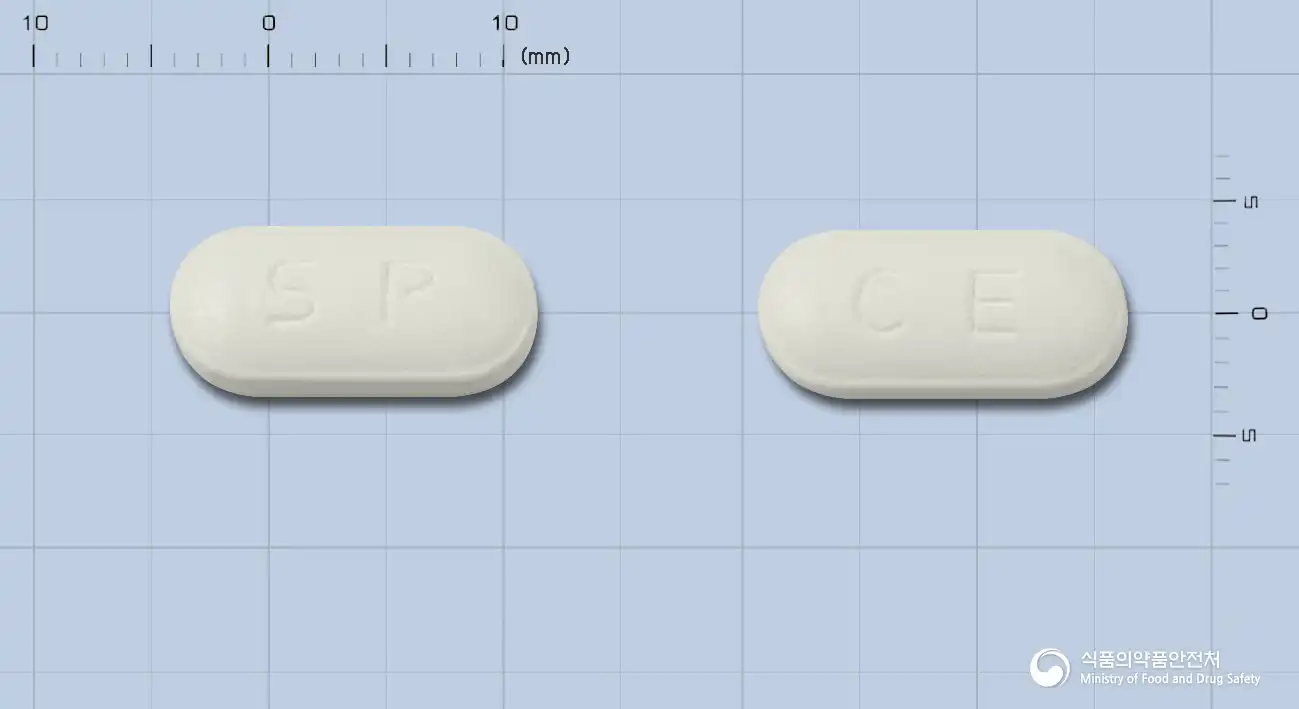
Cefuroxime Axetil 300.72mg
Tablet · Prescription medication
Shinpoong Pharmaceutical Co., Ltd.
Cefuroxime Axetil 300.72mg
Tablet · Prescription medication
Celix Co., Ltd.
Cefuroxime Axetil
Prescription medication
Austin Pharmaceutical Co., Ltd.
Cefuroxime Axetil
Prescription medication
Mirae Biopharmaceutical Co., Ltd.
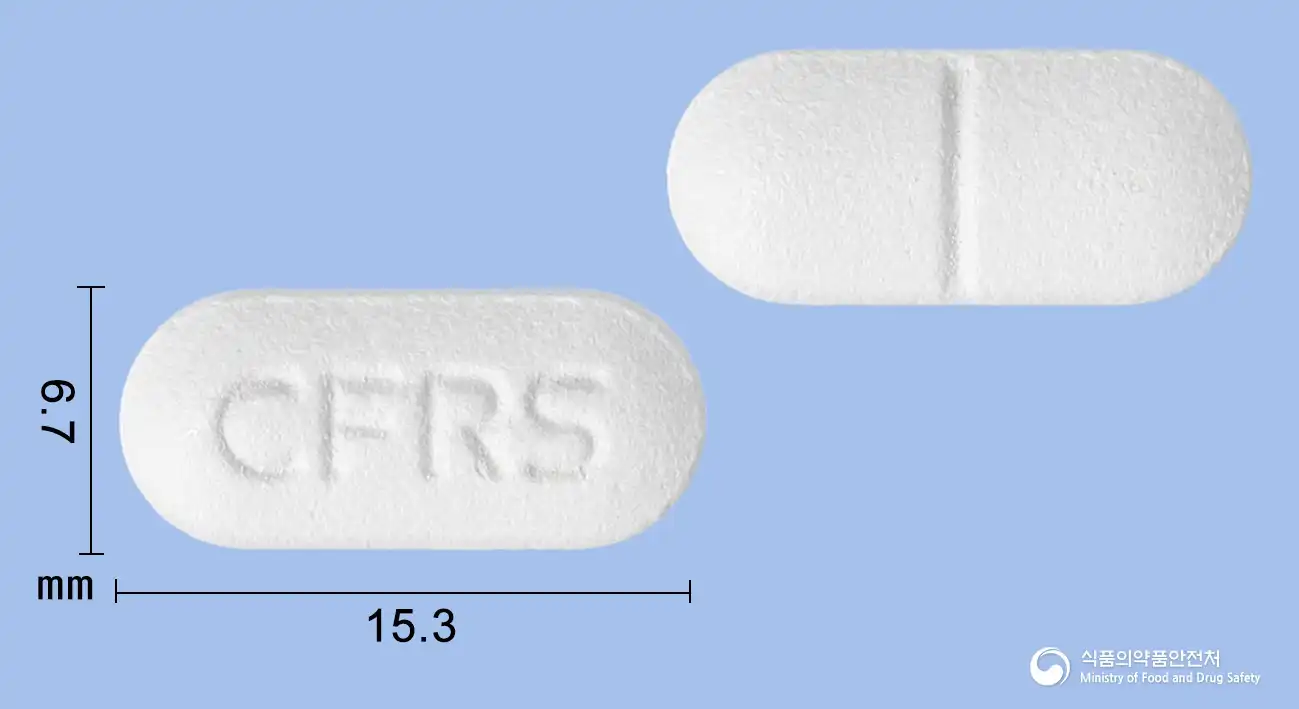
Cefuroxime Axetil 300.72mg
Tablet · Prescription medication
Korea Prime Pharmaceutical Co., Ltd.
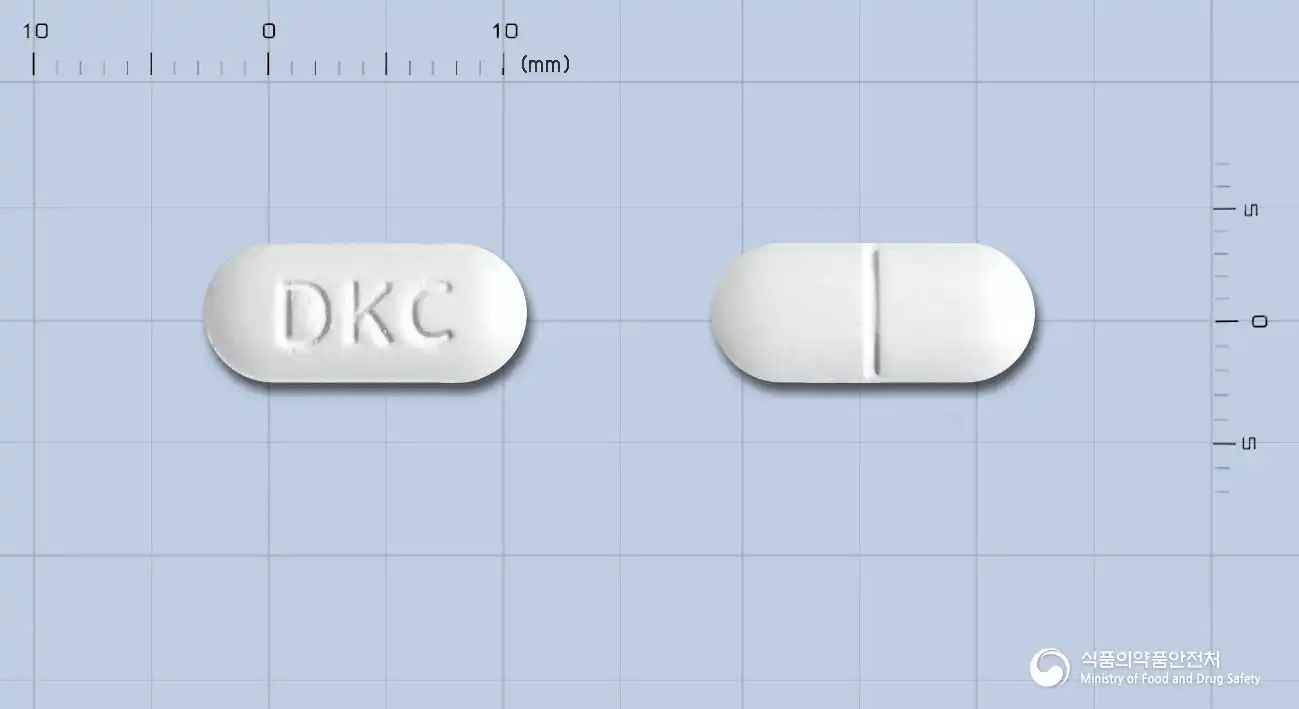
Cefuroxime Axetil 300.72mg
Tablet · Prescription medication
Dong Gu Bio Pharmaceutical Co., Ltd.
Even with the same ingredient, the dose and directions can differ by strength and dosage form. Talk to a doctor or pharmacist before switching from a medication you are already taking.
No questions yet.
For anything that needs medical judgment, consult a doctor or pharmacist.
This drug information is based on data provided by the Korea Ministry of Food and Drug Safety.
Consult a doctor or pharmacist for accurate dosage, administration, and usage instructions.