
 한국어
한국어 English
 日本語
日本語 中文(简体)
 Viewing now
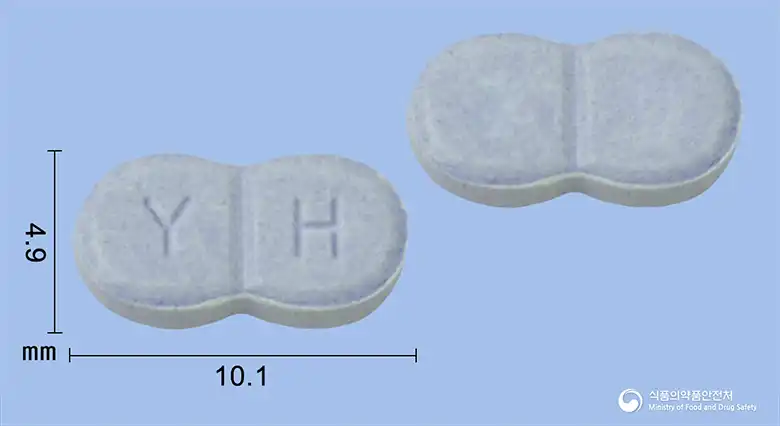
Gladiam 4 mg Tablets (Glymepride)
Glimepiride 4mg
Tablet · Prescription medication
Yuhan Corporation
MFDS item code 200500561 · Notified 2005.06.28 · Insurance code 642100080
Improvement of blood sugar control in type 2 diabetes
This medication is used as an adjunct to help control blood sugar levels in patients with type 2 diabetes. It can be administered alone or in combination with other medications alongside dietary therapy and exercise. For instance, it can be used together with insulin when oral hypoglycemic agents are insufficient for blood sugar control. If blood sugar is not well controlled with sulfonylureas or metformin monotherapy, it can also be combined with metformin. It supports blood sugar control through various methods, aiding in the health management of patients.
This medication is taken orally once a day. It should be taken before breakfast or just before the first meal, and it is important not to skip meals after taking it. Start with a dose of 1 mg of glymepride once daily, and the dose may be increased by 1 mg at intervals of 1 to 2 weeks. Generally, there is little additional effect at doses above 4 mg, but if necessary, doses may be increased up to 6 mg or 8 mg.
This medication should not be used in patients with insulin-dependent diabetes, diabetic ketoacidosis, or in a coma. Additionally, patients allergic to this medication or sulfonylurea medications should not take it. Switching to insulin therapy is recommended for patients with severe liver or kidney dysfunction. Women who are pregnant or may become pregnant, as well as nursing mothers, should not take this medication. Insulin therapy may be needed for patients with severe infections or those undergoing surgery. Patients with gastrointestinal disorders may be at risk of hypoglycemia due to poor food absorption, so caution is advised. During the first week of taking this medication, there is a high risk of hypoglycemia, so careful monitoring of blood sugar levels is required. This is particularly important for elderly patients, those with poor nutritional status or irregular eating habits, and those who frequently consume alcohol. Patients with reduced kidney or liver function may also be sensitive to hypoglycemia; therefore, dosage adjustments may be necessary. Patients with existing thyroid, pituitary, or adrenal dysfunction should be cautious of the risk of hypoglycemia. Furthermore, when taken with other medications, interactions may affect blood sugar control, so it is important to inform the pharmacist or physician. Because this medication lowers blood sugar, symptoms of hypoglycemia may occur. Symptoms of hypoglycemia include headache, severe hunger, nausea, fatigue, anxiety, confusion, tremors, dizziness, drowsiness, and decreased consciousness. In severe cases, it may lead to seizures or coma, so immediate intake of sugar or seeking medical assistance is necessary when symptoms appear. Additionally, during the initial stage of taking this medication, temporary blurred vision may occur, and gastrointestinal issues, liver function abnormalities, or blood abnormalities may arise. In case of allergic reactions, stop taking the medication immediately and consult medical personnel. While taking this medication, regular meals, exercise, and weight management are necessary for optimal blood sugar control. It is advisable to always carry food containing sugar to prevent hypoglycemia, and artificial sweeteners do not help in managing hypoglycemia. Also, during the treatment, regular checks of blood sugar and urine should be conducted to monitor effectiveness and side effects. If other health issues arise or lifestyle changes occur during medication, it may be necessary to consult a physician for dosage adjustments. Caution is also required when driving or operating machinery during treatment. This medication is metabolized in the liver, so interactions may occur when taken with other drugs. In particular, combinations with certain antibiotics, antifungals, anticoagulants, steroids, and beta-blockers may affect blood sugar control, so it is essential to inform medical personnel about all medications currently being taken. Alcohol consumption can also cause fluctuations in blood sugar, so caution is advised. Women who are pregnant or nursing are advised not to take this medication, and it is best to switch to insulin therapy if necessary. In cases of overdose, severe hypoglycemia can occur, necessitating immediate treatment at a medical institution, and in emergency situations, a glucose injection may be required. The safety of this medication in children has not been established, and elderly patients may require dosage adjustments due to decreased kidney function.
Not everyone experiences these, and they can vary from person to person.
This medication should be stored in a tightly sealed container to prevent exposure to air or moisture. It is important to maintain a storage temperature between 1 degree and 30 degrees Celsius.
Pale blue rectangular tablet
30 tablets/bottle, 100 tablets/bottle
Even with the same ingredient, strength, dosage form and how it is taken can differ.
Viewing nowGlimepiride 4mg
Tablet · Prescription medication
Yuhan Corporation
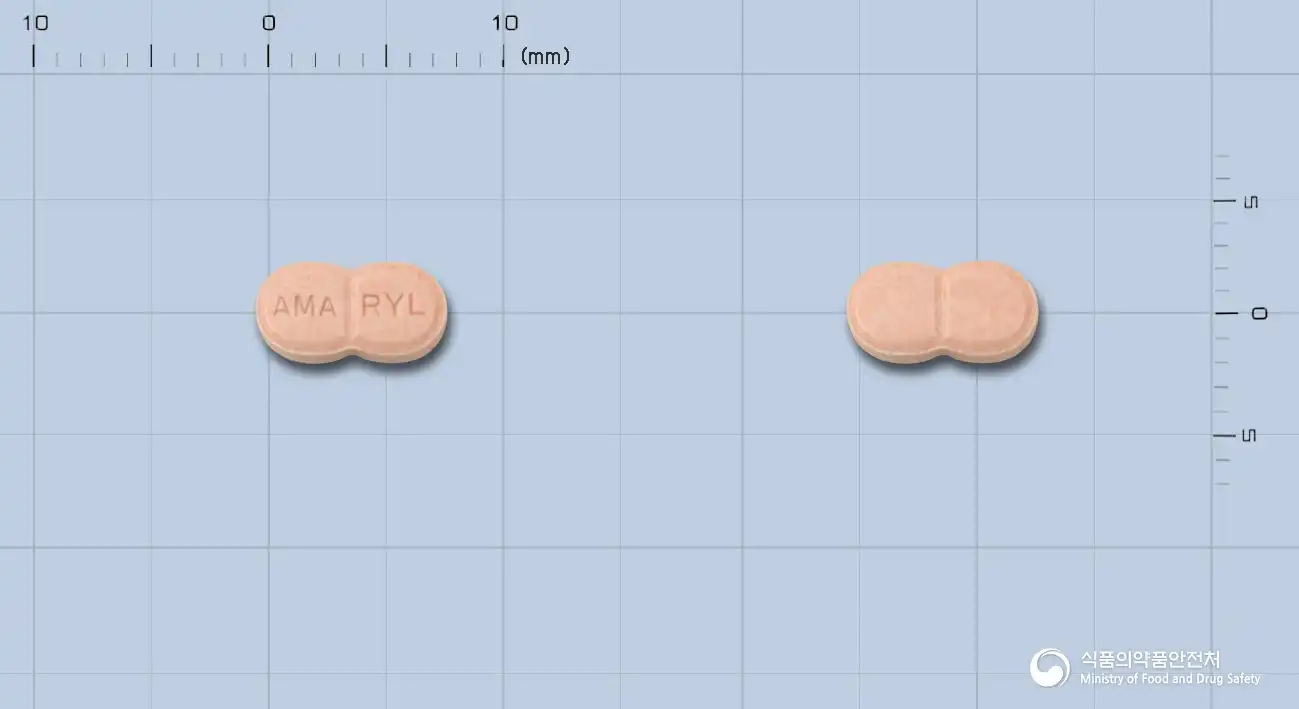
Glimepiride 1mg
Tablet · Prescription medication
Handok Co., Ltd.
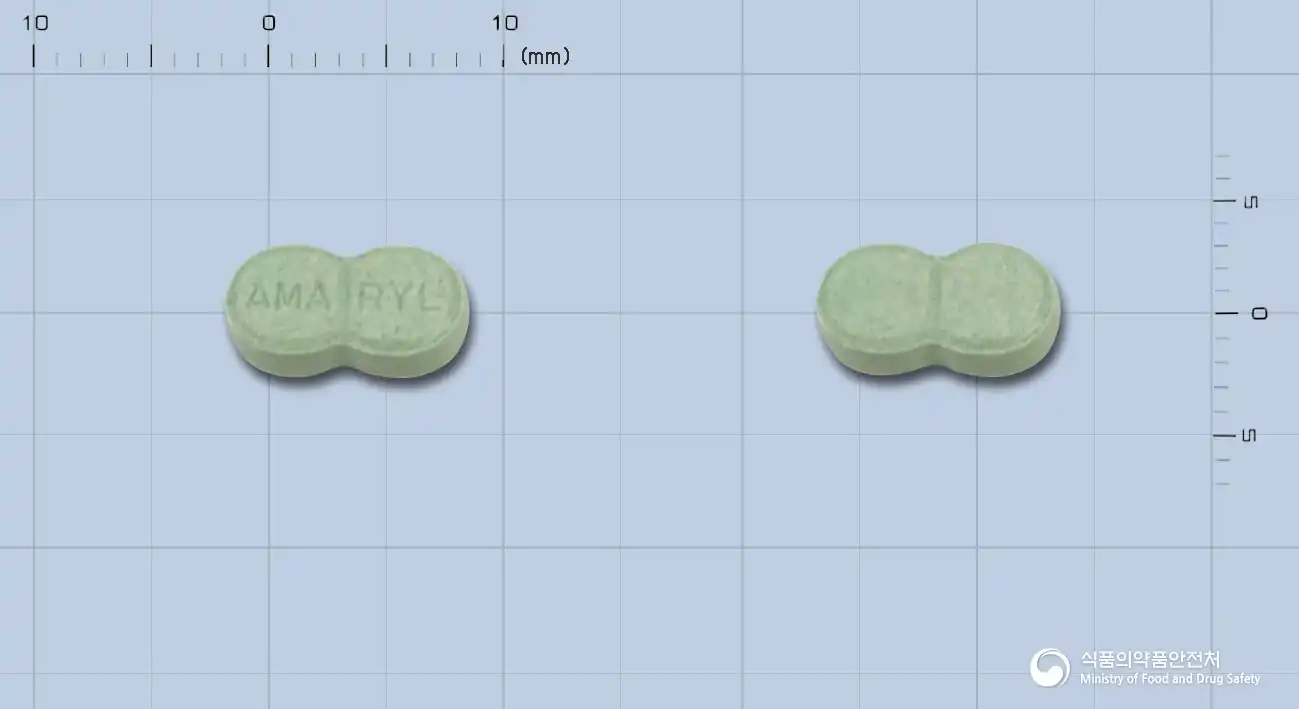
Glimepiride 2mg
Tablet · Prescription medication
Handok Co., Ltd.
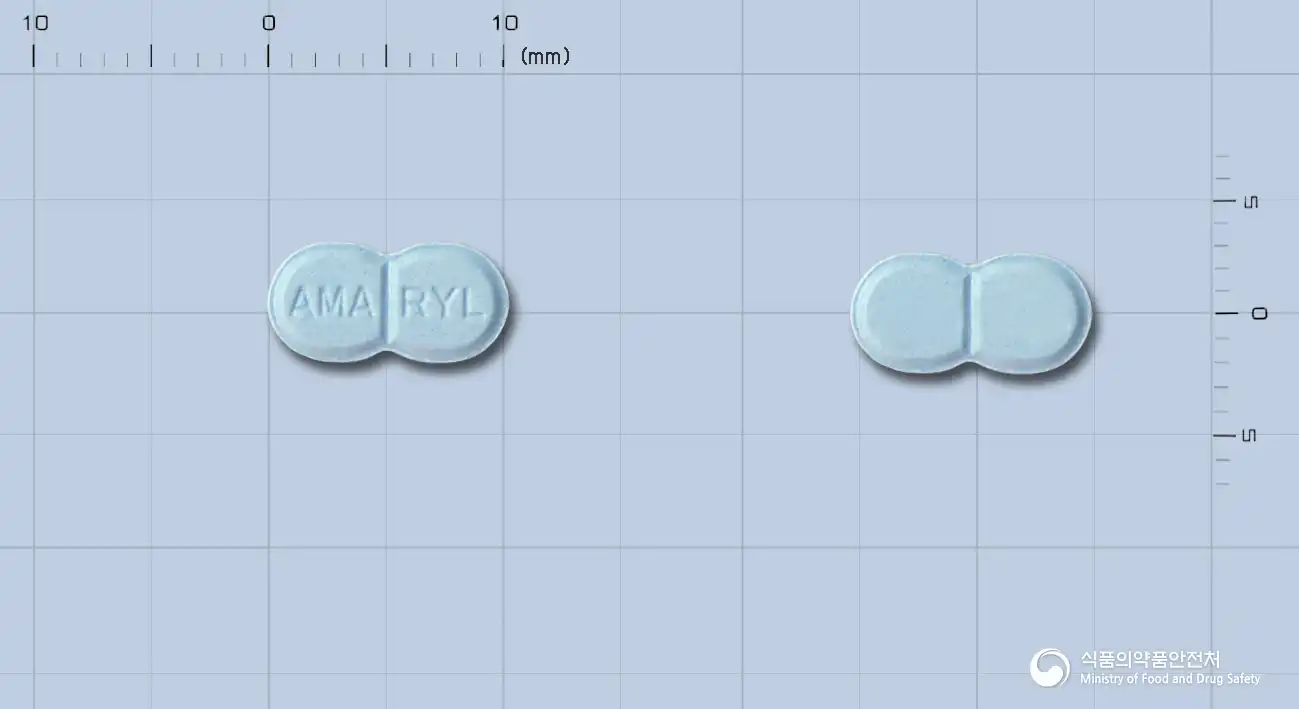
Glimepiride 4mg
Tablet · Prescription medication
(Hanmi Pharmaceutical Co., Ltd.)
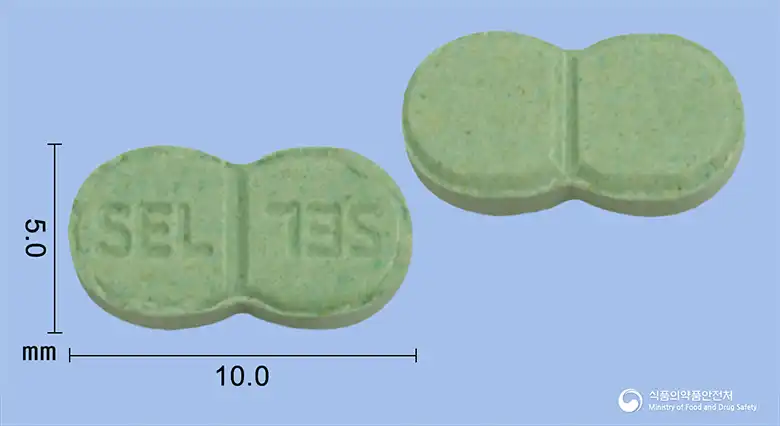
Glimepiride 2mg
Tablet · Prescription medication
Seoul Pharmaceutical Co., Ltd.
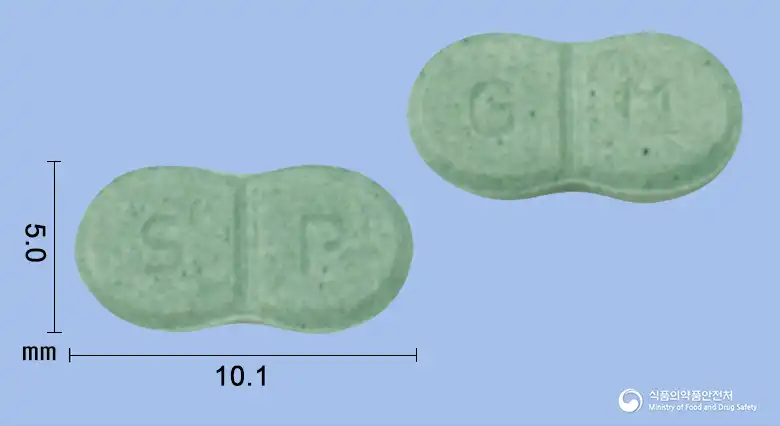
Glimepiride 2mg
Tablet · Prescription medication
Shinpoong Pharmaceutical Co., Ltd.
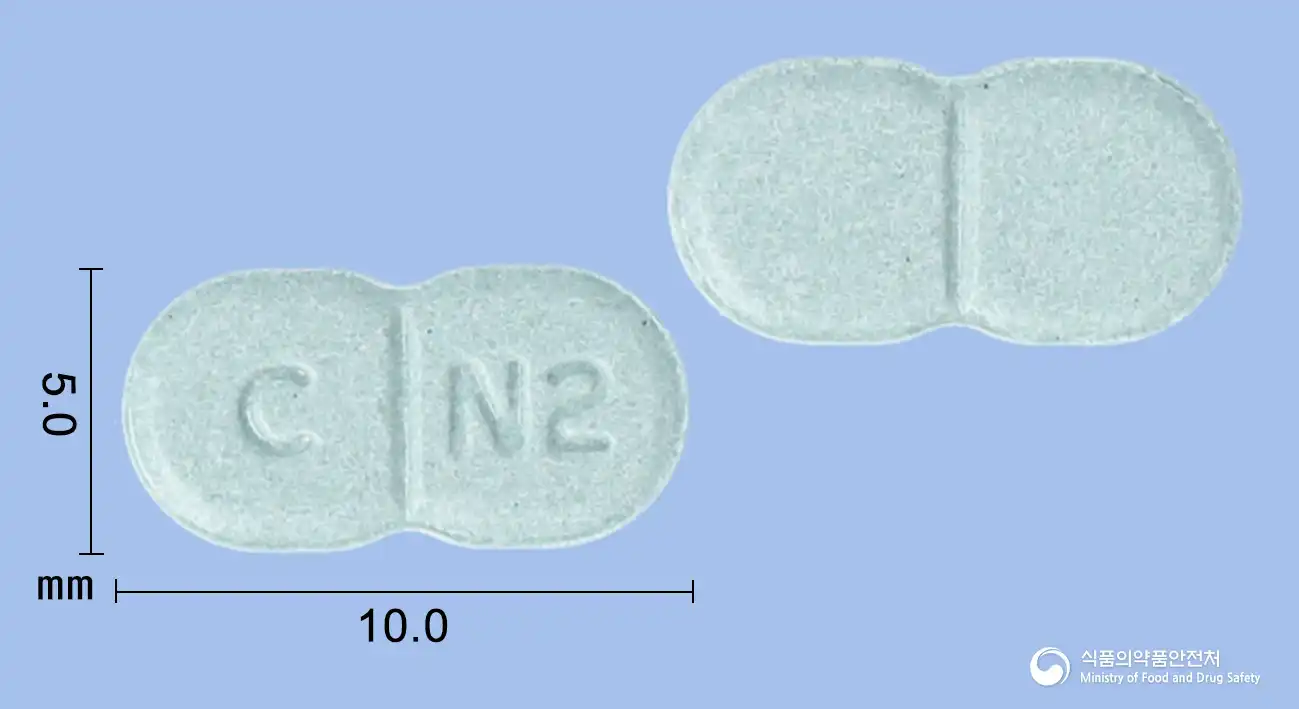
Glimepiride 2mg
Tablet · Prescription medication
Jongkundang Co., Ltd.
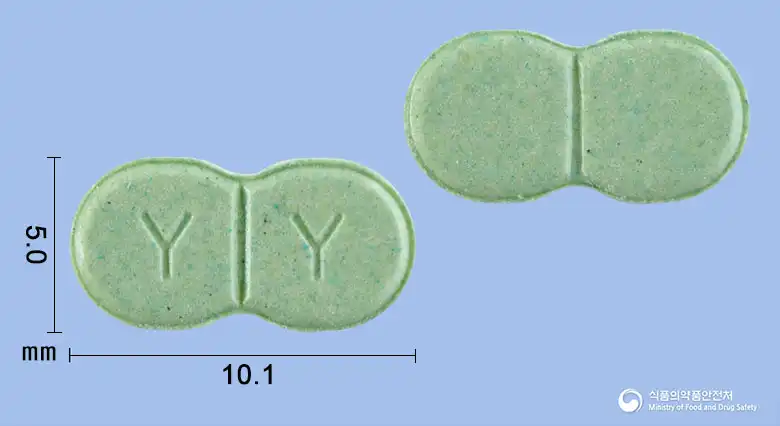
Glimepiride 2mg
Tablet · Prescription medication
IYun Pharmaceuticals Co., Ltd.
Even with the same ingredient, the dose and directions can differ by strength and dosage form. Talk to a doctor or pharmacist before switching from a medication you are already taking.
No questions yet.
For anything that needs medical judgment, consult a doctor or pharmacist.
This drug information is based on data provided by the Korea Ministry of Food and Drug Safety.
Consult a doctor or pharmacist for accurate dosage, administration, and usage instructions.