
 한국어
 English
 日本語
 中文(简体)
 Viewing now
Tacrolimus Capsule (Tacrolimus Hydrate)
Tacrolimus Hydrate 1.02mg
Hard capsule · Prescription medication
Ilyun Pharmaceutical Co., Ltd.
MFDS item code 200500213 · Notified 2005.03.05 · Insurance code 658601750
Prevention of transplant rejection and graft-versus-host disease; treatment of autoimmune diseases (such as lupus nephritis)
This medicine is used to suppress rejection reactions that can occur after kidney or liver transplants. It also has the effect of preventing tissue transplant rejection and graft-versus-host disease that may occur after bone marrow transplants. It is also applicable for patients with chronic rheumatoid arthritis who do not achieve sufficient effects with standard anti-rheumatic drugs. In cases of lupus nephritis, it helps when steroid monotherapy does not respond or when dosage increases due to side effects are difficult. Lastly, it is effectively used in patients with myasthenia gravis when other immunosuppressive treatments are not feasible. This is a drug effective for a variety of immune-related diseases and the prevention of post-transplant complications.
Suppression of rejection in kidney transplantation Usually, the initial dose for adults is 0.10~0.15mg/kg of tacrolimus per dose, administered orally twice daily, followed by gradual dose reduction. The maintenance dose should be adjusted as appropriate according to symptoms, with reference to the “recommended trough blood concentration.” Suppression of rejection in liver transplantation Usually, the initial dose for adults is 0.05~0.10mg/kg of tacrolimus per dose, administered orally twice daily, followed by gradual dose reduction. The maintenance dose should be adjusted as appropriate according to symptoms, with reference to the “recommended trough blood concentration.” General considerations for kidney and liver transplantation The initial doses presented above are for guidance only. Administration of this drug should be based primarily on measurement of blood concentrations in each patient and clinical assessment of rejection and tolerability (see “Recommended trough blood concentration” below). If clinical symptoms of rejection are evident, a change in the immunosuppressive treatment regimen should be considered. Recommended trough blood concentration in kidney and liver transplantation (whole blood trough level) Several immunoassay methods, including semi-automated microparticle enzyme immunoassay (MEIA), are available for monitoring tacrolimus whole blood concentrations (whole blood level) to optimize the dose. Comparisons between blood concentrations reported in the literature and those measured in clinical practice must be made with a thorough understanding of the assay method used. In recent clinical practice, whole blood concentrations are monitored using immunoassays. Tacrolimus trough blood concentrations should be monitored continuously. When this drug is administered orally, the tacrolimus trough blood concentration should be measured immediately before the next dose (approximately 12 hours after the previous dose). The frequency of blood concentration measurements should be determined by clinical need. Because tacrolimus has low clearance, changes in blood drug concentrations may take several days to appear after a dose adjustment. During the initial period after transplantation, monitoring should be performed approximately twice a week; during the maintenance period, monitoring should be performed regularly. Trough blood concentrations should be monitored when adjusting the dose, changing immunosuppressive therapy, or coadministering drugs that may affect tacrolimus whole blood concentrations (see “Interactions”). According to clinical trial analyses, successful outcomes were achieved in most patients when tacrolimus trough blood concentrations were maintained below 20ng/mL. The patient’s clinical condition should be considered when interpreting blood concentrations. Recommended trough blood concentrations: In clinical practice, the trough blood concentration during the initial period after transplantation was 5~20ng/mL in liver transplant patients and 10~20ng/mL in kidney transplant patients. During the subsequent maintenance period, the trough blood concentration was 5-15ng/mL in both liver and kidney transplant patients. Bone marrow transplantation: Prevention of graft rejection and graft-versus-host disease following bone marrow transplantation Usually, oral tacrolimus is administered at 0.06mg/kg per dose twice daily, starting 1 day before transplantation. During the initial period after transplantation, oral tacrolimus is administered at 0.06mg/kg per dose twice daily, followed by gradual dose reduction. When treatment with this drug is initiated after the onset of graft-versus-host disease, the usual dose is 0.15mg/kg of tacrolimus per dose, administered orally twice daily. The dose should also be adjusted as appropriate according to symptoms. As absorption of this formulation is variable when administered orally and differs among patients, blood concentrations should be measured according to the patient’s condition, and the dose adjusted with reference to the trough level, in order to prevent adverse reactions when blood concentrations are high and rejection or graft-versus-host disease when blood concentrations are low. Blood concentrations should be measured frequently, particularly immediately after transplantation or initiation of treatment. In addition, caution is advised because adverse reactions are more likely to recur when the trough blood concentration remains above 20ng/mL for an extended period. Chronic rheumatoid arthritis The usual adult dose is 3mg of tacrolimus orally once daily after the evening meal. Regular monitoring is required in patients who develop adverse reactions. The usual dose for elderly patients is 1.5mg orally once daily after the evening meal, and may be increased to 3mg according to symptoms. Lupus nephritis The usual adult dose is 3mg of tacrolimus orally once daily after the evening meal. In clinical trials, when the effect was insufficient at 12 weeks after initiation of treatment and there were no safety concerns, this drug was administered at 4 mg/day for 4 weeks to confirm safety, after which the dose was increased to 5 mg/day. If adverse reactions occurred, the dose was reduced as appropriate by 0.5 mg or 1 mg, taking the patient’s condition into consideration. In addition, when an adequate effect on lupus nephritis was achieved, this drug was reduced to the dose that maintained that effect. Myasthenia gravis For adults, 3mg of tacrolimus is administered orally once daily after a meal.
Prevention of rejection in kidney transplantation: In children, administer 0.15mg/kg orally twice daily. Prevention of rejection in liver transplantation: In children, administer 0.15mg/kg orally twice daily.
This drug suppresses immune function and is used to regulate the immune responses of transplant patients or patients with certain diseases. However, using this drug increases the risk of infections and, rarely, may lead to the development of malignant tumors such as lymphomas. This drug may affect kidney function, so patients with kidney disorders should be especially cautious and undergo regular blood tests and kidney function tests. Additionally, this drug can cause electrolyte imbalances, such as hyperkalemia, so blood potassium levels should be checked regularly. Neurological side effects may include headache, tremors, seizures, and changes in mental status, and if symptoms occur, medical personnel should be informed immediately. This drug may cause excessive immune suppression when used in combination with other immunosuppressants, so follow your doctor's instructions. During pregnancy, it may affect the fetus, so women of childbearing potential should consult a doctor before treatment. Furthermore, this drug is excreted in breast milk, so it is safest not to use it while breastfeeding. Caution should be exercised when administering to children or the elderly, especially as safety and efficacy in children have not been fully established. Regular blood concentration measurements and clinical tests are needed to adjust the proper dosage and monitor side effects during drug administration. Overdose may lead to kidney and pancreatic dysfunction, hypertension, and neurological abnormalities, so emergency treatment should be sought immediately. This drug should be taken at regular intervals regardless of meals, avoiding grapefruit juice during administration and not combining with other drugs without doctor's consultation. Finally, during the use of this drug, care should be taken for hygiene to prevent infections, and if abnormal symptoms appear, medical personnel should be consulted immediately.
Infection, lymphoma, renal dysfunction, increased serum creatinine, hyperkalemia, decreased urea excretion, hyperuricemia, progressive renal dysfunction, increased blood urea, proteinuria, tremors, headache, changes in motor function, changes in mental status, changes in sensory function, seizures, coma, mental confusion, occipital encephalopathy syndrome, convulsions, visual impairment, hypertension, lymphoproliferative disorder, BK virus nephropathy, JC virus-related progressive multifocal leukoencephalopathy, CMV infection, transplant rejection, insulin-dependent post-transplant diabetes, hyperglycemia, myocardial dysfunction, decreased cardiac function, chamber enlargement, ventricular wall thickening, heart failure, ventricular arrhythmias, supraventricular arrhythmias, myocardial infarction, angina, pericardial effusion, QT prolongation, Torsades de pointes, acute renal failure, nephrotic syndrome, thrombotic microangiopathy, hemolytic uremic syndrome, thrombotic thrombocytopenic purpura, pancytopenia, thrombocytopenic purpura, pure red cell aplasia, agranulocytosis, hemolytic anemia, bowel obstruction, bacterial infection, viral infection, fungal infection, protozoan infection, fever, lymphadenopathy, generalized convulsions, consciousness disturbances, confusion, speech disorders, hemiplegia, cerebral infarction, cerebral hemorrhage, aspiration pneumonia, exacerbation of diabetes, pancreatitis, skin and mucosal syndrome, Stevens-Johnson syndrome, dyspnea, acute respiratory distress syndrome, myasthenic crisis, increased blood pressure, edema, tachycardia, palpitations, decreased blood pressure, bradycardia, ataxia, hallucinations, sensory abnormalities, anxiety, delirium, insomnia, paresthesia, eye tremors, limb rigidity, paralysis, drowsiness, altered consciousness, regional sensory loss, nonsensical speech, depression, agitation, chest pain, abdominal distension, bowel motility disorders, anorexia, diarrhea, abdominal pain, gastric ulcer, duodenal ulcer, colitis, stomatitis, nausea, vomiting, melena, hematochezia, gastrointestinal perforation, increased amylase, liver dysfunction, jaundice, anemia, increase or decrease in platelet count, leukopenia, leukocytosis, lymphocytopenia, itching, hair loss, erythema, rash, tubular necrosis, hypertrophic cardiomyopathy, gynecomastia, vasodilation, decreased serum phosphate concentration, pleural effusion, ascites, asthma, weight loss, flushing, generalized malaise, menorrhagia, myalgia, arthralgia, taste abnormalities, aplastic anemia, cerebral infarction, toxic epidermal necrolysis, glaucoma, ketosis, nystagmus, mania, meningitis, cholecystitis, thrombophlebitis, thrombosis, vasculitis, feeling of foreign body in the throat, pain, ocular pain, redness, excessive sweating, thirst, temperature changes, optic neuropathy, febrile neutropenia, diarrhea, hypertension, nausea, headache, insomnia, sensory abnormalities, dizziness, dyspepsia, chest pain, urinary tract infection, polyuria, hypophosphatemia, hyperlipidemia, edema, infection, limb edema, increased cough, arthralgia, rash, heartburn, discomfort in the epigastric area, retinopathy, cardiac arrest, low back pain, hoarseness, cold, shingles, autoimmune reaction, soft tissue infection, thrombocytopenia, pneumonia
Not everyone experiences these, and they can vary from person to person.
This drug may be sensitive to air or moisture, so it should be stored in a sealed container. The storage temperature should be maintained at room temperature between 1 degree and 30 degrees. This will help maintain the drug's effectiveness and safety over time.
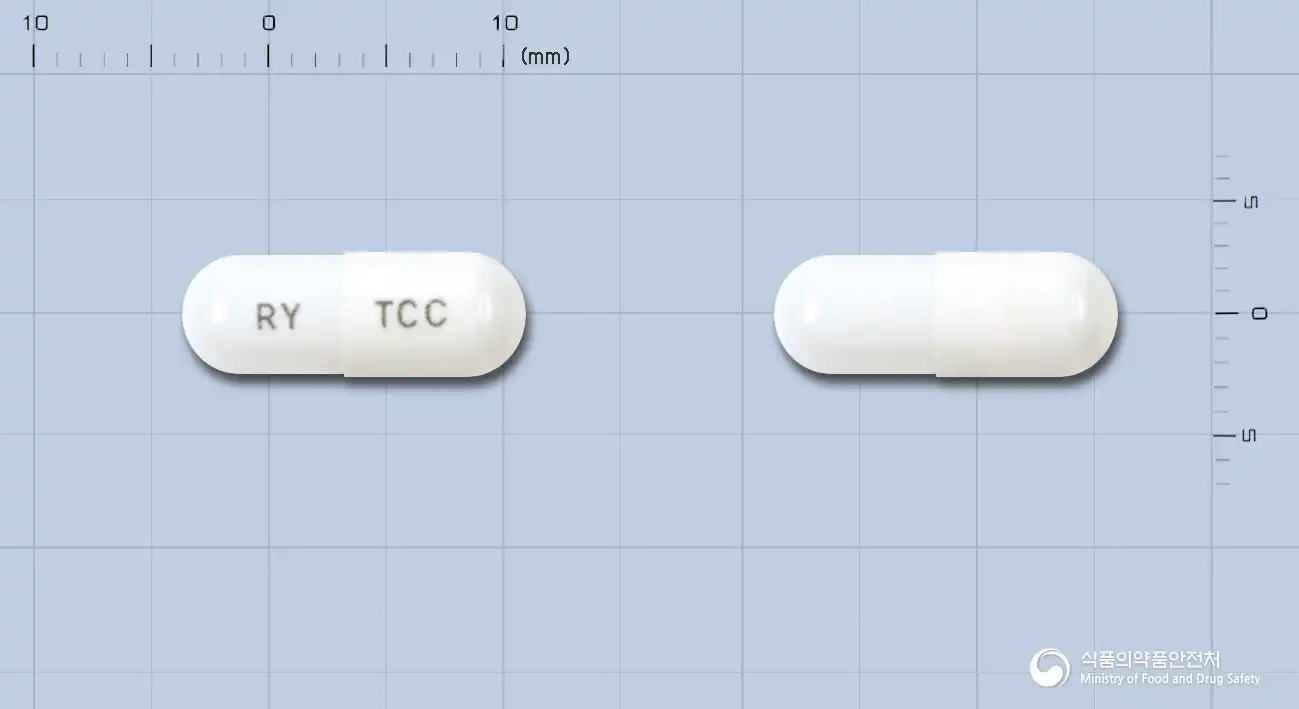
White hard capsule containing white powder
100 capsules (10 capsules/PTP × 10)
Even with the same ingredient, strength, dosage form and how it is taken can differ.
Viewing nowTacrolimus Hydrate 1.02mg
Hard capsule · Prescription medication
Ilyun Pharmaceutical Co., Ltd.
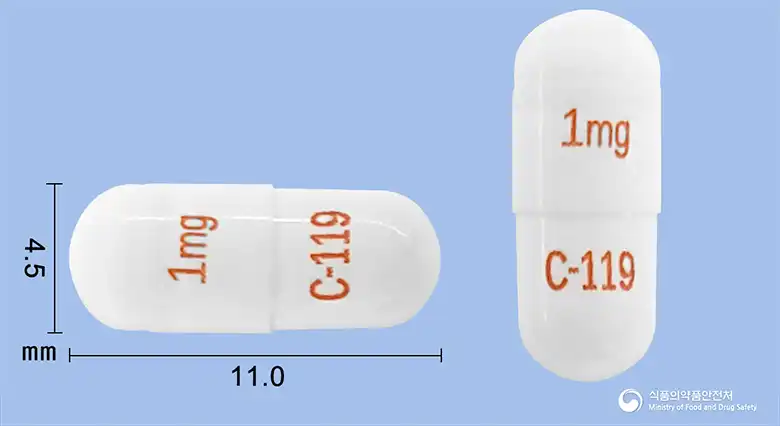
Tacrolimus Hydrate 1.02mg
Hard capsule · Prescription medication
Chongkundang Corporation
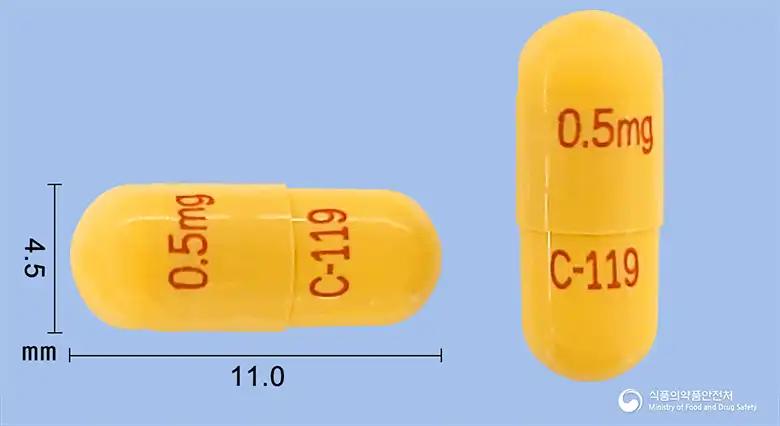 Combination
Tacrolimus Hydrate 0.51mg · Tacrolimus Hydrate 0.51mg
Hard capsule · Prescription medication · Combination
Chongkundang Corporation
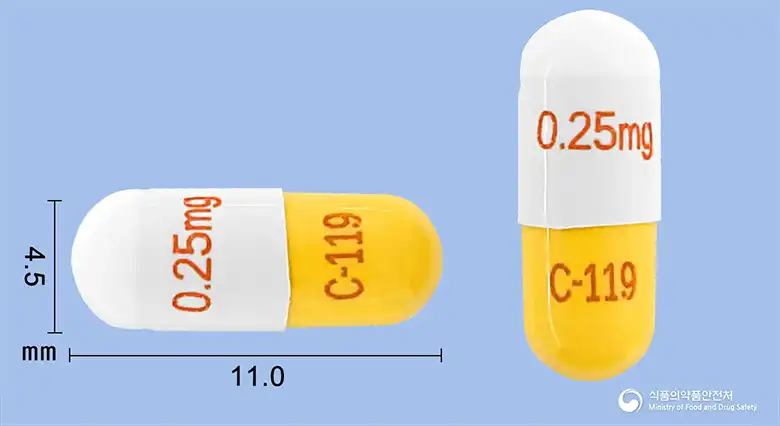
Tacrolimus Hydrate 0.255mg
Hard capsule · Prescription medication
Chongkundang Corporation
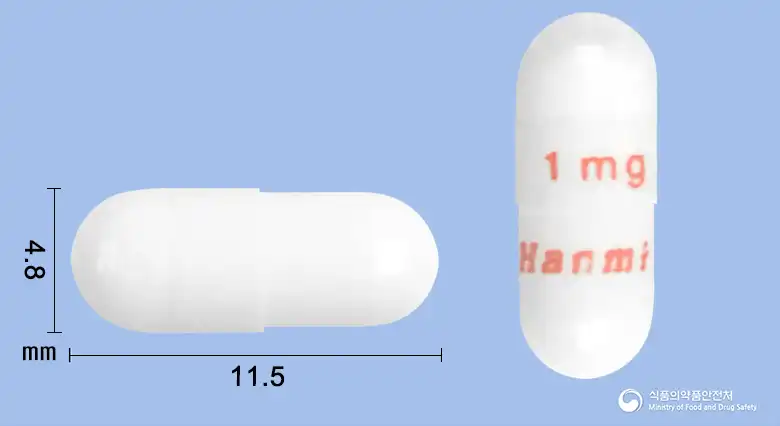
Tacrolimus Hydrate 1.02mg
Hard capsule · Prescription medication
Hanmi Pharmaceutical Co., Ltd.
Tacrolimus Hydrate 5.1mg
Prescription medication
Korea Astellas Pharma Co., Ltd.
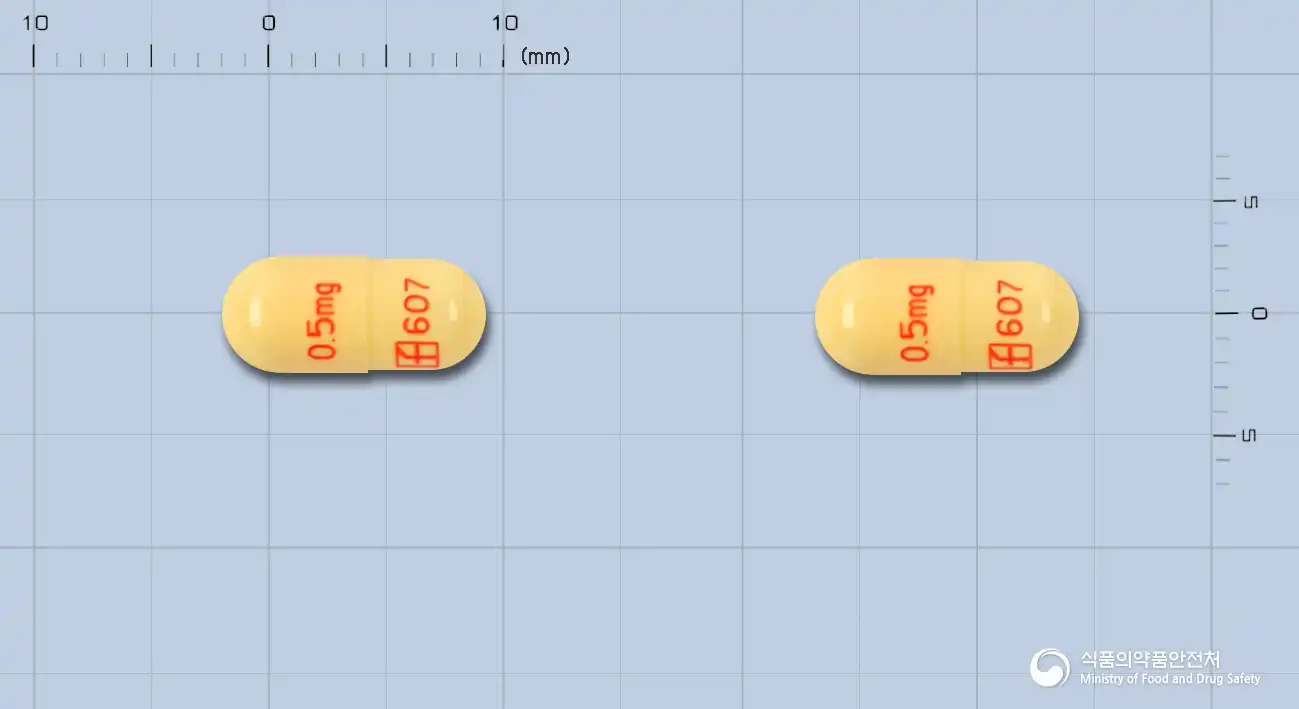
Tacrolimus Hydrate 0.51mg
Hard capsule · Prescription medication
Korea Astellas Pharma Co., Ltd.
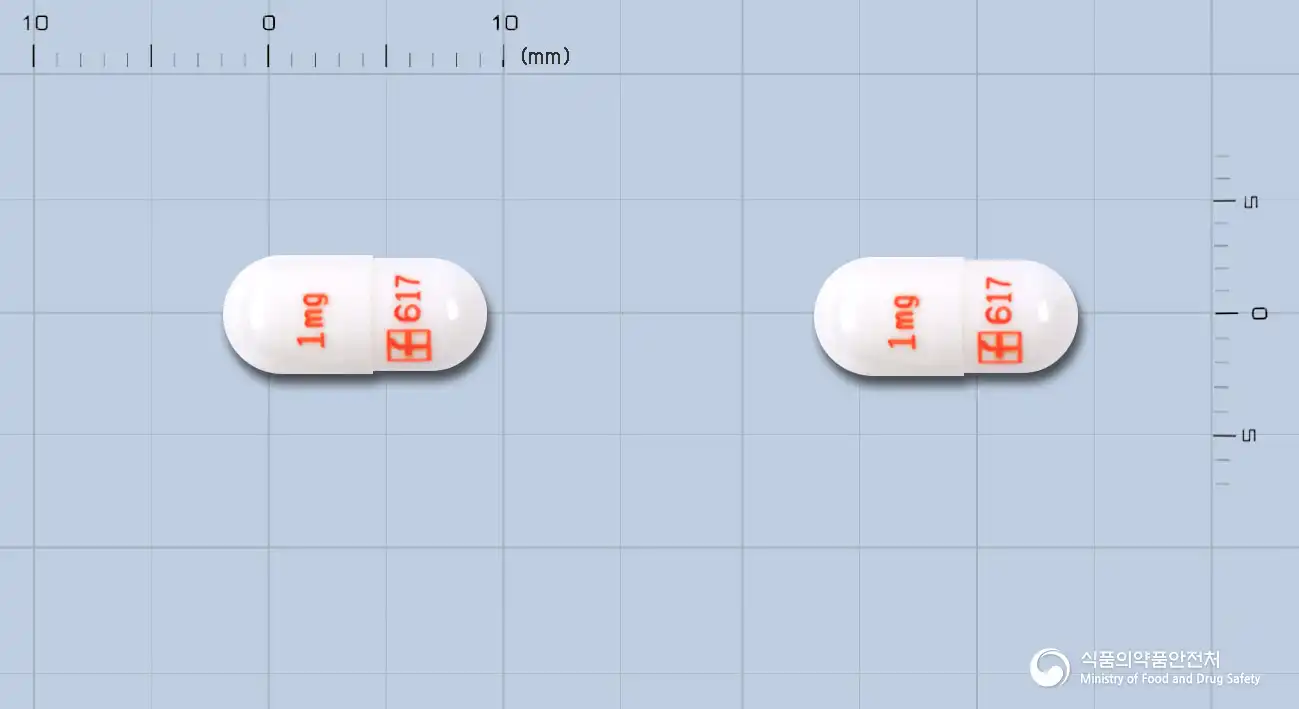
Tacrolimus Hydrate 1.02mg
Hard capsule · Prescription medication
Astellas Pharma Korea Co., Ltd.
Even with the same ingredient, the dose and directions can differ by strength and dosage form. Talk to a doctor or pharmacist before switching from a medication you are already taking.
No questions yet.
For anything that needs medical judgment, consult a doctor or pharmacist.
This drug information is based on data provided by the Korea Ministry of Food and Drug Safety.
Consult a doctor or pharmacist for accurate dosage, administration, and usage instructions.