
 한국어
 English
 日本語
 中文(简体)
Dosage form image
Viewing nowGabarep Tablet 600 mg (Gabapentin)
Gabapentin 600mg
Tablet · Prescription medication
Jongkundang Co., Ltd.
MFDS item code 200500145 · Notified 2005.12.16
This product's status changed to Approval withdrawn on 2024.03.20. It may no longer be sold, so consult a doctor or pharmacist before taking it.
Treatment of partial-onset seizures and neuropathic pain
This medication is used alone or as an adjunct therapy for patients with epilepsy, particularly effective in treating partial seizures and secondary generalized symptoms in adolescents aged 13 years and older and adults. It also helps alleviate neuropathic pain, improving the quality of life for patients. Therefore, it is widely used in the treatment of epilepsy and neuropathic pain.
(Tablets) For administration of the initial dose, 100 mg, 300 mg, and 400 mg capsules may be used. For administration of the maintenance dose, 600 mg and 800 mg tablets and 300 mg and 400 mg capsules may be used; 100 mg capsules may be used in patients requiring hemodialysis. There is no difference between the capsule and tablet formulations in their therapeutic effect. The dose should be determined by the physician based on each patient's individual tolerability and efficacy. 1. Epilepsy Monotherapy and adjunctive therapy in patients 13 years of age and older: This medicine is effective at doses of 900~2,400 mg/day of gabapentin. The process of gradually increasing the dose to the initial maintenance dose, followed by further dose increases as needed, may be carried out relatively quickly. Initial dose: To achieve a maintenance dose of 900 mg/day of gabapentin, titrate the dose over the first 3 days of treatment as follows. - Day 1: Administer one 300 mg capsule of this medicine once daily or one 100 mg capsule of this medicine 3 times daily (gabapentin 300 mg/day) - Day 2: Administer one 300 mg capsule of this medicine twice daily or two 100 mg capsules of this medicine 3 times daily (gabapentin 600 mg/day) - From Day 3: Administer one 300 mg capsule of this medicine 3 times daily or three 100 mg capsules of this medicine 3 times daily (gabapentin 900 mg/day) Maintenance dose: Initial efficacy of this medicine can be assessed at doses of 900∼1,200 mg/day of gabapentin. If higher doses are needed, it is recommended to administer 600 mg tablets 3 times daily for a gabapentin dose of 1,800 mg/day, or 800 mg tablets 3 times daily for a gabapentin dose of 2,400 mg/day. The total daily dose should not exceed 2,400 mg of gabapentin (there are insufficient data on the safety and efficacy of doses exceeding 2,400 mg/day of gabapentin). 2. Neuropathic pain Adults (18 years of age and older): To achieve a maintenance dose of 900 mg/day of gabapentin, titrate the dose over the first 3 days of treatment as follows. - Day 1: Administer one 300 mg capsule of this medicine once daily or one 100 mg capsule of this medicine 3 times daily (gabapentin 300 mg/day) - Day 2: Administer one 300 mg capsule of this medicine twice daily or two 100 mg capsules of this medicine 3 times daily (gabapentin 600 mg/day) - From Day 3: Administer one 300 mg capsule of this medicine 3 times daily or three 100 mg capsules of this medicine 3 times daily (gabapentin 900 mg/day) Alternatively, instead of the above regimen, one 300 mg capsule of this medicine may be administered 3 times daily as the starting dose (gabapentin 900 mg/day). If needed, the dose may be increased to 1,800 mg/day of gabapentin within one week, and the total daily dose should not exceed 3,600 mg of gabapentin. When taking this medicine, the total daily dose should be divided into 3 doses. 4. Frail patients: In frail patients with low body weight or patients after transplant surgery, the dose of this medicine should be increased in 100 mg increments. 5. Elderly patients: Dose adjustment may be necessary due to age-related decline in renal function (see table). 6. Patients with renal impairment (creatinine clearance of 80 mL/min or less) or patients receiving hemodialysis Dose adjustment is required based on the following table. 1) Dosage for patients with renal impairment Renal function: creatinine clearance (mL/min) Total daily dosea (mg/day) ≥80 900∼2,400 50∼79 600∼1,800 30∼49 300∼900 15∼29 150b∼600 <15 150b∼300 a: The total daily dose should be divided into 3 doses. b: Administer 3 × 100 mg every 2 days. In patients with creatinine clearance below 15 mL/min, the dose should be reduced in proportion to creatinine clearance. 2) Dosage for patients on hemodialysis Initial dose: 300∼400 mg of gabapentin is recommended. Maintenance dose: Administer 200∼300 mg of gabapentin after 4 hours of hemodialysis; do not administer this medicine on days when hemodialysis is not performed. 7. Method and duration of administration 1) This medicine should be swallowed whole with plenty of fluid and may be taken with or without food. When administered 3 times daily, take care that the interval between doses does not exceed 12 hours to prevent recurrence of seizures. 2) If a dose of this medicine is missed (if more than 12 hours have elapsed since the last dose), whether to take an additional dose to make up for it should be determined by the physician. 3) When used concomitantly with antacids containing magnesium or aluminum, this medicine should be taken at least 2 hours after administration of the antacid. This can greatly reduce the decrease in the bioavailability of this medicine. 4) The duration of treatment with this medicine should depend on clinical need. Treatment of epilepsy generally requires long-term administration. There is no evidence of a rebound phenomenon (increased frequency of epileptic seizures due to sudden discontinuation of treatment), but sudden discontinuation of antiepileptic drugs in patients with epilepsy may cause status epilepticus. If treatment with this medicine is to be discontinued or it is to be used concomitantly with another antiepileptic drug, changes should be made gradually over at least 1 week. 5) In the treatment of neuropathic pain, the safety and efficacy of treatment lasting more than 5 months have not been evaluated. 6) To reduce the main adverse reactions, such as somnolence, dizziness, fatigue, and ataxia, the first dose on the first day of treatment should be administered at bedtime.
Aged 3 years or older and 12 years or younger: For use as adjunctive therapy, the low-dose 100 mg, 300 mg, and 400 mg capsules may be used instead of this drug's high-dose tablet formulation.
This medication may increase the risk of suicidal thoughts or behaviors during treatment; therefore, patients or caregivers should immediately inform healthcare providers if there are mood changes or abnormal behaviors. Abrupt discontinuation of this medication may lead to more frequent seizures or a prolonged state of epilepsy, so the dosage should be gradually reduced according to a doctor's instructions. Although some animal studies have indicated a relationship with pancreatic cancer, carcinogenicity has not been definitively confirmed in humans. While there have been reports of sudden and unexpected deaths during treatment, this risk is assessed to be similar to that of epilepsy itself. If symptoms of pancreatitis, such as persistent abdominal pain, nausea, or vomiting, occur, the medication should be discontinued immediately and medical consultation is required. Taking this medication along with central nervous system depressants, including narcotics, may lead to severe drowsiness, respiratory depression, or coma; therefore, it should only be used in minimum doses for a short duration under medical supervision, and symptoms must be carefully monitored. Patients with hypersensitivity to this medication, acute pancreatitis, or generalized tonic-clonic seizures should not use this drug. Particular caution is required for patients with impaired kidney function, the elderly, patients with a history of psychiatric disorders, children with attention deficit or behavioral problems, pregnant women, women of childbearing potential, and nursing mothers; routine monitoring is necessary for long-term use. Dizziness, drowsiness, and motor control issues may occur during treatment, so driving or operating hazardous machinery should be avoided when first taking the medication. This medication may result in various side effects, including weight gain, visual disturbances, skin rashes, depression, and suicidal thoughts; any unusual symptoms should prompt immediate consultation with a physician. Abrupt discontinuation can result in withdrawal symptoms such as anxiety, insomnia, headache, and tremors; dosage should be reduced gradually as per doctor’s instructions. During pregnancy, especially in the first trimester, there may be a risk to the fetus, so women who are pregnant or planning to become pregnant should use this medication only after consulting with a physician, and caution is advised during breastfeeding. This medication may interact with other drugs; therefore, it is essential to inform healthcare providers about any other medications or supplements being taken, as well as alcohol consumption. Keep this medication out of reach of children, and store it in the original container to prevent misuse.
Not everyone experiences these, and they can vary from person to person.
This medication should be stored in a tightly closed container to prevent air or moisture from entering, and kept in a cool place at or below room temperature (25 degrees Celsius). Proper storage will help maintain the effectiveness of the medication.
White or off-white oval film-coated tablets
30 tablets/bottle, 100 tablets/bottle
Even with the same ingredient, strength, dosage form and how it is taken can differ.
Gabapentin 600mg
Tablet · Prescription medication
Jongkundang Co., Ltd.
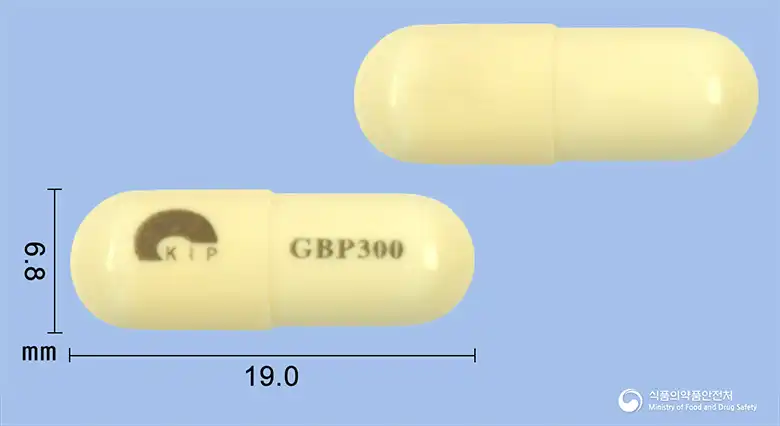
Gabapentin 300mg
Hard capsule · Prescription medication
Kunil Pharmaceutical Co., Ltd.
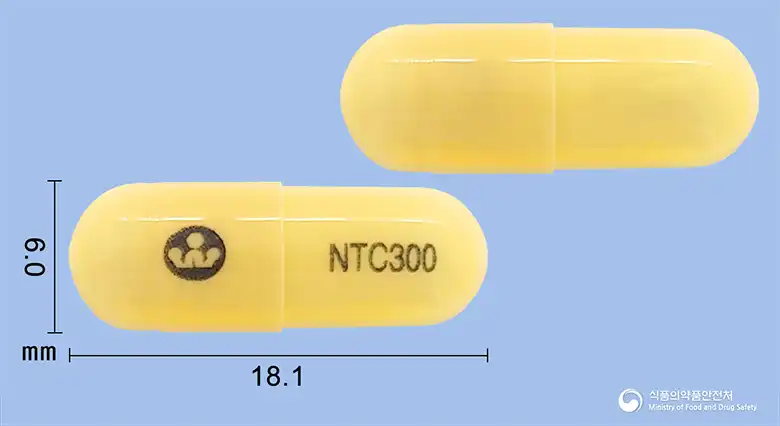
Gabapentin 300mg
Hard capsule · Prescription medication
Hanwin Pharmaceutical Co., Ltd.
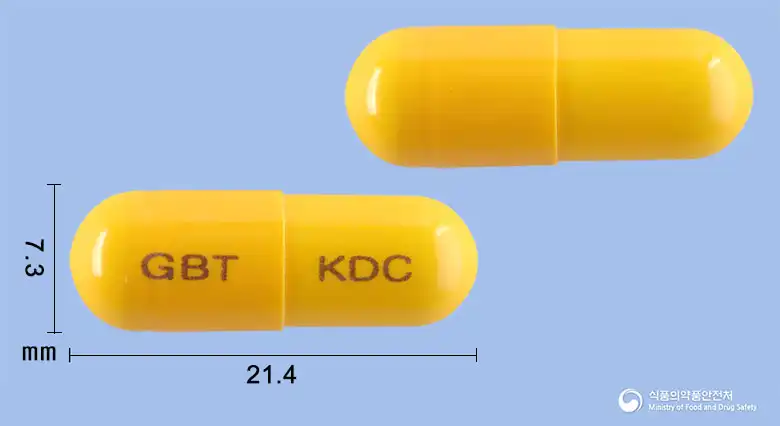
Gabapentin 400mg
Hard capsule · Prescription medication
Korea Pharmaceutical Co., Ltd.
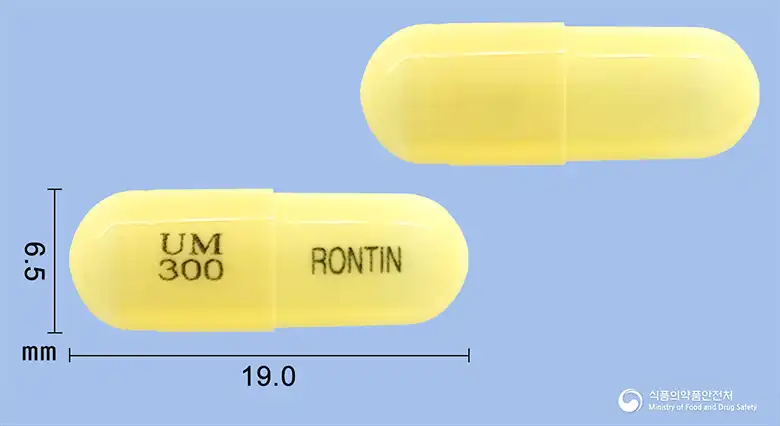
Gabapentin 300mg
Hard capsule · Prescription medication
Unimed Pharmaceuticals Co., Ltd.
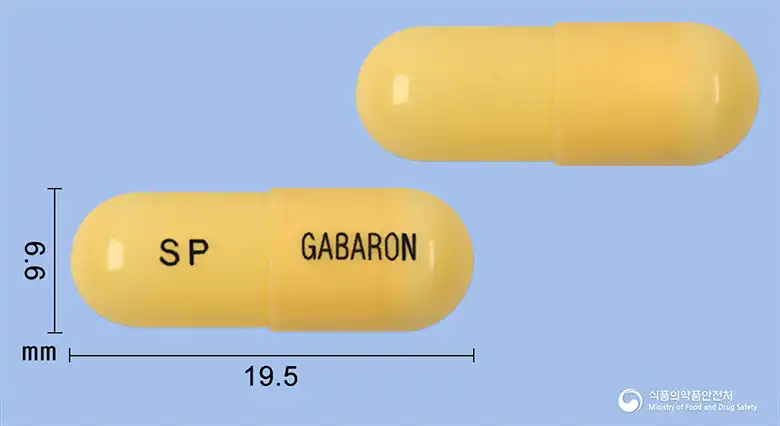
Gabapentin 300mg
Hard capsule · Prescription medication
Shinpoong Pharmaceutical Co., Ltd.
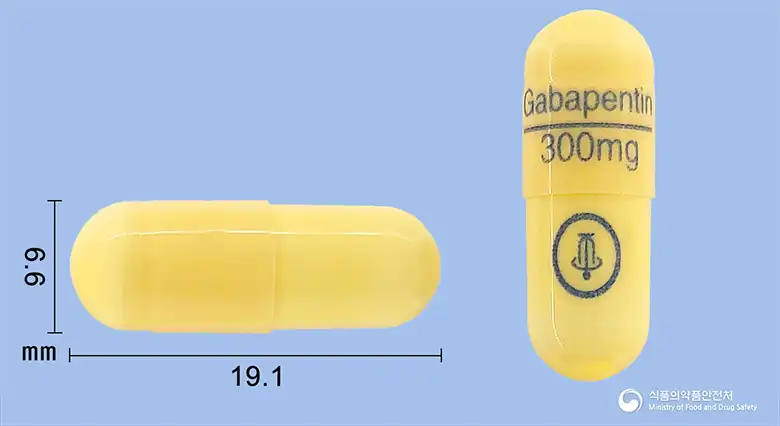
Gabapentin 300mg
Hard capsule · Prescription medication
Kwangdong Pharmaceutical Co., Ltd.
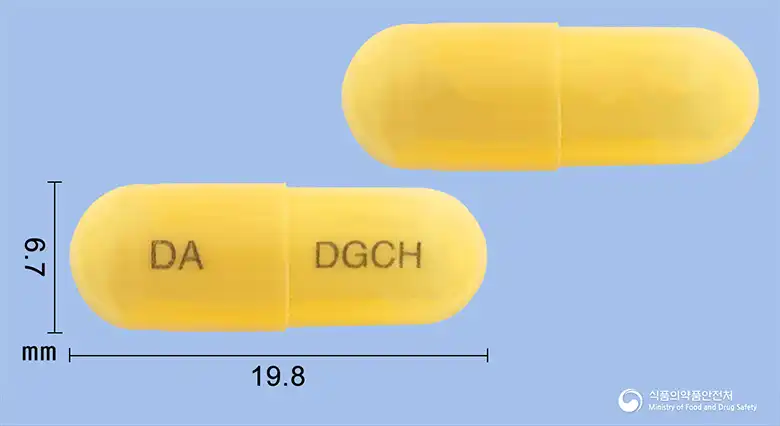
Gabapentin 300mg
Hard capsule · Prescription medication
Dong-A ST Co., Ltd.
Even with the same ingredient, the dose and directions can differ by strength and dosage form. Talk to a doctor or pharmacist before switching from a medication you are already taking.
No questions yet.
For anything that needs medical judgment, consult a doctor or pharmacist.
This drug information is based on data provided by the Korea Ministry of Food and Drug Safety.
Consult a doctor or pharmacist for accurate dosage, administration, and usage instructions.