
 한국어
 English
 日本語
 中文(简体)
 Viewing now
Hartfril Tablets 2.5 mg (Ramipril)
Ramipril 2.5mg
Tablet · Prescription medication
Jongkundang Co., Ltd.
MFDS item code 200500140 · Approved 2005.11.17 · Insurance code 643304170
Treatment of hypertension and heart failure after myocardial infarction; reduction of cardiovascular risk; treatment of nephropathy
This medication helps manage hypertension and is used to improve symptoms of heart failure that occur after myocardial infarction. It is also effective in reducing the risk of mortality due to myocardial infarction, stroke, and cardiovascular diseases in patients over 55 years with clinical evidence of cardiovascular disease, unstable angina, multivessel coronary artery disease, and peripheral artery disease. It is particularly used to lower the risk of such cardiovascular events in diabetic patients over 55 years who have risk factors like hypertension, high cholesterol, smoking, and microalbuminuria. Finally, it helps improve symptoms of early nephropathy, overt glomerulosclerosis, proteinuria in diabetic patients, and non-diabetic overt glomerulosclerosis and proteinuria. Thus, this medication is effectively used for the treatment of hypertension and various cardiovascular diseases as well as diabetic-related kidney diseases.
1. Hypertension ① Adults not receiving diuretics: The initial dose of ramipril is 2.5㎎ once daily, taken orally with plenty of water during or after a meal. However, depending on the patient's response, the dose may be increased at intervals of 2‐3 weeks, initially up to 5㎎ daily and then up to a maximum of 10㎎ daily; a diuretic may be used concomitantly. ② Adults receiving diuretics: Since an undesirable excessive reduction in blood pressure may occur after the first dose, discontinue the diuretic 2‐3 days before starting treatment if possible. If this is not possible, administer an initial dose of 1.25㎎ once daily and adjust appropriately as needed. ③ Patients with renal impairment 1) Creatinine clearance of 50㎖/min or more (serum creatinine less than 1.5㎎/㎗): No dosage adjustment is necessary. 2) Creatinine clearance of 20~50㎖/min (serum creatinine 1.5‐3㎎/㎗): Administer an initial dose of 1.25㎎ once daily; the dose may be increased up to a maximum of 5㎎ once daily. 3) Creatinine clearance below 20㎖/min (serum creatinine of 3㎎/㎗ or more): Administer an initial dose of 1.25㎎ every other day; the maintenance dose should not exceed 2.5㎎ once daily. ④ Patients with hepatic impairment: Administer under careful medical supervision and do not exceed 2.5㎎ daily. 2. Heart failure after myocardial infarction ① Patients not receiving diuretics: The recommended initial dose is 2.5mg twice daily. For patients who develop symptoms of hypotension with this dose, the dose may be changed to 1.25mg twice daily; however, the dose should be increased gradually in all patients to the target dose of 5mg twice daily. Patients should be monitored closely for at least 2 hours after the initial dose of this medicine and for at least an additional 1 hour until blood pressure has stabilized. If hypotension occurs after the initial dose, treat the hypotension appropriately and then adjust the dose of this medicine carefully. ② Patients receiving diuretics: Patients who have been taking diuretics may develop symptomatic hypotension after the initial dose of this medicine. To reduce the likelihood of hypotension, discontinue the diuretic 2~3 days before starting this medicine, if possible. Thereafter, if blood pressure is not controlled with this medicine alone, resume the diuretic. If the diuretic cannot be discontinued, administer an initial dose of 1.25mg of this medicine to avoid excessive hypotension. Reduce the dose of the concomitantly administered diuretic as much as possible to reduce the likelihood of hypotension. ③ Patients with heart failure accompanied by renal failure The recommended initial dose is 1.25mg once daily. Depending on clinical response and tolerability, the dose may be increased to 1.25mg twice daily and up to a maximum of 2.5mg twice daily. 3. Reduction in the risk of death from myocardial infarction, stroke, or cardiovascular disease, or in the need for revascularization ① The initial dose is 2.5mg once daily, and the dose is increased gradually according to tolerability. Accordingly, increase the dose to 5mg daily after one week and to 10mg daily after 3 weeks. The usual maintenance dose is 10mg once daily. Patients stabilized on a lower dose for other indications should be adjusted to 10mg once daily. ② Patients with renal impairment: No dosage adjustment is necessary in patients with creatinine clearance of 30ml/min (plasma creatinine<165 μmol/l) or more. In patients with creatinine clearance below 30ml/min (plasma creatinine>165 μmol/l), the initial dose is 1.25mg once daily and the maximum dose is 5mg once daily. In patients with severe renal impairment (creatinine clearance of 10ml/min or less and plasma creatinine of 400~650 μmol/l), the initial dose is 1.25mg once daily and should not exceed 2.5mg daily. ③ Patients with hepatic impairment: In patients with hepatic impairment, decreased esterase activity in the liver reduces the metabolism of the parent compound ramipril and, consequently, the formation of its biologically active metabolite ramiprilat, ultimately increasing plasma ramipril levels. Therefore, Tritace treatment should be initiated at a dose of 1.25mg under close medical supervision. 4. Nephropathy ① Patients not receiving diuretics The recommended initial dose is 1.25㎎ once daily. Increase the dose according to the patient's tolerability. When increasing the dose, double it at intervals of 2‐3 weeks; the maximum daily dose is 5㎎. ② Patients receiving diuretics Consider whether the diuretic should be discontinued or, at a minimum, the dose of the diuretic being taken should be reduced 2‐3 days before starting this medicine. In general, the initial dose of this medicine in patients receiving diuretics is 1.25㎎ once daily. ③ Patients with hepatic impairment: Increase or decrease the dose according to the patient's response. Accordingly, treatment with this medicine should be initiated carefully under a physician's direction, and the maximum daily dose is 2.5㎎. Adjust the dose appropriately according to age and symptoms.
This medication is used to lower blood pressure and protect the function of the heart and kidneys. If signs of angioedema such as swelling of the face, lips, tongue, or throat occur while using this medication, inform a doctor immediately and discontinue use, seeking emergency treatment. If there are symptoms of abdominal pain, nausea, or vomiting, as angioedema may occur in the intestines, consult a physician. During pregnancy, especially in the second and third trimesters, it can cause serious harm to the fetus, so this medication should not be taken during pregnancy. The safety in children or patients with severely impaired kidney function has not been sufficiently established. Patients who are allergic to this medication or similar medications, have a history of angioedema, certain heart valve diseases, are pregnant or possibly pregnant women, kidney transplant patients, and others should not take this medication. When starting this medication or if used in conjunction with diuretics, there is a risk of a sudden drop in blood pressure, so blood pressure and kidney function should be closely monitored. Care must be taken when using it in patients with impaired liver function as the metabolism of the drug may be delayed. During the period of medication, regular blood tests should check kidney function, electrolyte levels, and white blood cell counts. Particularly, caution is needed when taken with potassium-sparing diuretics or potassium supplements due to the risk of dangerously high blood potassium levels. A dry cough may occur, and in such cases, consult a physician. This medication may interact with other antihypertensive agents, diuretics, antidepressants, lithium, etc., so inform the doctor of any other medications being taken. Dizziness or lightheadedness may occur, so caution should be exercised when driving or operating dangerous machinery. In case of overdose, severe hypotension, bradycardia, electrolyte imbalances, etc., may occur, and immediate emergency treatment is necessary. Keep this medication out of reach of children and avoid transferring to other containers.
Angioedema, face, limbs, lips, tongue, larynx, glottis edema, abdominal pain, nausea, vomiting, angina pectoris, myocardial infarction, myocardial ischemia, tachycardia, arrhythmia, palpitations, peripheral edema, eosinophilia, leukopenia, decreased red blood cell count, decreased hemoglobin level, decreased platelet count, bone marrow failure, pancytopenia, hemolytic anemia, headache, dizziness, vertigo, sensory disturbances, ageusia, dysgeusia, tremors, balance disorders, ischemic stroke, transient ischemic attack, psychomotor dysfunction, flushing, olfactory disturbances, blurred vision, visual impairment, conjunctivitis, hearing impairment, tinnitus, dry cough with itchy throat, bronchitis, sinusitis, dyspnea, bronchospasm, congestion, gastrointestinal inflammatory response, dyspepsia, abdominal discomfort, indigestion, diarrhea, nausea, vomiting, pancreatitis, increased pancreatic enzymes, small bowel angioedema, gastritis, upper abdominal pain, constipation, dry mouth, glossitis, aphthous stomatitis, acute renal failure, renal impairment, increased urine output, worsening of proteinuria, increased blood urea, increased serum creatinine, rash, angioedema, pruritus, hyperhidrosis, exfoliative dermatitis, hives, nail shedding, phototoxic reactions, toxic epidermal necrolysis, Stevens-Johnson syndrome, erythema multiforme, pemphigus, exacerbation of psoriasis, psoriatic dermatitis, pemphigus-like dermatitis, erythema multiforme-like rash, alopecia, muscle cramps, myalgia, arthralgia, inappropriate antidiuretic hormone secretion syndrome, increased serum potassium, anorexia, decreased appetite, decreased serum sodium, hypotension, orthostatic hypotension, syncope, flushing, vascular stenosis, impaired perfusion, vasculitis, Raynaud's phenomenon, chest pain, fatigue, fever, weakness, anaphylaxis, anaphylactic reactions, increased antinuclear antibodies, elevated liver enzymes, increased bilirubin polymers, cholestatic jaundice, hepatocellular damage, acute hepatic failure, cholestasis, cytolytic hepatitis, temporary erectile dysfunction, decreased libido, gynecomastia, mood swings, anxiety, nervousness, restlessness, drowsiness, sleep disturbances, confusion, attention deficit, cough
Not everyone experiences these, and they can vary from person to person.
Store this medication in a tightly closed container to prevent air exposure, preferably at a temperature between 1°C and 30°C. Proper storage will help maintain the drug's effectiveness.
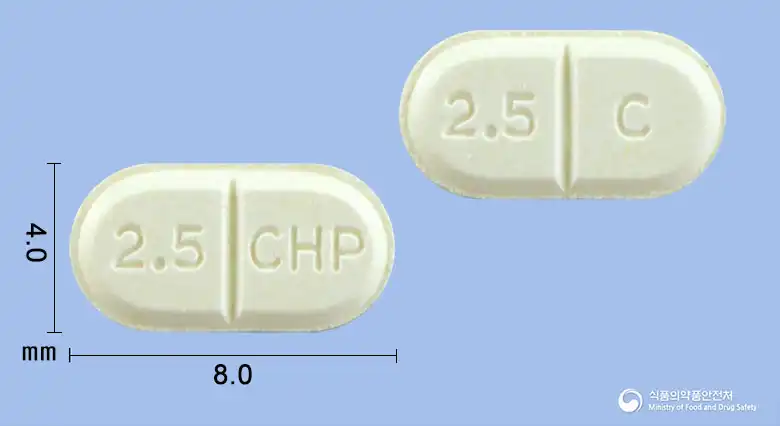
Pale yellow, rectangular tablets
30 tablets/bottle, 100 tablets/bottle
Even with the same ingredient, strength, dosage form and how it is taken can differ.
Viewing nowRamipril 2.5mg
Tablet · Prescription medication
Jongkundang Co., Ltd.
Ramipril 5mg
Tablet · Prescription medication
Kyungdong Pharmaceutical Co., Ltd.
Ramipril
Prescription medication
Dong Sung Pharmaceutical Co., Ltd.
Ramipril 5mg
Tablet · Prescription medication
Hawon Pharmaceutical Co., Ltd.
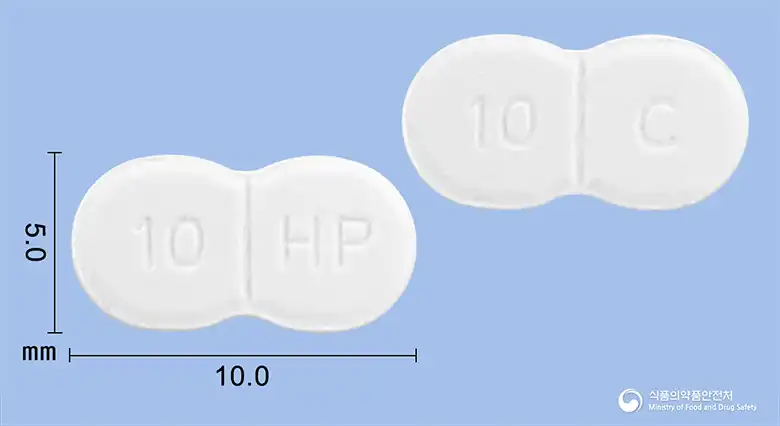
Ramipril 10mg
Tablet · Prescription medication
Jongkundang Co., Ltd.
Even with the same ingredient, the dose and directions can differ by strength and dosage form. Talk to a doctor or pharmacist before switching from a medication you are already taking.
No questions yet.
For anything that needs medical judgment, consult a doctor or pharmacist.
This drug information is based on data provided by the Korea Ministry of Food and Drug Safety.
Consult a doctor or pharmacist for accurate dosage, administration, and usage instructions.