
 한국어
 English
 日本語
 中文(简体)
Dosage form image
Viewing nowPhedin (Phentermine Hydrochloride)
Phentermine Hydrochloride 37.5mg
Tablet · Prescription medication
Myeongin Pharmaceutical Co., Ltd.
MFDS item code 200410827 · Approved 2004.11.10
This product's status changed to Approval withdrawn on 2025.10.16. It may no longer be sold, so consult a doctor or pharmacist before taking it.
Short-term adjunctive treatment for weight loss in exogenous obesity
This medication is used as a short-term weight loss adjunctive therapy for patients with initial obesity who do not respond to appropriate dietary or exercise therapies, especially for those with a body mass index (BMI) of 30 or greater or for exogenous obesity patients with a BMI of 27 or greater with other risk factors such as hypertension, diabetes, and hyperlipidemia. This medication should be used alone in conjunction with basic weight reduction methods such as exercise, behavioral modification, and caloric restriction, and it is important not to combine it with other appetite suppressants. The patient's weight and height will be considered to calculate the BMI, and the treatment effects will be judged based on this. This treatment helps to improve health issues related to obesity and effectively reduce weight.
Adults: Administer 37.5 mg of phentermine hydrochloride orally once daily, before breakfast or 1 ~ 2 hours after breakfast. Use the lowest effective dose, adjusting the dose individually to achieve an adequate response. A dose of 18.75 mg once daily may be appropriate for some patients, while in some cases it may be preferable to take 18.75 mg twice daily. Avoid taking this medicine late at night because it may cause insomnia. This medicine should be administered for a short term (within 4 weeks). However, to reduce the risk of inappropriate use, treatment may be continued if the patient achieves satisfactory weight loss within the first 4 weeks (at least 1.8 kg of weight loss, or weight loss considered satisfactory by both the physician and patient).
This medication should not be used in conjunction with other appetite suppressants. It must be used alone for short-term management of exogenous obesity, and combining it with other weight loss drugs may not guarantee safety and effectiveness. This medication may be associated with primary pulmonary hypertension, so if symptoms such as dyspnea, angina, syncope, or peripheral edema occur, the patient should inform their doctor immediately, and the medication should be discontinued if these symptoms arise. There may also be potential associations with valvular heart disease, so long-term use, exceeding recommended dosages, or taking it with other appetite suppressants should be avoided. This medication should not be administered to patients with specific conditions, such as severe atherosclerosis, cardiovascular disease, moderate to severe hypertension, pulmonary hypertension, hyperthyroidism, glaucoma, mental instability, or a history of substance abuse. Additionally, patients taking MAO inhibitors, those who have taken them within the past 14 days, children under 16 years of age, and pregnant women or women who may become pregnant should not use this medication. Patients with diabetes or mild hypertension should use this medication cautiously, and diabetic patients may require adjustments to their insulin doses. This medication can cause various side effects such as palpitations, anxiety, headache, dizziness, dry mouth, diarrhea, constipation, hives, and erectile dysfunction, so if symptoms occur, consultation with a physician is necessary. In case of overdose, severe symptoms such as anxiety, coma, tremors, respiratory distress, abnormal blood pressure, or vomiting may occur, requiring immediate emergency treatment. This medication may cause dangerous interactions when taken with alcohol, so they should not be taken together. Pregnant or nursing women should only use this medication if absolutely necessary, considering the potential effects on the fetus and infant, and it is not recommended for children under 16 years of age due to a lack of proven safety and effectiveness. This medication is classified as a controlled substance with potential for dependency and abuse, so strict adherence to the physician's instructions is essential, and sudden discontinuation after prolonged use at high doses may lead to fatigue and depression. Finally, this medication should be stored in a secure place out of reach of children.
Not everyone experiences these, and they can vary from person to person.
This medication should be stored in a tightly sealed container to prevent exposure to air or moisture. It is important to maintain a storage temperature between 1 and 30 degrees Celsius. Proper storage helps to retain the medication's effectiveness and safety.
Blue round tablet
30 tablets/bottle, 200 tablets/bottle
Even with the same ingredient, strength, dosage form and how it is taken can differ.
Phentermine Hydrochloride 37.5mg
Tablet · Prescription medication
Myeongin Pharmaceutical Co., Ltd.
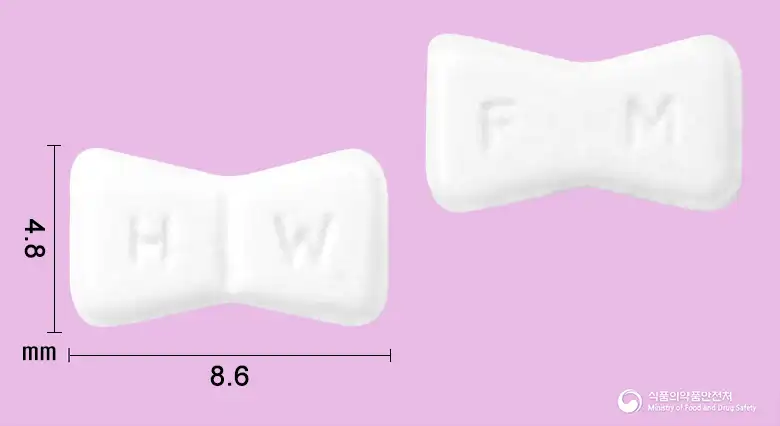
Phentermine Hydrochloride 37.5mg
Tablet · Prescription medication
Albozen Korea Co., Ltd.
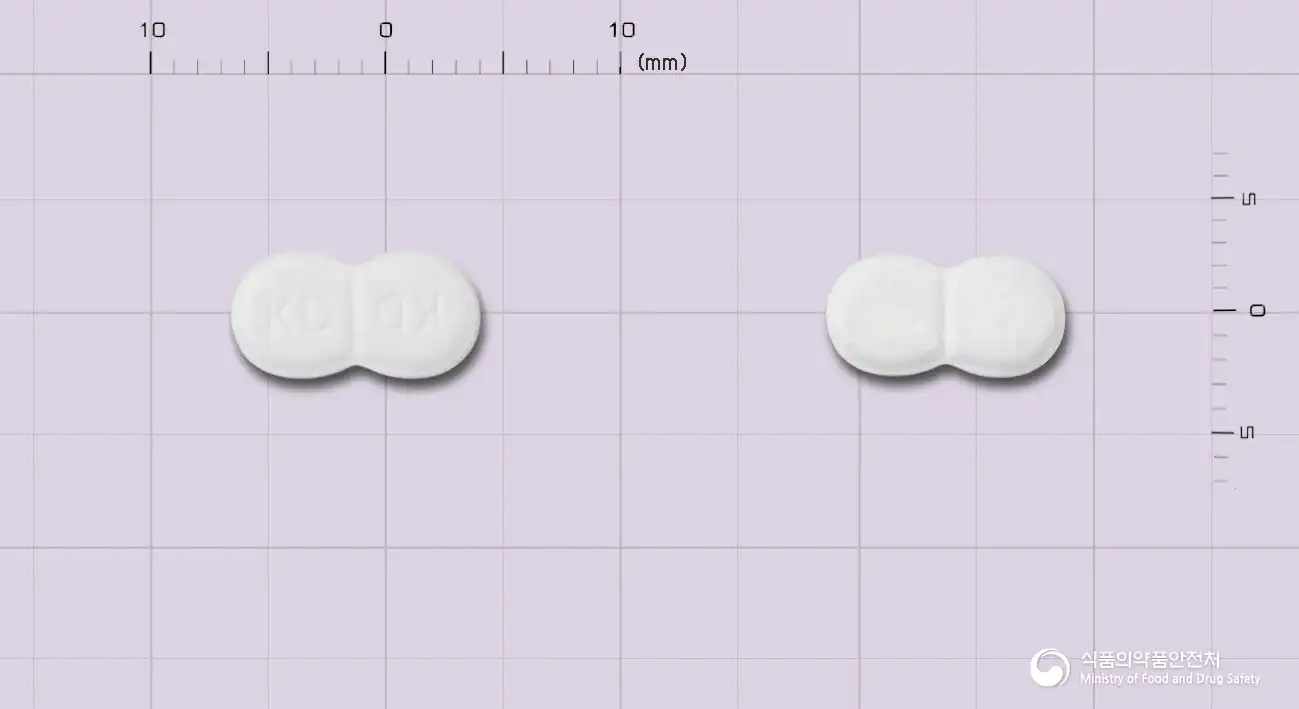
Phentermine Hydrochloride 37.5mg
Tablet · Prescription medication
Kwangdong Pharmaceutical Co., Ltd.
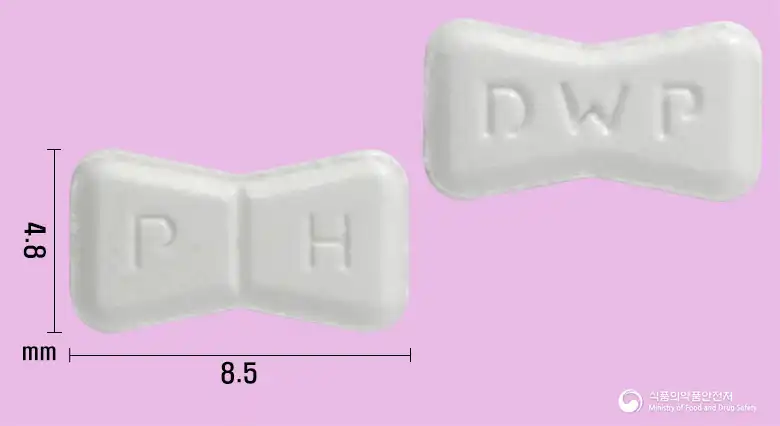
Phentermine Hydrochloride 37.5mg
Tablet · Prescription medication
Daewon Pharmaceutical Co., Ltd.
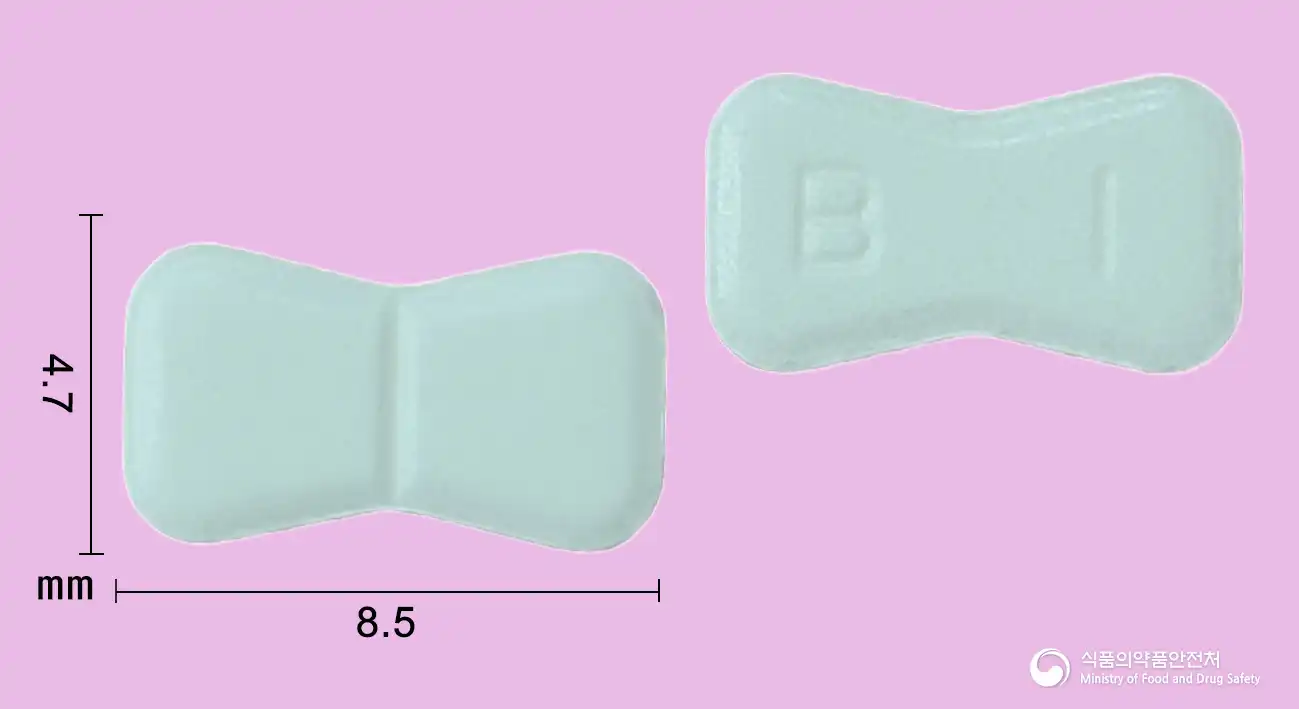
Phentermine Hydrochloride 37.5mg
Tablet · Prescription medication
(Stock) Vinex
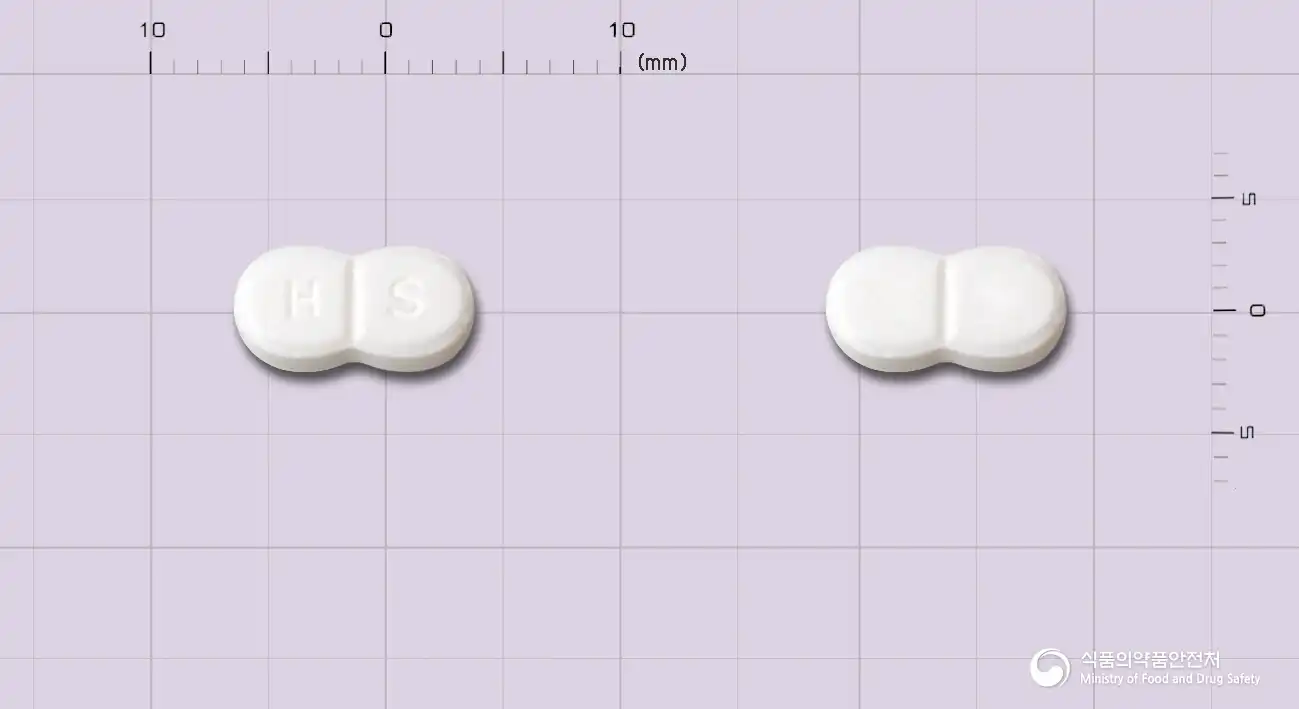
Phentermine Hydrochloride 37.5mg
Tablet · Prescription medication
(Stock) Huons
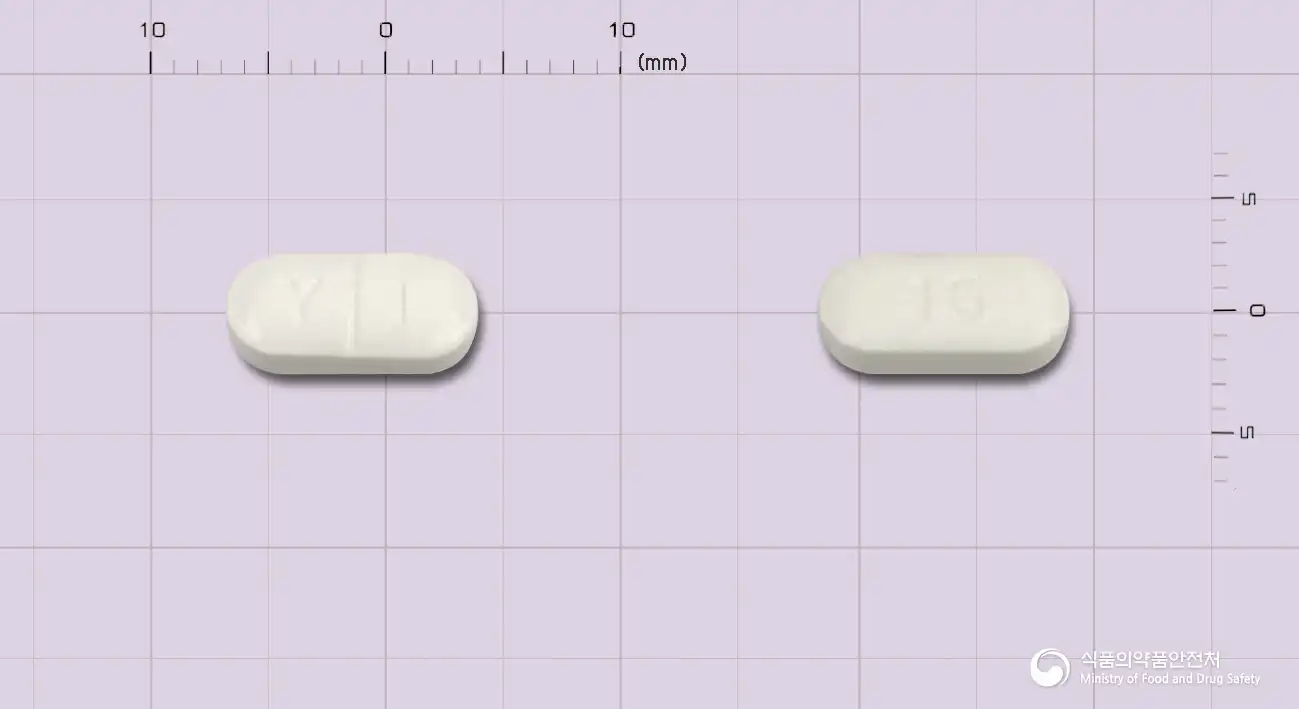
Phentermine Hydrochloride 37.5mg
Tablet · Prescription medication
Yeongil Pharmaceutical Co., Ltd.
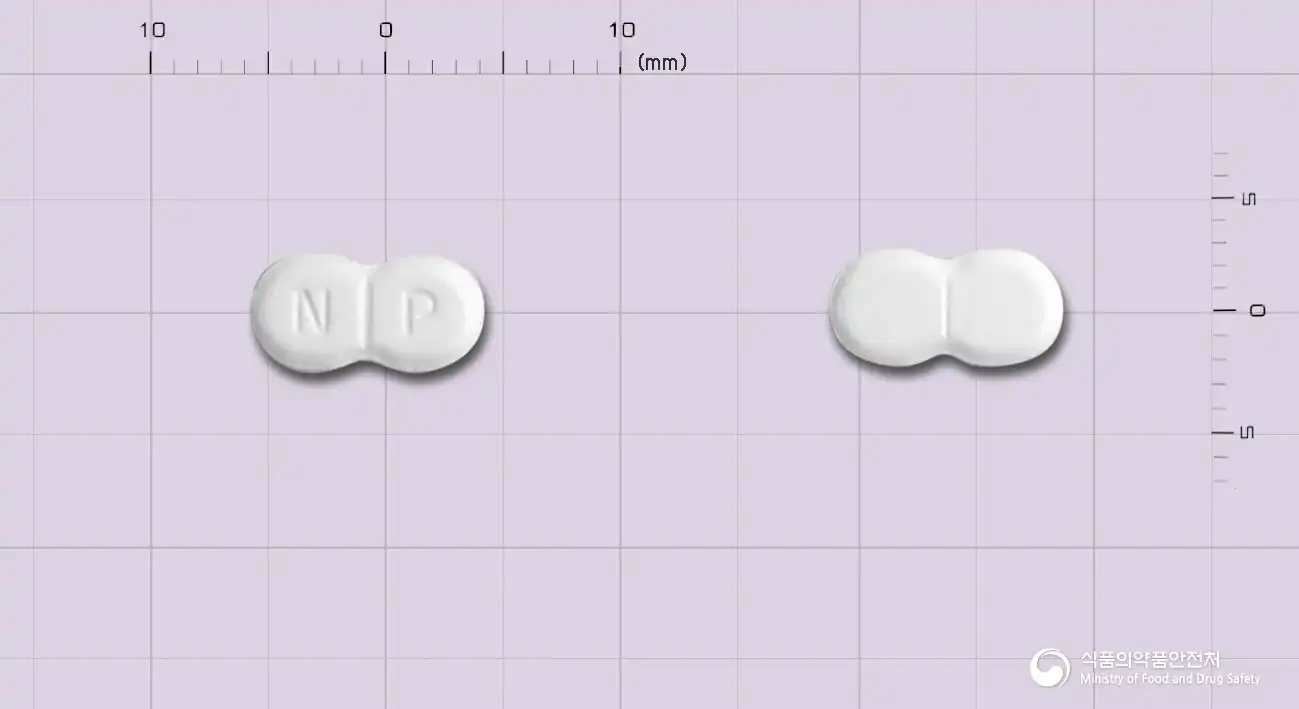
Phentermine Hydrochloride 37.5mg
Tablet · Prescription medication
Daehan New Pharm Co., Ltd.
Even with the same ingredient, the dose and directions can differ by strength and dosage form. Talk to a doctor or pharmacist before switching from a medication you are already taking.
No questions yet.
For anything that needs medical judgment, consult a doctor or pharmacist.
This drug information is based on data provided by the Korea Ministry of Food and Drug Safety.
Consult a doctor or pharmacist for accurate dosage, administration, and usage instructions.